
Travel, for many, represents both a cherished aspiration and a significant financial outlay. Among the myriad costs associated with any journey, airfare often stands as one of the most substantial line items. The dream of exploring new horizons or reuniting with loved ones can sometimes feel unattainable due to the daunting price tags attached to flights. However, the pursuit of affordable air travel is far from a fool’s errand; it is, in fact, an art and a science, blending strategic planning, informed decision-making, and a keen understanding of market dynamics. This comprehensive guide will dissect the strategies and tools available to empower you in securing cheap plane tickets, transforming once-elusive journeys into tangible realities.
Understanding the Intricate Dynamics of Flight Pricing
Before diving into specific tactics, it’s crucial to grasp the underlying mechanisms that dictate flight prices. Airfares are not static; they are highly volatile and influenced by a complex interplay of factors, making the quest for cheap tickets akin to navigating a fluctuating stock market.
The Volatility of Airfares: Supply and Demand at Play
At its core, airline pricing is a sophisticated exercise in supply and demand management. Airlines employ intricate algorithms, often powered by advanced AI tools (though we won’t dwell on the tech side here), to constantly adjust prices based on real-time data. Factors like the number of seats available on a flight, the number of seats already sold, competitor pricing, fuel costs, and even current events can cause prices to surge or plummet within hours. High demand for a specific route or date will inevitably drive prices up, while excess capacity or a lack of bookings can lead to aggressive price drops. This dynamic environment necessitates a proactive and adaptive approach from the consumer.
Seasonal Fluctuations and the Impact of Special Events
The calendar plays a profound role in airfare pricing. Peak travel seasons, such as summer holidays, Christmas, New Year’s, and major public holidays, invariably see a significant spike in ticket prices. During these times, demand is at its zenith, and airlines have little incentive to offer discounts. Conversely, shoulder seasons (spring and autumn in many regions) and off-peak periods often present the best opportunities for savings. Similarly, major international events, festivals, or even large conventions can create localized demand surges, impacting prices for flights to and from those specific destinations. Understanding these cyclical patterns is the first step towards strategic booking.
The Impact of Advance Booking vs. Last-Minute Deals
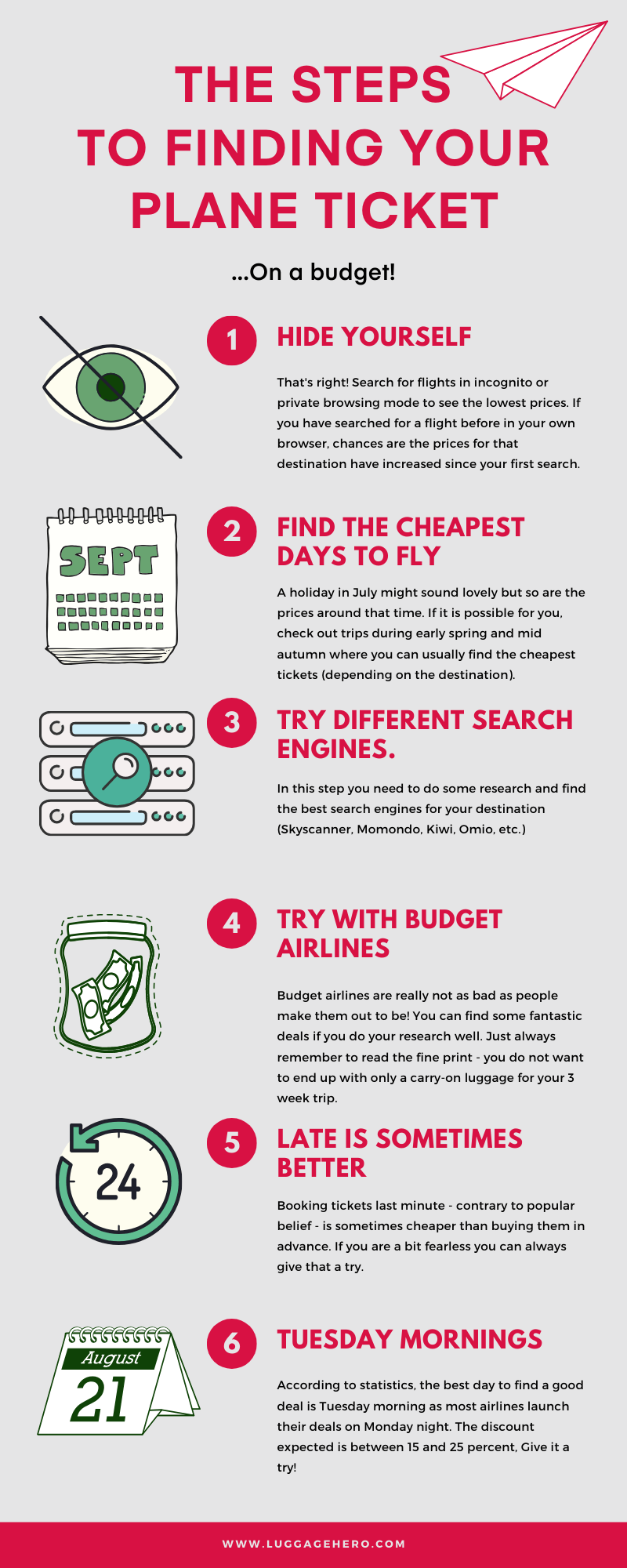
The conventional wisdom often advises booking far in advance, and for good reason. Airlines typically release their flight schedules 11-12 months out, and initial prices are often competitive. As a flight fills up, the remaining seats become more expensive, particularly in desirable fare classes. However, there’s a “sweet spot” for booking, which usually falls between 2 to 4 months before domestic travel and 3 to 8 months for international flights. Booking too early might mean missing out on sales, while booking too late often results in paying a premium. Last-minute deals, while tantalizing, are increasingly rare for popular routes and often carry significant risk, only manifesting when an airline needs to fill a few remaining seats on an undersold flight.
Carrier Types: Full-Service vs. Budget Airlines
The choice of airline significantly impacts the ticket price and, crucially, the overall value proposition. Full-service carriers (FSCs) typically include amenities like checked baggage, in-flight meals, and entertainment in their base fare. Budget or low-cost carriers (LCCs), on the other hand, unbundle their services, offering a very low base fare but charging extra for virtually everything else: baggage, seat selection, meals, and even printing boarding passes at the airport. While an LCC ticket might initially appear cheaper, it’s vital to calculate the total cost, including all desired add-ons, to make a true comparison. For travelers willing to forgo luxuries and pack light, LCCs can offer substantial savings on the base fare.
Strategic Booking Platforms and Tools for Savvy Travelers
Navigating the vast ocean of flight options requires the right tools and a smart approach to booking. Relying solely on one platform or one method can lead to missed opportunities for savings.
Aggregators vs. Direct Airline Websites
The journey to finding cheap flights often begins with flight aggregators (also known as Online Travel Agencies or OTAs) like Google Flights, Skyscanner, Kayak, Expedia, and Momondo. These platforms scour thousands of airlines and travel sites to present a broad overview of available flights and prices. They are invaluable for comparing options quickly. However, it’s always prudent to cross-reference prices found on aggregators with the direct websites of the airlines themselves. Sometimes, airlines offer exclusive deals, loyalty program benefits, or simply better prices directly to consumers. Booking directly also simplifies managing your reservation and dealing with any potential issues or changes, as you’re not dealing with a third party.
Leveraging Flight Comparison Sites for Optimal Discovery
Dedicated flight comparison sites are your best friends in the hunt for value. Google Flights, in particular, stands out for its intuitive interface, calendar view showing price fluctuations across dates, and its “explore” feature that suggests destinations based on your budget. Skyscanner is excellent for its “everywhere” search function, perfect if you’re flexible on your destination. Kayak’s “Price Forecast” feature can sometimes predict whether prices are likely to rise or fall. By utilizing these tools effectively, you can quickly identify the cheapest dates to fly, the most affordable airports, and even potential alternative routes that save money.
The Power of Price Alerts and Email Subscriptions
One of the most passive yet effective strategies is to set up price alerts. Most flight comparison sites allow you to track specific routes and dates, sending you email notifications when the fare drops. This eliminates the need for constant manual checking and ensures you’re immediately aware of any favorable price changes. Additionally, subscribing to airline newsletters and travel deal websites (e.g., The Flight Deal, Scott’s Cheap Flights) can provide exclusive access to flash sales, error fares, and promotional codes that are not widely advertised. These often include limited-time offers that can lead to significant savings.
Utilizing VPNs for Geo-Arbitrage (A Niche Tactic)
While not always applicable or guaranteed, some travelers experiment with using Virtual Private Networks (VPNs) to access different geographical pricing. Airlines and OTAs sometimes display different prices based on the user’s detected location, particularly for international routes. By connecting through a VPN server in a country with a lower cost of living or where the airline might be offering specific regional promotions, it’s occasionally possible to find cheaper fares. This tactic requires experimentation and might not always yield results, but it’s an option for the truly dedicated budget traveler.
Timing Your Purchase for Maximum Savings
Beyond where you look, when you book and when you fly are critical determinants of the final price. Strategic timing can shave hundreds of dollars off your airfare.
The Best Days to Book Flights
Numerous studies and anecdotal evidence suggest that booking flights on Tuesdays, Wednesdays, or Thursdays can often yield better prices compared to weekends. This is largely because airlines frequently launch new sales on Monday evenings, and by Tuesday morning, competitors have had a chance to react, leading to a flurry of price adjustments. By Thursday, many of these sales might begin to disappear as the weekend approaches. While this isn’t a hard and fast rule, it’s a good guideline to keep in mind when you’re ready to make a purchase.

The Best Days to Fly
Similar to booking days, the specific days you choose to fly can significantly impact the cost. Mid-week flights (Tuesdays, Wednesdays, and Thursdays) are typically cheaper than weekend flights (Fridays, Saturdays, and Sundays). Early morning flights and late-night flights also tend to be less expensive than those departing during peak business hours. The reasoning is simple: fewer people want to fly at inconvenient times, leading to lower demand and thus lower prices. Being flexible with your departure and arrival days can be one of the most powerful money-saving strategies.
Optimizing Booking Windows: Early Birds vs. Opportunists
As mentioned, there’s a “sweet spot” for booking. For domestic flights, aiming to book 1-3 months out is often ideal. For international journeys, expanding that window to 3-6 months generally provides the best balance of availability and price. Booking too far in advance can mean missing out on subsequent sales, while waiting too long drastically increases the risk of higher prices. Opportunists might wait for last-minute deals, but this strategy is fraught with risk, especially for popular destinations or fixed travel dates. The sweet spot is a calculated middle ground that maximizes your chances of a good deal.
Avoiding Peak Travel Periods
This cannot be stressed enough: avoid peak travel periods whenever possible. Flying during major holidays, school breaks, or large events will almost always result in higher prices. If your travel dates are flexible, consider shifting them by a week or two to fly just before or after a peak period. The difference in price can be astounding. Even flying on the holiday itself (e.g., Thanksgiving Day or Christmas Day) can sometimes be cheaper than the days immediately surrounding it, though this often means sacrificing holiday traditions.
Unconventional Strategies for Deeper Discounts
Beyond the standard booking approaches, several unconventional tactics can unlock even greater savings, often requiring a bit more flexibility and creativity.
Embracing Flexibility: Dates, Airports, and Destinations
Flexibility is perhaps the single most potent weapon in the budget traveler’s arsenal.
- Flexible Dates: Instead of fixing your travel dates, search for flights across an entire month or even year using tools like Google Flights’ calendar view or Skyscanner’s “Cheapest Month” feature.
- Flexible Airports: Consider flying into or out of alternative, smaller airports near your desired destination. Sometimes, a short bus or train ride from a secondary airport can lead to hundreds of dollars in flight savings.
- Flexible Destinations: If your primary goal is simply to “get away” and you’re open to different experiences, use the “everywhere” search function on Skyscanner or Google Flights’ “explore” map to see where you can fly for the cheapest price from your home airport.
Exploring Stopovers and Open-Jaw Tickets
Direct flights are convenient but often carry a premium. Opting for flights with one or more layovers can significantly reduce the cost, especially for long-haul international journeys. While this adds to travel time, the savings can be substantial. An “open-jaw” ticket is another savvy strategy where you fly into one city and depart from another, often allowing for a more efficient itinerary and potentially cheaper multi-city airfares than separate one-way tickets.
Utilizing Loyalty Programs and Credit Card Rewards
For frequent flyers, airline loyalty programs are indispensable. Accumulating miles or points can lead to free flights, upgrades, or discounts. Similarly, travel rewards credit cards often offer substantial sign-up bonuses (enough for a free domestic round trip or a significant discount on international travel), and earn points on everyday spending that can be redeemed for flights. Strategic use of these financial tools requires careful management to avoid interest charges but can unlock incredible travel value. Be mindful of annual fees and redemption options when selecting a card.
The Art of Error Fares and Flash Sales
Error fares, or “mistake fares,” occur when airlines accidentally publish incorrect, unusually low prices due to technical glitches or human error. These are rare but can offer incredibly cheap flights. Finding them often requires following specialized deal sites or subscribing to flight alerts that specifically track these anomalies. Flash sales are planned, short-term promotions offering significant discounts. Both require quick action, as they are typically corrected or expire rapidly.
Avoiding Common Pitfalls and Hidden Costs
While hunting for cheap tickets, it’s easy to overlook potential hidden costs that can negate your savings. A truly cheap ticket is one where the final, all-inclusive price remains low.
Baggage Fees and Seat Selection Charges
Budget airlines, in particular, are notorious for their unbundled pricing. A seemingly cheap fare can quickly balloon once you add a checked bag, a carry-on that exceeds their strict limits, or even the privilege of choosing your seat. Always check the airline’s baggage policy and associated fees before booking. If you can travel light with just a personal item, many of these fees can be avoided entirely. For full-service carriers, understand what is included in your fare class.
Understanding Layover Logistics
Long layovers can make a cheap flight feel expensive in terms of time and comfort. Consider the duration of layovers, especially when booking complex itineraries. Very short layovers (under 60-90 minutes) risk missing connecting flights due to delays. Very long layovers might necessitate airport hotels or substantial food expenses. Factor in the total travel time and potential discomfort against the savings. Sometimes, a slightly more expensive flight with a reasonable layover or a direct route offers better value.
The Perils of Non-Refundable Tickets
Most cheap airline tickets are non-refundable, and changes often incur steep fees. While this is standard for budget travel, it means you must be confident in your travel plans. Consider travel insurance for expensive, non-refundable tickets if there’s a significant risk of needing to cancel. For less critical trips, simply accepting the risk might be part of the budget strategy, but be aware of the implications if your plans change.

Reading the Fine Print: Terms and Conditions
Always, always read the terms and conditions, especially when booking with lesser-known OTAs or for heavily discounted fares. Understand the cancellation policy, change fees, baggage allowances, and any specific requirements (e.g., visa rules, check-in times). Being caught off guard by unexpected rules or fees at the airport can quickly erase any perceived savings and create significant stress.
The pursuit of cheap plane tickets is a journey in itself – one that rewards diligence, flexibility, and an understanding of the travel market. By leveraging the right tools, employing strategic timing, and being mindful of potential hidden costs, you can significantly reduce your airfare expenses, freeing up more money to spend on experiences at your destination. Happy travels, and may your budget always soar as high as your aspirations!
aViewFromTheCave is a participant in the Amazon Services LLC Associates Program, an affiliate advertising program designed to provide a means for sites to earn advertising fees by advertising and linking to Amazon.com. Amazon, the Amazon logo, AmazonSupply, and the AmazonSupply logo are trademarks of Amazon.com, Inc. or its affiliates. As an Amazon Associate we earn affiliate commissions from qualifying purchases.