
In an increasingly interconnected world, air travel has become more accessible than ever, yet the process of purchasing air tickets can often feel like navigating a complex financial labyrinth. For the astute traveler, understanding where to buy tickets transcends a mere transactional query; it becomes a strategic financial decision aimed at maximizing value, minimizing expenditure, and ensuring a seamless travel experience without compromising one’s budget. This guide delves into the financial underpinnings of air ticket procurement, offering insights and actionable strategies to empower you as a savvy financial manager of your travel expenses.
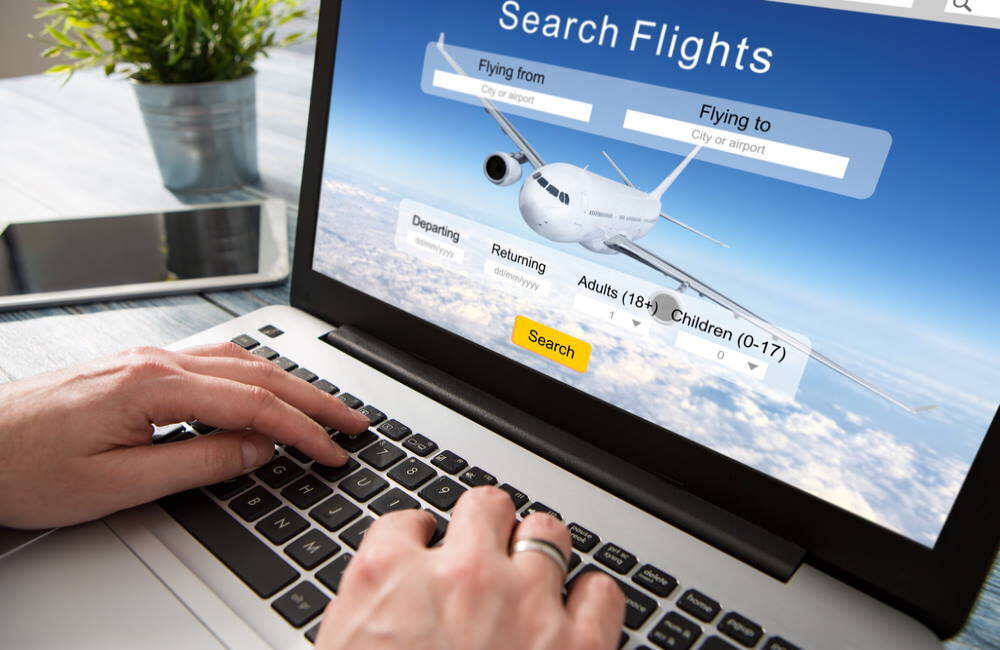
Optimizing Your Airfare Spend: Understanding the Market Landscape
The air ticket market is a dynamic ecosystem, characterized by numerous players, fluctuating prices, and a constant interplay of supply and demand. To make financially sound decisions, it’s crucial to understand the landscape and how each component can impact your wallet.
The Direct vs. Indirect Purchase Dilemma
When embarking on the journey to purchase an air ticket, one of the primary financial considerations is whether to book directly with an airline or through an intermediary. Booking directly via an airline’s official website offers several financial advantages, primarily centered around flexibility and direct customer service. In cases of flight changes, cancellations, or specific requests, dealing directly with the airline can often simplify the process, potentially avoiding additional fees or complexities that might arise when a third party is involved. Moreover, direct bookings are often essential for accruing airline-specific loyalty points and qualifying for elite status, which translates into future financial benefits like upgrades, complimentary baggage, or lounge access. Some airlines also offer price match guarantees or exclusive deals directly on their sites, making a direct comparison essential for cost-conscious travelers.
Conversely, indirect purchases, typically made through Online Travel Agencies (OTAs) like Expedia, Booking.com, or Priceline, can present a consolidated view of various airlines and itineraries, often bundling flights with hotels or car rentals for perceived savings. While these bundles can appear financially attractive, a meticulous breakdown of costs is always advisable to ensure genuine savings. The financial trade-off here often involves a lack of direct control over your booking, potentially leading to additional fees or more arduous processes if changes or cancellations are required. For travelers prioritizing flexibility and direct control over their financial investment, direct booking often represents a more secure and predictable option.
The Role of Online Travel Agencies (OTAs) and Meta-Search Engines
OTAs and meta-search engines (e.g., Skyscanner, Google Flights, Kayak) serve distinct yet overlapping functions in the financial landscape of air ticket sales. OTAs act as retailers, buying inventory from airlines and reselling it, often adding their own service fees or marking up prices. Their business model relies on commissions from airlines and hotels, as well as revenue from ancillary services. While they sometimes secure bulk deals that can translate into lower prices for consumers, particularly for less flexible tickets, their financial value proposition needs careful scrutiny. Issues such as less transparent refund policies, higher change fees, or complicated customer support pathways can negate initial cost savings. Travelers must weigh the potential for a slightly lower initial price against the potential for higher financial liabilities and inconvenience if plans change.
Meta-search engines, on the other hand, are aggregators. They don’t sell tickets directly but scour hundreds of OTAs and airline websites to present a comprehensive list of prices and itineraries. Their primary financial utility is transparency and comparison. By presenting a broad spectrum of options, they empower the consumer to identify the lowest prices available across different platforms. However, they are only as good as the data they collect, and it’s always prudent to cross-verify prices directly on the airline’s website or the specific OTA’s site before making a final decision, as hidden fees or different fare classes might not always be immediately apparent in the initial search results. Understanding this distinction is key to leveraging these tools effectively for financial advantage.
Unpacking Airline Pricing Structures
Airline pricing is a masterclass in dynamic financial management, often referred to as “yield management.” Airlines employ sophisticated algorithms to adjust ticket prices in real-time based on a myriad of factors, including demand, time to departure, competitor pricing, seat availability, and even the search history of individual users. This results in a complex system where two passengers on the same flight might have paid vastly different fares. Understanding fare classes is paramount here; each class (e.g., Economy Basic, Economy Standard, Economy Flexible) comes with different rules regarding changes, refunds, baggage allowances, and mileage accrual, all of which have direct financial implications.
Basic Economy fares, for example, might offer the lowest upfront cost but come with severe restrictions – no seat selection, no changes, no refunds, and often no full-size carry-on bag, potentially leading to unexpected baggage fees at the airport. Flexible Economy, while more expensive initially, offers the financial security of being able to change or cancel without exorbitant penalties. The astute financial traveler learns to identify these distinctions and choose a fare class that aligns with their personal risk tolerance and travel needs, balancing upfront cost with potential future financial liabilities. Being aware of these intricate pricing strategies enables travelers to make more informed choices, moving beyond merely seeking the cheapest headline price to understanding the true financial commitment involved.
Strategic Booking Techniques for Maximum Financial Savings
Beyond understanding the market, implementing strategic booking techniques can significantly impact the financial outlay for your air tickets. These strategies are rooted in understanding pricing patterns and leveraging flexibility to your financial advantage.
The Best Time to Buy: Myth vs. Financial Reality
The pervasive myth of a single “best day” or “magic hour” to buy air tickets often leads to frustration. The financial reality is far more nuanced. While Tuesday afternoons were once touted as ideal due to airline fare updates, modern dynamic pricing models mean that the optimal booking window is more fluid. Generally, booking 3-4 months in advance for international travel and 1-3 months for domestic travel tends to yield better prices. This window allows airlines to gauge demand without resorting to deep discounts or inflating prices due to last-minute urgency.
Crucially, flexibility with travel dates often outweighs the “best day to buy.” Mid-week flights (Tuesday-Thursday) and flights during off-peak seasons (avoiding holidays, school breaks, and major events) are almost always cheaper. Financial savings can be substantial by shifting travel plans by just a few days or weeks. Utilizing flexible date search functions on meta-search engines can reveal these lower-cost periods, presenting a calendar view of prices across different days. The key is to think financially: lower demand almost invariably translates to lower prices.
Flexibility as a Financial Superpower
In the realm of air travel, flexibility is arguably your greatest financial asset. Travelers who can adapt their departure and arrival dates, consider alternative airports, or are open to itineraries with layovers often unlock significant savings. For example, flying into a smaller, regional airport near your destination instead of the main international hub can sometimes shave hundreds off the ticket price due to lower landing fees and less direct competition. Similarly, opting for a single layover instead of a direct flight can offer substantial financial reductions, particularly on long-haul international routes.
Furthermore, being flexible with your choice of airline can also be financially beneficial. While brand loyalty has its perks (which we’ll discuss), comparing prices across various carriers, including budget airlines, can uncover cheaper options. It’s essential, however, to factor in all ancillary costs with budget carriers – checked baggage, seat selection, meals – to ensure that the initial low fare still represents the best financial deal after all add-ons. Embracing flexibility in all its forms allows you to actively seek out and capitalize on market inefficiencies and airline pricing strategies, directly benefiting your personal finance.
The Power of Incognito and VPNs
Dynamic pricing algorithms are designed to maximize airline revenue, sometimes by tracking user behavior. This means that repeated searches for the same route on the same device can potentially lead to price increases, as the system identifies you as a high-intent buyer. While this phenomenon is debated, using your browser’s incognito or private browsing mode (which prevents cookies and browsing history from being stored) can help mitigate this. From a financial perspective, it ensures that your search history isn’t influencing the prices you see, providing a cleaner, potentially lower-priced starting point.

For even more advanced financial maneuvering, using a Virtual Private Network (VPN) can be beneficial. VPNs allow you to mask your geographical location, making it appear as if you are browsing from a different country. Airfare prices can vary significantly based on the country of origin or the perceived market. For instance, a flight originating in a developing country might be cheaper if booked from within that country, even for the same route. While this strategy requires a bit more technical setup, the financial savings, especially on expensive international routes, can be noteworthy. It’s a sophisticated tactic for the financially savvy traveler looking to exploit global pricing disparities.
Leveraging Financial Tools and Loyalty Programs for Enhanced Value
Beyond the initial purchase, smart travelers extend their financial acumen to encompass credit card rewards, airline loyalty, and strategic insurance, transforming travel expenses into opportunities for future savings and protection.
Credit Card Rewards and Travel Points
One of the most powerful financial tools for air travel is the strategic use of credit cards that offer travel rewards or points. Many co-branded airline credit cards provide substantial sign-up bonuses, often enough for one or more round-trip flights, and accrue points on everyday spending that can be redeemed for future travel. General travel rewards cards, like those from Chase, Amex, or Capital One, offer flexible points that can be transferred to various airline partners or used to offset travel expenses directly.
The financial benefit here is twofold: firstly, you’re essentially getting a rebate on your spending in the form of travel currency; secondly, these cards often come with valuable perks such as complimentary checked bags, priority boarding, lounge access, or travel insurance, all of which represent tangible financial savings or enhanced experiences. However, responsible financial management is paramount; always pay off your credit card balance in full each month to avoid interest charges that would negate any rewards earned. For the disciplined spender, these cards are not just payment methods but sophisticated financial instruments for optimizing travel costs.
Airline Loyalty Programs and Status Tiers
Beyond credit card points, direct enrollment in airline loyalty programs is a fundamental financial strategy for frequent flyers. These programs reward repeat business with points or miles that can be redeemed for flights, upgrades, or other travel perks. More importantly, consistent flying with a particular airline or its alliance partners can lead to elite status.
Elite status tiers come with a host of financial and convenience benefits:
- Complimentary upgrades: Moving from economy to business or first class without additional cost.
- Waived baggage fees: Significant savings, especially for international travelers or those with multiple bags.
- Priority boarding and check-in: Saves time and stress, allowing for a more efficient use of travel days.
- Lounge access: Providing a comfortable space, often with complimentary food and drinks, that otherwise would cost a substantial fee.
- Bonus miles accrual: Earning more miles per flight, accelerating future rewards.
From a financial perspective, investing your loyalty in one or two airline alliances can yield substantial long-term returns, transforming what might otherwise be a pure expense into an asset that enhances your travel experience and reduces future out-of-pocket costs.
Travel Insurance: A Financial Safety Net
While often viewed as an additional expense, travel insurance is a crucial financial tool for mitigating unforeseen risks and protecting your investment in air tickets and the broader trip. Policies vary widely, covering everything from trip cancellation/interruption, medical emergencies abroad, lost luggage, and flight delays. The cost of travel insurance is typically a small percentage of your overall trip cost, but the potential financial protection it offers can be immense.
Consider a scenario where a medical emergency forces you to cancel a non-refundable international flight costing thousands, or you face a sudden flight cancellation due to unforeseen circumstances. Without insurance, these are direct financial losses. With a comprehensive policy, you can recover a significant portion, if not all, of your pre-paid non-refundable expenses. Many premium credit cards offer some form of complimentary travel insurance, but it’s essential to understand the limits and exclusions of these policies and supplement with a standalone policy if necessary. Viewing travel insurance as a risk management tool, rather than an optional add-on, aligns with sound personal financial planning, safeguarding your travel budget against unexpected events.
Navigating Ancillary Costs and Post-Booking Financial Management
The sticker price of an air ticket is rarely the final cost of air travel. Smart financial planning extends to anticipating and managing the various ancillary costs that can quickly inflate your travel budget and understanding post-booking financial implications.
Decoding Baggage Fees and Seat Selection Charges
A significant portion of the “hidden” financial cost of air travel comes from ancillary services. Baggage fees are a prime example. While some full-service carriers include a checked bag in certain fare classes, many airlines, especially budget carriers, charge for every checked bag, and often for carry-on bags as well. These fees can range from $30-$70 per bag, per segment, quickly adding up on multi-leg international journeys. Financial savvy involves checking baggage allowances and fees before booking, factoring them into the overall cost comparison. Strategies include packing light, utilizing personal item allowances, or leveraging credit card benefits or elite status that waive these fees.
Similarly, seat selection charges have become commonplace. Many airlines now charge for the privilege of selecting a standard seat, with premium seats (exit rows, extra legroom) commanding even higher fees. While some travelers might be comfortable with random seat assignments, families or those with specific needs might find this an unavoidable expense. Again, anticipating these costs and incorporating them into your budget upfront prevents financial surprises and allows for more accurate comparison shopping. Understanding these additional charges is key to a holistic financial assessment of your air travel.
Understanding Change and Cancellation Policies
Life is unpredictable, and travel plans can change. The financial implications of needing to alter or cancel an air ticket can be substantial. Airlines typically impose change fees, often ranging from $75-$200 for domestic flights and upwards of $400 for international routes, in addition to any fare difference. Many basic economy fares are entirely non-changeable and non-refundable.
Before clicking “buy,” a critical financial due diligence step is to review the specific fare rules regarding changes and cancellations. If your plans are tentative, opting for a slightly more expensive flexible fare might be a wise financial investment, as it offers the security of lower (or no) change fees. Alternatively, some airlines offer “cancel for any reason” options (often as an add-on or through specific travel insurance policies) that provide a degree of financial protection. Being aware of these policies empowers you to make a choice that aligns with your financial risk tolerance and the likelihood of needing to modify your travel plans.
Budgeting for On-the-Ground Expenses
While this guide focuses on air tickets, a truly comprehensive financial approach to travel necessitates budgeting for the entire journey. The cost of getting to and from the airport (taxis, ride-shares, public transport, parking fees), meals during layovers, in-flight purchases, and accommodation at your destination all contribute to the total financial outlay. Underestimating these “on-the-ground” expenses can severely strain a travel budget, even if the air ticket itself was secured at a great price.
Financial planning for air travel should therefore extend beyond the ticket. Creating a detailed travel budget that includes transportation, accommodation, food, activities, and a contingency fund for unexpected expenses ensures a more realistic and stress-free financial experience. Leveraging tools like budgeting apps or spreadsheets can help track spending and ensure adherence to your financial plan. By considering the entire financial spectrum of your trip, you transform the act of buying an air ticket into just one component of a well-orchestrated financial journey, ensuring that your adventure remains within comfortable financial bounds.
aViewFromTheCave is a participant in the Amazon Services LLC Associates Program, an affiliate advertising program designed to provide a means for sites to earn advertising fees by advertising and linking to Amazon.com. Amazon, the Amazon logo, AmazonSupply, and the AmazonSupply logo are trademarks of Amazon.com, Inc. or its affiliates. As an Amazon Associate we earn affiliate commissions from qualifying purchases.