
American Airlines, a titan in the global aviation industry, operates an extensive network designed not just to transport passengers but to solidify its brand as a premier international carrier. Understanding “where in Europe American Airlines flies” is not merely a geographical exercise; it’s a deep dive into the strategic architecture that underpins its corporate identity, market positioning, and brand promise. For a brand of American Airlines’ stature, its transatlantic routes are far more than mere points on a map; they are critical conduits for global connectivity, customer loyalty, and competitive differentiation within the fiercely contested international airline market. This article explores American Airlines’ European presence through the lens of brand strategy, illustrating how each destination, partnership, and operational choice contributes to its overarching brand narrative and market leadership.

Building a Transatlantic Bridge: American Airlines’ European Network Strategy
American Airlines’ European network is a meticulously crafted component of its global brand strategy, designed to establish a strong, reliable presence in key economic and cultural hubs. This presence is fundamental to how the brand is perceived globally, offering a tangible manifestation of its commitment to connecting continents and facilitating international commerce and tourism.
Core Hubs and Gateway Cities
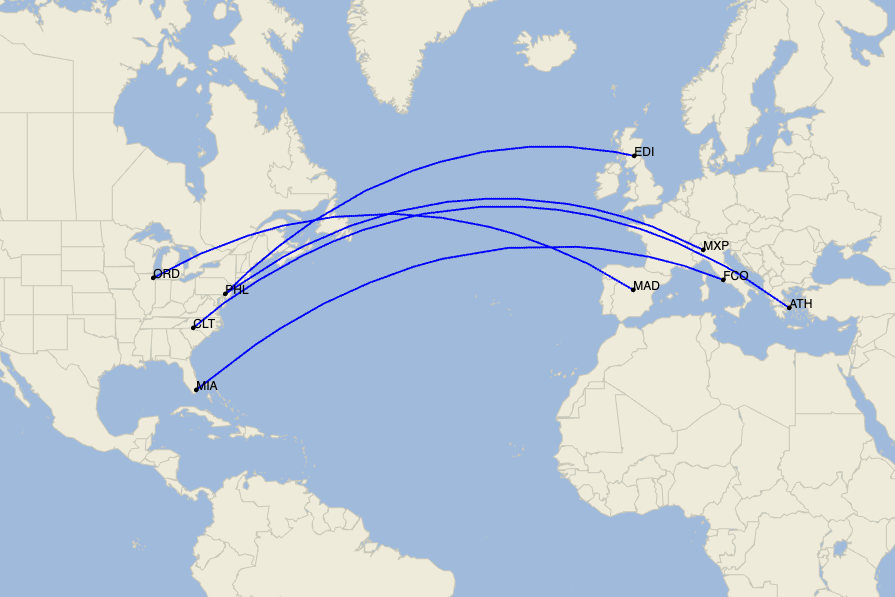
At the heart of American Airlines’ European brand strategy are its primary gateway cities. These are not arbitrary selections but strategic strongholds chosen for their direct market appeal, connectivity potential, and ability to serve as launchpads for onward travel within Europe. Cities like London (Heathrow), Paris (Charles de Gaulle), Frankfurt, Madrid, Dublin, Rome, and Amsterdam represent the foundational pillars of American’s transatlantic network.
London Heathrow, in particular, stands out as a cornerstone. As one of the world’s busiest international airports and a crucial hub for the Oneworld alliance partner British Airways, it provides American Airlines with unparalleled access to the UK market and seamless connections throughout Europe, Asia, and Africa. This extensive joint venture, often marketed as the “Atlantic Joint Business,” is a powerful brand synergy, allowing American Airlines to present a united front with British Airways, Iberia, and Finnair, offering customers a broader array of destinations and a more cohesive travel experience under a shared, trusted brand umbrella. The ability to offer codeshare flights and a harmonized loyalty program (AAdvantage/Executive Club) significantly enhances the brand’s value proposition for frequent transatlantic travelers.
Paris Charles de Gaulle and Frankfurt are equally vital, serving as critical entry points into continental Europe’s largest economies, France and Germany, respectively. These routes cater heavily to business travelers, for whom reliability and direct access to major financial and industrial centers are paramount. The brand’s presence in these cities signals its commitment to facilitating global commerce, thereby reinforcing its professional and business-friendly image. Madrid, through its partnership with Iberia, and Rome, Amsterdam, and Dublin further diversify American’s reach, tapping into significant tourist markets and growing economic regions, each contributing to a multifaceted and robust brand identity that serves a wide spectrum of travelers.
Expanding Reach Through Partnerships and Alliances
While direct flights to major European cities form the backbone of American Airlines’ offering, its brand’s true reach is amplified exponentially through its strategic partnerships, most notably within the Oneworld alliance. This alliance is not just a commercial agreement; it is a critical extension of the American Airlines brand, allowing it to offer a virtual network far exceeding its own metal flights.
Partnerships with British Airways, Iberia, Finnair, and other Oneworld members mean that the American Airlines brand, through codeshares and interline agreements, effectively ‘flies’ to hundreds of additional European destinations. A customer booking with American Airlines might fly AA across the Atlantic, then seamlessly connect onto a British Airways or Iberia flight to a secondary European city like Manchester, Edinburgh, Florence, or Seville. This seamless connectivity underpins a core brand promise: comprehensive global access and simplified travel planning.
From a brand perspective, these alliances deliver immense value. They allow American Airlines to compete effectively with other major global alliances (Star Alliance, SkyTeam) by offering a comparable breadth of destinations and a consistent premium experience, even when operating with partner airlines. This shared ecosystem reinforces a perception of global ubiquity and service excellence, extending American’s brand values – reliability, reach, and customer focus – across a broader operational footprint. The co-branding and joint marketing efforts associated with these alliances further cement American Airlines’ position as a globally connected and formidable player, leveraging partner strengths to bolster its own brand equity without the prohibitive costs of expanding its direct operational footprint to every single European airport.
The Brand Imperative: Why Europe Matters to American Airlines
Europe’s strategic importance to American Airlines’ brand cannot be overstated. It’s not merely a market; it’s a critical arena where the brand’s global standing, competitive prowess, and core values are continually tested and affirmed.
Global Brand Recognition and Prestige
For any major global airline, a robust transatlantic presence is synonymous with prestige and gravitas. Flying to Europe’s iconic capitals and business centers elevates American Airlines beyond a domestic carrier to a truly global brand. This connectivity signals a capacity for complex international operations, adherence to diverse regulatory standards, and an ability to cater to a sophisticated international clientele. The very act of operating regular flights across the Atlantic projects an image of stability, reliability, and an unwavering commitment to connecting the world’s most significant economic and cultural regions. This perception contributes significantly to American Airlines’ corporate identity and reinforces its position among the elite tier of global airlines, distinguishing it from regional or purely domestic competitors.
The visual representation of American Airlines aircraft at major European gateways alongside other world-class carriers subtly reinforces its standing. It’s a continuous, visible assertion of its global reach and operational excellence, which, over time, builds enduring brand recognition and respect among a diverse international audience.
Competitive Edge and Market Share
The transatlantic market is among the most lucrative and competitive aviation sectors globally. To maintain a leading position, American Airlines must not only offer compelling routes but also differentiate its brand through superior service, competitive pricing, and a strong value proposition. Its European network is central to this competitive strategy. By offering a comprehensive suite of routes to primary and secondary European cities, often in conjunction with its Oneworld partners, American Airlines effectively captures a significant share of both business and leisure travel between North America and Europe.
This strategy allows American to compete head-on with European legacy carriers like Lufthansa, Air France-KLM, and British Airways, as well as its major U.S. competitors, Delta and United. The breadth and depth of its European offerings become a key selling point, allowing the brand to appeal to a wider demographic of travelers seeking flexibility, choice, and convenience. The consistent promotion of these routes, highlighting the ease of connections and the quality of the onboard experience, is a vital marketing effort that bolsters the brand’s competitive stance and helps secure its market share against formidable rivals.
Catering to Diverse Customer Segments
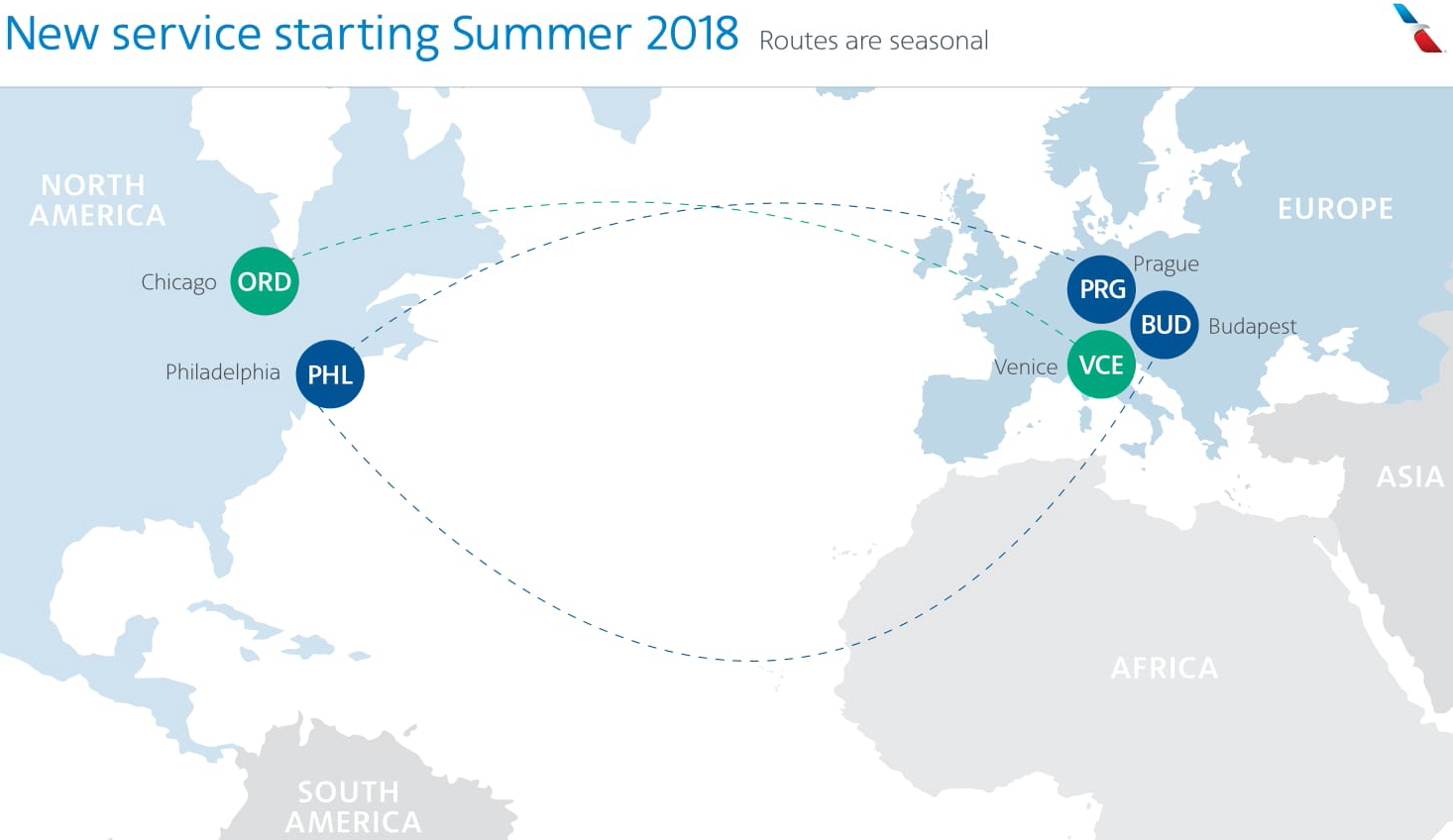
The European market allows American Airlines to cater to a highly diverse array of customer segments, each with unique needs and expectations, thereby broadening its brand appeal.
Business Travelers: For corporate clients and frequent business flyers, American Airlines’ direct routes to financial centers like London, Frankfurt, and Paris are non-negotiable. The brand strives to meet their demands for punctuality, premium cabin services (Flagship Business, Flagship First), robust loyalty programs (AAdvantage status benefits), and seamless connectivity. By consistently delivering on these expectations, American Airlines cultivates a reputation as a reliable and preferred partner for corporate travel, reinforcing its brand as a facilitator of global commerce.
Leisure Travelers: The brand’s presence in popular tourist destinations such as Rome, Barcelona (via Madrid connections), Dublin, and Amsterdam appeals to the vast leisure market. These routes are marketed with an emphasis on discovery, cultural experiences, and memorable journeys. The brand aims to create an inviting and comfortable experience, from booking through arrival, resonating with vacationers seeking convenience and value. The ability to leverage Oneworld partners for diverse leisure destinations further enhances this appeal, positioning American as a gateway to broader European exploration.
Connecting Traffic: A significant portion of American’s European traffic involves passengers connecting to or from other parts of the U.S. or further afield. By operating a robust transatlantic schedule, American Airlines positions itself as a crucial node in a global travel network. The brand’s ability to offer competitive itineraries and seamless transfers enhances its overall utility and attracts passengers who prioritize efficiency and a single airline/alliance experience for their complex international journeys. This multi-segment appeal demonstrates the brand’s versatility and its ability to serve a wide range of travel motivations.
Navigating the European Landscape: Challenges and Opportunities for the Brand
Operating in Europe presents American Airlines with both significant opportunities for brand growth and unique challenges that require agile strategic responses.
Regulatory Frameworks and Slot Allocations
The European aviation market is highly regulated, with complex rules governing everything from environmental standards to competition and consumer rights. Navigating these regulatory frameworks requires significant investment and strategic foresight, impacting American’s brand image as a responsible and compliant global operator. Airport slot allocations, particularly at highly congested hubs like London Heathrow, are incredibly valuable and fiercely guarded. Securing and maintaining these slots is crucial for American Airlines to preserve its brand’s market access and competitive frequency. Any perceived failure to comply with regulations or a loss of valuable slots could negatively impact the brand’s reliability and customer trust. The brand must continuously demonstrate its commitment to sustainable practices and fair competition to maintain its license to operate and its reputation in these critical markets.
Competition from European and Low-Cost Carriers
The European skies are crowded, not only with legacy carriers from major European nations but also with a burgeoning number of low-cost carriers (LCCs) and ultra-low-cost carriers (ULCCs). This intense competition requires American Airlines to constantly refine its brand differentiation. Against European flag carriers, American often emphasizes its extensive North American network, its specific premium offerings, and the comprehensive nature of the Oneworld alliance. Against LCCs that primarily compete on price, American Airlines leverages its full-service model, including checked baggage, meal service, in-flight entertainment, and loyalty programs, positioning its brand as offering superior value and a more comfortable, reliable experience, particularly for longer transatlantic journeys and for business travelers. The brand must clearly articulate its value proposition, highlighting what makes it distinct and preferable to alternatives that might offer a lower fare but a stripped-down service.
Adapting to Evolving Travel Trends
The global travel landscape is constantly evolving, driven by new technologies, changing consumer preferences, and increasing awareness of global issues like sustainability. American Airlines’ brand must demonstrate adaptability and foresight to remain relevant and attractive. This includes investing in modern aircraft with enhanced passenger comfort and fuel efficiency (e.g., Boeing 787s, Airbus A321XLRs for potential future routes), which contributes to a greener, more modern brand image. It also means enhancing the digital experience, from user-friendly booking apps and seamless check-in processes to personalized in-flight entertainment, all of which are crucial brand touchpoints in the modern era. The brand’s ability to engage with customers through digital channels and provide a consistent, high-quality experience across all digital interactions is vital for maintaining loyalty and attracting new generations of travelers. Furthermore, increasing consumer demand for sustainable travel practices presents both a challenge and an opportunity for American Airlines to enhance its brand through transparent environmental initiatives and corporate social responsibility efforts, positioning itself as a forward-thinking and responsible global citizen.
The Future of American Airlines’ European Brand Presence
Looking ahead, American Airlines’ European brand strategy will continue to evolve, driven by ongoing investments in its fleet, digital infrastructure, and a deepening commitment to sustainability.
Strategic Investments and Fleet Modernization
The future success of American Airlines’ brand in Europe is intrinsically linked to its continued investment in a modern, efficient, and customer-friendly fleet. The deployment of new-generation aircraft not only improves operational efficiency and reduces environmental impact, aligning with growing sustainability expectations, but also significantly enhances the passenger experience. Newer aircraft often feature more comfortable seating, improved in-flight entertainment systems, and enhanced connectivity, which directly contributes to a positive brand perception. By continually upgrading its fleet, American Airlines reinforces its brand promise of offering a contemporary, premium, and comfortable transatlantic journey, staying ahead of competitors and meeting the evolving demands of discerning international travelers. These investments are clear statements of the brand’s long-term commitment to the European market and its customers.
Digital Brand Engagement and Customer Loyalty
In an increasingly digital world, the strength of American Airlines’ brand in Europe will rely heavily on its ability to leverage technology to enhance customer engagement and foster loyalty. This includes sophisticated mobile apps that offer seamless booking, check-in, and real-time flight information, personalized communication, and integrated loyalty program experiences (AAdvantage). The brand must also invest in robust data analytics to understand customer preferences better and tailor offerings, whether it’s special promotions for specific European destinations or personalized in-flight amenities. A frictionless digital journey, from inspiration to arrival, is paramount for reinforcing a brand that is perceived as modern, customer-centric, and efficient. Social media presence and rapid response to customer feedback online also play a critical role in shaping public perception and managing the brand’s reputation in real-time across diverse European markets.
Sustainability Initiatives and Corporate Responsibility
As environmental concerns grow and influence consumer choices, American Airlines’ commitment to sustainability will become an increasingly vital component of its brand identity in Europe. European consumers and regulators are often at the forefront of demanding environmentally responsible corporate behavior. The brand’s ability to communicate its efforts in areas such as sustainable aviation fuel (SAF) adoption, carbon offsetting programs, and waste reduction will be crucial. Positioning itself as a leader in sustainable aviation not only helps meet regulatory requirements but also resonates deeply with environmentally conscious travelers, potentially differentiating American Airlines from competitors. A transparent and proactive approach to corporate social responsibility, demonstrating a commitment beyond profit to people and the planet, will enhance brand trust, appeal, and long-term viability in the European market and globally.
In conclusion, American Airlines’ European network is a cornerstone of its global brand strategy. Each flight, each partnership, and every operational decision in this region contributes to a multifaceted brand identity that speaks to reliability, global reach, customer focus, and competitive prowess. By strategically connecting key European gateways and leveraging robust alliances, American Airlines not only provides essential air travel services but also continuously reinforces its position as a leading, trusted, and forward-thinking global aviation brand. The ongoing evolution of its European strategy will continue to shape its corporate identity, ensuring its relevance and leadership in the dynamic world of international travel.
aViewFromTheCave is a participant in the Amazon Services LLC Associates Program, an affiliate advertising program designed to provide a means for sites to earn advertising fees by advertising and linking to Amazon.com. Amazon, the Amazon logo, AmazonSupply, and the AmazonSupply logo are trademarks of Amazon.com, Inc. or its affiliates. As an Amazon Associate we earn affiliate commissions from qualifying purchases.