
The question “what is cryptocurrency backed by?” is fundamental to understanding its nature, value, and potential as an investment. Unlike traditional currencies or assets, cryptocurrency doesn’t fit neatly into conventional financial frameworks. It isn’t backed by a government’s full faith and credit, a physical commodity like gold, or the assets of a central bank. Instead, its backing is a complex, multi-faceted construct rooted in technology, economics, and collective belief. For investors and financial enthusiasts, grasping these underlying pillars is crucial to navigating the evolving landscape of digital finance.
The Foundational Pillars: Decentralization and Scarcity
At the heart of cryptocurrency’s value proposition lie two revolutionary concepts: decentralization and programmatic scarcity. These principles fundamentally differentiate digital assets from their traditional counterparts, creating a new paradigm for how value is generated and sustained in the digital realm.
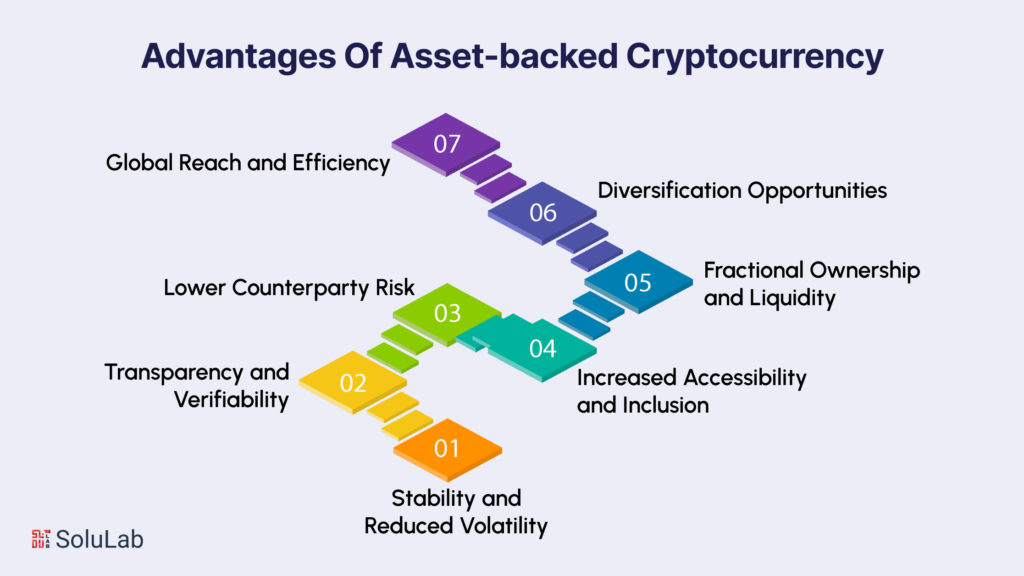
Decentralization as a Source of Trust
In traditional financial systems, trust is centralized. We trust banks to secure our deposits, governments to manage their fiat currencies, and regulatory bodies to ensure fair markets. These entities serve as the “backers” by providing guarantees and oversight. Cryptocurrency, exemplified by Bitcoin, flips this model on its head through decentralization.
A decentralized network means there is no single point of control or failure. Instead, thousands of independent computers (nodes) around the world maintain a shared, immutable ledger known as a blockchain. Every transaction is verified by this distributed network, rather than a central authority, making it incredibly resistant to censorship, fraud, and manipulation. The value here is derived from collective trust in the system’s integrity, rather than trust in a singular guarantor. Participants trust the cryptographic security, the consensus mechanisms (like Proof-of-Work or Proof-of-Stake), and the transparency of the public ledger. This distributed trust model eliminates the need for intermediaries, thereby reducing costs and increasing efficiency in many financial operations. The sheer number of participants securing the network, all operating under the same set of cryptographic rules, imbues the cryptocurrency with a form of “backing” through shared, verifiable truth.
Programmatic Scarcity and Economic Models
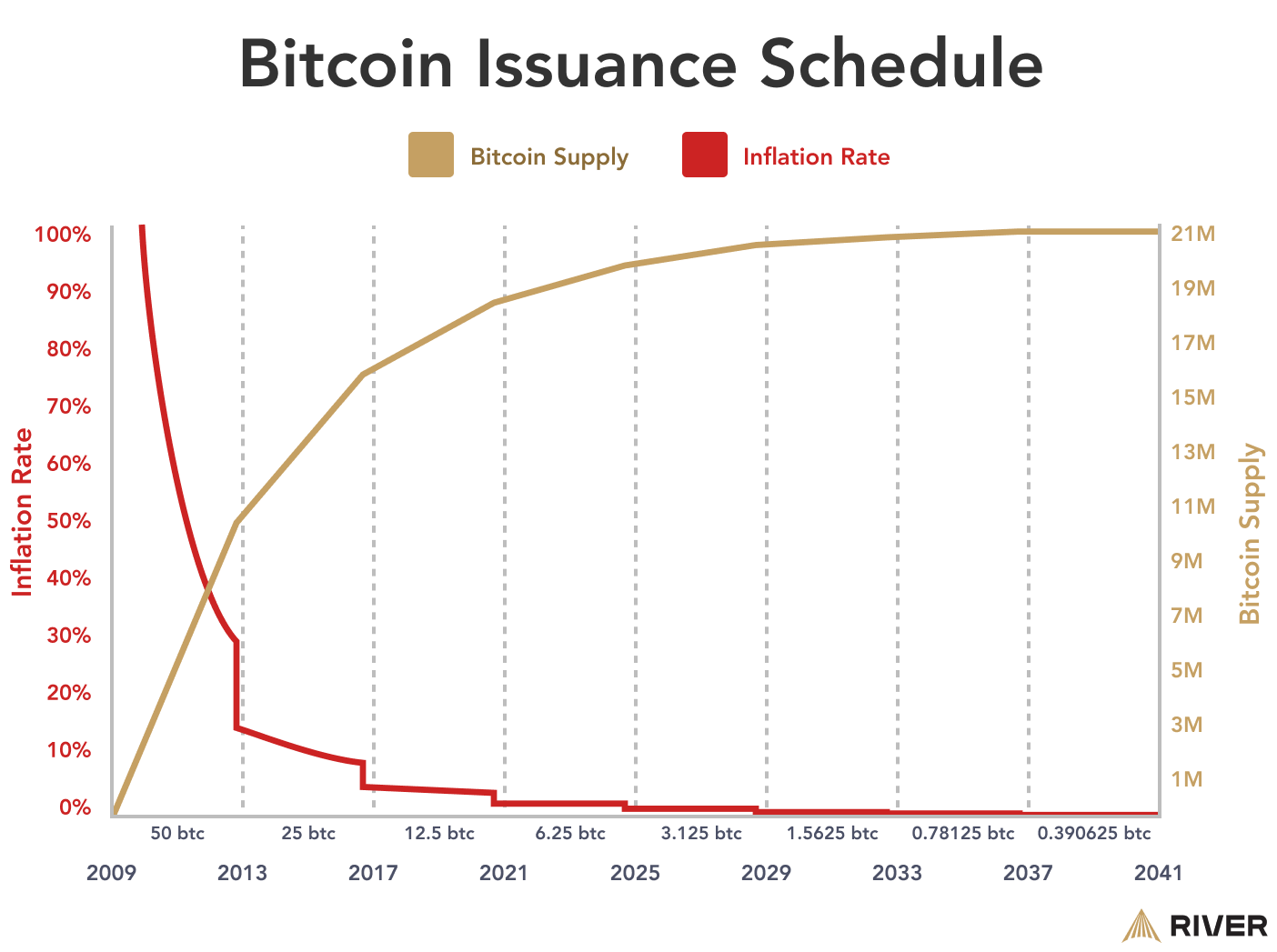
One of the most compelling aspects of many cryptocurrencies, especially Bitcoin, is their inherent scarcity. Unlike fiat currencies, which can be printed indefinitely by central banks, the supply of cryptocurrencies like Bitcoin is algorithmically predetermined and strictly limited. Bitcoin, for instance, has a hard cap of 21 million coins. This scarcity is programmed into its code, making it an unalterable feature of the network.
This programmatic scarcity draws parallels to precious metals like gold. Just as gold’s value is partly derived from its finite supply and the cost of extraction, Bitcoin’s value is influenced by its predictable and diminishing rate of new issuance (through “halving” events that cut miner rewards) and its ultimate supply cap. This predictability stands in stark contrast to the inflationary potential of fiat currencies, whose supply can be expanded at will by monetary authorities, potentially eroding purchasing power. For investors, this predictable scarcity offers a hedge against inflation and a potential store of value, particularly in an era of aggressive quantitative easing by central banks. Other cryptocurrencies implement different scarcity models, such as token burns (permanently removing tokens from circulation) or staking mechanisms that lock up supply, all contributing to an economic model designed to support or increase value over time through controlled supply.
The Role of Utility and Network Effects
While decentralization and scarcity provide the foundational layers, the real-world utility and the strength of the network effects are critical determinants of a cryptocurrency’s enduring value and financial viability. An asset that is merely scarce but serves no purpose is unlikely to maintain significant value.
Transactional Utility and Payment Systems
The most straightforward utility of cryptocurrency is its function as a medium of exchange. Bitcoin’s original premise was to be “peer-to-peer electronic cash.” For many cryptocurrencies, the ability to facilitate fast, secure, and often cheaper transactions, particularly across international borders, provides a tangible form of backing. Remittances, for example, can be processed more efficiently and at lower costs using cryptocurrencies compared to traditional banking channels. Businesses might use specific cryptocurrencies to facilitate micro-transactions or to interact with supply chain systems that benefit from blockchain’s transparency. The more widely a cryptocurrency is accepted for goods and services, the more its transactional utility reinforces its value. This adoption creates a practical demand, cementing its financial use case beyond pure speculation.
Smart Contracts and Decentralized Applications (dApps)
The evolution of cryptocurrency goes far beyond simple payments. Platforms like Ethereum introduced “smart contracts” – self-executing contracts with the terms of the agreement directly written into code. This innovation unlocked a vast array of new utilities and applications, giving rise to decentralized finance (DeFi), non-fungible tokens (NFTs), and decentralized autonomous organizations (DAOs).
- DeFi: DeFi protocols allow users to lend, borrow, trade, and earn interest on their crypto assets without traditional financial intermediaries. The native tokens of these platforms (e.g., ETH for Ethereum, UNI for Uniswap) are essential for paying transaction fees (gas), participating in governance, or serving as collateral. The economic activity within these DeFi ecosystems directly generates demand and utility for the underlying cryptocurrencies.
- NFTs: NFTs represent unique digital assets (art, collectibles, music, virtual real estate) whose ownership is recorded on a blockchain. While the NFT itself is the unique item, the underlying cryptocurrency (often Ethereum) is required to mint, buy, and sell these tokens, creating significant economic activity and driving demand for the base layer token.
- DAOs: These are organizations governed by code and community members rather than a centralized authority. Governance tokens often grant voting rights and stakes in the protocol’s future, creating a utility for active participation and shared ownership.
These complex ecosystems generate immense economic value and underscore that the backing of many cryptocurrencies is tied to the utility of the platforms they enable. The more robust and widely adopted these decentralized applications become, the stronger the financial underpinning for their respective cryptocurrencies.
Governance and Staking
Many modern cryptocurrencies, particularly those operating on Proof-of-Stake (PoS) consensus mechanisms, derive significant value from their role in network security and governance. In PoS, holders of the cryptocurrency can “stake” their tokens – locking them up in a smart contract – to validate transactions and secure the network. In return, they earn rewards, akin to earning interest. This act of staking reduces the circulating supply, creates demand for the token, and provides a clear financial incentive for participation.
Furthermore, many projects grant governance rights to token holders, allowing them to vote on key protocol upgrades, treasury management, and other significant decisions. This participatory element means that owning the cryptocurrency provides a stake in the future direction and success of the project, akin to owning shares in a company. The ability to influence a decentralized network’s future or earn passive income through staking provides a direct utility and a strong form of “backing” for investors focused on long-term value and yield generation.

Market Dynamics and Perceived Value
Beyond the technical and utility-driven aspects, the market itself plays a crucial role in determining what cryptocurrency is “backed by” in terms of its current price and perceived financial worth. Like any asset, its value is ultimately shaped by the interplay of supply, demand, and investor sentiment.
Supply and Demand Fundamentals
The basic economic principles of supply and demand are highly applicable to cryptocurrency markets.
- Demand is driven by a multitude of factors: increasing adoption by individuals and institutions, integration into new financial products, a growing understanding of its utility, macroeconomic conditions (e.g., inflation fears driving interest in “digital gold”), and speculative interest. New developments in a protocol, a partnership, or even celebrity endorsement can significantly spike demand.
- Supply is generally more predictable, thanks to programmatic issuance schedules (e.g., Bitcoin’s halving), but can also be influenced by factors like locked-up tokens in staking or DeFi protocols, or token burn mechanisms designed to reduce circulating supply. The dynamic tension between these forces, often playing out on global cryptocurrency exchanges, is what ultimately determines the market price, which is the most visible manifestation of its perceived financial backing.
Investor Confidence and Speculation
A significant portion of cryptocurrency’s market value is “backed” by investor confidence and, undeniably, speculation. The narrative surrounding a cryptocurrency – its potential to disrupt industries, its technological superiority, or its community ethos – can powerfully influence investor sentiment. As more people believe in a project’s future success, demand increases, driving up prices. This collective belief, sometimes referred to as a “network effect of trust,” is a powerful, albeit often volatile, form of backing.
However, this also means that market movements can be heavily influenced by speculation, news events, regulatory changes, and even social media trends. The high volatility characteristic of crypto markets is a testament to the strong role of sentiment and speculation in price discovery. While this can lead to rapid gains, it also exposes investors to significant risks, highlighting that this form of backing is less about tangible assets and more about collective human psychology and forward-looking expectations.
Liquidity and Market Capitalization
The liquidity of a cryptocurrency—how easily and quickly it can be bought or sold without significantly affecting its price—is another practical aspect of its market backing. High liquidity indicates a healthy, active market with many buyers and sellers, making it easier for investors to enter or exit positions. Low liquidity can lead to significant price slippage, making it a less attractive and more volatile investment.
Market capitalization (current price multiplied by circulating supply) serves as a broad indicator of a cryptocurrency’s overall market value and, by extension, the aggregate confidence and capital invested in it. Large-cap cryptocurrencies like Bitcoin and Ethereum possess vast market capitalization, indicating a broader base of adoption, liquidity, and perceived financial stability compared to smaller, lesser-known projects. This “size” and market depth provide a certain level of financial backing, as they represent the collective investment of millions of participants.
Regulatory Landscape and Future Outlook
The evolving regulatory landscape and future technological advancements will continue to reshape what cryptocurrency is backed by, particularly from a financial and legal perspective. Clarity and oversight can significantly enhance investor confidence and mainstream adoption.
The Impact of Regulation on Backing
Regulatory frameworks, or the lack thereof, profoundly impact how cryptocurrencies are perceived and valued. When governments provide clear guidelines, it can legitimize cryptocurrencies as a recognized asset class, encouraging institutional investment and wider adoption. For example, the emergence of stablecoins provides a direct illustration of traditional backing within the crypto space. Fiat-backed stablecoins (like USDT or USDC) are designed to maintain a 1:1 peg with a fiat currency (e.g., the US dollar) by holding equivalent reserves in bank accounts or short-term treasuries. In this specific case, the cryptocurrency is backed by traditional assets, offering a bridge between the decentralized world and conventional finance. Other stablecoins are backed by baskets of cryptocurrencies or employ algorithmic mechanisms to maintain their peg, each with varying degrees of risk and stability.
As regulators worldwide grapple with how to categorize and oversee digital assets, their decisions will inevitably influence which cryptocurrencies thrive, how they are integrated into the global financial system, and what specific forms of backing become standard or required. Regulatory clarity can foster stability, attract more capital, and reduce systemic risks, thereby strengthening the financial credibility and perceived backing of compliant assets.
Evolution of Value Propositions
The cryptocurrency space is characterized by relentless innovation. What constitutes “backing” today may evolve as the technology matures and new use cases emerge. For instance, the rise of Central Bank Digital Currencies (CBDCs) represents a future where national currencies could exist on a blockchain, bringing government backing directly into the digital realm, albeit in a centralized form. This contrasts with the decentralized backing of projects like Bitcoin.
The ongoing debate about whether cryptocurrencies will primarily serve as a store of value (like digital gold), a medium of exchange, or a platform for decentralized applications will continue to shape their future value propositions. As blockchain technology becomes more integrated into various industries—from supply chain management to healthcare—the utility derived from these real-world applications will increasingly contribute to the financial backing of the associated tokens. The potential for further technological breakthroughs and widespread societal adoption means that the multifaceted nature of cryptocurrency’s backing will only become more sophisticated and intertwined with global economic activity.
Conclusion
In summary, cryptocurrency is not “backed” in the traditional sense of a government guarantee or a physical commodity. Instead, its value is an intricate mosaic supported by several interconnected pillars. It is backed by the revolutionary power of decentralization, fostering trust through distributed networks and cryptographic security. It is backed by programmatic scarcity, echoing the immutable supply dynamics of precious metals. It is backed by its diverse utility, ranging from transactional efficiency to powering complex decentralized applications and governance systems. Finally, its perceived value is shaped by market dynamics, investor confidence, and the evolving regulatory environment.
For anyone engaging with cryptocurrency from a financial perspective, understanding this multi-layered backing is paramount. It highlights that the “backing” is not singular but a dynamic interplay of technological innovation, economic principles, community consensus, and market forces. This unique blend presents both significant opportunities and distinct risks, requiring a nuanced understanding to navigate effectively in the burgeoning world of digital finance.
aViewFromTheCave is a participant in the Amazon Services LLC Associates Program, an affiliate advertising program designed to provide a means for sites to earn advertising fees by advertising and linking to Amazon.com. Amazon, the Amazon logo, AmazonSupply, and the AmazonSupply logo are trademarks of Amazon.com, Inc. or its affiliates. As an Amazon Associate we earn affiliate commissions from qualifying purchases.