
For the modern investor, the question “What time does the market close today?” is often the first step in a larger strategic dance. Whether you are a day trader looking to capitalize on late-day volatility or a long-term investor checking the health of your portfolio, understanding the temporal boundaries of the financial world is essential. While the short answer for major U.S. exchanges is 4:00 PM Eastern Time (ET), the reality of global finance is far more nuanced, encompassing pre-market sessions, after-hours trading, and international time zone overlaps.
In this guide, we will explore the intricate scheduling of the financial markets, the significance of the closing bell, and how market timing influences investment strategies within the “Money” niche.
Standard Trading Hours: The Pulse of Wall Street
The heartbeat of the global economy is largely synchronized with the operating hours of the two largest exchanges in the world: the New York Stock Exchange (NYSE) and the NASDAQ. For these giants, the “regular” trading session follows a strict schedule that has remained largely unchanged for decades.
The NYSE and NASDAQ Schedule
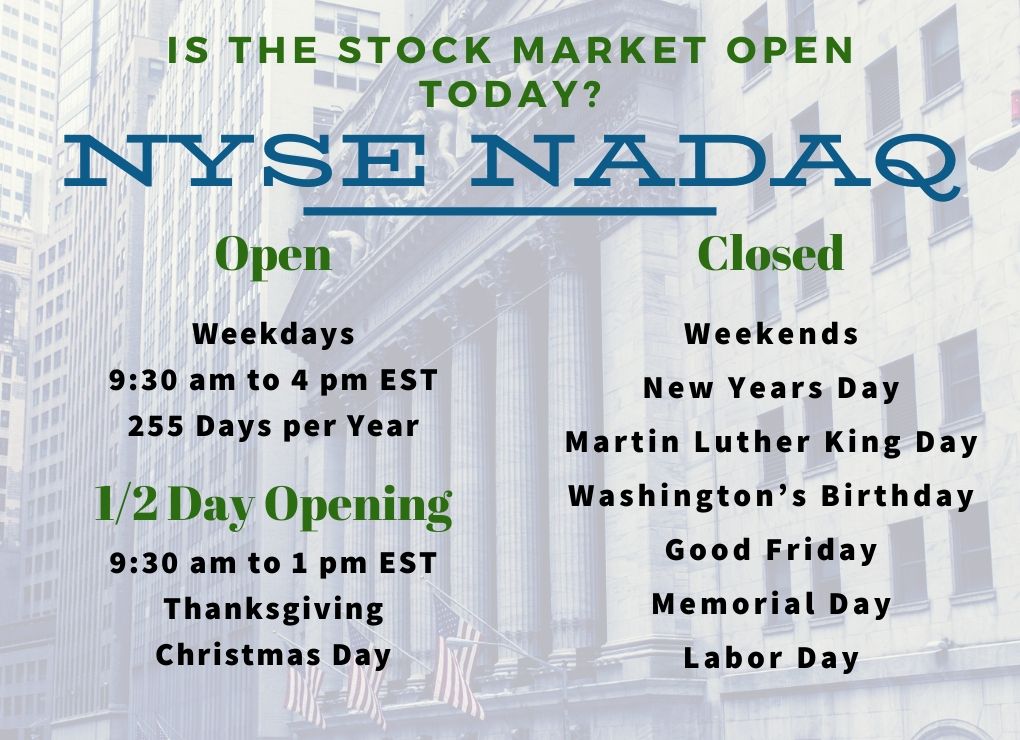
The standard trading hours for the NYSE and NASDAQ are Monday through Friday, from 9:30 AM to 4:00 PM ET. This six-and-a-half-hour window represents the peak of liquidity and volume in the American equity markets. During these hours, retail investors, institutional giants, and high-frequency trading algorithms interact to determine the fair market value of thousands of publicly traded companies.
It is important to note that the market does not observe a “lunch break.” Unlike some international exchanges—such as the Tokyo Stock Exchange, which halts trading for an hour at midday—U.S. markets remain open and active throughout the entire session. However, volume often dips during the “midday lull” (typically between 12:00 PM and 2:00 PM ET) as traders step away, only to surge again as the closing bell approaches.
Understanding the “Closing Bell”
The 4:00 PM ET closing bell is more than just a ceremonial sound; it is a critical regulatory and technical milestone. At this exact moment, the “closing auction” takes place. This is a specialized process where the exchange matches buy and sell orders to determine the official closing price of a stock. This price is vital because it serves as the benchmark for mutual fund valuations, index calculations, and derivative settlements. For many institutional investors, the closing price is the only “true” price of the day.
Extended Hours Trading: Beyond the 9-to-5
While the “main” market closes at 4:00 PM, the digital nature of modern finance means that trading rarely truly stops. Electronic Communication Networks (ECNs) allow investors to trade outside of standard hours through what is known as Extended Hours Trading.
How After-Hours Trading Works
After-hours trading typically begins immediately at 4:00 PM ET and can run as late as 8:00 PM ET. Conversely, pre-market trading often starts as early as 4:00 AM ET, though it gains significant momentum around 8:00 AM ET.
These sessions allow investors to react to news that breaks outside of standard hours, such as quarterly earnings reports, geopolitical events, or unexpected economic data. If a company like Apple or Microsoft releases a disappointing earnings report at 4:05 PM, the stock price will begin moving immediately in the after-hours market, long before the next day’s 9:30 AM opening bell.
Risks and Rewards of Late-Day Trading
While extended hours offer flexibility, they come with significant risks that the average retail investor must consider:
- Lower Liquidity: There are far fewer participants in the after-hours market. This means it can be harder to buy or sell shares at your desired price.
- Higher Volatility: Because liquidity is low, even a relatively small trade can cause a massive swing in a stock’s price.
- Wider Spreads: The “bid-ask spread”—the difference between what a buyer is willing to pay and what a seller is asking—tends to widen significantly, increasing the cost of the trade.
For most individual investors, after-hours trading is best used sparingly, primarily for reacting to major news events that cannot wait until the following morning.
Market Holidays and Early Closures
If you are asking “What time does the market close today?” on a Friday before a long weekend or during a festive season, the answer might be different than usual. The U.S. stock market follows a specific calendar of federal holidays and early-closure days.

The Federal Holiday Calendar
The NYSE and NASDAQ are closed for several major holidays throughout the year. These typically include:
- New Year’s Day
- Martin Luther King Jr. Day
- Presidents’ Day
- Good Friday (though not a federal holiday, the markets traditionally close)
- Memorial Day
- Juneteenth National Independence Day
- Independence Day (July 4th)
- Labor Day
- Thanksgiving Day
- Christmas Day
When these holidays fall on a weekend, the market usually closes on the preceding Friday or the following Monday in observance.
Early Close Days: Black Friday and Christmas Eve
There are specific instances where the market opens at its usual 9:30 AM ET but closes early, typically at 1:00 PM ET. The most notable examples are the day after Thanksgiving (Black Friday) and Christmas Eve (if it falls on a weekday). These abbreviated sessions often see very low trading volume, as many professional traders take the day off, leading to “thin” markets where prices can be surprisingly erratic.
International Market Hours: Navigating Global Time Zones
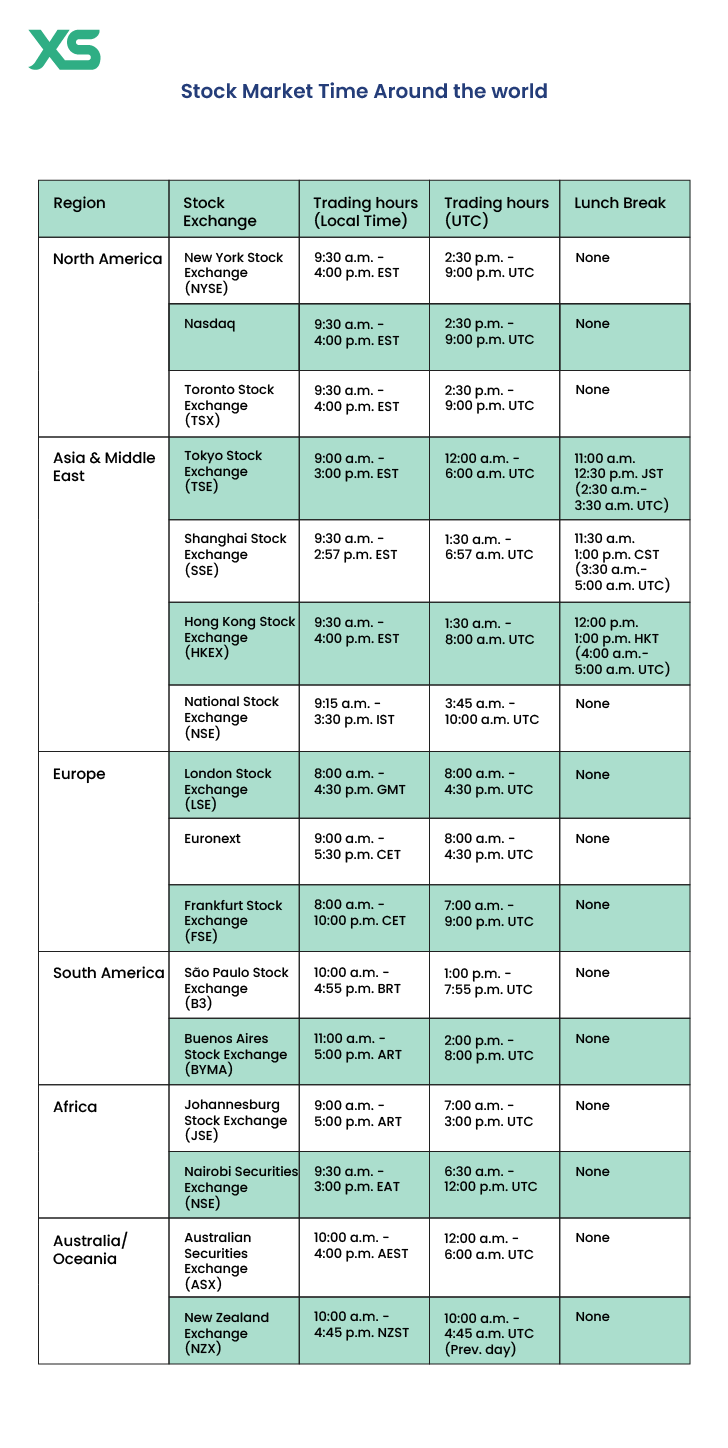
In an interconnected global economy, the U.S. market is just one piece of the puzzle. If you are interested in diversification or trading international stocks, you must synchronize your clock with London, Tokyo, and Hong Kong.
The European and Asian Markets
The London Stock Exchange (LSE), a cornerstone of European finance, generally operates from 8:00 AM to 4:30 PM GMT. For a trader in New York, this means the London market is already open while they are sleeping and closes just as the U.S. market is reaching its midday point.
In Asia, the Tokyo Stock Exchange (TSE) operates from 9:00 AM to 3:00 PM local time, with a lunch break from 11:30 AM to 12:30 PM. Due to the time difference, the Asian markets represent the “start” of the global trading day, often setting the tone for how European and American markets will open hours later.
The Concept of the “Golden Hour” in Global Finance
One of the most important periods for institutional “Money” managers is the overlap between the London and New York markets (typically between 8:00 AM and 11:30 AM ET). This is often referred to as the period of peak global liquidity. During this window, the world’s two largest financial hubs are trading simultaneously, leading to high volume and the most efficient price discovery of the day.
Strategic Timing: Why the Closing Hour is Critical for Investors
For those focused on personal finance and wealth building, the final hour of trading—often called the “Power Hour”—is the most consequential part of the day. Understanding the dynamics of 3:00 PM to 4:00 PM ET can significantly impact your investment results.
The Closing Auction and Price Discovery
As mentioned earlier, the closing auction is where the “official” price is set. Many passive investment vehicles, such as S&P 500 index funds and ETFs, are required to execute their trades as close to the closing price as possible to minimize “tracking error.” This creates a massive surge of institutional buying and selling in the final minutes of the day. For a retail investor, this liquidity is a double-edged sword: it ensures you can move in or out of a position easily, but it also means you are competing with the world’s most sophisticated algorithms.
Smart Money vs. Dumb Money: Timing Your Entries
In the world of professional trading, there is a common adage: “Amateurs open the market, professionals close it.” The volatility seen at 9:30 AM is often driven by retail orders that accumulated overnight or emotional reactions to the morning news. Conversely, the moves made in the final hour of trading are often attributed to “Smart Money”—institutional investors who have spent the day analyzing data and are now positioning themselves for the following day.
If you are a long-term investor, the specific minute you trade may not matter. However, if you are looking to optimize your entry and exit points, paying attention to the closing trend can provide insights into the market’s “true” sentiment. A market that closes at its daily highs often suggests bullish momentum carrying into the next day, while a “sell-off” into the close can signal impending weakness.
Conclusion: Mastering the Clock
The question “What time does the market close today?” is the gateway to understanding the rhythm of global capital. While the 4:00 PM ET bell signals the end of the primary session for U.S. equities, the flow of money is a 24-hour cycle.
By understanding standard hours, the nuances of after-hours trading, the holiday calendar, and the strategic importance of the closing auction, you position yourself as a more informed and disciplined investor. In the realm of finance, time is not just a measurement—it is a variable that, when mastered, can be leveraged to protect capital and enhance returns. Whether the market is open or closed, the pursuit of financial literacy never hits a final bell.
aViewFromTheCave is a participant in the Amazon Services LLC Associates Program, an affiliate advertising program designed to provide a means for sites to earn advertising fees by advertising and linking to Amazon.com. Amazon, the Amazon logo, AmazonSupply, and the AmazonSupply logo are trademarks of Amazon.com, Inc. or its affiliates. As an Amazon Associate we earn affiliate commissions from qualifying purchases.