
Navigating the landscape of digital payments requires a clear understanding of the costs associated with various services, particularly when speed is a priority. Venmo, a ubiquitous peer-to-peer payment platform, offers the convenience of instant transfers, allowing users to move funds from their Venmo balance to a linked bank account or debit card almost immediately. However, this expedited service comes with a specific fee structure that is crucial for individuals and small businesses to comprehend for effective financial management.
Deconstructing Venmo’s Instant Transfer Mechanics
At its core, Venmo provides users with two primary options for transferring funds out of their account: the standard transfer and the instant transfer. The distinctions between these two methods are significant, not only in terms of processing time but also financial outlay.
The Standard Transfer vs. Instant Option
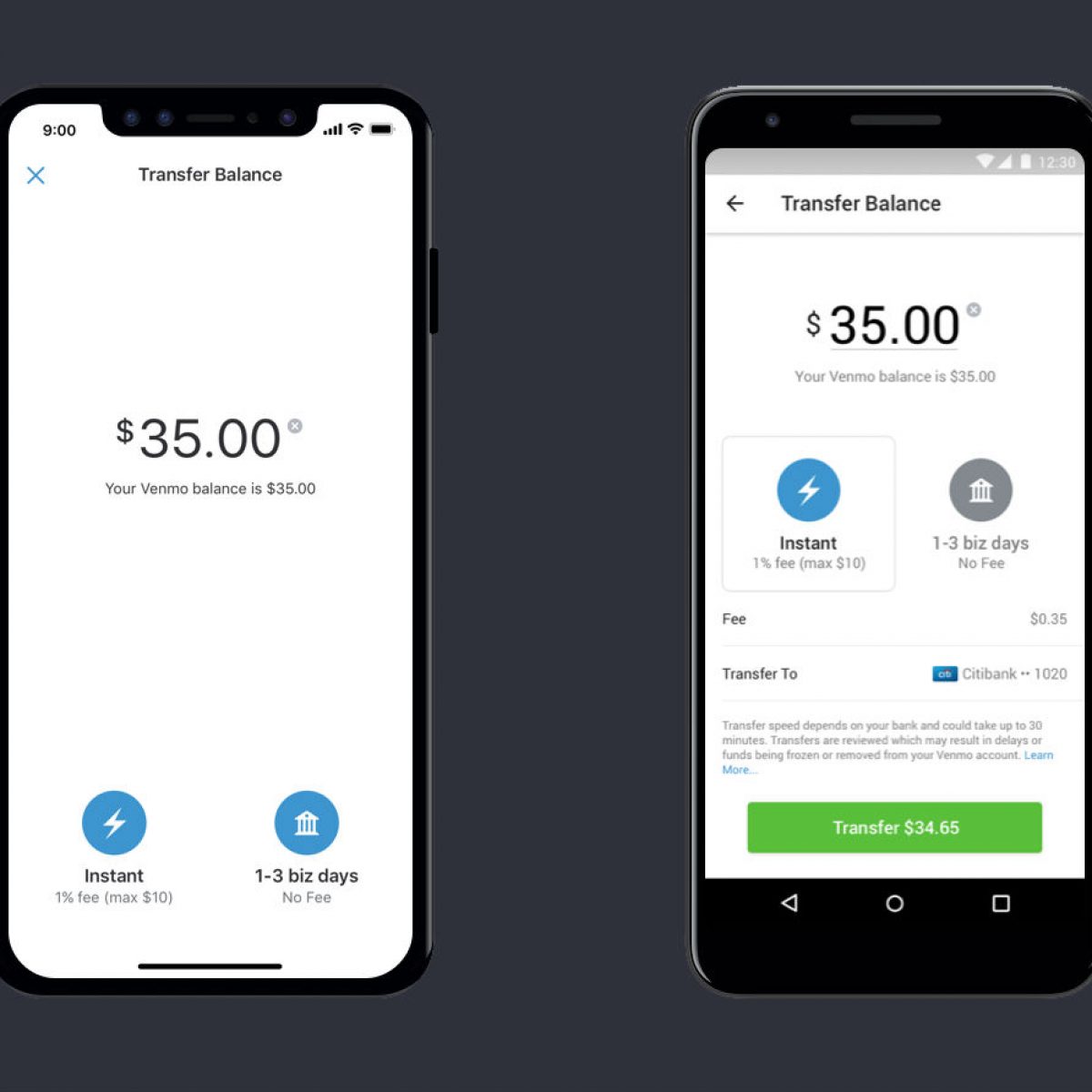
The standard transfer is Venmo’s default and most cost-effective method for moving money from your Venmo balance to your linked bank account. This service is entirely free of charge. The trade-off for this zero-fee option is time; funds typically arrive in your bank account within 1 to 3 business days. While generally reliable, this timeframe can vary depending on your bank’s processing procedures and federal holidays. For many users, especially those managing personal finances without immediate urgency, the standard transfer remains the preferred choice, safeguarding their funds from additional expenses.
In contrast, the instant transfer is a premium service designed for situations where immediate access to funds is paramount. Whether it’s an unexpected bill, a time-sensitive purchase, or managing urgent cash flow for a small business, the instant transfer facilitates the near-real-time movement of money. This speed, however, is not without cost, as Venmo levies a fee for this expedited service.
The Instant Transfer Fee Structure
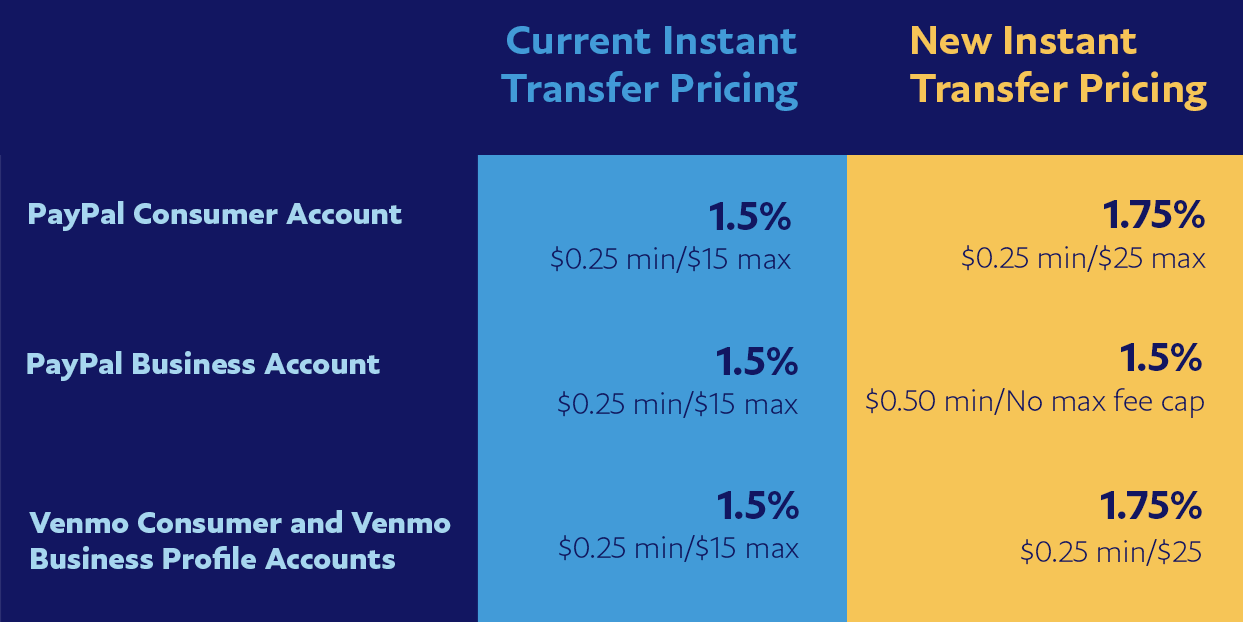
To provide instant access to funds, Venmo charges a specific percentage of the transferred amount. As of current policies, Venmo charges a fee of 1.75% for instant transfers. This percentage is applied directly to the total sum you wish to move from your Venmo balance to your linked debit card or bank account.
It’s important to note that this percentage fee is subject to minimum and maximum thresholds:
- Minimum Fee: There is a minimum charge of $0.25 for any instant transfer, ensuring that even very small transfers incur a baseline cost.
- Maximum Fee: Venmo caps the fee at $25. This means that regardless of how large the transfer amount, the fee will not exceed this maximum threshold. For instance, a transfer of $2,000 would incur a $35 fee at 1.75%, but because of the cap, the actual charge would only be $25. This cap is particularly beneficial for users moving larger sums, as it prevents the percentage fee from becoming prohibitively expensive.
For example, if you transfer $100 instantly, the fee would be $1.75 (1.75% of $100). If you transfer $500, the fee would be $8.75 (1.75% of $500). Understanding these calculations is essential for accurately forecasting the net amount received after an instant transfer.
Eligibility and Limits for Instant Transfers
To utilize Venmo’s instant transfer service, users must have a verified Venmo account. This typically involves linking and confirming a bank account or debit card, a standard security measure. The funds must also be available in your Venmo balance.
Additionally, Venmo imposes daily and weekly limits on instant transfers, which can vary based on account verification status and usage history. While specific limits are subject to change and personalized to some extent, users can generally expect cumulative limits on the total amount they can instantly transfer within a given timeframe. Being aware of these limits helps prevent unexpected delays or rejections when attempting to move substantial funds.
The Financial Rationale Behind Instant Transfer Fees
The practice of charging for expedited financial services is common across the banking and fintech industries. Venmo’s instant transfer fee reflects several underlying financial and operational considerations.
Why Financial Tools Charge for Speed
The core reason Venmo and similar platforms charge for instant transfers stems from the costs associated with real-time money movement. Traditional bank transfers, while free, leverage established batch processing systems that are less resource-intensive. Instant transfers, by contrast, require immediate processing through payment networks (like Visa Direct or Mastercard Send), which often charge a premium for their real-time capabilities.
Furthermore, platforms like Venmo bear the costs of liquidity management. To offer instant access to funds, they must ensure sufficient capital is readily available to cover outgoing transfers, often ahead of when incoming funds (from standard bank clearing processes) actually settle. This involves managing risk and potentially utilizing credit lines or other financial instruments, all of which incur costs. The instant transfer fee helps offset these operational expenses, allowing Venmo to provide a valuable service that bridges the gap between traditional banking speeds and consumer demand for immediacy.
Comparing Instant Transfer Fees Across Platforms
While Venmo’s 1.75% fee is competitive, it’s insightful to briefly consider how it stacks up against other digital payment platforms offering similar expedited services. PayPal, Venmo’s parent company, also charges a fee for instant transfers from a PayPal balance to a bank account or debit card, typically aligning closely with Venmo’s percentage. Cash App, another popular peer-to-peer service, similarly charges a percentage fee for instant deposits, often in the same range.
Other payment methods, such as Zelle, operate differently. Zelle facilitates direct bank-to-bank transfers, which are typically free and instant, assuming both sender and receiver banks participate directly in the Zelle network. This model bypasses the need for a separate platform balance, fundamentally altering the fee structure. However, Zelle’s functionality is limited to direct bank transfers, whereas Venmo and Cash App offer additional features and social components, making direct comparisons sometimes nuanced. The key takeaway for users is to assess which platform best meets their specific financial needs, weighing convenience, features, and associated costs.
Impact on Personal and Business Cash Flow
The availability of instant transfers profoundly impacts both personal and business cash flow management. For individuals, instant transfers can be a financial lifeline during emergencies. Whether it’s covering an unexpected car repair, paying a utility bill that’s due immediately, or accessing funds transferred from a friend for an urgent expense, the ability to instantly move money can prevent late fees, service interruptions, or more significant financial distress. The instant transfer fee, in these scenarios, is often viewed as a justifiable cost for peace of mind and financial flexibility.
For small businesses, freelancers, and gig economy workers, instant transfers can be critical for operational continuity. Receiving client payments into a Venmo business profile and then instantly transferring those funds can help cover immediate operational expenses like materials, software subscriptions, or payroll. This quick access to working capital can prevent cash flow bottlenecks, enabling businesses to seize opportunities or respond to urgent demands without delay. Businesses that rely heavily on instant payouts may factor these fees into their service pricing or financial planning to maintain profitability.
Strategies for Managing Venmo Instant Transfer Costs
While instant transfers offer undeniable convenience, prudent financial management involves strategies to minimize unnecessary fees and optimize fund access.
Minimizing Fees for Regular Users
For individuals who frequently use Venmo, several strategies can help reduce the impact of instant transfer fees:
- Prioritize Standard Transfers: Whenever possible, opt for the free standard transfer option. If you can anticipate expenses or plan fund movements a few days in advance, this is the most cost-effective approach.
- Plan Ahead for Expenses: Develop a habit of forecasting upcoming expenses and scheduling your fund transfers accordingly. This proactive approach eliminates the need for last-minute instant transfers driven by urgency.
- Utilize Venmo Balance for Purchases: If you have a Venmo Mastercard Debit Card or use Venmo for in-app or online purchases, consider spending directly from your Venmo balance. This avoids the need to transfer funds to your bank account, thus circumventing transfer fees entirely.
- Consolidate Transfers: For larger sums, if multiple smaller transfers are anticipated, it might be more cost-effective to consolidate them into a single larger instant transfer, benefiting from the $25 maximum fee cap.
Leveraging Venmo for Business Operations
Small businesses and independent contractors can integrate instant transfer fees into their financial planning:
- Incorporate Fees into Pricing: If your business model frequently involves receiving payments via Venmo and requiring instant access to those funds, consider slightly adjusting your service pricing to absorb or partially offset the instant transfer fees.
- Differentiate Urgent from Non-Urgent Funds: Establish clear internal guidelines for when instant transfers are truly necessary. For routine income or funds not immediately required, stick to standard transfers to save on costs.
- Track Fees as Business Expenses: For tax purposes, instant transfer fees are legitimate business expenses. Ensure accurate record-keeping to deduct these costs, effectively reducing your taxable income. Venmo Business Profiles can assist with better tracking and reporting.
Alternative Payout Methods
While Venmo is a powerful tool, it’s not the only solution for accessing funds. Exploring alternative payout methods can further optimize financial strategies:
- Direct Deposit for Payroll/Invoices: For regular income, direct deposit through traditional banking channels remains the most common and typically free method. For businesses, using invoicing platforms that integrate with bank transfers can also be a no-fee option.
- Other Financial Tools: Depending on your specific needs, other financial tools might offer more suitable or cost-effective solutions. For example, some banks offer their own instant payment services without fees, particularly for transfers between accounts at the same institution or participating networks.
- Patience as a Virtue: Sometimes, the most financially prudent choice is simply to wait. A slightly slower, free transfer method often represents a direct saving that, over time, can add up significantly.
Broader Implications for Financial Management in the Digital Age
The prevalence of instant transfer fees on platforms like Venmo highlights broader trends and considerations within modern financial management.
The “Cost of Convenience” in Modern Finance
The instant transfer fee is a clear example of the “cost of convenience” that has become a defining characteristic of the digital economy. Consumers and businesses increasingly demand immediate access to services and information, and financial services are no exception. While basic, slower services are often free, expedited options typically come with a premium. This trend is visible across various sectors, from same-day delivery services to expedited passport processing. Understanding and consciously evaluating this trade-off is fundamental to sound financial decision-making in the digital age.
Financial Literacy and Digital Payment Platforms
The existence of varied fee structures underscores the critical importance of financial literacy, particularly concerning digital payment platforms. Users should not assume all transfers are free or that fee structures are identical across services. Taking the time to read terms and conditions, understand fee schedules, and compare options before committing to a transaction empowers users to make informed choices that align with their financial goals. Transparency from platforms regarding these costs is equally vital in fostering trust and enabling educated decisions.

Future Trends in Digital Transfers
The landscape of digital payments is constantly evolving. Future trends may include:
- Competitive Pressure: As more players enter the fintech space, competitive pressure could lead to adjustments in instant transfer fees, potentially driving them down or introducing new tiered structures.
- Technological Advancements: Ongoing advancements in payment processing technologies, such as blockchain or further development of real-time payment networks, could eventually reduce the underlying costs for platforms, potentially leading to lower fees for consumers.
- Regulatory Changes: Government regulations pertaining to digital payments and consumer protection could also influence fee structures and transparency requirements.
Ultimately, Venmo’s instant transfer service provides invaluable flexibility, but its associated fee demands conscious consideration. By understanding the “why” behind these charges and implementing smart financial strategies, users can leverage the benefits of instant access while effectively managing their personal or business finances.
aViewFromTheCave is a participant in the Amazon Services LLC Associates Program, an affiliate advertising program designed to provide a means for sites to earn advertising fees by advertising and linking to Amazon.com. Amazon, the Amazon logo, AmazonSupply, and the AmazonSupply logo are trademarks of Amazon.com, Inc. or its affiliates. As an Amazon Associate we earn affiliate commissions from qualifying purchases.