
Understanding the Behemoths: Vanguard and BlackRock’s Core Business
Vanguard and BlackRock stand as titans in the global financial landscape, collectively managing trillions of dollars in assets. Their sheer scale makes them pivotal players in nearly every major public company worldwide, influencing market trends, corporate governance, and investment strategies for millions. Both firms primarily operate as asset managers, offering a vast array of investment products, most notably exchange-traded funds (ETFs) and mutual funds, to institutional clients and individual investors alike.
Their rise to prominence has been largely driven by the explosive growth of passive investing – a strategy championed by both firms that involves investing in index funds designed to track the performance of a market benchmark rather than actively trying to beat it. This approach emphasizes diversification, low costs, and long-term growth, appealing to a broad spectrum of investors seeking simplicity and efficiency. While their market offerings often compete head-to-head, the fundamental question of “who owns Vanguard and BlackRock” reveals a profound divergence in their corporate structures, leading to distinct philosophies and implications for their investors. This difference in ownership lies at the heart of understanding their respective approaches to fees, governance, and overall strategic direction in the financial world.

Vanguard’s Unique Ownership Model: The Mutual Structure Explained
Vanguard operates on a fundamentally different principle than most for-profit companies, embodying a truly unique ownership structure in the financial industry: it is client-owned, or more specifically, mutually owned. This means that The Vanguard Group, Inc. is owned by its U.S.-domiciled funds, which in turn are owned by their investors. In essence, the investors in Vanguard’s mutual funds and ETFs are the ultimate owners of Vanguard itself.
This inverted structure has profound implications for the company’s operational philosophy. Unlike publicly traded corporations that aim to maximize profits for external shareholders, Vanguard’s primary objective is to serve the interests of its fund shareholders. This “at-cost” model dictates that any profits generated by Vanguard are not distributed to external shareholders but are instead reinvested back into the company. This reinvestment is primarily used to reduce operating costs, enhance services, and develop new products, directly benefiting the fund investors through lower expense ratios.
The late John Bogle, Vanguard’s founder, established this model on the belief that investment management should be structured to minimize costs and maximize returns for the investor, not for the asset manager. This commitment to cost efficiency has made Vanguard famous for its notoriously low expense ratios across its broad range of index funds and ETFs, often setting the industry benchmark for affordability.
Governance at Vanguard reflects this mutual ownership. The board of directors of The Vanguard Group is appointed by the boards of directors of the individual Vanguard funds, who are ultimately accountable to the fund shareholders. This framework is designed to align the company’s interests directly with those of its investors, fostering a culture where cost management and long-term investor returns are paramount, rather than short-term quarterly earnings targets for external stockholders.
BlackRock’s Publicly Traded Structure: A Traditional Corporate Approach
In stark contrast to Vanguard’s mutual structure, BlackRock is a publicly traded company listed on the New York Stock Exchange under the ticker symbol BLK. This means that BlackRock is owned by its shareholders – a diverse group that includes institutional investors, such as other mutual funds, pension funds, endowments, and sovereign wealth funds, as well as individual investors who purchase its stock.
As a publicly traded entity, BlackRock’s primary corporate objective, like any traditional corporation, is to maximize shareholder value. This involves generating profits through its various business segments, which include investment advisory fees from its massive suite of ETFs (iShares), mutual funds, and institutional mandates; technology services (most notably its Aladdin risk management and portfolio management platform); and other financial services. These profits are then used to fund growth initiatives, pay dividends to shareholders, and potentially increase the company’s stock price, thereby rewarding its owners.
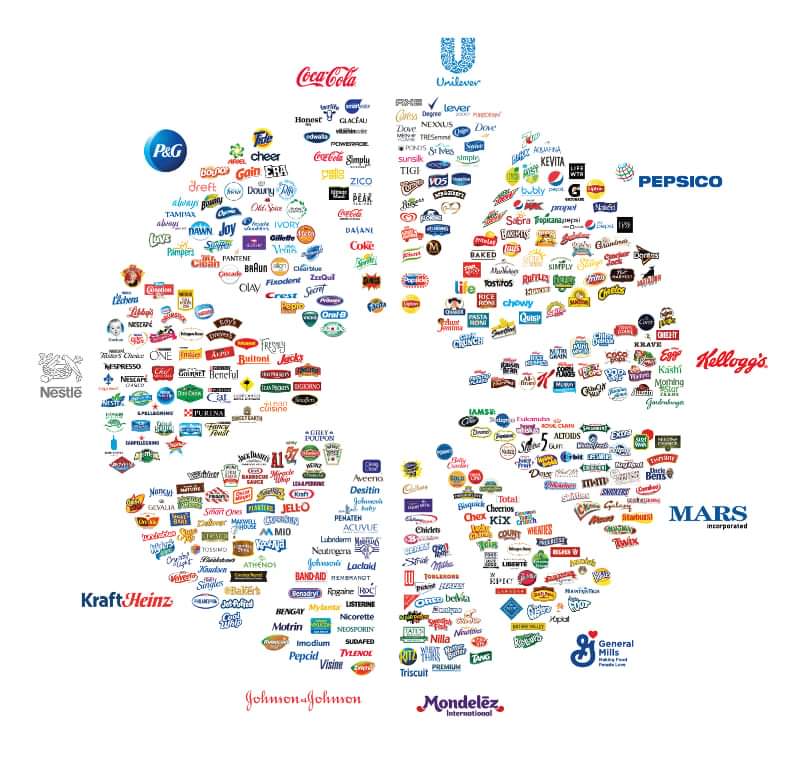
Prominent institutional investors frequently hold significant stakes in BlackRock. For instance, it’s not uncommon to find other large asset managers or major index funds holding BlackRock shares as part of their diversified portfolios, creating an intriguing interconnectedness within the financial industry. This traditional ownership model places BlackRock under the direct scrutiny of the stock market, with its performance and strategic decisions constantly evaluated by analysts and investors.
The governance structure of BlackRock also follows a conventional corporate framework. A board of directors, elected by the shareholders, oversees the company’s strategic direction and operations. This board is responsible for representing the interests of BlackRock’s stockholders, ensuring the company adheres to its fiduciary duties while striving for profitability and growth. This conventional for-profit model gives BlackRock the flexibility to raise capital through stock offerings, pursue strategic acquisitions, and reward its executive team and employees through equity-based compensation, all of which are common practices for public corporations aiming to drive shareholder returns.
Implications for Investors: Cost, Control, and Corporate Governance
The divergent ownership structures of Vanguard and BlackRock translate into tangible differences for investors, particularly concerning cost, control, and corporate governance. Understanding these distinctions is crucial for anyone considering where to entrust their capital.
Cost Structure and Investor Savings
Vanguard’s mutual ownership model is designed to keep costs as low as possible. Because profits are channeled back to investors through reduced fees, Vanguard has a structural advantage in offering some of the lowest expense ratios in the industry. For a long-term investor, even a seemingly small difference in expense ratios can accumulate into substantial savings over decades, directly impacting net returns. BlackRock, while highly competitive with its iShares offerings (many of which are also exceptionally low-cost), operates with the imperative to generate profits for its shareholders. This means that while BlackRock strives for competitive pricing, there is always a profit margin baked into its fee structure, which ultimately benefits its stockholders rather than being exclusively reinvested for lower investor costs.
Decision Making and Strategic Priorities
At Vanguard, strategic decisions theoretically prioritize the long-term interests of its fund investors, focusing on factors like cost reduction, fund performance, and investor education. This structure allows the company to make decisions that might not immediately boost short-term profits but are beneficial for its fund holders over time. For BlackRock, decisions must balance investor interests with the mandate to maximize shareholder value. This can influence product development, pricing strategies, and strategic acquisitions. While BlackRock certainly aims to provide excellent value to its fund investors, its overall corporate strategy must also consider the demands and expectations of its diverse shareholder base, which seeks financial returns on their investment in BlackRock itself.
Corporate Governance and Shareholder Activism
Vanguard’s unique structure makes it largely immune to external shareholder activism in the traditional sense. Its focus remains squarely on the governance of its funds and ensuring they operate in the best interest of their shareholders. There isn’t an external class of shareholders demanding changes to Vanguard’s operational structure for their own profit. BlackRock, as a public company, is subject to the dynamics of the stock market. Its shareholders can exert influence through proxy votes, demanding changes to corporate strategy, executive compensation, or even board composition. This traditional accountability to its own shareholders is a defining feature of its corporate governance, shaping its public image and strategic direction.
Beyond Ownership: Their Influence on Global Finance
While their ownership structures differentiate them significantly, both Vanguard and BlackRock exert immense influence on global finance, extending far beyond their direct management of assets. Their scale alone makes them powerful forces in corporate governance, market dynamics, and technological innovation.
Market Power and Corporate Governance
As the largest asset managers, Vanguard and BlackRock are significant shareholders in virtually every major public company globally. This translates into enormous voting power in corporate boardrooms. Both firms employ dedicated stewardship teams that engage with portfolio companies on issues ranging from executive compensation to climate risk and social impact. BlackRock, under CEO Larry Fink, has been particularly vocal about environmental, social, and governance (ESG) factors, using its proxy votes and direct engagements to push companies towards more sustainable and equitable practices. This influence is driven by its fiduciary duty to long-term asset owners (like pension funds) who often have sustainability mandates. Vanguard also engages in stewardship, generally emphasizing good corporate governance, broad market returns, and risk management that benefits long-term shareholders. Their collective influence shapes corporate behavior and strategic priorities across industries.
The Passive Investing Revolution
Both companies have been at the forefront of the passive investing revolution, democratizing access to diversified investment portfolios through low-cost index funds and ETFs. This shift from active to passive management has fundamentally altered market dynamics, leading to increased efficiency, lower costs for investors, and a growing concentration of ownership in the hands of a few large asset managers. Their continued innovation in product development, such as thematic ETFs or target-date funds, further solidifies their role in shaping how individuals and institutions invest.
Technological Prowess and Financial Infrastructure
BlackRock’s influence is further amplified by its proprietary risk management and portfolio analytics platform, Aladdin. This powerful technology is not just used internally by BlackRock but is also licensed to hundreds of other financial institutions, including pension funds, insurers, and banks worldwide. Aladdin has become an indispensable tool for many, providing a common language and framework for managing risk and making investment decisions across the industry. This creates a significant revenue stream for BlackRock and also establishes it as a foundational piece of global financial infrastructure. While Vanguard focuses its technological efforts primarily on enhancing its direct-to-consumer platforms and internal operational efficiency, BlackRock’s Aladdin represents a distinct layer of systemic influence that extends well beyond asset management.

Regulatory Scrutiny
Given their unparalleled size and market influence, both Vanguard and BlackRock inevitably attract significant attention from financial regulators globally. Concerns about systemic risk, market concentration, and their role in corporate governance debates are ongoing. As the world’s largest investment fiduciaries, their actions and policies are under constant scrutiny, reflecting their critical role in the stability and functioning of the global financial system.
aViewFromTheCave is a participant in the Amazon Services LLC Associates Program, an affiliate advertising program designed to provide a means for sites to earn advertising fees by advertising and linking to Amazon.com. Amazon, the Amazon logo, AmazonSupply, and the AmazonSupply logo are trademarks of Amazon.com, Inc. or its affiliates. As an Amazon Associate we earn affiliate commissions from qualifying purchases.