
The world of finance is a complex interplay of macroeconomic forces, company-specific performance, and ever-shifting market sentiment. When a prominent financial institution like Truist sees its stock price decline, it naturally raises questions among investors, analysts, and the broader market. Truist Financial Corporation, formed from the merger of BB&T and SunTrust Banks in 2019, is one of the largest financial services companies in the United States, making its stock performance a significant indicator for the banking sector. Understanding the reasons behind a stock drop requires a multi-faceted analysis, delving into both the overarching economic environment and the intricacies of the company’s operational and strategic execution. This article will explore the key factors that could contribute to Truist’s stock underperformance, offering insights into the dynamics at play within the financial services industry.
Macroeconomic Headwinds Impacting Financials
The banking sector is inherently cyclical and highly sensitive to macroeconomic conditions. Interest rates, inflation, and the overall health of the economy directly impact a bank’s profitability, asset quality, and growth prospects. For a large regional bank like Truist, these external forces are often the most potent drivers of stock fluctuations.
Interest Rate Sensitivity and Net Interest Margin (NIM)
One of the primary drivers of a bank’s profitability is its Net Interest Margin (NIM), which is the difference between the interest income generated from credit products (like loans) and the interest paid on deposits. In periods of rapidly rising interest rates, banks initially benefit as their loan rates reset faster than their deposit rates. However, this advantage can quickly reverse. If the Federal Reserve pauses or cuts rates, or if deposit costs rise aggressively as banks compete for funding, NIM can contract.
For Truist, like many banks, a significant portion of its revenue comes from net interest income. When the interest rate environment becomes volatile or unfavorable, characterized by an inverted yield curve (where short-term rates are higher than long-term rates) or intense competition for deposits, NIM can come under pressure. An inverted yield curve specifically compresses the profit margin banks earn on their lending activities, as they borrow short (from depositors) and lend long (to borrowers). Furthermore, if customers shift funds from low-cost checking and savings accounts to higher-yielding certificates of deposit (CDs) or money market accounts, the bank’s cost of funding increases, further squeezing NIM. Investor concerns about sustained NIM compression can significantly weigh on a bank’s stock valuation, as it directly impacts core profitability.
Economic Slowdown Fears and Loan Demand
Banks thrive in periods of robust economic growth, as businesses expand and consumers spend, fueling demand for loans. Conversely, fears of an economic slowdown or recession can significantly dampen investor enthusiasm for bank stocks. A weakening economy typically leads to reduced loan demand across various segments, including commercial and industrial loans, consumer loans, and mortgages. Businesses become more cautious about expanding, and consumers may defer large purchases, leading to a deceleration in loan growth.
For Truist, a diversified loan portfolio means exposure to various sectors of the economy. If key economic indicators point towards contraction, investors anticipate lower future loan origination volumes and potentially higher loan defaults. Lower loan growth translates to slower revenue expansion, while an increase in defaults necessitates higher provisions for credit losses, directly impacting the bottom line. The market is forward-looking, and expectations of an economic downturn can therefore pre-emptively drive down stock prices even before the full impact on earnings is realized.
Inflationary Pressures on Operating Costs
While banks can benefit from inflation in certain aspects (like higher asset values), persistent high inflation also erodes profitability by increasing operating costs. Banks have significant fixed and variable costs, including employee salaries and benefits, technology investments, marketing expenses, and real estate maintenance. When inflation is high, these costs rise, putting pressure on operating efficiency ratios.
Truist, as a large employer with extensive physical and digital infrastructure, faces considerable inflationary pressures. Managing rising compensation costs to retain talent, investing in increasingly expensive technology to stay competitive, and maintaining a vast network of branches and offices become more challenging in an inflationary environment. If a bank cannot sufficiently offset these rising costs with higher revenues, its profit margins will shrink. Investors scrutinize efficiency metrics closely, and any indication of escalating costs without corresponding revenue growth can be a reason for stock underperformance.
Company-Specific Challenges and Strategic Shifts
Beyond the macroeconomic landscape, a bank’s individual performance, strategic decisions, and operational execution play a crucial role in its stock trajectory. Truist has undergone significant transformation since its merger, and such periods often come with unique challenges.
Post-Merger Integration Complexities
The merger of BB&T and SunTrust to form Truist was a massive undertaking, creating the sixth-largest U.S. commercial bank. While mergers promise synergies and greater scale, they also entail significant integration complexities. Combining IT systems, standardizing processes, merging corporate cultures, and rationalizing branch networks are monumental tasks that can extend over several years. During this period, integration costs can be substantial, and operational inefficiencies might persist longer than initially projected.
For Truist, investors have keenly watched the progress of its integration efforts. Any perceived delays, higher-than-expected costs, or hiccups in realizing promised synergies (such as cost savings or revenue enhancements) can lead to investor skepticism. Furthermore, significant mergers often lead to customer attrition as some clients opt for continuity with a different bank. If the integration process is seen as protracted or struggling to deliver on its promises, it can suppress investor confidence and, consequently, the stock price. The “synergy capture” narrative is critical for post-merger entities, and any doubts about Truist’s ability to fully realize these benefits can trigger a stock drop.
Asset Quality Concerns and Provisions for Credit Losses
A fundamental measure of a bank’s health is the quality of its loan portfolio. When the economy faces headwinds, or if a bank has made aggressive lending decisions, the risk of loan defaults increases. Banks account for potential loan losses by setting aside “provisions for credit losses,” which are expenses that directly reduce net income. A significant increase in these provisions signals deteriorating asset quality and raises concerns about future profitability.
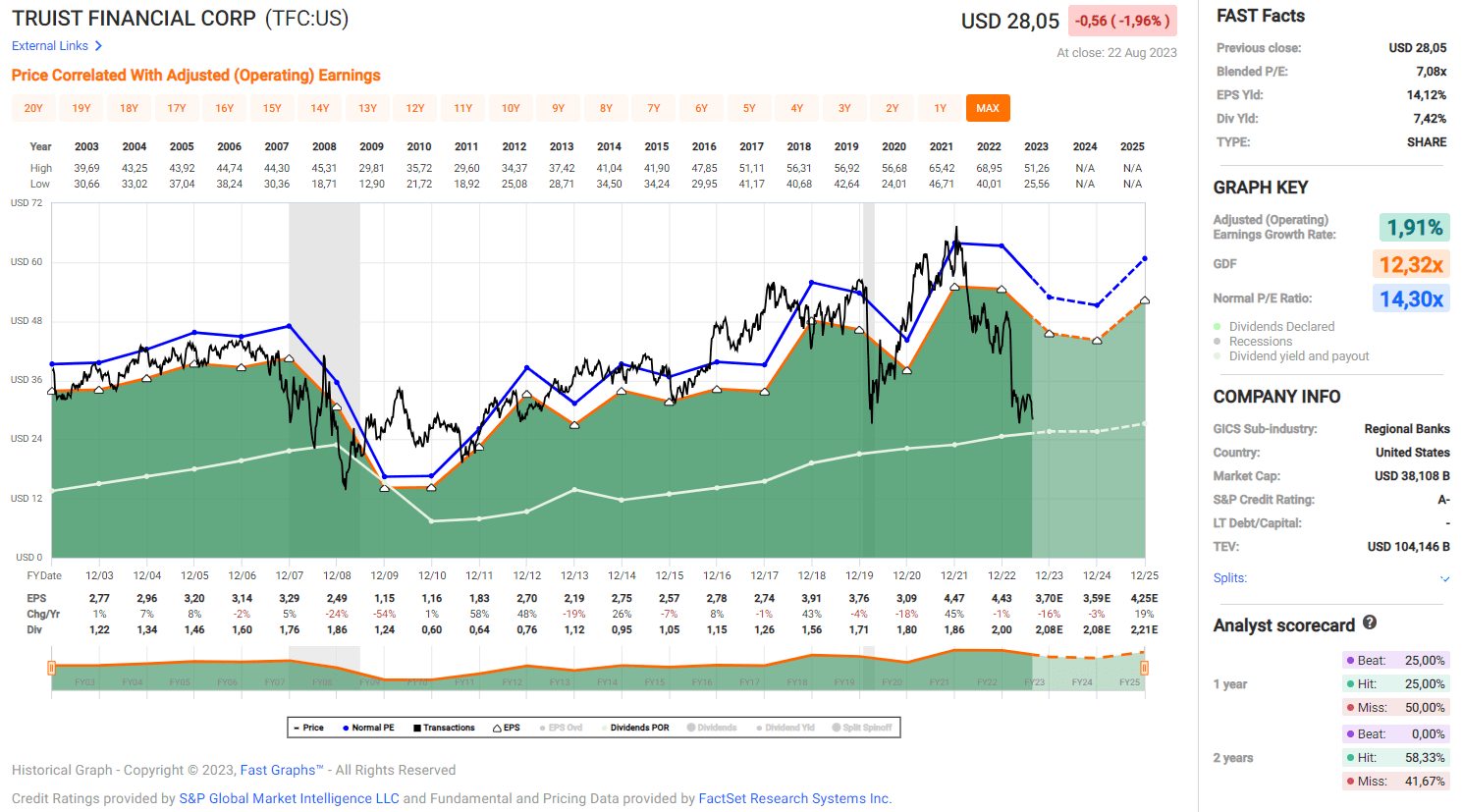
Investors constantly monitor key asset quality metrics such as non-performing assets (NPAs), net charge-offs, and loan loss reserves. If Truist reports an unexpected rise in provisions for credit losses, particularly in specific loan categories or geographic regions, it suggests a weakening in its loan portfolio. This could be due to exposure to struggling sectors, a general economic downturn impacting borrowers, or even specific underwriting weaknesses. Higher provisions directly reduce earnings per share and can lead to a re-evaluation of the bank’s risk profile by the market, often resulting in a lower stock price.
Digital Transformation and Branch Network Optimization
In an increasingly digital world, banks face immense pressure to invest heavily in technology to enhance customer experience, improve efficiency, and fend off competition from fintech companies. Simultaneously, they must optimize their traditional branch networks, often involving closing underperforming branches and investing in more modern, digitally-enabled locations. This dual transformation requires significant capital expenditure and strategic execution.
Truist, like its peers, is navigating this landscape. If the market perceives that Truist is lagging in its digital transformation efforts, or if its branch network optimization is not yielding the expected cost savings or customer engagement benefits, it can negatively impact investor sentiment. Slow adoption of digital tools by customers, cybersecurity incidents, or inefficient technology spending can erode confidence. Investors look for clear evidence that these strategic investments are translating into competitive advantages, operational efficiencies, and sustained customer growth. Any doubts on this front can contribute to a stock decline.
Competitive Landscape and Regulatory Environment
The banking industry is intensely competitive and heavily regulated, two factors that constantly shape the strategic decisions and financial performance of institutions like Truist.
Fierce Competition from Fintech and Larger Banks
The financial services landscape is dynamic, with traditional banks facing competition from multiple fronts. Fintech companies are rapidly innovating, offering niche services like digital payments, lending platforms, and investment apps that often boast superior user experience and lower costs. At the same time, mega-banks possess immense scale, technological resources, and diversified revenue streams, allowing them to compete aggressively on pricing and service offerings.
For Truist, this means a constant battle for deposits, loans, and fee-based services. Intense competition can compress margins, necessitate higher marketing spending, and force banks to accept lower returns on certain products. If investors believe Truist is losing market share, struggling to attract new customers, or facing insurmountable pressure on its pricing power due to this competitive environment, it can lead to a negative re-evaluation of its growth prospects and, consequently, its stock price. The ability to differentiate through customer service, specialized offerings, or technological prowess is key in this environment.
Evolving Regulatory Scrutiny and Capital Requirements
The banking industry operates under a stringent regulatory framework designed to ensure financial stability and protect consumers. Regulators like the Federal Reserve, the OCC (Office of the Comptroller of the Currency), and the FDIC (Federal Deposit Insurance Corporation) impose capital requirements, stress tests, and compliance mandates. These regulations are subject to change, often becoming more demanding in response to economic events or perceived systemic risks.
Increased regulatory scrutiny or higher capital requirements can significantly impact a bank’s profitability and flexibility. For instance, if Truist is required to hold more capital against its assets, it reduces the amount available for lending or share buybacks, potentially depressing its return on equity (ROE). Compliance costs can also be substantial. Any concerns that Truist might face new, burdensome regulations, or that it is struggling to meet existing compliance standards, can make investors wary. Regulatory uncertainty adds a layer of risk that can prompt a stock sell-off, as it creates an unpredictable operating environment for financial institutions.
Investor Sentiment and Market Perception
Ultimately, a stock’s price is a reflection of collective investor sentiment, influenced by a myriad of factors, both rational and emotional. Market perception can amplify or mitigate the impact of fundamental business performance.
Analyst Ratings and Price Target Revisions
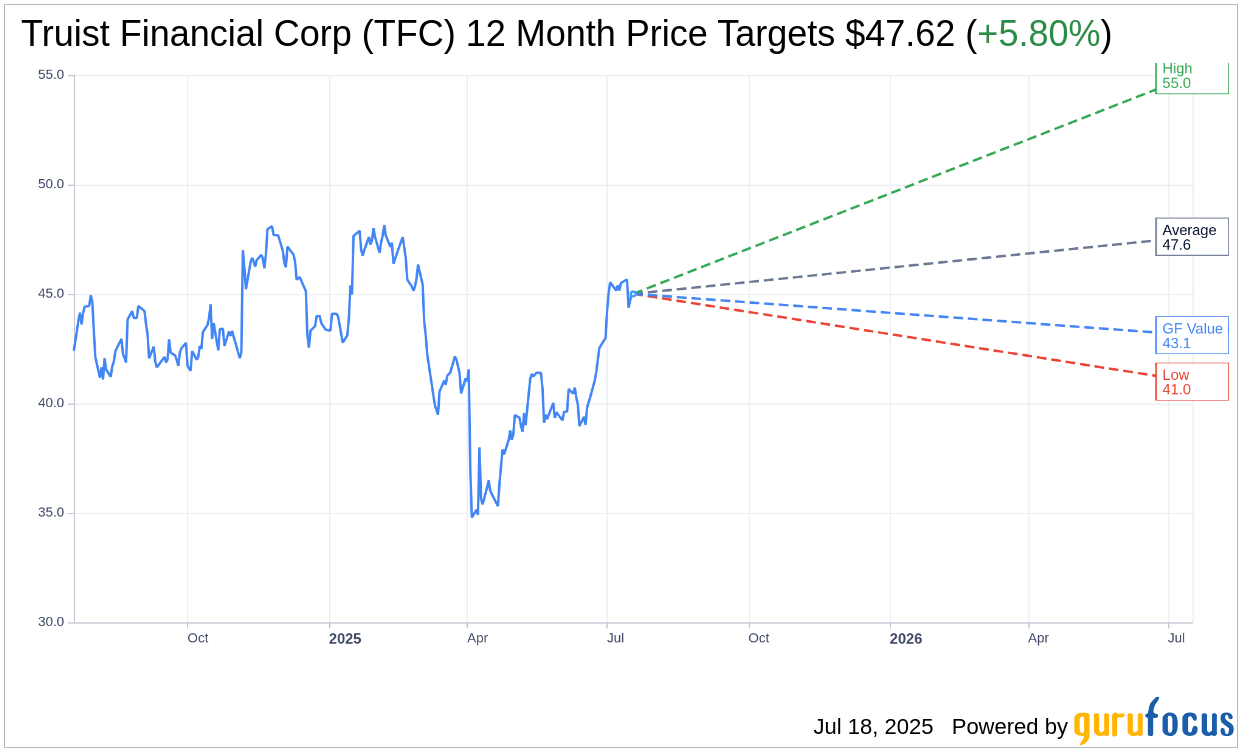
Wall Street analysts play a significant role in shaping investor sentiment. Their research reports, ratings (buy, hold, sell), and price targets often guide institutional and retail investors. When a consensus of analysts downgrades a bank’s stock or significantly lowers its price target, it can trigger a wave of selling. These revisions typically reflect updated assessments of the bank’s earnings outlook, asset quality, competitive position, or macroeconomic risks.
For Truist, a series of negative analyst reports, particularly from influential firms, can create a powerful downward momentum. Analysts might revise their outlook based on disappointing earnings results, cautious management guidance, or a reassessment of industry trends. The market often reacts swiftly to such changes, causing the stock to drop as investors adjust their positions in line with expert recommendations.
Dividend Sustainability and Shareholder Returns
Many bank stocks are favored by income-oriented investors due to their consistent dividend payments. The sustainability and growth of a bank’s dividend are therefore crucial components of its investment appeal. If there are concerns that Truist might cut its dividend, or if its dividend growth prospects diminish, it can deter dividend-focused investors and lead to selling pressure.
A dividend cut typically signals financial distress or a need to preserve capital, which is a major red flag for the market. Even a perceived threat to dividend stability can cause a stock to underperform. Investors also look at share buyback programs as a way for banks to return capital to shareholders. Any suspension or reduction in these programs can negatively impact shareholder returns and market sentiment.

Broader Market Trends Affecting Financial Sector
Finally, bank stocks are often traded as a sector, meaning individual stocks can be impacted by broader trends affecting the entire financial industry. For instance, if there’s a general rotation out of value stocks (where banks often reside) into growth stocks, or if there’s widespread concern about the health of the global financial system, even a fundamentally sound bank can see its stock decline.
For Truist, its stock price can be influenced by the performance of financial sector ETFs or indices. Negative news concerning other major banks, broader economic uncertainty, or shifts in investor preference for certain market segments can lead to a generalized sell-off in bank stocks, irrespective of Truist’s specific performance. This “tide lifts all boats, or sinks them” phenomenon is a common aspect of sector-specific investing.
In conclusion, the reasons behind Truist’s stock drop are likely a confluence of macroeconomic pressures, company-specific operational and strategic challenges, an evolving competitive and regulatory landscape, and the unpredictable forces of investor sentiment. While each factor contributes independently, their cumulative effect can create significant downward pressure. Investors must consider these multifaceted dynamics to fully understand the trajectory of a major financial institution’s stock in today’s intricate market environment. A deep dive into these areas provides a comprehensive framework for assessing the current challenges and future prospects of Truist and the broader banking sector.
aViewFromTheCave is a participant in the Amazon Services LLC Associates Program, an affiliate advertising program designed to provide a means for sites to earn advertising fees by advertising and linking to Amazon.com. Amazon, the Amazon logo, AmazonSupply, and the AmazonSupply logo are trademarks of Amazon.com, Inc. or its affiliates. As an Amazon Associate we earn affiliate commissions from qualifying purchases.