
Orlando, Florida, is undeniably a global epicenter for tourism, drawing millions with its world-class theme parks, vibrant entertainment, and diverse attractions. For the financially astute traveler, however, navigating this land of enchantment requires more than just a map; it demands a strategic approach to budgeting, value maximization, and smart spending. This guide delves into Orlando’s premier visiting spots through a financial lens, helping you make informed decisions that align with your personal finance goals without compromising on the magic.
Strategic Budgeting for Orlando’s Theme Park Giants
The colossal theme parks are often the primary draw to Orlando, but their allure comes with a significant financial commitment. Understanding the economic landscape of these entertainment behemoths is the first step in constructing a robust travel budget.

Unpacking the Costs of Walt Disney World Resort
Walt Disney World (WDW) is a multi-faceted destination encompassing four theme parks (Magic Kingdom, Epcot, Hollywood Studios, Animal Kingdom), two water parks, over 25 resort hotels, and Disney Springs. The sheer scale dictates a complex pricing structure. A single-day, single-park ticket can range from $109 to over $189, fluctuating based on demand and season. Multi-day tickets offer a lower per-day cost, making longer stays more financially sensible from a ticket perspective.
Beyond the initial ticket purchase, savvy travelers must account for numerous potential expenditures. Disney’s Genie+ service, while enhancing park experiences by reducing wait times, represents an additional daily cost per person ($15-$35+ per person, per day, depending on demand). Individual Lightning Lane selections for high-demand attractions further add to this. Dining within the parks can escalate quickly, with Quick Service meals averaging $15-20 per person and Table Service restaurants often exceeding $30-60 per person, excluding alcoholic beverages. The Disney Dining Plan, when offered, requires careful financial analysis to determine if its convenience outweighs the potential savings from a la carte purchasing, particularly if your group comprises light eaters or those with dietary restrictions. Souvenirs, character experiences, and special event tickets (e.g., Mickey’s Not-So-Scary Halloween Party) are discretionary but commonly indulged financial outlays that can collectively inflate trip expenses significantly.
Financial planning for WDW should also consider accommodation choices. Staying at a Disney resort offers perks like early park entry and free transportation, but often at a premium. Value resorts (e.g., All-Star Movies) provide the lowest on-site price point, but even these can be pricier than off-site alternatives. A comprehensive budget for WDW should allocate substantial funds for tickets, dining, transportation (if staying off-site), and a generous buffer for incidental spending and unexpected costs.
Navigating Universal Orlando Resort’s Investment in Thrills
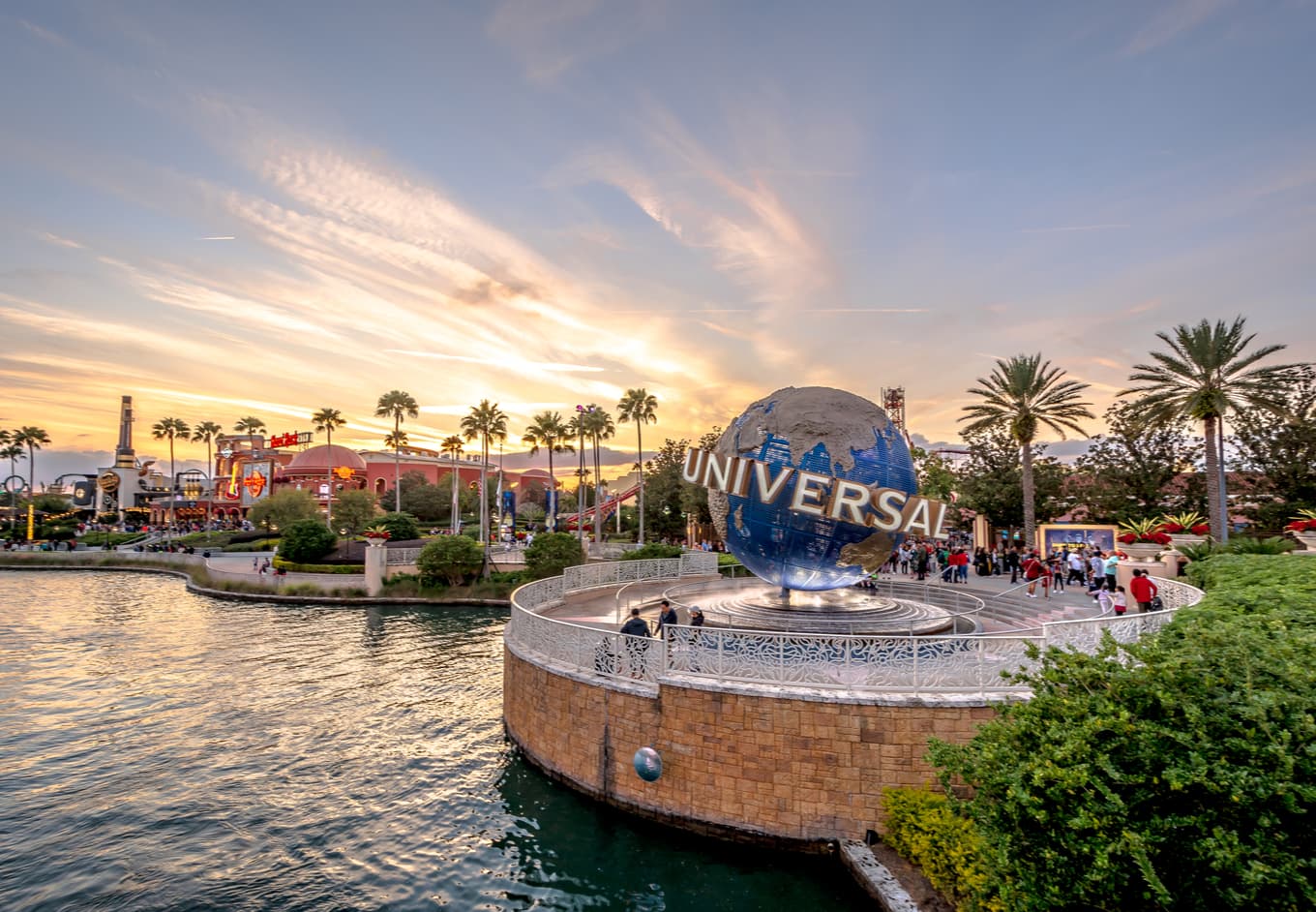
Universal Orlando Resort, home to Universal Studios Florida, Islands of Adventure, and Volcano Bay water park, presents a distinct financial proposition. Its two primary theme parks are often visited in conjunction via a Park-to-Park ticket, essential for experiencing the Hogwarts Express connecting the Wizarding World of Harry Potter areas. Similar to Disney, multi-day tickets reduce the per-day cost, and dynamic pricing based on season and demand applies.
Universal’s equivalent to Genie+ is the Universal Express Pass, available as an add-on to park tickets or complimentary for guests staying at select Premier hotels (e.g., Hard Rock Hotel, Portofino Bay Hotel, Royal Pacific Resort). While the Express Pass can be a substantial daily expense (ranging from $80 to over $200 per person), the value proposition of staying at a Premier hotel often outweighs the direct purchase cost for groups planning multiple park days, as the Express Pass is included for all registered guests for the duration of their stay, including check-in and check-out days. This represents a significant financial hack for those prioritizing time over initial room rate.
Dining costs at Universal are comparable to Disney, with Quick Service and Table Service options available. CityWalk, Universal’s entertainment district, offers a wider array of dining and nightlife options, many of which can be more budget-friendly than in-park establishments. Souvenirs, particularly those from the Wizarding World, are popular and can quickly add up. Budgeting for Universal should prioritize the Express Pass consideration and factor in the potential value of Premier hotel stays, recognizing the upfront investment can lead to overall savings in time and queue avoidance.
Exploring Orlando Beyond the Parks: Value-Driven Experiences
While the theme parks dominate Orlando’s tourism narrative, a wealth of other attractions offers diverse experiences, often at a more accessible price point, allowing for greater financial flexibility.
Affordable Family Fun and Cultural Engagements
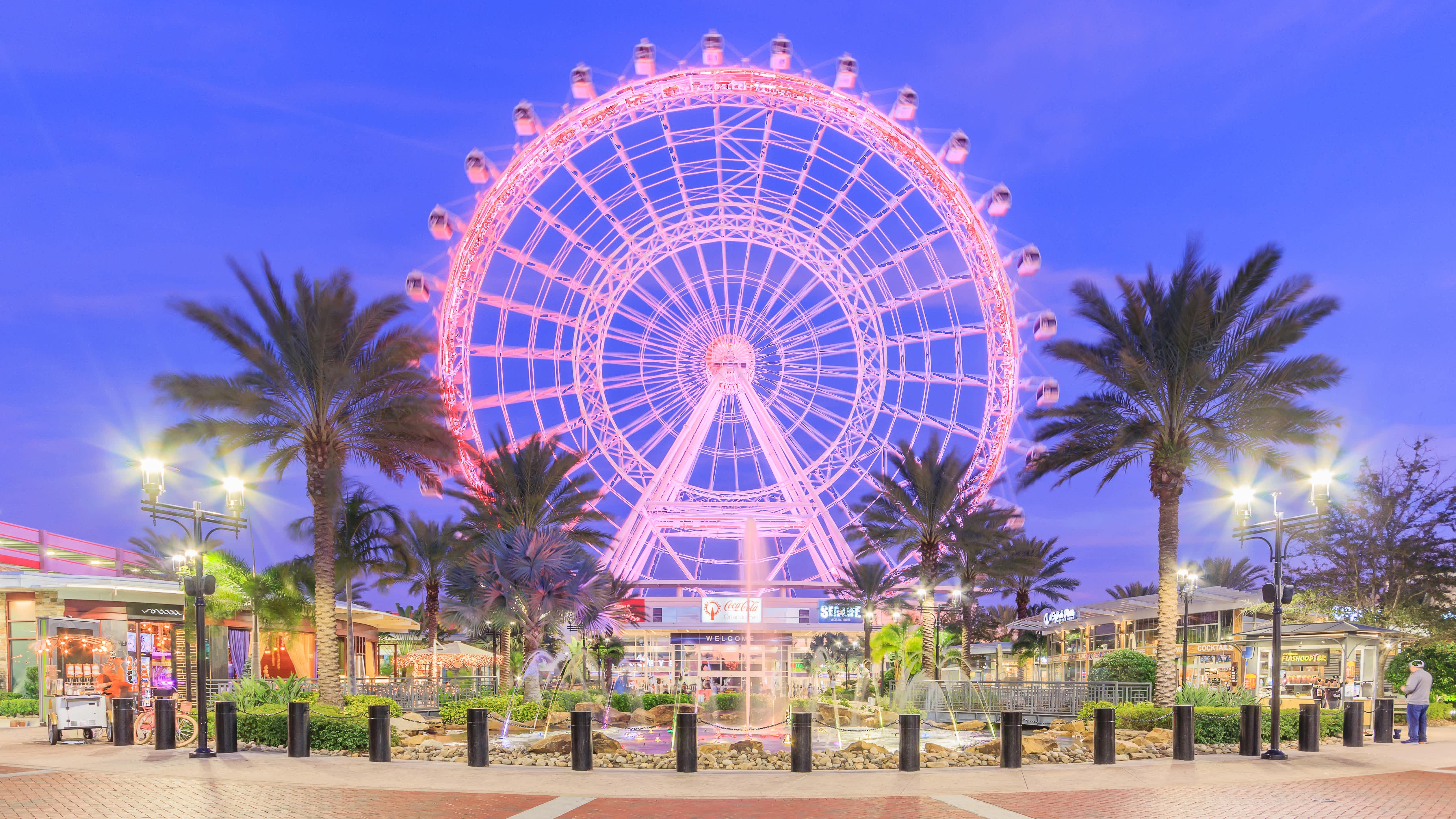
Beyond the theme park gates, Orlando presents numerous opportunities for enriching visits that don’t necessitate breaking the bank. Icon Park, for instance, offers a vibrant entertainment complex featuring The Wheel, Madame Tussauds, and Sea Life Orlando Aquarium. While each attraction has an individual admission fee, combination tickets are frequently available, providing better value. Many of its restaurants and shops are accessible without an admission ticket, making it a great spot for a stroll or an affordable meal.
Gatorland, known as the “Alligator Capital of the World,” is a classic Florida attraction providing wildlife encounters, thrilling shows, and even a zip line, all at a significantly lower entry cost than the major theme parks. It often represents excellent value for families seeking unique, animal-focused entertainment without the associated premium price tag. For those interested in aerospace history and exploration, the Kennedy Space Center Visitor Complex (located about an hour’s drive east of Orlando) offers an immersive, educational experience. While not free, its admission fee is generally less than a theme park day, and the educational value can be seen as a long-term investment in curiosity and learning.
Cultural pursuits can further diversify your Orlando itinerary without straining the budget. The Orlando Museum of Art and the Orlando Science Center offer engaging experiences, often with reciprocal membership benefits if you hold a membership to a similar institution in your hometown. Many of Orlando’s beautiful parks and nature preserves, such as Lake Eola Park in downtown Orlando or the Tibet-Butler Preserve, offer free access for walking, picnicking, and enjoying Florida’s natural beauty. These can serve as cost-effective respites from the hustle and bustle of more commercial attractions.
Dining and Entertainment on a Budget
Dining forms a significant part of any travel budget. While in-park dining often carries a premium, Orlando boasts an extensive culinary scene with options across all price points. Exploring areas like Restaurant Row on Sand Lake Road or the diverse eateries in the Mills 50 District can uncover hidden gems offering authentic flavors at more competitive prices. Many national chains also have a strong presence, providing familiar and often more budget-friendly meal options.
For entertainment, look beyond the ticketed shows. CityWalk at Universal and Disney Springs offer free admission and feature live music, street performers, and numerous dining and shopping options that cater to various budgets. Catching a movie, mini-golfing, or visiting one of the area’s many indoor entertainment complexes (like Dave & Buster’s) can be a more financially controlled evening activity than a high-end dinner show. Leveraging happy hour specials, early bird dinners, or opting for quick-service and counter-service meals can substantially reduce daily food expenses, freeing up funds for other experiences or future trips.
Maximizing Your Dollar: Smart Spending and Saving Tips
A truly financially savvy trip to Orlando isn’t just about choosing where to go; it’s about optimizing every expenditure.
Accommodations and Transportation: Financial Hacks
Accommodation is often the second-largest expense after theme park tickets. While staying on-site at Disney or Universal offers convenience and perks, off-site hotels, vacation rentals (via Airbnb or VRBO), or even timeshare rentals can offer significant savings, especially for larger families or longer stays. When choosing off-site, factor in transportation costs: rental cars, ride-sharing services (Uber/Lyft), or hotel shuttles. A rental car offers flexibility but incurs daily rental fees, insurance, and parking charges (which can be substantial at theme parks and even some hotels). Weigh the cost of convenience against the direct financial savings of off-site lodging and self-transportation. Many hotels along International Drive offer competitive rates and often provide shuttle services to major parks, albeit with potentially less flexible schedules.
Leveraging Discounts and Off-Peak Opportunities
Timing your visit can dramatically impact your financial outlay. Visiting during off-peak seasons (e.g., late January, February, late August, September) often yields lower prices for flights, accommodations, and theme park tickets. Crowds are also typically lighter, enhancing the visitor experience and reducing the perceived need for costly add-ons like Express Passes. Researching special offers, discounts, and package deals well in advance is paramount. Many websites specialize in discounted park tickets (ensure they are authorized resellers), and bundling flights, hotels, and tickets can sometimes unlock additional savings. AAA, AARP, military, and student discounts are often available for various attractions and accommodations, so always inquire. Flexibility with travel dates is perhaps the single most potent financial tool for Orlando visitors.
Long-Term Financial Considerations for Repeat Visitors or Potential Investors
For those who frequently visit Orlando, or for individuals considering a deeper financial stake in the region, a different set of financial considerations comes into play. Annual Passes for Disney or Universal, while a significant upfront cost (often equivalent to 10-14 days of single-day tickets), offer substantial long-term value for repeat visitors, including discounts on merchandise, food, and sometimes accommodations. Analyzing your expected number of visits over a year or two is crucial to determine if an annual pass is a sound financial investment.
Furthermore, Orlando’s robust tourism economy makes it an attractive market for real estate investment, particularly in vacation rentals. Purchasing a second home or investment property near major attractions can generate significant rental income, potentially offsetting ownership costs and building equity. However, this venture requires thorough market research, understanding local regulations (zoning, short-term rental laws), and a clear financial strategy, including property management fees, maintenance, and potential vacancy periods. For the financially savvy, Orlando offers not just magical visits but also potential avenues for strategic personal and business finance growth.
aViewFromTheCave is a participant in the Amazon Services LLC Associates Program, an affiliate advertising program designed to provide a means for sites to earn advertising fees by advertising and linking to Amazon.com. Amazon, the Amazon logo, AmazonSupply, and the AmazonSupply logo are trademarks of Amazon.com, Inc. or its affiliates. As an Amazon Associate we earn affiliate commissions from qualifying purchases.