
In an era where a vast array of digital services are offered at no direct monetary cost, the question “why is TurboTax not free?” often arises, especially for individuals navigating the annual rite of tax preparation. While the allure of ‘free’ is powerful, particularly when dealing with the complexities of personal finance, the reality of TurboTax’s pricing model is a nuanced reflection of its sophisticated financial tools, the intricate U.S. tax code, and a strategic business approach that balances value creation with market dynamics. Understanding this requires delving into the economic underpinnings of software development, the value proposition for consumers, and the broader landscape of financial services. Far from being a simple cost imposition, TurboTax’s pricing stems from a deliberate strategy to provide comprehensive, accurate, and user-friendly tax solutions for a diverse range of financial situations, each with its own inherent cost structure.
The Business Model Behind “Free” Software and Financial Tools
The concept of “free” in the digital realm often masks a complex underlying business model. For a financial tool like TurboTax, which demands significant investment in development, maintenance, and expert knowledge, outright universal freeness is not sustainable. Instead, its strategy revolves around a carefully constructed value proposition.
Freemium Strategy and Upselling in Financial Services
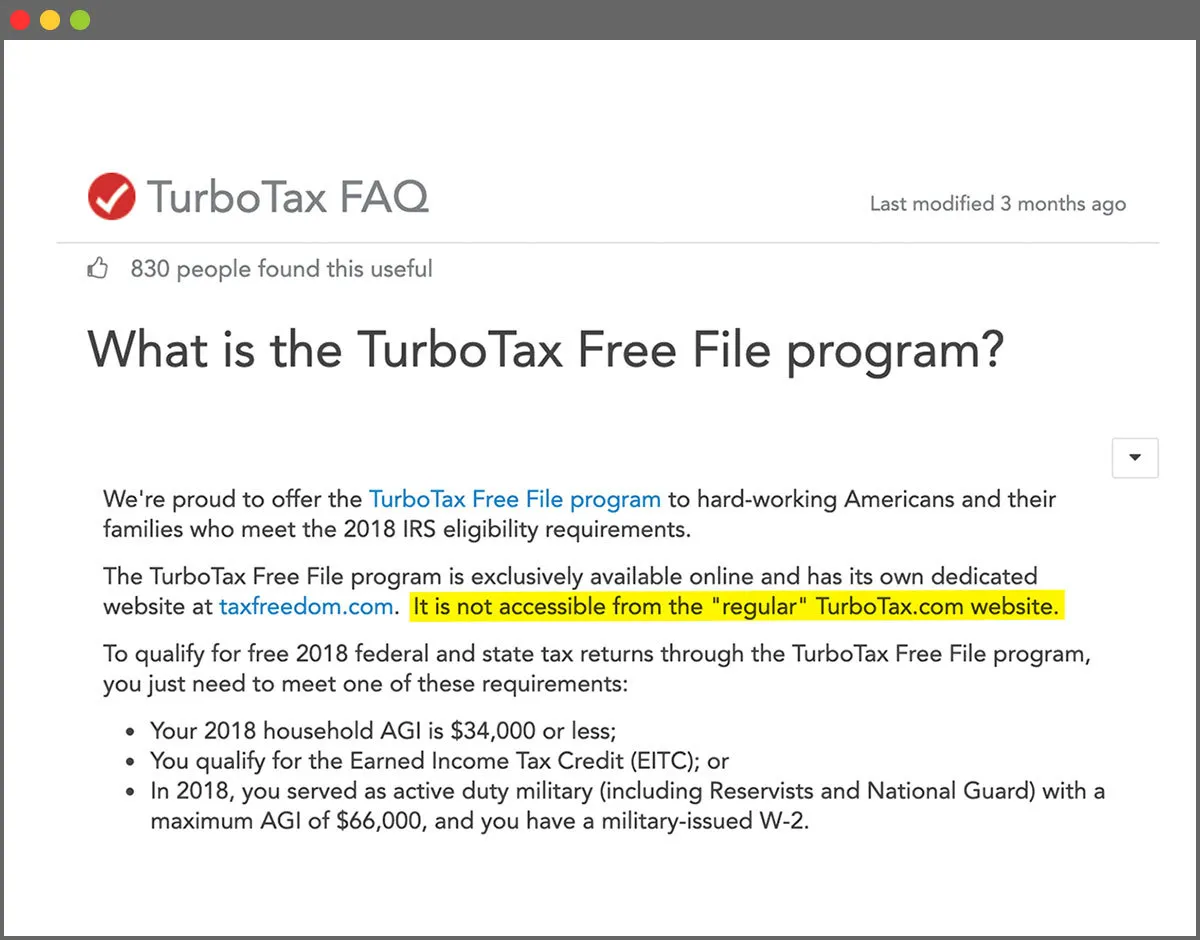
TurboTax, developed by Intuit, operates on a classic freemium model within the financial software landscape. The “free” offering, often marketed prominently, typically covers the most basic tax situations—those involving simple W-2 income and the standard deduction. This entry-level service serves as a powerful magnet, attracting a large user base who are looking to manage their personal finance obligations with minimal cost. However, the vast majority of taxpayers eventually encounter scenarios that fall outside this basic scope.
This is where the ‘upselling’ component becomes critical. Once users begin inputting their financial data, the software intelligently identifies income sources, deductions, and credits that necessitate a higher-tier product. For instance, reporting investment income (stocks, bonds), self-employment earnings (Form 1099-NEC), rental property income, or itemizing deductions instantly nudges users from the free version to a paid tier. This transition is not arbitrary; it’s based on the increased complexity and specialized calculations required to accurately process these financial situations, which in turn require more sophisticated software algorithms and regulatory compliance. The financial incentive for Intuit is clear: provide a convenient, accessible entry point, then offer increasingly specialized and valuable financial tools at a price commensurate with the complexity and financial benefit they deliver.
Value Proposition and Feature Tiers for Diverse Financial Needs
The tiered pricing structure of TurboTax is directly linked to the value proposition it offers to users with varying financial profiles. Each paid tier—such as Deluxe, Premier, or Self-Employed—unlocks specific features and forms designed to handle progressively more complex financial scenarios.
For a taxpayer with a simple W-2, the value is convenience and assurance of accuracy for basic filing. As one’s financial life grows more intricate, the value proposition shifts. A small business owner or freelancer using the Self-Employed version values the software’s ability to simplify Schedule C preparation, identify business deductions, and estimate quarterly taxes, all of which directly impact their personal and business finances. An investor using the Premier version appreciates the seamless import of investment data and guidance on capital gains and losses, which can significantly affect their tax liability and overall financial planning.
These advanced features are not trivial to develop or maintain. They require continuous updates to comply with ever-changing tax laws, sophisticated algorithms to optimize deductions, and robust integration capabilities with various financial institutions. The cost of providing such tailored financial tools, which save users time, reduce the risk of errors, and potentially maximize refunds or minimize liabilities, is inherently embedded in the price of these premium tiers. Users are effectively paying for specialized financial expertise encapsulated within a user-friendly digital interface.
The Cost of Developing and Maintaining a Complex Financial Tool
At its core, TurboTax is a highly sophisticated piece of financial software. The expense involved in developing, testing, and continuously updating such a system is enormous. This includes:
- Research and Development (R&D): Intuit invests heavily in R&D to improve user experience, integrate new technologies (like AI for data entry), and develop algorithms that can accurately handle billions of potential tax scenarios.
- Regulatory Compliance: Tax laws are notoriously complex and change frequently at both federal and state levels. Ensuring the software remains 100% compliant with the latest IRS regulations and state tax codes is a monumental and continuous task, requiring a team of tax experts and legal advisors. This expertise is directly built into the product and its updates.
- Platform Maintenance and Security: Running a massive online platform that handles sensitive financial data for millions of users requires robust infrastructure, stringent security protocols, and constant monitoring. Preventing data breaches and ensuring system uptime are critical, and these operations come with substantial costs.
- User Experience (UX) Design: While not directly a “money” aspect, investing in intuitive UX reduces user errors and frustration, which ultimately contributes to accurate financial outcomes. This design expertise is a significant operational cost.
All these expenditures contribute to the high fixed and variable costs of operating a financial software giant, which are naturally recuperated through product sales rather than being absorbed entirely by the company.
The Real Cost of Tax Preparation: Beyond the Sticker Price
Understanding why TurboTax isn’t free also requires appreciating the inherent challenges and complexities of tax preparation itself, irrespective of the tool used. These challenges translate directly into development and operational costs for any entity providing tax solutions.
Complexity of the U.S. Tax Code
The United States tax code is famously one of the most intricate in the world, a dense web of statutes, regulations, and rulings that span thousands of pages. This complexity is not merely an inconvenience; it’s a fundamental driver of cost for any tax preparation solution.
- Multitude of Forms and Schedules: Beyond the basic 1040, there are hundreds of forms (e.g., Schedule C for business profit/loss, Schedule D for capital gains/losses, Form 8829 for home office expenses) and schedules that apply to various financial situations. Each form requires specific data input, calculations, and cross-references.
- Dynamic Legislation: Tax laws are rarely static. Congress frequently amends existing laws, introduces new credits or deductions, and sunset others. These changes can be significant, impacting income thresholds, allowable deductions, and tax rates. Any credible tax software must be updated annually—and often mid-year—to reflect these changes, a task that demands significant legal, accounting, and software development resources.
- State-Specific Laws: Adding another layer of complexity, each U.S. state has its own unique tax code, often differing significantly from federal laws and from each other. Software like TurboTax must account for these 50+ variations, requiring separate development, testing, and maintenance for each jurisdiction.
This labyrinthine legal and financial landscape means that producing accurate and compliant software is a monumental engineering and legal challenge, the costs of which are understandably passed on to the consumer who benefits from its simplification.
Accuracy and Audit Protection as Premium Services
One of the primary values offered by paid tax software is the promise of accuracy and the peace of mind it provides. Making an error on a tax return can lead to financial penalties, interest charges, or even an audit, which can be time-consuming and costly.
- Built-in Error Checks and Guidance: TurboTax’s paid versions feature advanced algorithms that perform extensive error checks, identify potential red flags, and guide users through complex questions, thereby minimizing the risk of mistakes. This sophisticated error-checking capability is a premium feature, born from years of development and tax expertise.
- Audit Support and Defense: Many of TurboTax’s paid tiers, or add-on services, offer various levels of audit support or even full audit defense. This service connects users with tax professionals who can assist them in responding to IRS inquiries or represent them in an audit. For individuals concerned about financial repercussions or the stress of dealing with the IRS, this protection represents a tangible financial value, insulating them from potentially much larger costs. The provision of such specialized support, requiring access to qualified tax professionals, is inherently an expensive service to offer.
Customer Support and Expert Assistance

While tax software automates much of the process, human assistance often becomes necessary, especially for users dealing with particularly complex financial situations or facing technical issues. Providing robust customer support is a significant operational expense.
- Technical Support: Users may encounter glitches, have questions about data entry, or need help navigating the software. A responsive and knowledgeable technical support team is essential for a smooth user experience.
- Tax Expert Assistance (Live Support): Many of TurboTax’s paid tiers, particularly “Live” versions, offer on-demand access to credentialed tax experts (CPAs or EAs) who can review returns, answer specific tax questions, or even prepare the return entirely. This live professional advice is akin to consulting a traditional tax accountant but delivered digitally. The cost of employing these highly qualified professionals and making them accessible to millions of users is substantial and directly factored into the price of these premium services. This provides users with direct access to financial guidance without having to seek out and pay a separate professional.
Market Dominance and Competition in the Financial Tools Space
The pricing of TurboTax also reflects its position as a market leader in the financial software industry, as well as the broader competitive landscape. Its dominant market share has been built on significant strategic investments.
Investment in Research & Development for Financial Innovation
Intuit’s continuous investment in R&D goes beyond mere compliance; it’s about pioneering financial technology. This includes developing user-friendly interfaces, integrating AI for smarter data import and deduction identification, and enhancing security features. These innovations improve the user experience and the accuracy of financial outcomes, but they require substantial capital. The financial benefits users gain—such as finding overlooked deductions or simplifying complex financial entries—are a direct result of these investments, justifying the cost of the software. Maintaining this edge means ongoing investment, which is a significant factor in pricing.
Marketing and Brand Building Expenditures
Building and maintaining a strong brand like TurboTax, synonymous with tax preparation for millions, requires considerable marketing investment. These expenditures are not just about advertising; they are about educating consumers on the benefits of using sophisticated financial tools, building trust, and demonstrating the value proposition, particularly in helping users navigate their personal finances effectively. From Super Bowl ads to targeted digital campaigns, these costs are significant. While some may view this as purely a marketing cost, it’s also an investment in market education and consumer confidence in a product that handles crucial financial matters. These costs are ultimately recouped through the sale of their products.
The Landscape of Alternative (and Truly Free) Financial Filing Options
It’s crucial to acknowledge that TurboTax is not the only option for tax preparation, and genuinely free alternatives do exist for many taxpayers.
- IRS Free File Program: The IRS partners with several tax software providers (including a limited version of TurboTax for specific income thresholds) to offer free online tax preparation and e-filing for eligible taxpayers. This program specifically targets low-to-moderate-income individuals and families.
- FreeTaxUSA: This platform offers free federal filing for all income levels, with a nominal charge for state filings. It’s a popular choice for those seeking a low-cost alternative.
- Direct IRS Filing: The IRS is also piloting a direct-file system, potentially offering a completely free option for simple returns directly through the government.
These alternatives underscore that TurboTax’s pricing is a strategic choice, not a necessity imposed by a lack of alternatives. TurboTax positions itself as a premium financial tool offering a higher level of guidance, user-friendliness, and advanced features compared to many free options. Its value proposition is built on saving time, ensuring accuracy, and providing peace of mind for those whose financial situations warrant a more robust, and therefore paid, solution. Consumers are empowered to choose based on their individual financial needs and comfort levels with different levels of service and cost.
Navigating the Financial Choice: When is TurboTax Worth the Cost?
Ultimately, the decision of whether to pay for TurboTax, or any financial software, comes down to a personal cost-benefit analysis based on one’s unique financial circumstances.
Assessing Your Personal Financial Situation
The first step in deciding if TurboTax’s paid tiers are worth it is to honestly assess the complexity of your financial life.
- Simple vs. Complex: If you have only W-2 income, take the standard deduction, and have no dependents, you might qualify for free options. However, if you have investments, self-employment income, rental properties, significant itemized deductions, or other complex financial dealings, a paid version of TurboTax can quickly become invaluable. The cost of making an error on a complex return can far outweigh the software’s price.
- Time Value: Consider the value of your time. If a paid version can save you hours of research and calculation, the monetary cost might be a worthwhile investment.
- Risk Tolerance: If you are highly risk-averse regarding audits or making financial mistakes, the built-in accuracy checks and audit support features of paid versions offer significant peace of mind.
Cost-Benefit Analysis of DIY vs. Professional Preparers vs. Software
Tax preparation presents a spectrum of financial and time investments:
- DIY (Manually): Potentially free in terms of direct cost, but demands significant time, effort, and a high level of personal financial literacy and attention to detail. The risk of errors is highest.
- Professional Tax Preparer: Offers the highest level of expert guidance and peace of mind, but comes with the highest financial cost (often hundreds or thousands of dollars, depending on complexity).
- Paid Tax Software (e.g., TurboTax): Strikes a balance, offering significant automation, guidance, and accuracy at a fraction of the cost of a professional, while still requiring user input and review. For many, this represents the sweet spot in terms of financial outlay versus value. The cost of a paid software version is often an excellent investment compared to the potential financial penalties of an incorrect return or the higher fees of a human accountant.
Maximizing Value from Paid Tax Software
If you choose a paid TurboTax product, ensure you’re getting your money’s worth.
- Avoid Unnecessary Upgrades: Be mindful during the process and only upgrade to a higher tier if your specific financial situation truly requires it. The software is designed to upsell, so be discerning.
- Utilize All Features: If you’re paying for a premium version, take advantage of all its features, such as importing financial data, using deduction finders, and accessing expert advice if included.
- Plan Ahead: Gathering all your financial documents beforehand can streamline the process and prevent last-minute rushed decisions that might lead to paying for services you don’t fully utilize.
In conclusion, TurboTax is not free due to a confluence of strategic business decisions, the inherent costs of developing and maintaining sophisticated financial software, the profound complexity of the U.S. tax code, and the value it delivers in terms of accuracy, guidance, and peace of mind. While free alternatives exist for simple tax situations, TurboTax’s paid tiers cater to individuals and businesses with more intricate financial lives, offering a robust, accurate, and time-saving solution that, for many, ultimately justifies its price tag in the broader context of personal finance management.
aViewFromTheCave is a participant in the Amazon Services LLC Associates Program, an affiliate advertising program designed to provide a means for sites to earn advertising fees by advertising and linking to Amazon.com. Amazon, the Amazon logo, AmazonSupply, and the AmazonSupply logo are trademarks of Amazon.com, Inc. or its affiliates. As an Amazon Associate we earn affiliate commissions from qualifying purchases.