
In the intricate tapestry of the United States financial system, few entities wield as much influence and command as much attention as the Internal Revenue Service (IRS). Often perceived through a lens of apprehension, the IRS is, in essence, the backbone of federal government funding, responsible for collecting the revenue that powers everything from national defense and infrastructure to social programs and scientific research. Understanding “what’s the IRS” goes beyond merely identifying an acronym; it involves comprehending its multifaceted role, its historical evolution, and its profound impact on every individual and business operating within American borders. Far from being just a tax collector, the IRS is a critical administrator, interpreter, and enforcer of the nation’s tax laws, playing an indispensable role in the economic stability and societal functioning of the United States. This deep dive will unravel the layers of this pivotal institution, placing it firmly within the realm of money and finance, and illuminating its significance for personal finance, business operations, and the broader economy.

The IRS: Guardian of the U.S. Tax System
At its core, the Internal Revenue Service is the federal agency tasked with the administration and enforcement of U.S. federal tax laws. Its mission is to ensure that taxpayers meet their tax obligations, to enforce the law with integrity and fairness, and to provide quality service to enable the public to understand and comply with the tax code. This vast undertaking forms the very foundation upon which the U.S. government operates, making the IRS an indispensable, albeit sometimes intimidating, part of America’s financial landscape.
A Brief History and Evolution
The concept of federal income tax in the U.S. dates back to the Civil War, when it was temporarily introduced to fund the war effort. However, the modern income tax system and the predecessor to the IRS were firmly established with the ratification of the 16th Amendment in 1913, which granted Congress the power “to lay and collect taxes on incomes, from whatever source derived, without apportionment among the several States, and without regard to any census or enumeration.” Initially known as the Bureau of Internal Revenue, the agency’s responsibilities grew exponentially with the expansion of the tax code and the increasing complexity of the American economy. It was officially reorganized and renamed the Internal Revenue Service in 1953, reflecting a shift towards a more service-oriented approach, even as its enforcement duties remained paramount. Over the decades, the IRS has adapted to legislative changes, technological advancements, and shifting economic priorities, evolving from a manual, paper-based operation into a sophisticated digital administrator.
Core Mission and Responsibilities
The primary mission of the IRS can be distilled into several key areas. First and foremost is the collection of tax revenue, which is the lifeblood of the federal government. This involves processing tens of millions of individual and business tax returns annually, collecting trillions of dollars in taxes. Secondly, the IRS is responsible for interpreting and applying the Internal Revenue Code, a vast and constantly evolving body of law. This includes issuing regulations, rulings, and guidance to help taxpayers understand their obligations. Thirdly, taxpayer service is a crucial component, with the IRS providing resources, publications, and assistance to help individuals and businesses comply with tax laws. Finally, enforcement and compliance are vital to ensuring fairness and deterring evasion. This involves auditing returns, investigating tax fraud, and collecting delinquent taxes, all carried out with the aim of maintaining the integrity of the tax system and public trust.
Organizational Structure and Key Functions
The IRS is a massive organization, structured to manage its diverse responsibilities efficiently. It is headed by a Commissioner and Deputy Commissioner and is typically organized into several operating divisions that focus on specific taxpayer segments: Wage and Investment (serving individual taxpayers), Small Business/Self-Employed, Large Business and International, and Tax Exempt and Government Entities. Each division has specialized units dealing with examinations (audits), collections, criminal investigations, and taxpayer services. Additionally, the IRS manages various programs for tax relief, appeals, and whistleblower initiatives. This complex structure allows the agency to address the distinct needs and challenges presented by different types of taxpayers, from the average wage earner to multinational corporations, ensuring a tailored approach to tax administration and compliance.
Understanding Your Obligations: How the IRS Impacts Individuals
For the vast majority of Americans, their primary interaction with the IRS revolves around their personal income taxes. Understanding these interactions is fundamental to sound personal finance, ensuring compliance, and avoiding potential pitfalls. The IRS dictates not just how much tax you pay, but also the process by which you report your income, claim deductions, and ultimately fulfill your civic duty.
Filing Your Tax Return: Forms and Deadlines
Every year, millions of individuals are required to file a federal income tax return with the IRS. The type of form used depends on the complexity of an individual’s financial situation, with the most common being Form 1040. Crucial to this process are the various deadlines. The primary deadline for filing individual federal income tax returns is typically April 15th (or the next business day if April 15th falls on a weekend or holiday). However, extensions can be requested, usually pushing the deadline to October 15th, though this only extends the time to file, not the time to pay any taxes owed. It’s imperative for individuals to gather all necessary documentation, such as W-2 forms from employers, 1099 forms for various types of income (e.g., freelance, interest, dividends), and records of deductions or credits, well in advance of these deadlines to ensure accurate and timely submission. Failure to meet these deadlines or to file accurately can result in penalties and interest charges, directly impacting one’s personal financial health.
Taxpayer Rights and Responsibilities
While the IRS holds significant power, taxpayers are not without protections. The Taxpayer Bill of Rights, which the IRS is committed to upholding, outlines ten fundamental rights, including the right to be informed, the right to quality service, the right to pay no more than the correct amount of tax, the right to challenge the IRS’s position and be heard, and the right to privacy. Understanding these rights empowers individuals to interact with the IRS confidently and ensure fair treatment. Concurrently, taxpayers have responsibilities, primarily to file accurate and honest returns, pay taxes on time, and keep accurate records. This two-way street emphasizes transparency and accountability from both the taxpayer and the tax administrator, crucial for maintaining a functional and fair tax system.
Navigating Audits and Discrepancies
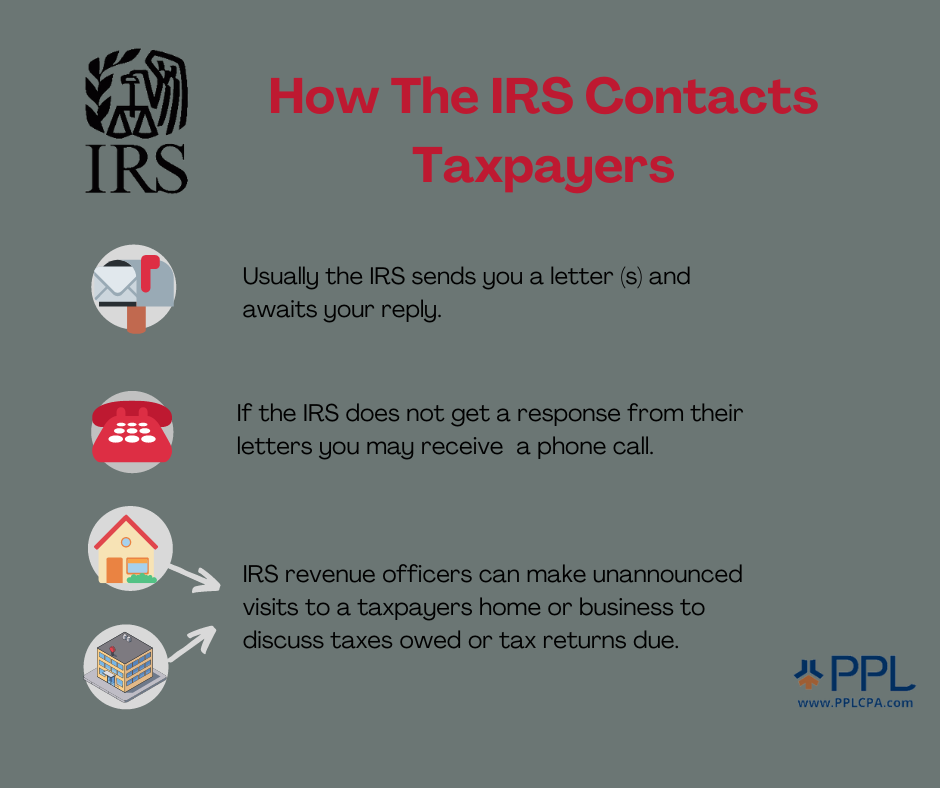
The prospect of an IRS audit can be daunting for many, but it’s an infrequent occurrence for most taxpayers. Audits are examinations of an individual’s financial information to ensure that items are reported correctly and in accordance with tax laws. They can be triggered by discrepancies between reported income and third-party information (like W-2s), unusually high deductions for one’s income level, or random selection. If selected for an audit, taxpayers typically receive notification by mail. It’s crucial to respond promptly, provide requested documentation, and, if necessary, seek professional advice from a tax accountant or enrolled agent. Discrepancies found during an audit can lead to additional tax assessments, penalties, and interest. Understanding the audit process, maintaining meticulous records, and responding transparently are key strategies for navigating such situations successfully and minimizing financial repercussions.
The IRS and Businesses: Ensuring Compliance and Growth
For businesses, regardless of their size or structure, the IRS is an ever-present factor in their financial operations. Compliance with federal tax laws is not just a legal obligation but a strategic component of sustainable business finance, impacting cash flow, profitability, and legal standing.
Employer Identification Numbers (EINs) and Business Types

Every business in the U.S. that has employees or operates as a corporation or partnership must obtain an Employer Identification Number (EIN) from the IRS. This nine-digit number acts as a federal tax ID, much like a Social Security Number for individuals, and is essential for opening bank accounts, filing tax returns, and processing payroll. The IRS recognizes various business structures—sole proprietorships, partnerships, S corporations, C corporations, and LLCs (limited liability companies)—each with distinct tax implications. Understanding how the IRS categorizes and taxes each business type is fundamental for entrepreneurs during formation and throughout the business lifecycle, as it directly influences tax liabilities, reporting requirements, and opportunities for deductions and credits.
Payroll Taxes and Reporting Requirements
Businesses that employ staff face a complex web of payroll tax responsibilities. These include withholding federal income tax from employee wages, as well as collecting and remitting Social Security and Medicare taxes (FICA), which are matched by the employer. Additionally, businesses are responsible for federal unemployment tax (FUTA). These taxes are typically paid to the IRS on a quarterly or semi-weekly basis, depending on the amount owed. Beyond collecting and remitting these funds, businesses must also file various payroll tax forms, such as Form 941 (Employer’s Quarterly Federal Tax Return) and provide employees with W-2 forms annually. Failure to accurately withhold, remit, or report payroll taxes can lead to severe penalties, including personal liability for business owners, making strict adherence to IRS guidelines paramount for business finance.
Tax Credits and Deductions for Businesses
While the IRS collects taxes, it also offers numerous provisions designed to encourage specific business activities, investments, and job creation through tax credits and deductions. Deductions reduce a business’s taxable income, while credits directly reduce the amount of tax owed, dollar-for-dollar. Examples include deductions for business expenses like rent, utilities, salaries, and depreciation of assets, as well as credits for research and development, hiring specific types of employees, or investing in energy-efficient property. Proactively understanding and utilizing these provisions can significantly impact a business’s bottom line, allowing for reinvestment, growth, and improved financial health. Businesses often consult with tax professionals to ensure they are taking advantage of all eligible tax benefits while remaining fully compliant with IRS regulations.
Modernizing Tax Administration: Technology and Future Trends
The IRS, like any large administrative body, is continually striving to enhance its efficiency, improve taxpayer service, and combat evolving threats through technological advancements. This drive towards modernization profoundly impacts how money is collected, managed, and how taxpayers interact with the federal government.
Digital Tools and Online Services
In recent decades, the IRS has made significant strides in digitalizing its services. Taxpayers can now file returns electronically through e-file, often receiving refunds much faster than with paper returns. The IRS website (IRS.gov) serves as a comprehensive portal, offering tools like “Where’s My Refund?”, online payment options, downloadable forms and publications, and an interactive tax assistant. Business owners can apply for an EIN online, and individuals can access their tax transcripts. These digital tools aim to streamline the tax process, reduce errors, and make compliance more accessible. However, the continuous need for investment in secure and user-friendly technology remains a critical challenge for the agency, impacting its ability to deliver modern financial services to a digitally-native populace.
Combating Tax Fraud and Identity Theft
With the increase in digital transactions and personal data online, combating tax fraud and identity theft has become a paramount concern for the IRS. Fraudsters often attempt to file false returns using stolen Social Security Numbers to claim fraudulent refunds. The IRS employs sophisticated data analytics and predictive modeling to identify suspicious patterns and protect taxpayers. It also works closely with law enforcement agencies to investigate and prosecute tax-related crimes. For taxpayers, safeguarding personal information, using strong passwords, and being vigilant against phishing scams are crucial steps in preventing identity theft that could compromise their financial standing with the IRS. Education and awareness campaigns are integral to empowering individuals to protect their money and identity against these ever-present threats.
Future Initiatives and Taxpayer Experience
Looking ahead, the IRS is focused on further enhancing the taxpayer experience through continued modernization efforts. This includes exploring the use of artificial intelligence for customer service and compliance, improving data security, and developing more proactive outreach programs. Discussions around pre-filled tax returns or simplified filing options are part of a broader conversation about making tax compliance less burdensome. The goal is to create a more responsive, efficient, and user-friendly tax system that leverages technology to serve the public better, ensuring that the collection of federal revenue is as seamless and fair as possible in an increasingly complex financial world. These initiatives are not merely technological upgrades; they represent a fundamental shift in how the government interacts financially with its citizens and businesses.
Beyond Collections: The Broader Economic Role of the IRS
While its core function is tax collection and enforcement, the IRS’s influence extends far beyond mere fiscal administration. It plays a significant, albeit often indirect, role in shaping the nation’s economy, supporting public welfare, and fostering societal equity.
Funding Public Services and Infrastructure
The most direct and evident economic role of the IRS is its function as the primary revenue generator for the federal government. The trillions of dollars it collects annually fund virtually every aspect of public life, from national defense, homeland security, and foreign policy to critical infrastructure projects like roads, bridges, and public transportation. These funds also support vital public services such as education, healthcare (Medicare and Medicaid), social security, environmental protection, and scientific research. Without the IRS’s efficient operation, the government’s ability to provide these essential services and maintain a functioning society would be severely hampered, making it a cornerstone of national financial stability and public well-being.
Economic Stimulus and Support Programs
Beyond its regular revenue collection, the IRS is often instrumental in the administration of economic stimulus and support programs mandated by Congress. During economic downturns or crises, such as the COVID-19 pandemic, the IRS was tasked with distributing billions of dollars in economic impact payments (stimulus checks) directly to individuals and families. It also administers various tax credits designed to support specific economic goals, such as the Earned Income Tax Credit (EITC) and the Child Tax Credit (CTC), which aim to alleviate poverty and support working families. These programs inject money directly into the economy, stimulate consumer spending, and provide a financial safety net, demonstrating the IRS’s crucial role as a conduit for government economic policy and financial relief.
Promoting Tax Fairness and Compliance
A well-functioning tax system relies on public trust and a sense of fairness. The IRS contributes to this by enforcing tax laws consistently and pursuing those who attempt to evade their obligations. When individuals and businesses perceive that others are paying their fair share, compliance rates tend to be higher. By investigating tax fraud, pursuing delinquent accounts, and providing clear guidance, the IRS helps to level the playing field, ensuring that the burden of taxation is distributed equitably. This focus on compliance and fairness is not just about collecting more money; it’s about maintaining the social contract between the government and its citizens, fostering a stable economic environment where everyone contributes to the collective good. The IRS, therefore, is not merely a tax agency, but a vital instrument for upholding economic justice and societal cohesion, ensuring the financial health of the nation for generations to come.
aViewFromTheCave is a participant in the Amazon Services LLC Associates Program, an affiliate advertising program designed to provide a means for sites to earn advertising fees by advertising and linking to Amazon.com. Amazon, the Amazon logo, AmazonSupply, and the AmazonSupply logo are trademarks of Amazon.com, Inc. or its affiliates. As an Amazon Associate we earn affiliate commissions from qualifying purchases.