
In an increasingly digitized world, the concept of “e-file” has become ubiquitous, touching various facets of our lives, from submitting tax returns to filing legal documents and academic applications. At its core, e-file refers to the electronic transmission of data or documents directly to a recipient organization, often a government agency or large institution, through a secure, online system. It represents a monumental shift from archaic paper-based processes, leveraging sophisticated technology to enhance efficiency, accuracy, and accessibility. This article delves into the technological underpinnings of e-file, exploring its evolution, operational mechanics, core enabling technologies, advantages, challenges, and future trajectory, all through the lens of a technological framework.
The Evolution of E-File: From Paper to Pixels
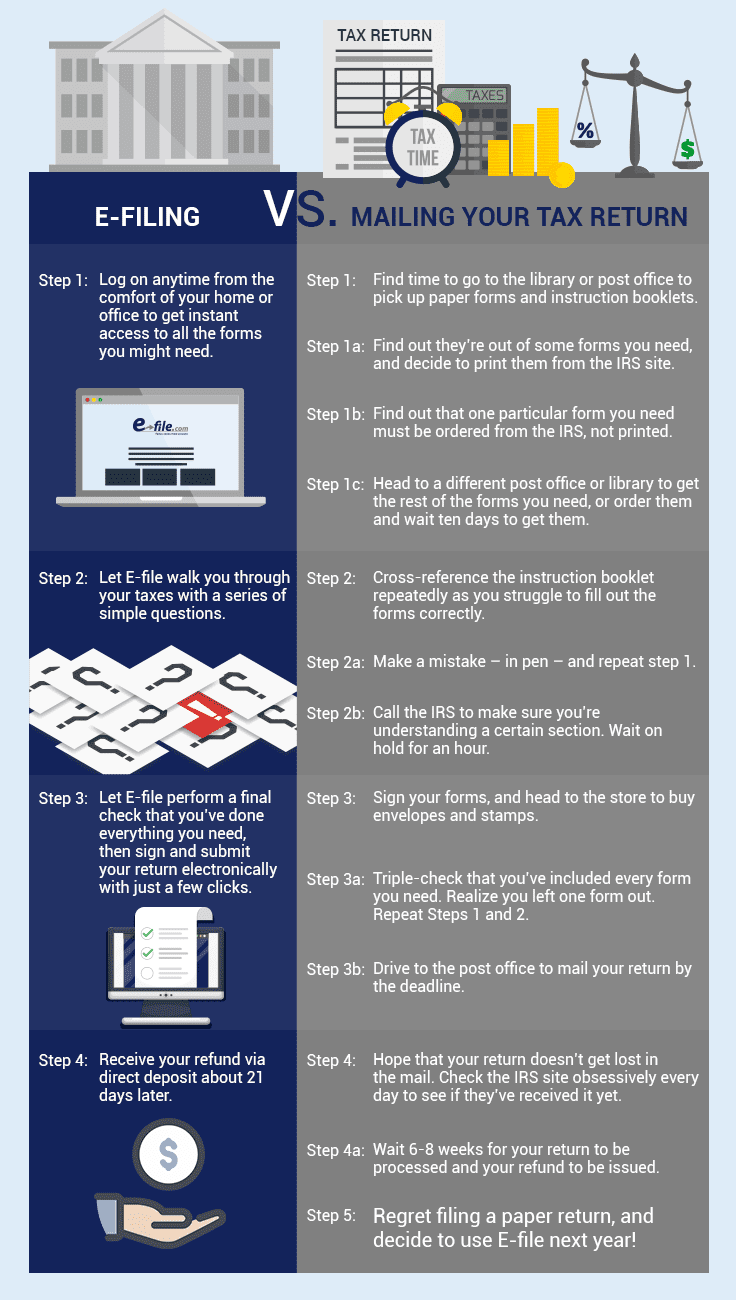
The journey from bulky paper archives and manual submissions to instant digital transmissions is a testament to the transformative power of information technology. Understanding this evolution provides critical context for appreciating the complexity and utility of modern e-file systems.
The Analog Era: Challenges of Paper-Based Filing
For centuries, official documentation and record-keeping were synonymous with paper. Whether it was tax forms, legal briefs, or applications, the process involved reams of paper, ink, and significant manual labor. This analog era was plagued by numerous inefficiencies and vulnerabilities. Physical forms were prone to loss, damage, or misplacement. The submission process often required in-person visits or slow postal services, leading to delays and administrative bottlenecks. Manual data entry on the recipient end was fertile ground for human error, resulting in transcription mistakes, data inconsistencies, and the arduous task of verification. Furthermore, storing vast quantities of paper necessitated extensive physical space, specialized archiving, and complex retrieval systems, all of which were costly and environmentally unsustainable. The lack of real-time data access meant that information processing and decision-making were inherently slow, often creating frustrating waiting periods for individuals and organizations alike. The limitations of the analog system underscored a pressing need for a more robust, efficient, and reliable method for handling critical information.
The Digital Revolution: Birth of Electronic Filing Systems
The advent of personal computers, the internet, and secure data transmission protocols in the late 20th century laid the groundwork for the digital revolution in filing. Early e-file systems emerged as a direct response to the inefficiencies of paper-based methods, initially focusing on high-volume, standardized processes like tax filing. These pioneering systems sought to convert physical forms into digital templates, enabling users to input information directly into a computer interface. The breakthrough came with the ability to transmit this data electronically over secure networks, bypassing the physical mail system entirely. Governments and large organizations were early adopters, recognizing the immense potential for cost savings, increased processing speed, and improved data accuracy. The initial stages involved complex proprietary software and dedicated lines, gradually evolving into more user-friendly web-based platforms accessible to the general public. This shift not only streamlined administrative tasks but also empowered individuals and businesses with greater control over their filing processes, marking a pivotal moment in the modernization of information exchange. The transition symbolized a move from a labor-intensive, error-prone system to an automated, precision-driven technological solution.
How E-File Works: A Deep Dive into the Technical Process
At its core, an e-file system is a sophisticated technological pipeline designed for secure data transmission and processing. Understanding its operational mechanics reveals the intricate interplay of software, network protocols, and backend infrastructure that makes digital submissions possible.
User Interface and Data Entry: The Front End
The user’s initial interaction with an e-file system occurs through a user-friendly interface, typically a web-based portal or a dedicated software application. This front-end is meticulously designed to mimic familiar paper forms, often enhanced with interactive features. Users input their information into structured fields, which are usually validated in real-time to ensure data integrity. Intelligent forms can include dropdown menus, checkboxes, and auto-fill functionalities that minimize typing and reduce errors. Behind this intuitive façade, the interface employs various programming languages (e.g., JavaScript, HTML, CSS) and frameworks (e.g., React, Angular, Vue.js) to create a dynamic and responsive user experience. Input data is temporarily stored in memory or local storage, awaiting final submission. Crucially, the design prioritizes clarity and guidance, often featuring help texts, progress indicators, and error messages to assist users throughout the filing process. The quality of this front-end is paramount to user adoption and satisfaction, making complex processes accessible to a broad audience regardless of technical proficiency.
Data Transmission and Encryption: Securing the Digital Pipeline
Once data entry is complete, the critical phase of data transmission begins. This is where the security of e-file systems truly comes into play. When a user clicks “submit,” the data is not sent in raw, unprotected form. Instead, it undergoes a rigorous encryption process. The user’s browser or application establishes a secure connection with the recipient server, typically using Secure Sockets Layer (SSL) or its successor, Transport Layer Security (TLS) protocols. These protocols encrypt the data packet, transforming it into an unreadable format that is indecipherable to unauthorized entities. The data travels across the internet through a series of network routers and servers, but thanks to encryption, any interception along the way would yield only garbled information. The encrypted data payload often includes metadata such as timestamps, user identifiers, and digital signatures to verify authenticity and integrity. This digital pipeline is engineered to be resilient against various cyber threats, including eavesdropping, tampering, and man-in-the-middle attacks, ensuring that sensitive information reaches its intended destination securely and privately.
Backend Processing and Acknowledgment: The System’s Response
Upon successful receipt by the recipient organization’s server, the encrypted data is decrypted and undergoes a series of backend processing steps. The server, often housed within a secure data center, first verifies the digital signature to confirm the sender’s identity and ensure the data hasn’t been altered during transit. Next, sophisticated algorithms perform extensive data validation, checking for structural integrity, adherence to required formats, and logical consistency against predefined rules (e.g., matching social security numbers with names, checking calculation logic in tax forms). Any discrepancies or errors detected at this stage are typically flagged, and an error message is generated to be sent back to the user for correction. If the data passes all validation checks, it is then routed to the relevant internal systems for further processing, such as database storage, automated calculations, or human review. Crucially, the system sends an immediate acknowledgment back to the sender, confirming successful receipt and often providing a unique tracking number. This acknowledgment serves as vital proof of submission, offering peace of mind and traceability for the user.
Role of Intermediaries: Software Providers and Transmitters
In many e-file ecosystems, particularly those involving complex regulatory filings like taxes, specialized intermediaries play a crucial role. These are often third-party software providers (e.g., tax preparation software companies) and authorized transmitters. Software providers develop the user-friendly applications and web services that simplify data entry and calculation for end-users. They ensure their software is compliant with the latest regulatory requirements and technical specifications set by the recipient organizations (e.g., IRS e-file specifications). Once the user prepares their filing, the software often packages the data into a standardized format, such as an XML schema, ready for transmission. Authorized transmitters act as secure conduits, sending the prepared data directly to the governmental agency. These transmitters are typically highly secure, certified entities that maintain direct, high-bandwidth connections and robust security protocols, ensuring reliable and compliant transmission. This multi-layered architecture distributes the workload, leverages specialized expertise, and enhances the overall security and efficiency of the e-file process.
The Core Technologies Enabling E-File
The reliability and security of e-file systems are not accidental; they are the result of integrating several advanced technological components. These foundational technologies form the bedrock upon which trust in digital submissions is built.
Secure Sockets Layer (SSL)/Transport Layer Security (TLS)
SSL and its modern successor, TLS, are cryptographic protocols that provide secure communication over a computer network. They are fundamental to e-file systems, as they establish an encrypted link between a web server and a client (e.g., a user’s browser). When you see “HTTPS” in a web address, it signifies that SSL/TLS is in use. This technology ensures that all data transmitted between the user and the e-file server remains private and protected from eavesdropping. Beyond encryption, SSL/TLS also provides authentication, verifying the identity of the server to the client, preventing sophisticated phishing attacks where users might unknowingly submit data to malicious sites. This two-pronged approach of encryption and authentication is indispensable for safeguarding sensitive personal and financial information during the e-filing process.
Digital Signatures and Authentication Protocols
For e-file systems to be legally binding and trustworthy, they must incorporate robust methods for proving the identity of the submitter and ensuring the integrity of the submitted document. Digital signatures serve this purpose. Using public-key cryptography, a digital signature creates a unique, encrypted hash of a document that is tied to the signer’s identity. This hash changes if even a single character in the document is altered, thereby providing proof of data integrity. Alongside digital signatures, various authentication protocols are employed to verify the user’s identity before they can access and submit documents. This can range from multi-factor authentication (MFA) requiring a password plus a one-time code from a mobile device, to biometric authentication methods like fingerprint or facial recognition. These technologies collectively ensure non-repudiation (the inability to deny having sent a message) and strong identity verification, crucial for official filings.
Cloud Computing and Scalable Infrastructure
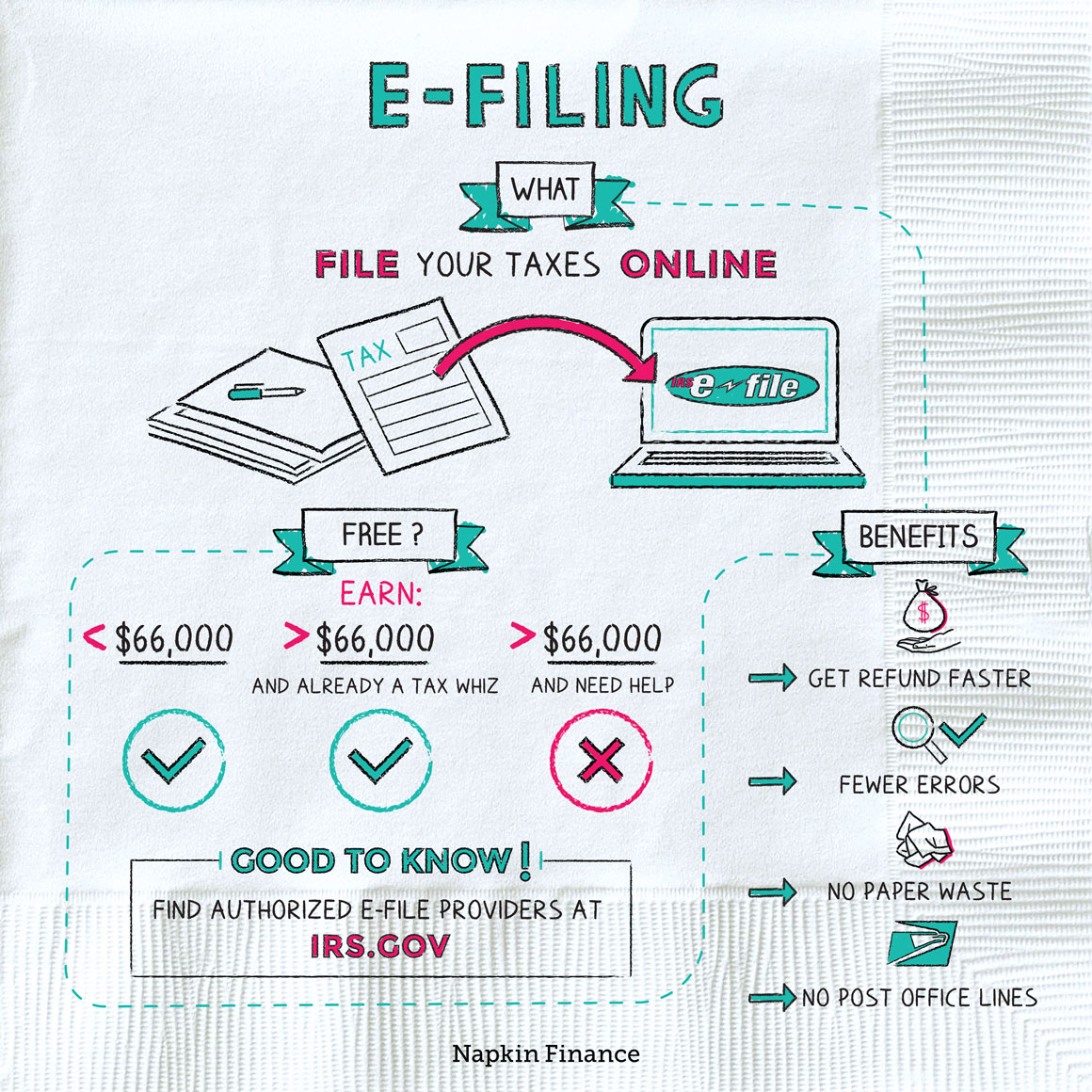
The ability of e-file systems to handle massive volumes of submissions, especially during peak periods (e.g., tax season), is largely due to the adoption of cloud computing. Cloud infrastructure provides unparalleled scalability, allowing systems to dynamically allocate computing resources (servers, storage, bandwidth) as demand fluctuates. Instead of maintaining expensive, underutilized on-premise data centers, e-file providers can leverage public or private cloud services to expand capacity within minutes, ensuring seamless performance even under extreme load. Furthermore, cloud environments often offer inherent advantages in terms of redundancy, disaster recovery, and global distribution, enhancing the reliability and availability of e-file services. This flexibility is critical for government agencies and large corporations that face predictable, yet significant, surges in filing activity.
Data Validation and Error Checking Algorithms
A significant technological advantage of e-file over paper is its superior ability to catch errors before submission. This is achieved through sophisticated data validation and error-checking algorithms embedded within the e-file software. These algorithms meticulously scan input data against a set of predefined rules and logical constraints. For example, a tax e-file system might automatically flag an income entry that is inconsistent with declared deductions, or detect if a mandatory field has been left blank. These checks range from simple format validation (e.g., ensuring a phone number is 10 digits) to complex cross-field validation (e.g., verifying that a child’s age is consistent with dependency claims). By identifying and prompting users to correct errors in real-time, these algorithms drastically reduce processing delays, resubmissions, and potential penalties, leading to higher accuracy rates and a smoother experience for both filers and recipient organizations.
Advantages and Challenges of E-File from a Tech Perspective
E-file represents a significant technological leap, offering numerous benefits while also presenting unique challenges that require continuous innovation and vigilance.
Enhanced Accuracy and Reduced Manual Errors
From a technological standpoint, one of the most compelling advantages of e-file is its ability to drastically improve data accuracy. The integrated validation and error-checking algorithms described earlier perform automated, real-time reviews of submitted data, catching inconsistencies and omissions that would typically go unnoticed in manual paper processes. This leads to a substantial reduction in human error, which in turn minimizes the need for follow-up correspondence, corrections, and reprocessing. For both individuals and organizations, this translates into more reliable data, faster processing times, and fewer administrative headaches. The systematic enforcement of data standards at the point of entry ensures higher quality data throughout the entire ecosystem.
Speed, Efficiency, and Accessibility
The digital nature of e-file inherently delivers unparalleled speed and efficiency. Submissions are near-instantaneous, eliminating geographical barriers and the delays associated with physical mail. This rapidity is beneficial for time-sensitive filings, allowing individuals and businesses to meet deadlines with greater ease. From the recipient’s perspective, automated processing means data can be ingested, validated, and routed within seconds, rather than days or weeks. Furthermore, e-file dramatically increases accessibility, as submissions can be made 24/7 from virtually any location with internet access. This convenience democratizes the filing process, making it available to a broader segment of the population, including those in remote areas or with limited mobility.
Robust Security Measures and Data Protection
While digital systems inherently carry cyber risks, modern e-file platforms are engineered with robust, multi-layered security measures that often surpass the security of physical documents. The use of strong encryption (SSL/TLS), secure servers, firewalls, intrusion detection systems, and strict access controls protects sensitive data in transit and at rest. Digital signatures and multi-factor authentication protocols fortify identity verification and ensure document integrity. Moreover, audit trails meticulously log all activities within the system, providing accountability and traceability. These technological safeguards are continuously updated and monitored by cybersecurity experts, aiming to provide a higher level of data protection than traditionally afforded by paper records, which are vulnerable to physical theft, damage, or unauthorized viewing.
Overcoming Technical Hurdles: User Experience and Infrastructure
Despite its advantages, e-file is not without its technical challenges. Ensuring a seamless and intuitive user experience (UX) is paramount, especially for complex forms or diverse user demographics. Designing interfaces that are simple yet comprehensive, and accessible across various devices and operating systems, requires continuous development and user testing. Another significant challenge lies in maintaining the underlying technical infrastructure. E-file systems demand high availability, robust performance, and scalable architecture to handle immense loads during peak periods. This necessitates constant server maintenance, network optimization, and regular software updates to patch vulnerabilities and introduce new features. Furthermore, the interoperability between different e-file systems and backend governmental databases can be technically complex, requiring standardized data formats and secure API integrations to ensure smooth data flow across the broader digital ecosystem.
The Future of E-File: Innovations and Emerging Trends
The evolution of e-file is far from complete. As technology continues to advance, so too will the capabilities and sophistication of digital submission systems. The future promises even greater integration, intelligence, and security.
AI and Machine Learning for Smart Filing
Artificial Intelligence (AI) and Machine Learning (ML) are poised to revolutionize e-file processes. AI-powered assistants could guide users through complex forms, offering personalized advice and automatically flagging potential issues based on contextual understanding rather than just rule-based checks. ML algorithms can analyze historical data patterns to predict common errors, provide intelligent auto-fill suggestions, and even optimize the submission process for individual users. For recipient organizations, AI can significantly enhance fraud detection, automating the identification of suspicious patterns that human reviewers might miss. Natural Language Processing (NLP) could allow users to describe their situation in plain language, with the system translating it into the correct form fields, making e-filing more intuitive and less reliant on technical jargon.
Blockchain for Enhanced Trust and Transparency
Blockchain technology, with its decentralized and immutable ledger, offers intriguing possibilities for the future of e-file. Each submission could be recorded as a transaction on a blockchain, creating an unalterable, transparent, and verifiable record of every filing. This could eliminate disputes over submission times, document authenticity, and data integrity. Smart contracts, self-executing contracts with the terms of the agreement directly written into code, could automate certain aspects of filing and verification, triggering actions once specific conditions are met (e.g., automatically processing a refund after tax filing is verified). While widespread adoption faces scalability and regulatory challenges, blockchain’s potential to enhance trust, security, and auditability in e-file systems is significant.
Mobile-First E-Filing and Biometric Authentication
As smartphones become the primary computing device for many, the future of e-file will increasingly be mobile-first. Dedicated mobile apps will offer streamlined, responsive interfaces optimized for small screens, allowing users to complete filings entirely from their devices. This shift will be complemented by advanced biometric authentication methods, such as fingerprint scanning, facial recognition, and even voice authentication. These technologies offer a more convenient and secure way for users to verify their identity than traditional passwords, reducing friction while maintaining high security standards. The integration of mobile camera capabilities could also enable instant document scanning and data extraction, further simplifying the process.
Integration with Broader Digital Ecosystems
The future of e-file will see greater integration with a broader digital ecosystem. Imagine e-file systems that seamlessly connect with personal finance management tools, cloud storage services, and even enterprise resource planning (ERP) systems. This interconnectedness could allow for automatic data population from various sources, eliminating the need for manual data transfer and significantly reducing errors. For example, tax software could pull income data directly from banking apps or payroll systems with user consent. This move towards a more holistic digital environment will make e-filing an embedded, frictionless part of users’ daily digital lives, rather than a standalone, occasional task, driving unprecedented levels of efficiency and user convenience.
Conclusion
E-file stands as a cornerstone of modern digital administration, a testament to how technology can revolutionize complex, paper-intensive processes. From its humble beginnings as a solution to paper-based inefficiencies, it has evolved into a sophisticated technological marvel underpinned by encryption, secure protocols, cloud infrastructure, and intelligent algorithms. Its advantages in accuracy, speed, efficiency, and security have profoundly impacted how individuals and organizations interact with critical information and regulatory bodies. As we look ahead, the integration of AI, blockchain, mobile-first design, and deeper ecosystem integration promises to further refine and enhance e-file, making it even more intuitive, intelligent, and indispensable in our increasingly digital world. The journey of e-file is a continuous narrative of technological innovation, constantly adapting to new challenges and opportunities to build a more connected, efficient, and secure future for digital submissions.
aViewFromTheCave is a participant in the Amazon Services LLC Associates Program, an affiliate advertising program designed to provide a means for sites to earn advertising fees by advertising and linking to Amazon.com. Amazon, the Amazon logo, AmazonSupply, and the AmazonSupply logo are trademarks of Amazon.com, Inc. or its affiliates. As an Amazon Associate we earn affiliate commissions from qualifying purchases.