
While the title “What’s the Average Weight of a Cat” might seem straightforward, delving into the topic reveals a fascinating interplay of factors that extend far beyond a simple numerical answer. This exploration, viewed through the lens of our website’s core pillars – Tech, Brand, and Money – offers a surprisingly nuanced perspective on our feline companions. We’ll discover how technology influences our understanding of cat health, how branding plays a role in pet product marketing, and how responsible pet ownership translates into financial considerations.
The Elusive Average: Factors Influencing a Cat’s Weight
Pinpointing a single “average” weight for a cat is akin to finding a universal average for human height – it’s a statistic that masks a vast spectrum of individual variation. Several key factors contribute to this variability, and understanding them is crucial for both pet owners and those involved in the pet industry.

Breed: The Genetic Blueprint
Just as certain dog breeds are predisposed to specific traits and sizes, so too are cats. The genetic makeup inherited from a cat’s breed forms the foundational blueprint for their potential size and build.
Purebred Ponderings
Purebred cats often exhibit more predictable size ranges. For instance, Maine Coons, renowned for their impressive stature, can easily reach 15-25 pounds or even more, making them one of the largest domestic cat breeds. On the other end of the spectrum, breeds like the Siamese or the Singapura are typically much smaller, often weighing between 5-10 pounds. Other breeds, such as the Ragdoll, known for their large, floppy bodies, or the British Shorthair, with their stocky build, fall somewhere in between.
The Mighty Moggy
For the vast majority of pet owners, their beloved feline friend is a mixed breed, often referred to as a “moggie” or domestic shorthair/longhair. This genetic cocktail means a wider range of potential sizes, making it even more challenging to assign a single average. However, research and anecdotal evidence suggest that the typical domestic cat, when healthy and at an ideal weight, often falls within the 8-10 pound range. This figure, though a generalization, serves as a common reference point.
Age: The Journey from Kitten to Senior
A cat’s weight will naturally fluctuate throughout its life, mirroring the growth and developmental stages experienced by all living beings.
The Tiny Terrors: Kittens
Newborn kittens are minuscule, weighing mere ounces. Their weight gain is rapid during the first few months as they grow, learn to hunt (even if it’s just toys), and develop their skeletal and muscular systems. By the time they reach sexual maturity, around 6-12 months, they will have approached their adult size, though they may continue to fill out.
Prime of Life: Adult Cats
The adult years are when a cat typically reaches its stable weight, assuming good health and a balanced diet. This is the period where the concept of an “average” becomes most relevant, albeit still influenced by other factors.
The Golden Years: Senior Cats
As cats age, their metabolism can slow down, and their activity levels may decrease. This can lead to weight gain if their diet isn’t adjusted accordingly. Conversely, some senior cats may experience weight loss due to underlying health issues or decreased appetite. Monitoring weight in senior cats is particularly important for early detection of potential health problems.
Lifestyle and Diet: The Environmental Impact
Beyond genetics and age, a cat’s environment and the care it receives play a pivotal role in its weight.
The Sedentary vs. The Sprinter
Indoor-only cats, while often pampered and safe, generally have lower energy expenditure compared to outdoor or indoor-outdoor cats who engage in more natural behaviors like hunting, climbing, and exploring. This difference in activity level can significantly impact caloric needs and the tendency towards weight gain. A highly active cat will require more calories to maintain its weight than a couch potato companion.
Food for Thought: The Role of Nutrition
The type and amount of food a cat consumes are paramount. High-quality, species-appropriate cat food provides the necessary nutrients for healthy growth and maintenance. Overfeeding, feeding inappropriate human foods, or relying on low-quality, calorie-dense food can easily lead to obesity. Conversely, underfeeding or a lack of essential nutrients can result in underweight cats. This highlights the importance of understanding feline nutritional requirements.
Tech’s Influence on Understanding Feline Health
Technology, a cornerstone of our website’s focus, has revolutionized how we approach pet care, including understanding and managing our cats’ weight. While the core biological principles remain, tech provides us with powerful tools for data collection, analysis, and personalized care.
Smart Devices for Smarter Pet Parents
The rise of smart pet technology is directly impacting how we monitor our cats’ well-being.
Connected Scales and Feeders
From smart pet scales that track your cat’s weight over time, automatically logging data and alerting you to significant changes, to automated feeders that dispense precise portions of food at scheduled times, technology is empowering owners with objective data. These devices move beyond guesswork, providing actionable insights into feeding habits and weight trends. This data can be invaluable when discussing your cat’s health with your veterinarian.
Wearable Tech for Feline Fitness?
While still in its nascent stages for cats, the concept of wearable fitness trackers for pets is gaining traction. Imagine a collar that monitors activity levels, sleep patterns, and even calorie expenditure. Such technology could offer a more comprehensive picture of a cat’s daily energy balance, helping owners tailor diets and exercise routines more effectively.
AI and Data Analysis for Predictive Health
Artificial intelligence (AI) and sophisticated data analysis are transforming veterinary medicine and pet ownership.

Predictive Health Insights
By analyzing large datasets of feline health records, including weight, breed, age, diet, and activity levels, AI algorithms can identify patterns and predict potential health risks. This could mean early detection of conditions like obesity-related diseases (diabetes, arthritis), or even identifying subtle changes that might indicate underlying illnesses. For instance, a slight, consistent weight loss that might go unnoticed by an owner could be flagged by an AI system analyzing data from a smart scale.
Personalized Nutrition Recommendations
AI-powered platforms can analyze a cat’s individual profile – including breed, age, activity level, and even genetic predispositions – to offer highly personalized nutrition recommendations. This goes beyond generic advice, potentially leading to more effective weight management strategies and improved overall health. These systems can also integrate with smart feeders for automated dietary adjustments.
Branding and the Pet Industry: Shaping Perceptions and Purchases
The pet industry is a massive and growing market, and branding plays a crucial role in how consumers perceive and purchase products for their cats. When we talk about a cat’s weight, it’s indirectly tied to the products designed to maintain that weight.
The “Healthy Cat” Image: Marketing Strategies
Pet food manufacturers, toy companies, and accessory brands all leverage branding to appeal to pet owners’ desire for their cats to be healthy and happy.
The Promise of Optimal Weight
Many cat food brands heavily market their products with claims of supporting “optimal weight,” “lean muscle,” or “healthy metabolism.” These messages tap into an owner’s concern about their cat’s weight, subtly influencing purchasing decisions. The packaging often features images of sleek, active cats, creating an aspirational brand image.
The Role of Influencers and Endorsements
Just as in human markets, pet influencers and celebrity endorsements can sway consumer behavior. A popular “catfluencer” showcasing a particular brand of food or a specific type of interactive toy can create significant demand. This highlights how branding can create a perceived association between a product and a healthy feline lifestyle, impacting what owners believe is best for their pets.
The Science Behind the Brand: Case Studies and Innovation
Behind every successful pet brand is often a commitment to research and development.
Nutritional Science in Product Development
Leading pet food companies invest heavily in understanding feline nutrition and physiology. This research, often presented in case studies and white papers, informs their product development. When a brand claims to help manage a cat’s weight, it’s often backed by scientific formulations designed to meet specific caloric and nutrient needs.
Innovation in Pet Products
The drive for innovation, fueled by brand competition, leads to new and improved products. This could range from specialized “weight management” kibble with lower calorie density and added fiber for satiety, to advanced interactive toys designed to encourage more physical activity. These innovations, often highlighted in product reviews and marketing materials, aim to address the practical challenges of keeping a cat at a healthy weight.
Money Matters: The Financial Implications of Feline Well-being
Responsible pet ownership, which includes managing a cat’s weight, has direct and indirect financial implications.
The Cost of Overfeeding vs. Underfeeding
The economic consequences of a cat’s weight can be significant.
The Expense of Obesity
Obesity in cats can lead to a host of health problems, including diabetes, arthritis, urinary tract issues, and heart disease. Treating these conditions involves ongoing veterinary care, specialized diets, and potentially medication, all of which represent significant financial burdens for pet owners. Investing in preventative care and a balanced diet is often far more cost-effective in the long run than managing chronic illness.
The Pitfalls of Poor Nutrition
Conversely, underfeeding or providing a diet lacking in essential nutrients can also lead to health problems, albeit different ones. Malnutrition can result in a weakened immune system, poor coat quality, and developmental issues in kittens. Addressing these can also incur veterinary costs. Finding a balance that provides adequate nutrition without excess is key.
Investing in Pet Health: Financial Tools and Strategies
Managing a cat’s weight effectively requires a financial commitment, but there are ways to approach it strategically.
Budgeting for Quality Food and Care
Pet owners need to budget for high-quality cat food that meets their cat’s specific nutritional needs. This might involve choosing premium brands or consulting with a veterinarian for tailored recommendations. Additionally, regular veterinary check-ups, even for seemingly healthy cats, are crucial for monitoring weight and detecting early signs of health issues.
Pet Insurance as a Financial Buffer
For unexpected health issues that may arise due to or exacerbated by weight, pet insurance can be a valuable financial tool. While it doesn’t directly address weight management, it can help mitigate the costs associated with treating weight-related illnesses, providing peace of mind for owners.
The Economic Landscape of the Pet Industry
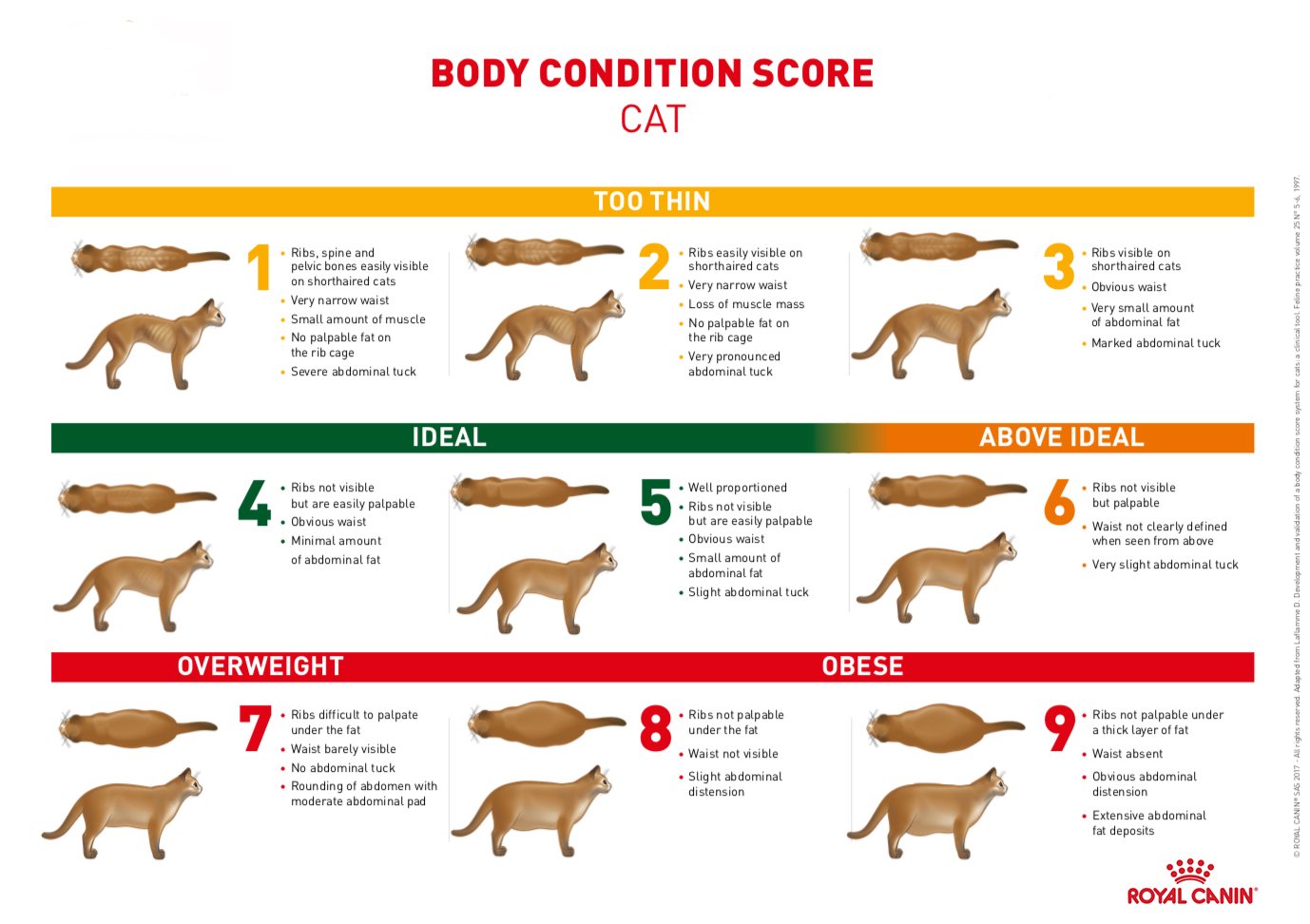
From a broader perspective, the pet industry represents a significant economic sector. The demand for cat food, veterinary services, and pet accessories is driven by millions of pet owners. Understanding the average weight of cats, and the factors influencing it, informs market research, product development, and marketing strategies for businesses operating within this space. This constant interplay between consumer needs and business innovation shapes the financial landscape of pet ownership.
In conclusion, while the question “what’s the average weight of a cat” may seem simple, it opens a gateway to a complex and interconnected world. From the genetic predispositions of breeds and the life stages of our feline friends, to the transformative power of technology, the strategic branding of pet products, and the very real financial considerations of responsible pet ownership, understanding the nuances of a cat’s weight offers a profound insight into the human-animal bond and the industries that support it.
aViewFromTheCave is a participant in the Amazon Services LLC Associates Program, an affiliate advertising program designed to provide a means for sites to earn advertising fees by advertising and linking to Amazon.com. Amazon, the Amazon logo, AmazonSupply, and the AmazonSupply logo are trademarks of Amazon.com, Inc. or its affiliates. As an Amazon Associate we earn affiliate commissions from qualifying purchases.