
Navigating the complexities of unfiled tax returns, often referred to as “back taxes,” can feel daunting. The thought of potential penalties, interest, and the sheer effort involved in catching up can paralyze many. However, ignoring the issue only compounds the problem. The good news is that numerous resources exist to help taxpayers file back taxes for free, allowing them to regain compliance without incurring additional financial burdens from preparation fees. This guide will walk you through the essential steps and available avenues to resolve your back tax situation at no cost.

Understanding Back Taxes and Why Timely Resolution Matters
Before diving into the “how,” it’s crucial to understand what back taxes entail and the significance of addressing them promptly. “Back taxes” generally refer to unfiled income tax returns from previous years. It’s distinct from owing money on a return you’ve already filed; rather, it pertains to the complete absence of a filed return for a given tax period.
The Grave Consequences of Unfiled Returns
Ignoring the requirement to file your taxes, even if you believe you don’t owe, carries serious repercussions:
- Penalties and Interest: The IRS imposes a “failure-to-file” penalty, which is typically 5% of the unpaid taxes for each month or part of a month that a return is late, capped at 25% of your unpaid tax. If you also fail to pay, a “failure-to-pay” penalty is added, usually 0.5% of the unpaid taxes per month. Both penalties accrue alongside interest on the underpayment, which can escalate your debt significantly over time.
- Lost Refunds: If you are owed a refund, the IRS generally has a three-year statute of limitations from the original due date of the return to claim it. Fail to file within this window, and that refund is forfeited to the U.S. Treasury.
- Inability to Secure Loans or Aid: Many financial institutions and government agencies require proof of filed tax returns for loan applications, student aid, or even certain employment opportunities. Unfiled taxes can hinder your access to vital financial lifelines.
- Potential for Criminal Prosecution: While rare for simple oversight, willful failure to file or tax evasion can lead to severe criminal penalties, including fines and imprisonment.
- IRS Action: The IRS may eventually file a “Substitute for Return” (SFR) on your behalf. An SFR is almost always less favorable, as it typically only includes income reported by third parties (like W-2s or 1099s) and omits any deductions or credits you might be entitled to, potentially leading to a much higher tax bill.
The Urgency of Filing Late
The most important takeaway is that it is always better to file late than not at all. Filing stops the failure-to-file penalty from accumulating and provides the IRS with the necessary information to accurately assess your tax liability. It also opens the door to potential payment plans or relief programs if you find you owe money you can’t immediately pay.
Identifying Your Filing Needs and Gathering Resources
The first practical step in filing back taxes for free involves understanding precisely what needs to be filed and collecting all pertinent financial information.
Determine Which Years Are Outstanding
Begin by identifying every tax year for which you have not filed a return. The easiest way to verify this is by requesting your tax transcripts directly from the IRS. These transcripts are free and can be obtained online through the IRS Get Transcript tool, by mail, or by fax. Transcripts provide key information such as:
- Wage and Income Transcript: Shows data from information returns like W-2s, 1099s (for interest, dividends, independent contractor income), and K-1s. This is crucial for reconstructing your income.
- Account Transcript: Displays basic data such as marital status, type of return filed, adjustments made, and a list of transactions (like payments and penalties). It will also clearly indicate if a return for a particular year was never filed.
Gather Necessary Documentation
Once you know which years are outstanding, you’ll need to reconstruct your financial picture for each of those years. This includes:
- Income Records: W-2s (Wage and Tax Statements), 1099s (1099-INT, 1099-DIV, 1099-NEC, 1099-R), Schedule K-1s. If you don’t have these, your Wage and Income Transcript can help.
- Deduction and Credit Information: Records for mortgage interest (Form 1098), student loan interest (Form 1098-E), medical expenses, charitable contributions, child care expenses, education expenses, business expenses (if self-employed), and any other documents that support deductions or credits you may be eligible for.
- Prior Year Returns: If you filed in years immediately preceding or following the unfiled years, these can provide a useful template for your income and deductions.
Assess Your Eligibility for Free Services
Many free tax filing services have income limitations or specific demographic targets. Knowing your general income for the unfiled years will help you determine which free resources are available to you.
Official IRS and Government-Supported Free Filing Options
The most reliable avenues for free tax assistance, especially for back taxes, come directly from or are supported by the IRS itself.
Volunteer Income Tax Assistance (VITA) and Tax Counseling for the Elderly (TCE)
These programs are cornerstones of free tax preparation services and are often your best bet for filing back taxes.
- VITA: The Volunteer Income Tax Assistance program offers free tax help to people who generally make $64,000 or less, persons with disabilities, and limited English-speaking taxpayers. VITA sites are staffed by IRS-certified volunteers who can prepare basic tax returns. Importantly, many VITA sites are equipped to handle multiple prior-year returns, making them an excellent resource for back taxes.
- TCE: The Tax Counseling for the Elderly program specializes in tax issues unique to taxpayers age 60 and over, such as pensions and retirement-related income. Like VITA, TCE services are provided by IRS-certified volunteers and are free of charge, often able to assist with previous tax years.
To find a VITA or TCE site near you, visit the IRS website (irs.gov) and use their locator tool, or call their toll-free number. These services are typically available during tax season (January to April), but some sites operate year-round.
Low Income Taxpayer Clinics (LITCs)
Low Income Taxpayer Clinics (LITCs) are another invaluable resource, though their primary focus is different. LITCs represent low-income individuals in disputes with the IRS, conduct outreach and education on taxpayer rights, and can also assist with preparing prior year tax returns if they are part of an ongoing controversy or collection issue. These clinics are independent organizations funded by the IRS and provide services for free or a nominal fee. You can find a list of LITCs on the IRS website.
IRS Free File Program (with caveats for prior years)
The IRS Free File program allows taxpayers within certain income thresholds (adjusted annually, typically around $79,000 for the current year) to use free tax preparation software offered by commercial partners. While excellent for filing current year taxes, most Free File providers do not offer free prior-year tax preparation. If a provider does offer prior-year filing, it often comes with a fee. Therefore, Free File is generally not the go-to option for free back tax filing unless you qualify and specifically find a provider offering it at no cost.
Direct Filing with Paper Forms
For the truly DIY-inclined, and for a completely free method, you can always download, complete, and mail paper forms.
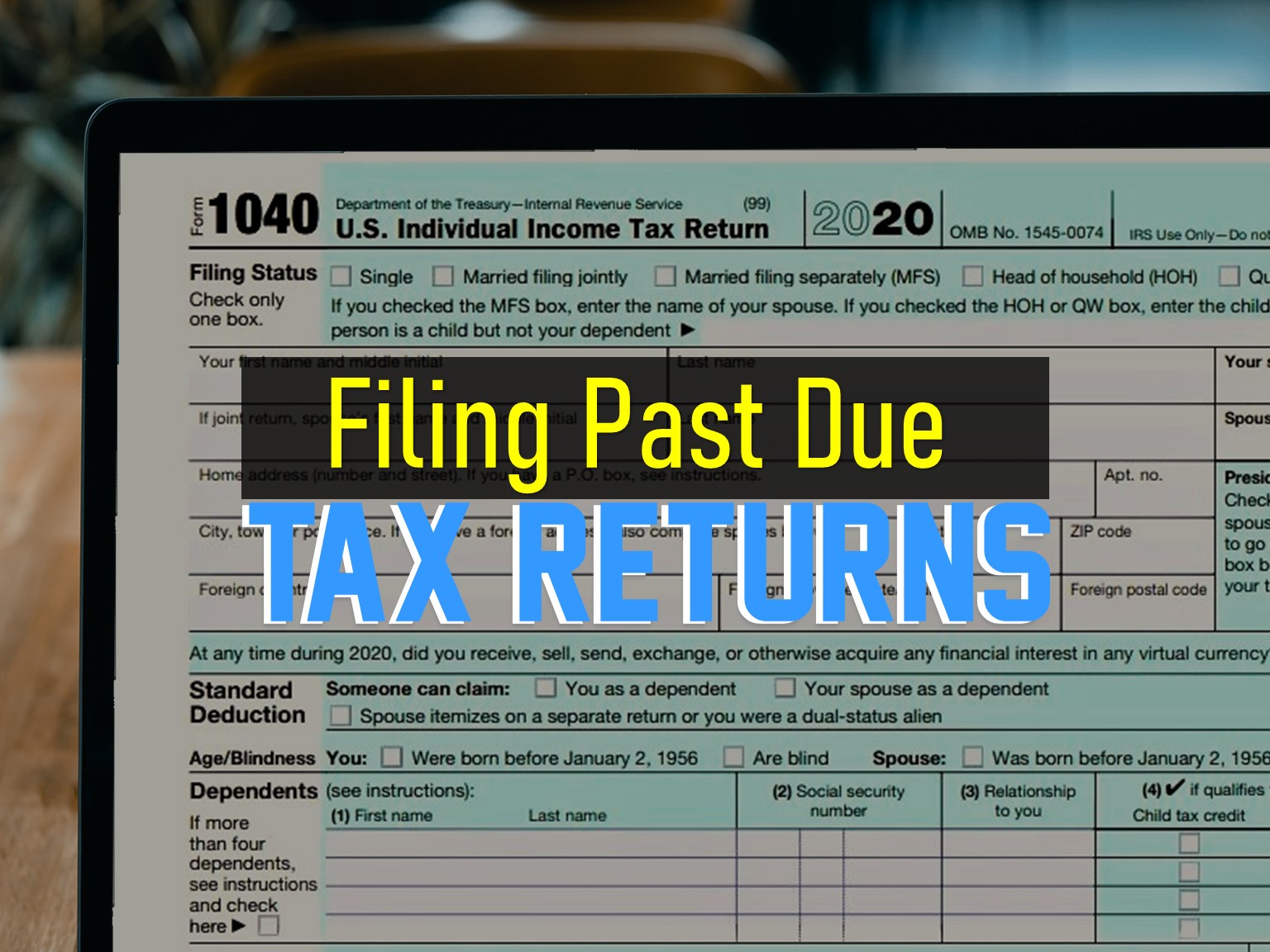
- IRS.gov is Your Resource: The IRS website maintains an archive of all prior-year tax forms and instructions. You can download the exact Form 1040 (or other relevant forms like 1040-SR for seniors, or 1040-NR for non-resident aliens) and its corresponding instructions for each year you need to file.
- Manual Calculation: This method requires careful attention to detail, as you will be manually calculating your income, deductions, credits, and tax liability based on the instructions.
- Separate Envelopes: Each tax year’s return should be prepared and mailed in a separate envelope to the appropriate IRS processing center. Always send certified mail with return receipt requested, to ensure you have proof of mailing and delivery.
- Keep Copies: Make and retain copies of everything you send to the IRS, including the completed forms and any supporting documentation.
DIY Free Filing Strategies and Important Considerations
Even with free resources, a strategic approach to filing back taxes is crucial.
Accessing Prior Year Forms and Instructions
As mentioned, the IRS website is the definitive source. Ensure you download the correct version of the forms for the specific tax year you are filing. Tax laws change, so using an incorrect year’s form can lead to errors and delays.
Understanding Your Tax Situation for Each Year
Each unfiled year is a separate entity. Your marital status, dependents, income sources, and deductions might have changed year to year. Treat each unfiled return as a fresh preparation, using the documentation specific to that tax period.
- Refund Eligibility: If you’re due a refund, remember the three-year limit. File as quickly as possible to claim it.
- Amounts Owed: If you anticipate owing money, filing promptly is still critical. The “failure-to-file” penalty stops accruing the day you submit your return, even if you can’t pay the tax due immediately.

What to Do If You Can’t Afford to Pay
One of the biggest fears about filing back taxes is the potential for a large tax bill. Even if you can’t pay the full amount you owe, file your returns anyway. This prevents further failure-to-file penalties. Once you’ve filed, you have options:
- Installment Agreement: You can request a monthly payment plan with the IRS for up to 72 months. You’ll still incur interest and a late-payment penalty, but it’s a manageable way to pay off your debt.
- Offer in Compromise (OIC): An OIC allows certain taxpayers to resolve their tax liability with the IRS for a lower amount than what they originally owe. This is typically reserved for those facing significant financial hardship and must meet specific IRS criteria.
- Currently Not Collectible (CNC) Status: If the IRS determines you cannot pay your tax liability and meet your basic living expenses, they may place your account in CNC status. This is a temporary measure, and the IRS may review your financial situation periodically.
You can explore these options only after all your required tax returns are filed. The IRS is generally willing to work with taxpayers who demonstrate an effort to comply.
Filing back taxes for free is an achievable goal. By leveraging official IRS programs like VITA and TCE, utilizing the comprehensive resources available on the IRS website for DIY paper filing, and understanding the strategic implications of filing, you can clear your record and move towards a more secure financial future.
aViewFromTheCave is a participant in the Amazon Services LLC Associates Program, an affiliate advertising program designed to provide a means for sites to earn advertising fees by advertising and linking to Amazon.com. Amazon, the Amazon logo, AmazonSupply, and the AmazonSupply logo are trademarks of Amazon.com, Inc. or its affiliates. As an Amazon Associate we earn affiliate commissions from qualifying purchases.