
Tax season, for many, evokes a sense of dread, a complex labyrinth of forms, regulations, and deadlines. Yet, understanding and effectively navigating the process of doing your taxes is a fundamental pillar of sound personal finance. It’s not merely about compliance; it’s an annual financial health check, an opportunity to ensure you’re not overpaying, and a critical step in maintaining fiscal responsibility. This comprehensive guide aims to demystify the process, transforming what seems daunting into an understandable and manageable task, empowering you to approach tax season with confidence and clarity.
Understanding the Fundamentals of Tax Season
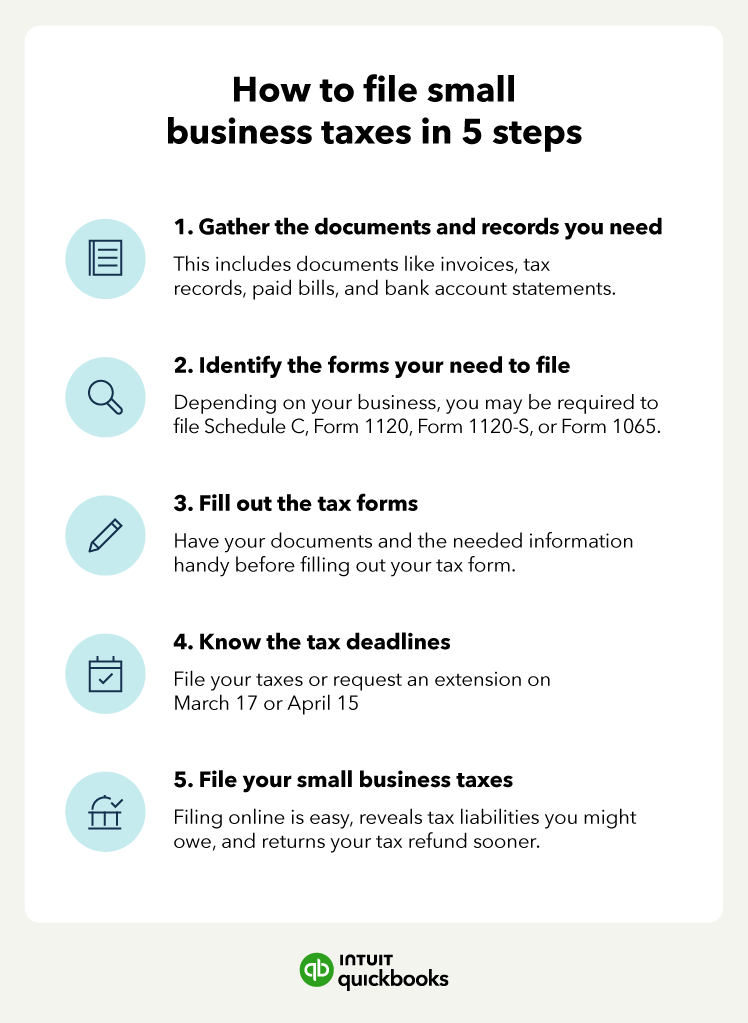
Before diving into the specifics of preparation and filing, it’s crucial to grasp the foundational concepts that underpin the U.S. tax system. A clear understanding of who needs to file, key tax terminology, and critical deadlines will set the stage for a smoother experience.
Who Needs to File and Why?
The obligation to file a tax return largely depends on your gross income, filing status, and age. For most individual filers, if your income exceeds a certain threshold—which varies annually—you are legally required to file. This requirement extends to self-employed individuals, even if their net earnings are relatively low, and often to small businesses operating as sole proprietorships, partnerships, or S-corporations. Filing isn’t just about paying taxes; it’s also how you claim eligible refunds, even if you had no tax liability, particularly if taxes were withheld from your paycheck or you qualify for refundable credits. For instance, many low-to-moderate income individuals might be eligible for the Earned Income Tax Credit (EITC), which can provide a refund even if no tax was paid during the year. Ignoring this obligation can lead to significant penalties, interest charges, and a host of other legal complications, making proactive compliance essential for financial well-being.
Key Tax Concepts: Income, Deductions, Credits
The language of taxes can seem like a foreign tongue, but mastering a few core concepts will significantly enhance your understanding. Gross income refers to all income you receive from various sources before any deductions. This includes wages, salaries, tips, interest, dividends, business income, and capital gains. From your gross income, certain adjustments can be made to arrive at your Adjusted Gross Income (AGI). This figure is critical as many deductions and credits are limited or phased out based on your AGI.
Next, we encounter deductions and credits. A deduction reduces your taxable income, meaning you pay tax on a lower amount. You typically choose between taking the standard deduction, a fixed amount set by the IRS that varies by filing status, or itemizing deductions, which involves listing specific eligible expenses like mortgage interest, state and local taxes (up to a limit), and charitable contributions. It’s always advisable to choose whichever method results in a lower taxable income.
A tax credit, on the other hand, is a dollar-for-dollar reduction of your actual tax liability. A $1,000 credit reduces your taxes by $1,000, whereas a $1,000 deduction, at a 24% tax bracket, only saves you $240. Credits are generally more valuable than deductions. Credits can be non-refundable (reducing your tax liability to zero but not resulting in a refund) or refundable (potentially giving you a refund even if you owe no tax). Understanding the distinction and eligibility for various deductions and credits is paramount to minimizing your tax burden.
Important Dates and Deadlines
The U.S. tax year typically runs from January 1st to December 31st. The primary deadline for filing individual federal income tax returns and paying any taxes owed is usually April 15th of the following year. If April 15th falls on a weekend or holiday, the deadline shifts to the next business day. It’s crucial to mark this date on your calendar. If you can’t meet the deadline, you can typically file for an extension, which usually grants you an additional six months to file (until October 15th). However, an extension to file is not an extension to pay. If you expect to owe taxes, you must still pay an estimate by the original April 15th deadline to avoid penalties and interest. Additionally, some self-employed individuals and those with significant income not subject to withholding might need to pay estimated taxes quarterly throughout the year to avoid underpayment penalties. Missing these deadlines can result in financial penalties, making proactive planning and timely action indispensable.
Gathering Your Financial Documents
The cornerstone of an accurate and stress-free tax filing process is meticulous document gathering. Before you even think about numbers, compile all relevant financial statements. This preparation phase is crucial for ensuring you don’t miss any income, deduction, or credit, which could lead to an incorrect return or missed savings opportunities.
Essential Income Statements
Your income is the starting point for your tax return, and various forms report it to you and the IRS. For most employees, the W-2 Form, provided by your employer, is your primary income document, detailing your wages, tips, and other compensation, along with federal, state, and local taxes withheld. If you’re a freelancer, independent contractor, or engaged in the gig economy, you’ll likely receive Form 1099-NEC (Nonemployee Compensation) from clients who paid you $600 or more. Other important 1099 forms include 1099-INT for interest income from banks, 1099-DIV for dividends from investments, and 1099-R for distributions from pensions, annuities, IRAs, and other retirement plans. If you are a partner in a business or a shareholder in an S-corporation, you’ll receive a Schedule K-1, which reports your share of the entity’s income, losses, deductions, and credits. It’s essential to collect all these forms as they directly correspond to specific lines on your tax return.
Proof of Deductible Expenses
Maximizing your deductions is key to reducing your taxable income. This requires diligent record-keeping throughout the year. Common documents for itemized deductions include Form 1098 for mortgage interest paid, statements for student loan interest paid, and records of medical expenses (receipts, insurance explanation of benefits). For charitable contributions, keep records of cash donations (bank statements, canceled checks) and written acknowledgments from organizations for gifts over certain amounts. If you’re self-employed, receipts, invoices, and bank statements detailing business expenses like office supplies, advertising, travel, and professional development are vital. Education-related expenses, such as tuition and fees, are reported on Form 1098-T. Remember, every deduction must be substantiated, so thorough documentation is not just good practice, it’s a requirement if you ever face an audit.
Investment and Savings Account Statements
Your investment activities also have tax implications. Beyond 1099-DIV and 1099-INT, you’ll receive Form 1099-B for proceeds from brokers and barter exchange transactions, reporting capital gains or losses from the sale of stocks, bonds, or other property. Bank statements and investment account summaries can also provide details on contributions to retirement accounts like IRAs and 401(k)s, which may be deductible or impact tax credits. It’s also important to track any cryptocurrency transactions, as these are increasingly subject to tax reporting requirements. Missing these investment-related forms can lead to underreporting income, which can trigger penalties and interest. Therefore, a complete collection of all financial statements is non-negotiable for accurate tax filing.
Choosing Your Filing Method
Once your documents are in hand, the next decision is how you will file your taxes. The options range from traditional paper forms to sophisticated software and professional assistance, each with its own advantages depending on your financial situation and comfort level.

Manual Filing: The Traditional Approach
For those who prefer a hands-on approach, or whose tax situations are relatively simple, manual filing involves downloading the necessary forms from the IRS website (or picking them up from a post office or library), filling them out by hand, and mailing them in. This method requires a meticulous review of IRS instructions and publications to ensure accuracy. While it offers complete control and eliminates software fees, it is the most time-consuming option and carries the highest risk of mathematical errors or overlooking eligible deductions/credits due to misinterpretation of complex tax laws. It’s generally not recommended for individuals with complex financial situations, such as multiple income streams, investments, or significant itemized deductions.
Tax Software: DIY Digital Solutions
Tax software has revolutionized the filing process, making it accessible and manageable for millions. Platforms like TurboTax, H&R Block Tax Software, and FreeTaxUSA guide users step-by-step through the return, asking simple questions and automatically populating forms. They handle calculations, flag potential errors, and help identify eligible deductions and credits you might have overlooked. Many offer federal e-filing for free, with state filing typically incurring an additional cost. There are various versions of the software, from free options for simple returns (e.g., FreeTaxUSA) to more advanced versions designed for self-employed individuals or those with investment income, which come with a fee. The key benefits include ease of use, accuracy (as long as you input data correctly), and immediate e-filing, leading to faster refunds. For most people with moderate complexity, tax software strikes an excellent balance between cost-effectiveness and efficiency.
Professional Tax Preparers: Expert Assistance
When your tax situation becomes complex – perhaps you’ve started a business, bought and sold property, have significant investments, experienced major life changes, or received inheritances – the expertise of a professional tax preparer can be invaluable. Certified Public Accountants (CPAs), Enrolled Agents (EAs), and other qualified tax preparers possess in-depth knowledge of tax law, can offer personalized advice, and represent you if you are audited. While this is the most expensive option, the peace of mind and potential tax savings from expert planning and accurate filing can often outweigh the cost. When choosing a professional, look for credentials (CPA, EA), experience with your specific financial situation, and transparent fee structures. They can help identify nuanced deductions, strategize for future tax years, and ensure compliance with ever-changing tax codes, making them a wise investment for intricate financial landscapes.
Navigating the Filing Process and Post-Filing Considerations
The journey doesn’t end once you’ve chosen your method and input your data. The final steps of filing, understanding payment options, and knowing what to do post-filing are equally critical.
Step-by-Step through Tax Software
Using tax software typically involves a structured process:
- Data Entry: You’ll input information from your W-2s, 1099s, and other income documents.
- Deductions & Credits: The software will prompt you with questions to help identify eligible deductions (standard vs. itemized) and credits, guiding you through various schedules.
- Review: Before submitting, the software performs a comprehensive review, flagging potential errors or missing information. This is your chance to double-check everything against your original documents.
- E-filing: Once satisfied, you can electronically file your federal and state returns directly through the software. This is the fastest and most secure way to submit your return.
Throughout this process, it’s essential to be patient, read all prompts carefully, and have all your documents readily accessible to ensure accurate data entry.
What to Do If You Owe Taxes
If your calculations show you owe the government money, you have several payment options. The most common is to pay directly through the IRS website (IRS Direct Pay) using your bank account, via debit/credit card (though third-party processors charge a fee), or by mail with a check or money order. If you can’t pay the full amount by the deadline, don’t ignore it. The IRS offers payment plans, such as short-term payment plans or an Offer in Compromise (OIC) for those in significant financial hardship. However, interest and penalties may still apply. It’s always best to pay what you can by the deadline and then arrange a payment plan for the remainder to minimize penalties.
What to Do If You’re Receiving a Refund
A refund means you paid more tax than you owed throughout the year. The fastest way to receive your refund is by selecting direct deposit during the e-filing process. This typically gets your money into your bank account within 2-3 weeks. You can track the status of your refund using the IRS “Where’s My Refund?” tool, which provides real-time updates. While a refund feels like a bonus, it essentially means you gave the government an interest-free loan throughout the year. Consider adjusting your W-4 form with your employer to have less tax withheld, allowing you to have more of your money throughout the year, which you can then save or invest.
The Importance of Record Keeping
Post-filing, your job isn’t entirely done. Maintaining meticulous records is crucial for future reference, audits, or amended returns. The IRS generally recommends keeping tax records for at least three years from the date you filed your original return or two years from the date you paid the tax, whichever is later. For certain situations, like reporting worthless securities or bad debt deductions, this period can extend to seven years. Store copies of your filed returns, all supporting documents (W-2s, 1099s, receipts for deductions), and any correspondence with the IRS in a secure location, whether physical or digital. This practice ensures you are prepared should the IRS ever have questions about your return, saving you significant stress and potential penalties.
Strategies for Smart Tax Planning
Doing your taxes is an annual event, but smart financial management involves year-round tax planning. By taking proactive steps, you can optimize your tax situation and foster long-term financial health.
Proactive Deduction and Credit Maximization
Don’t wait until tax season to think about deductions and credits. Throughout the year, look for opportunities to reduce your taxable income. Maximize contributions to tax-advantaged retirement accounts like a 401(k) or Traditional IRA, as these contributions are often tax-deductible. If eligible, contributing to a Health Savings Account (HSA) offers a triple tax advantage: tax-deductible contributions, tax-free growth, and tax-free withdrawals for qualified medical expenses. Explore education credits if you or your dependents are pursuing higher education. Be mindful of charitable contributions and ensure you maintain proper documentation. Understanding these opportunities proactively allows you to make financial decisions that are beneficial not only for your immediate tax return but also for your long-term wealth accumulation.
Understanding Tax Implications of Major Life Events
Major life events often have significant tax implications. Getting married can change your filing status and potentially place you in a different tax bracket. Buying a home introduces new deductions like mortgage interest and property taxes. Starting a business requires a deep dive into self-employment taxes, business expense deductions, and potentially quarterly estimated payments. The birth or adoption of a child can open doors to child tax credits and other dependent-related benefits. Conversely, divorce or selling investments also has tax consequences. Whenever a significant life event occurs, it’s a trigger to reassess your tax situation and potentially adjust your withholding or seek professional advice to navigate the changes effectively.

Seeking Professional Advice for Complex Situations
While this guide offers a solid foundation, some situations warrant the expertise of a qualified tax professional. Estate planning, managing significant investments with complex capital gains and losses, navigating international income, or dealing with tax issues from divorce or business dissolution are areas where professional guidance is invaluable. A CPA or Enrolled Agent can not only ensure compliance but also provide strategic advice tailored to your unique financial goals, helping you minimize your tax liability within the confines of the law and plan for future financial success. Their insights can save you more than their fees by preventing costly errors and identifying opportunities you might otherwise miss.
In conclusion, “how to do your taxes” is a question with a multi-faceted answer, blending preparation, diligent execution, and proactive planning. By demystifying the process, leveraging available tools, and understanding the core principles of tax law, you can transform tax season from a source of anxiety into an annual opportunity to solidify your financial foundation and plan for a more prosperous future.
aViewFromTheCave is a participant in the Amazon Services LLC Associates Program, an affiliate advertising program designed to provide a means for sites to earn advertising fees by advertising and linking to Amazon.com. Amazon, the Amazon logo, AmazonSupply, and the AmazonSupply logo are trademarks of Amazon.com, Inc. or its affiliates. As an Amazon Associate we earn affiliate commissions from qualifying purchases.