
Taking charge of your tax filing can seem like a daunting task, fraught with complex forms, obscure rules, and the fear of making a costly mistake. However, for millions of Americans, filing their own taxes is not only achievable but also a financially savvy decision, offering greater control, significant cost savings, and a deeper understanding of their personal financial landscape. In an era where financial literacy is paramount, demystifying the tax process and empowering individuals to navigate it themselves is a crucial step towards robust personal finance management. This comprehensive guide will break down the essential steps, considerations, and best practices for successfully filing your taxes on your own, transforming a perceived burden into an empowering act of financial independence.

Demystifying DIY Tax Filing: Why and How It Works
The decision to file your own taxes is often driven by a desire for financial control and efficiency. Understanding the ‘why’ and ‘how’ behind this process is the first step on your journey.
The Allure of Self-Filing
The primary appeal of self-filing taxes lies in several key areas: cost savings, enhanced control, and a valuable learning experience. Professional tax preparers charge fees that can range from a modest sum for simple returns to hundreds or even thousands of dollars for more complex situations. By filing yourself, you eliminate these costs, directly increasing your take-home pay or refund amount. Beyond the financial savings, self-filing gives you direct oversight of your financial data, ensuring accuracy and allowing you to meticulously review every entry. Moreover, the process itself is a powerful lesson in personal finance. You gain a clearer understanding of your income sources, spending patterns that lead to deductions, and how various financial decisions impact your overall tax liability. This financial literacy can translate into better budgeting, investment decisions, and long-term financial planning.
Who Can Confidently File Their Own Taxes?
While the prospect of DIY tax filing is appealing, it’s not universally suitable for everyone. Individuals with relatively straightforward financial situations are ideal candidates. This typically includes:
- Those with income primarily from a W-2 (wages, salaries, tips).
- Individuals with basic investment income (e.g., simple interest or dividends reported on 1099-INT or 1099-DIV).
- Filers claiming the standard deduction rather than itemizing.
- Those with common deductions and credits like student loan interest, IRA contributions, or the Child Tax Credit.
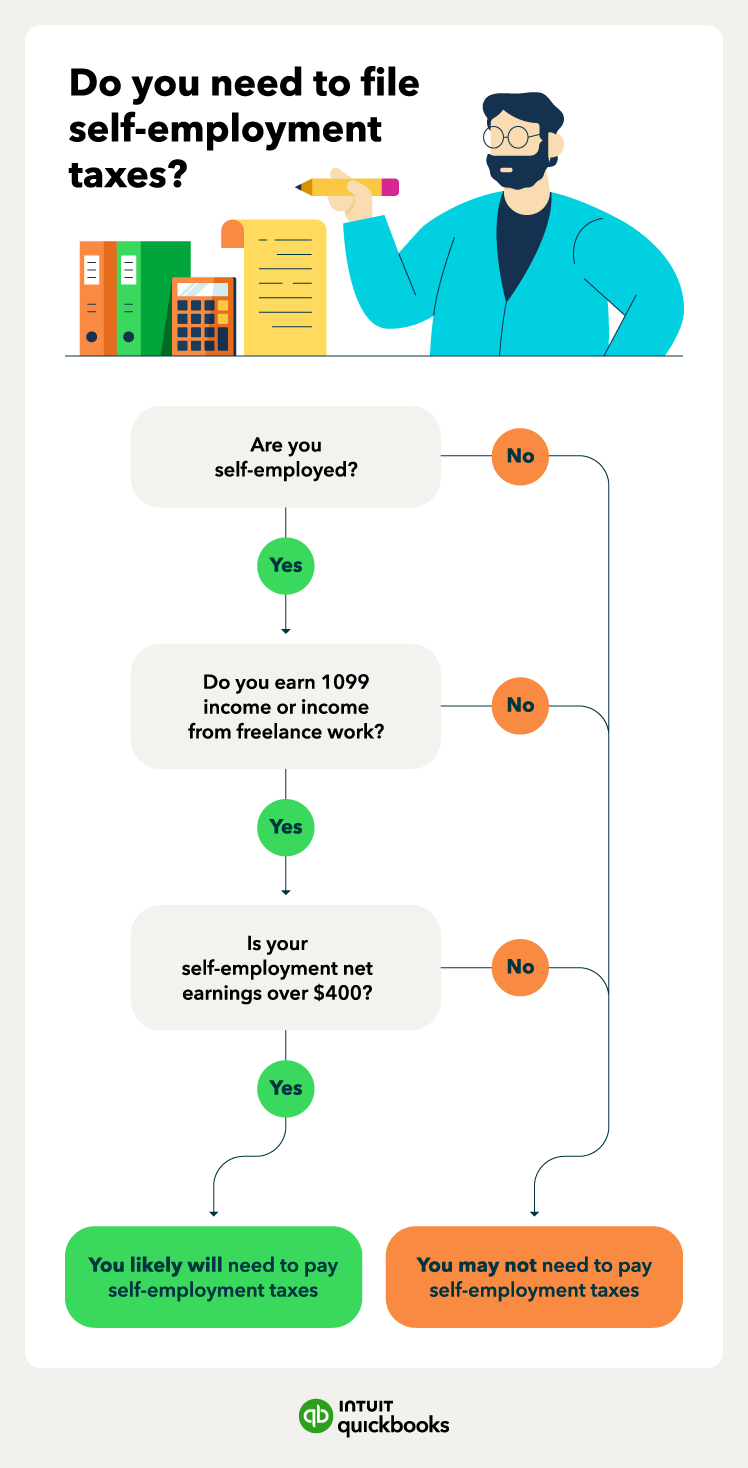
However, if your financial life involves complexities such as extensive self-employment income, multiple rental properties, foreign assets, stock options, significant capital gains/losses from complex investments, or major life events like marriage, divorce, or the sale of a home, you might benefit from consulting a tax professional. While many tax software programs can handle these scenarios, the added layer of complexity increases the potential for errors if you’re not thoroughly versed in tax law.
The Core Principles of Tax Obligations
At its heart, tax filing is about reporting your income, claiming eligible deductions to reduce your taxable income, and applying credits to directly reduce your tax liability.
- Income: This includes all taxable earnings from wages, investments, self-employment, pensions, and other sources.
- Deductions: These reduce the amount of your income that is subject to tax. You can generally choose between the standard deduction (a fixed amount based on your filing status) or itemizing deductions (listing specific eligible expenses).
- Credits: These directly reduce the amount of tax you owe, dollar-for-dollar. Some credits are refundable, meaning you can get money back even if you don’t owe any tax, while others are non-refundable, only reducing your tax liability to zero. Understanding these principles is foundational to optimizing your tax outcome.
Essential Preparations: Gathering Your Financial Arsenal
The key to a smooth and accurate self-filing experience is meticulous preparation. Before you even open your tax software or pick up a pen, gather all necessary financial documents. This pre-filing ritual ensures you don’t overlook any income, miss a valuable deduction, or make a costly miscalculation.
Income Verification Documents
These forms report all taxable income you received throughout the year. Keep an organized folder, either physical or digital, for these crucial documents:
- Form W-2, Wage and Tax Statement: Received from your employer(s), detailing your wages, tips, and other compensation, as well as federal and state taxes withheld.
- Forms 1099: There are various types:
- 1099-NEC: For nonemployee compensation (freelancers, contractors).
- 1099-MISC: For miscellaneous income (rents, royalties, awards).
- 1099-INT: For interest income from banks and other financial institutions.
- 1099-DIV: For dividend income from stocks and mutual funds.
- 1099-B: For proceeds from brokerage and barter exchange transactions (stock sales).
- 1099-R: For distributions from pensions, annuities, retirement or profit-sharing plans, IRAs, and insurance contracts.
- 1099-G: For certain government payments like unemployment compensation or state tax refunds.
- Schedule K-1: From partnerships, S corporations, and trusts, reporting your share of income, deductions, credits, etc.
Deduction and Credit Support Documents
These documents prove your eligibility for various deductions and credits, which can significantly reduce your tax burden:
- Form 1098, Mortgage Interest Statement: From your mortgage lender, showing the interest paid on your home loan.
- Form 1098-E, Student Loan Interest Statement: From your student loan servicer, detailing interest paid.
- Form 1098-T, Tuition Statement: From educational institutions, showing qualified tuition and related expenses.
- Records of Childcare Expenses: Receipts or statements from daycare providers.
- Medical Expense Records: Bills and statements for unreimbursed medical and dental expenses.
- Charitable Contribution Records: Receipts for cash and non-cash donations to qualified charities.
- Property Tax Statements: From your local government.
- Receipts for Business Expenses: If you’re self-employed.
- Retirement Contributions: Records of contributions to IRAs, 401(k)s, HSAs (Health Savings Accounts).
Prior Year’s Tax Return
Your previous year’s tax return is an invaluable reference. It can provide details like your adjusted gross income (AGI) which may be needed for certain calculations, carryover amounts for credits or losses, and a blueprint for what forms you typically file.
Personal Information
Ensure you have readily available your Social Security number (SSN) or Individual Taxpayer Identification Number (ITIN), and those for your spouse and dependents, along with their dates of birth. Accurate personal data is foundational to filing correctly.
Selecting Your Self-Filing Pathway: Tools and Strategies
Once your documents are in order, the next step is to choose how you will file. The modern tax landscape offers several robust options for self-filers, largely driven by digital innovation.
Online Tax Software: The Popular Choice
Online tax software has revolutionized self-filing, making it accessible and manageable for millions. These platforms guide you through the process with user-friendly interfaces, often asking simple questions and automatically populating forms based on your answers.
- Free Options: For taxpayers with simple returns (typically W-2 income, standard deduction), various platforms offer free federal (and sometimes state) filing. The IRS’s Free File program is a partnership with tax software companies, allowing eligible taxpayers (based on AGI) to use brand-name software for free. Websites like Credit Karma Tax (now Cash App Taxes) or certain basic versions of major tax software also provide free filing. Eligibility often depends on your AGI and the complexity of your return.
- Paid Options: For more complex financial situations, such as self-employment income, itemized deductions, or significant investment activity, paid versions of tax software like TurboTax, H&R Block Deluxe/Premium, TaxAct, and TaxSlayer are excellent choices. They offer more robust features, detailed guidance, and often include state filing and audit support. These programs perform calculations automatically, check for common errors, and help identify potential deductions or credits you might overlook. They are designed to streamline the process, even for those with intricate financial lives.

Paper Filing: The Traditional Route
While less common now, paper filing remains an option. You download the necessary forms from the IRS website (irs.gov), fill them out manually, and mail them to the appropriate IRS address.
- Pros: No internet or software needed. Some prefer the tangible nature of paper.
- Cons: Prone to mathematical errors, requires manual calculation, slower processing for refunds, and no automated error checking. Not recommended for most people due to the efficiency and accuracy benefits of e-filing.
Understanding Your Filing Status
Before you begin, accurately determine your filing status, as it significantly impacts your standard deduction, tax rates, and eligibility for certain credits. The five main statuses are:
- Single: Unmarried, divorced, or legally separated.
- Married Filing Jointly: Married and filing a single return together.
- Married Filing Separately: Married but filing individual returns.
- Head of Household: Unmarried, paid more than half the cost of keeping up a home for yourself and a qualifying person, and the qualifying person lived with you for more than half the year.
- Qualifying Widow(er) with Dependent Child: For a surviving spouse who meets certain conditions for two years after their spouse’s death.
Tax software will typically help you determine the most advantageous status.
The Step-by-Step Journey Through Your Tax Return
Once you’ve chosen your method, you’re ready to dive into the actual filing process. Whether using software or paper, the sequence of entering information generally follows a logical flow.
Inputting Income
The first major step is to accurately report all your income. Using your W-2s, 1099s, and K-1s, meticulously enter the figures into the corresponding sections of your tax software or forms. Ensure that all boxes are correctly transcribed, as even a small error can trigger an IRS flag or alter your tax liability. Software typically asks you to upload or manually enter these forms, automatically populating the relevant lines on your tax return.
Identifying Deductions
After income, you’ll move to deductions. Here, you’ll decide between taking the standard deduction or itemizing.
- Standard Deduction: A fixed amount based on your filing status, adjusted annually for inflation. For most taxpayers, the standard deduction provides a greater tax benefit than itemizing.
- Itemized Deductions: If your eligible itemized expenses (e.g., state and local taxes, mortgage interest, charitable contributions, medical expenses above a certain threshold) exceed the standard deduction, you’ll want to itemize. This is where your detailed records come into play. Tax software will help you calculate which option is more beneficial. Common deductions include contributions to traditional IRAs and HSAs, student loan interest, and self-employment expenses.
Claiming Tax Credits
Tax credits are often overlooked but can have a profound impact on your refund or amount due. Tax software is particularly helpful here, prompting you with questions to determine your eligibility for various credits. Be sure to explore:
- Child Tax Credit: For qualifying children.
- Earned Income Tax Credit (EITC): For low-to-moderate-income working individuals and families.
- Education Credits: Such as the American Opportunity Tax Credit and Lifetime Learning Credit.
- Saver’s Credit (Retirement Savings Contributions Credit): For contributions to retirement accounts by low- and moderate-income taxpayers.
- Child and Dependent Care Credit: For expenses paid for the care of a qualifying individual.
Distinguish between refundable credits (which can provide a refund even if you owe no tax) and non-refundable credits (which can only reduce your tax liability to zero).
Review and Reconciliation
This is arguably the most critical step. Once all information is entered, most tax software offers a comprehensive review process.
- Error Checks: The software will scan for common errors, missing information, and potential inconsistencies.
- Comparison: Review your current year’s return against your previous year’s. Are there significant changes in income, deductions, or credits that warrant a closer look?
- Understanding the Outcome: Make sure you understand why you’re receiving a refund or owing taxes. Does it align with your expectations? This step ensures accuracy and helps you understand the ‘why’ behind your numbers.
E-Filing and Payment Options
With your review complete, you’ll move to submission. E-filing (electronic filing) is highly recommended for its speed, security, and immediate confirmation of receipt.
- Direct Deposit: If you’re due a refund, opt for direct deposit for the quickest receipt.
- Direct Debit: If you owe taxes, you can authorize a direct debit from your bank account on or before the tax deadline.
- Payment Plans: If you can’t pay the full amount due, the IRS offers various payment options, including short-term payment plans and installment agreements. It’s always better to file on time and arrange a payment plan than to file late and incur penalties.
Maximizing Accuracy and Minimizing Stress: Best Practices for DIY Filers
Successfully filing your own taxes isn’t just about following steps; it’s about adopting habits that promote accuracy, efficiency, and peace of mind.
Start Early, Avoid the Rush
Procrastination is the enemy of accurate tax filing. Begin gathering your documents as soon as they become available in January and February. Starting early gives you ample time to collect missing forms, research deductions, understand new tax laws, and review your return thoroughly without the pressure of the looming April deadline.
Keep Meticulous Records
Maintain an organized system for all your financial documents. This could be a physical filing cabinet or a digital folder on your computer/cloud storage. Categorize documents by type (income, deductions, etc.) and by year. This makes tax preparation significantly smoother and provides essential proof in case of an IRS inquiry. Consider scanning paper documents to create digital backups.
Understand Key Tax Concepts
You don’t need to be a tax lawyer, but a basic understanding of fundamental tax concepts—like marginal tax rates, adjusted gross income (AGI), taxable income, and the difference between deductions and credits—will empower you to make more informed financial decisions throughout the year and better interpret your tax return. Many reputable financial websites and the IRS website offer excellent educational resources.
Utilize Software Help Features
Modern tax software is designed with user support in mind. Don’t hesitate to use the built-in help sections, FAQs, and search functions. Many offer live chat or phone support (though often for a fee) if you get stuck on a particular question. Leverage these resources; they are there to guide you.
When to Seek Professional Guidance
Even if you typically file yourself, there are times when consulting a professional tax preparer is a wise decision. If your financial situation becomes significantly more complex (e.g., starting a business, inheriting assets, significant real estate transactions), if you receive an audit notice, or if you simply feel overwhelmed and uncertain, a professional can offer invaluable expertise and peace of mind. Think of them as a resource for complex problems, not necessarily for annual maintenance.
Staying Informed
Tax laws are not static; they change annually. Stay updated on significant tax law changes through reputable financial news sources, IRS publications, or by reading updates from your chosen tax software provider. Being aware of new deductions, credits, or policy shifts can help you plan better and optimize your financial strategy for the coming year.
Filing your own taxes is a powerful exercise in personal financial management. While it demands attention to detail and a commitment to understanding your financial picture, the rewards of cost savings, increased financial literacy, and greater control over your money are substantial. By following these steps and adopting best practices, you can confidently navigate the tax season and emerge with a stronger grasp of your financial well-being.
aViewFromTheCave is a participant in the Amazon Services LLC Associates Program, an affiliate advertising program designed to provide a means for sites to earn advertising fees by advertising and linking to Amazon.com. Amazon, the Amazon logo, AmazonSupply, and the AmazonSupply logo are trademarks of Amazon.com, Inc. or its affiliates. As an Amazon Associate we earn affiliate commissions from qualifying purchases.