
The aroma of sizzling steaks, the crunch of peanut shells underfoot, and the infectious energy of line-dancing servers – these are the hallmarks of a Texas Roadhouse experience. But beyond the lively atmosphere and legendary food, there lies a compelling brand story. The question “where is Texas Roadhouse from?” isn’t just about a geographical location; it’s an inquiry into the genesis of a powerful brand, its foundational values, and the strategic choices that propelled it from a single restaurant to a globally recognized casual dining powerhouse. Understanding its origins is to understand the deliberate crafting of a brand identity that resonates deeply with its audience, proving that authenticity and a clear vision are paramount in the competitive restaurant industry.
This article delves into the brand narrative of Texas Roadhouse, exploring how its roots, its distinctive identity, and its expansion strategies have cemented its position as a unique and cherished brand. We will examine the visionary leadership, the meticulous attention to customer experience, and the consistent execution that are all intrinsic to the Texas Roadhouse brand strategy, offering a fascinating case study in brand development and enduring success.
The Genesis of a Southern-Inspired Empire
Every iconic brand has a starting point, a moment of inception where an idea transforms into a tangible entity. For Texas Roadhouse, this origin story is deeply intertwined with a clear vision for a specific type of dining experience, one that celebrated American heartland values and robust, flavorful food.
The Visionary Behind the Brand
The journey of Texas Roadhouse began not in Texas, as its name might suggest, but in the mind of its founder, Kent Taylor. Taylor, a seasoned veteran of the restaurant industry, harbored a dream of creating a steakhouse concept that was accessible, affordable, and, most importantly, fun. He envisioned a place where families and friends could gather, enjoy hand-cut steaks, and experience genuine hospitality without the pretense often associated with traditional steakhouses. This singular vision was the initial spark for what would become a formidable brand. Taylor’s understanding of the market gap – a demand for high-quality, value-driven steak in a casual, lively setting – was the strategic insight that underpinned the entire brand concept. His personal dedication to the brand, from its initial design to its operational philosophy, became an integral part of the brand’s identity, imbuing it with a sense of genuine passion and commitment.
From Humble Beginnings to a Unique Concept
The very first Texas Roadhouse opened its doors in Clarksville, Indiana, in February 1993. This geographic origin, far from the Lone Star State, is a testament to the idea that a brand’s spirit can transcend its namesake. The initial investment was modest, but the ambition was grand. From day one, Taylor and his team focused on crafting an environment that was welcoming and distinctly American, drawing inspiration from the open plains and friendly disposition associated with Texan culture, even if it wasn’t physically located there. This conscious decision to imbue the brand with a particular cultural essence, rather than being bound by geographical reality, demonstrates a sophisticated understanding of brand storytelling and aspirational identity. The Clarksville location served as the proving ground for the nascent brand, where every detail, from the menu to the décor, was meticulously refined to ensure it delivered on Taylor’s original promise.
Crafting the Core Brand Identity
The early days in Clarksville were crucial for forging the core identity of Texas Roadhouse. Key elements were established that would become synonymous with the brand. The commitment to hand-cut steaks made fresh daily signaled a dedication to quality and craftsmanship, a foundational brand promise. The lively, energetic atmosphere, fueled by country music and friendly staff, created a memorable sensory experience. And the introduction of free buckets of peanuts and warm, fresh-baked bread with cinnamon butter wasn’t just a perk; it was a deliberate strategy to create an immediate sense of abundance, value, and distinctive personality. These weren’t random choices; they were carefully selected brand touchpoints designed to differentiate Texas Roadhouse from its competitors and etch a unique impression in the minds of its customers. Each element contributed to a coherent brand narrative: “Come as you are, eat great food, have a good time, and feel like family.”
Building a Distinct Brand Experience
A strong brand is not just about what it sells, but how it makes customers feel. Texas Roadhouse has masterfully crafted a distinct brand experience that goes beyond the plate, turning a meal into an event and fostering deep customer loyalty.
The “Legendary Food, Legendary Service” Promise
At the heart of the Texas Roadhouse brand experience is its unwavering commitment to its core promise: “Legendary Food, Legendary Service.” This isn’t merely a slogan; it’s an operational philosophy that permeates every aspect of the business. The “Legendary Food” component is delivered through high-quality, fresh ingredients – notably, the hand-cut steaks visible in display coolers, signaling transparency and pride in their product. The menu is hearty and familiar, focusing on comfort food done exceptionally well. This focus on consistent quality in its offerings is a critical brand differentiator. Equally important is “Legendary Service,” which emphasizes genuine hospitality, attentiveness, and a fun, engaging interaction with staff. Servers are encouraged to be personable, creating a welcoming and memorable dining experience. This dual focus ensures that the brand consistently delivers on its value proposition, building trust and anticipation with every visit.
Atmosphere as a Brand Differentiator
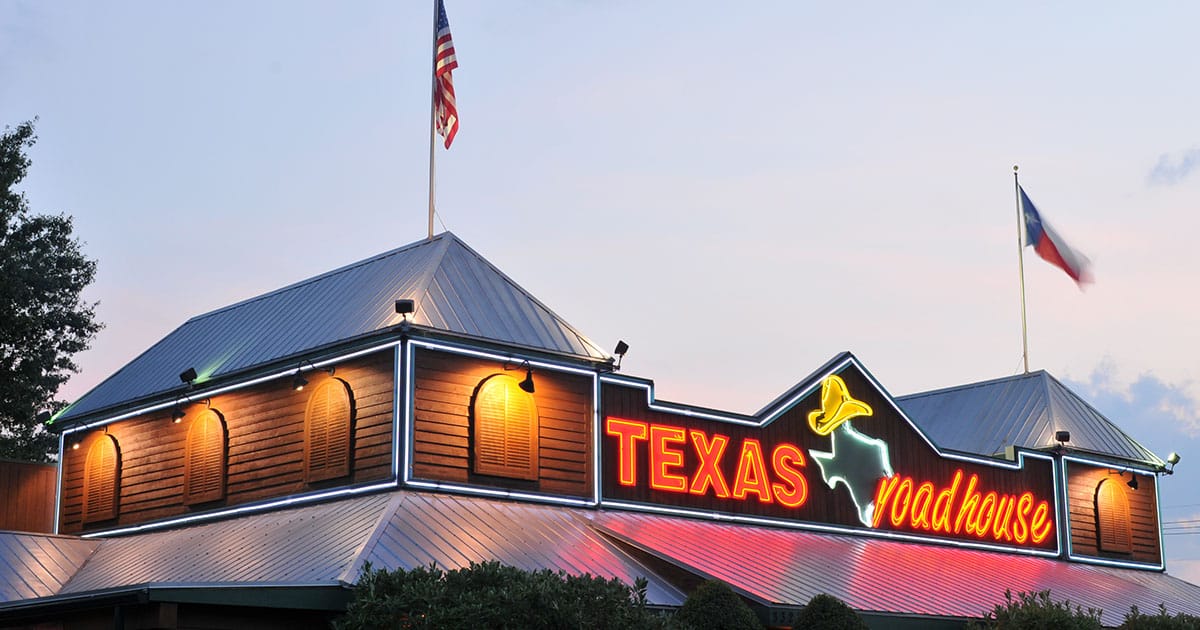
The physical environment of a Texas Roadhouse restaurant is as integral to its brand as its food. The atmosphere is meticulously curated to be a key differentiator. From the moment customers step inside, they are immersed in a sensory experience designed to evoke fun and familiarity. The peanuts, with their distinct aroma and the ritual of tossing shells on the floor, create an informal, playful vibe that immediately sets the tone. The country music playing through the speakers, often accompanied by line-dancing servers, injects energy and a sense of shared celebration. The rustic decor, featuring Western memorabilia and lively signage, reinforces the brand’s Southern-inspired identity. This isn’t just background noise or decoration; it’s a strategically designed “brand stage” where every element works in harmony to deliver a cohesive and unforgettable experience. The consistent replication of this atmosphere across all locations is a testament to the brand’s disciplined approach to maintaining its unique identity.
Community Engagement and Local Flavor
While Texas Roadhouse projects a broad, American-inspired image, its brand strategy also includes a nuanced understanding of local connections. The company fosters community engagement, which strengthens its brand presence at a grassroots level. Each restaurant is encouraged to participate in local events, sponsor local sports teams, and engage in philanthropic activities. This localized approach allows the brand to integrate itself into the fabric of the communities it serves, building goodwill and fostering a sense of belonging. Furthermore, while the core menu remains consistent, there’s often a subtle acknowledgment of local tastes or preferences, making the brand feel both universally appealing and personally relevant. This blend of national brand consistency with local community integration is a sophisticated branding technique that enhances customer loyalty and positive perception.
Brand Expansion and Market Presence
From a single location in Indiana, Texas Roadhouse has grown into a vast network of restaurants, both domestically and internationally. This expansion is not merely about opening more stores; it’s a strategic amplification of the brand, carefully managed to maintain its integrity and unique appeal.
Strategic Growth and Franchise Model
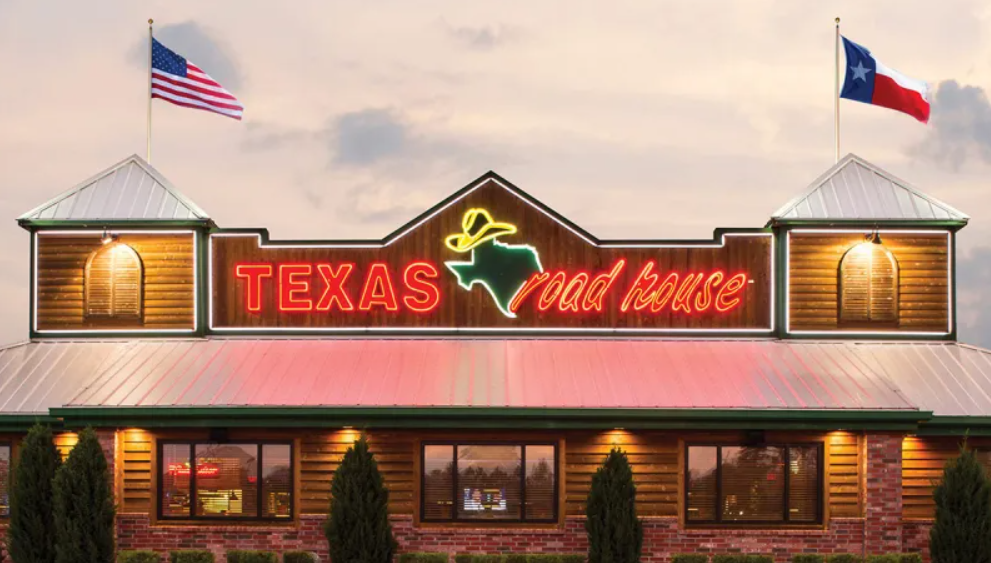
The expansion of Texas Roadhouse has been a carefully orchestrated exercise in scaling a beloved brand. While the company operates many of its own restaurants, a significant portion of its growth has come through a selective franchise model. This approach is strategic for several reasons. Firstly, it allows for accelerated expansion while leveraging local entrepreneurial drive. Secondly, and critically for a brand-centric business, Texas Roadhouse maintains stringent control over its franchisees, ensuring absolute adherence to its brand standards. This oversight includes everything from menu preparation and ingredient sourcing to staff training and restaurant decor. The consistency in food quality, service, and atmosphere across all locations – whether corporate-owned or franchised – is paramount. This discipline is a cornerstone of its brand strategy, preventing dilution of its identity and ensuring that every customer experiences the same “Legendary” promise, regardless of where they dine.
Navigating Competitive Landscapes
The casual dining sector is notoriously competitive, with numerous brands vying for consumer attention and dining dollars. Texas Roadhouse’s brand strategy has allowed it to not only survive but thrive in this crowded market. Its distinct identity – the focus on hand-cut steaks, the lively atmosphere, and the value proposition – serves as a powerful differentiator. While other steakhouses might target higher-end markets or offer a more subdued experience, Texas Roadhouse carved out its niche by being accessible, fun, and consistently delivering on its core promise. Its brand messaging consistently highlights these unique selling propositions, reminding customers what sets it apart. The emphasis on freshness and quality, combined with an unbeatable atmosphere, positions Texas Roadhouse as a unique alternative, rather than just another option, in the minds of consumers. This clear positioning has been a key factor in its sustained market presence and growth.
International Ventures and Brand Adaptability
While predominantly an American brand, Texas Roadhouse has also embarked on international expansion, testing the global appeal of its distinct concept. Locations in countries like the Philippines, Saudi Arabia, and the United Arab Emirates demonstrate the brand’s ambition to reach new markets. This international foray presents a unique branding challenge: how to maintain the core identity – the “Texas Roadhouse” essence – while adapting to diverse cultural contexts and consumer preferences. The strategy involves a careful balance. The foundational elements, such as the hand-cut steaks, the peanut tradition, and the lively atmosphere, are typically retained to ensure brand recognition. However, menus might be subtly adjusted to incorporate local tastes, and marketing messages may be tailored to resonate with the specific cultural nuances of the region. This controlled adaptability showcases the strength of the brand’s core concept, proving that a well-defined brand can transcend borders with thoughtful localization.
The Enduring Legacy of the Texas Roadhouse Brand
More than three decades after its founding, Texas Roadhouse continues to flourish. Its longevity is not accidental; it is the result of a meticulously built and consistently nurtured brand, whose legacy extends beyond its financial success to its cultural impact and unwavering customer connection.
Cultivating Brand Loyalty
One of the most significant achievements of the Texas Roadhouse brand is its ability to cultivate extraordinary customer loyalty. This isn’t just about repeat business; it’s about creating a community of “Roadies” – passionate advocates who feel a personal connection to the brand. This loyalty is fostered through consistent delivery of the brand promise, creating memorable experiences that encourage customers to return time and again. The personalized service, the celebratory atmosphere, and the sense of value contribute to an emotional bond. Loyalty programs, special offers, and effective customer relationship management (CRM) further solidify these connections, making customers feel appreciated and valued. This strong base of loyal customers acts as organic brand ambassadors, spreading positive word-of-mouth and reinforcing the brand’s positive image, which is invaluable in the competitive restaurant landscape.
Adaptability and Staying Relevant
While the core brand identity of Texas Roadhouse has remained remarkably consistent, the brand has also demonstrated an astute ability to adapt and stay relevant in an ever-changing market. This adaptability isn’t about reinventing the brand, but rather about evolving how it connects with consumers without compromising its essence. This includes embracing digital channels for ordering and engagement, leveraging social media to interact with its audience, and occasionally introducing new menu items that complement its existing offerings. During challenging times, like the recent global pandemic, the brand swiftly adapted its operational model to include robust takeout and curbside pickup options, demonstrating flexibility while maintaining its commitment to quality and service. This strategic agility ensures that the brand remains fresh and appealing to new generations of diners while retaining its established fan base.
The Human Element: People-First Philosophy
A crucial, yet often overlooked, aspect of the Texas Roadhouse brand legacy is its deeply ingrained “people-first” philosophy. This extends to both its customers and its employees. The focus on creating a fun, supportive, and rewarding work environment for its “Roadies” (employees) translates directly into the enthusiastic and genuine service experienced by customers. Happy employees are more likely to deliver legendary service, reinforcing the brand’s promise. The late Kent Taylor was renowned for his hands-on approach and genuine care for his employees, fostering a culture that prioritizes people. This internal brand building – creating a strong employee value proposition – is as critical as external marketing. It ensures that the brand’s values are lived out daily, making the brand experience authentic and sustainable.
Lessons in Branding from Texas Roadhouse’s Journey
The story of Texas Roadhouse offers invaluable insights for any brand seeking to establish a lasting presence and forge deep connections with its audience. Its journey from a single restaurant to a global phenomenon is a masterclass in strategic branding.
Authenticity as a Cornerstone
Perhaps the most significant lesson is the power of authenticity. Texas Roadhouse never pretended to be something it wasn’t. It embraced its identity as a fun, casual, value-driven steakhouse inspired by American heartland hospitality. The brand’s origin story, its menu, its atmosphere, and its service all align perfectly with this authentic core. This genuineness resonates with customers, who appreciate a brand that is true to itself. In a world saturated with carefully crafted corporate images, Texas Roadhouse stands out precisely because its brand feels real and unpretentious.
Consistency in Experience
Another critical takeaway is the paramount importance of consistency. From the quality of the hand-cut steaks to the warmth of the fresh-baked bread, from the enthusiastic service to the distinctive aroma of peanuts, Texas Roadhouse delivers a remarkably consistent experience across all its locations. This consistency builds trust and predictability, ensuring that customers know exactly what to expect and are rarely disappointed. It reinforces the brand promise with every single interaction, solidifying customer loyalty and establishing a reputation for reliability.
The Power of a Strong Concept
Finally, Texas Roadhouse demonstrates the immense power of a strong, unique brand concept. Its founder, Kent Taylor, identified a clear market gap and built an entire brand around filling it in a distinctive way. The combination of high-quality food, exceptional value, and an unforgettable, fun atmosphere created a concept that was hard to replicate and easy for consumers to love. This clear vision and differentiation from the outset provided a robust foundation upon which a thriving brand could be built and expanded.
In conclusion, “where is Texas Roadhouse from?” leads us on a journey not just to Clarksville, Indiana, but into the strategic mind of a visionary founder and the meticulous development of a brand. It’s a story of how a clear concept, authentic execution, and an unwavering commitment to a “people-first” philosophy can transform a single restaurant into a beloved brand empire, leaving an indelible mark on the casual dining landscape.
aViewFromTheCave is a participant in the Amazon Services LLC Associates Program, an affiliate advertising program designed to provide a means for sites to earn advertising fees by advertising and linking to Amazon.com. Amazon, the Amazon logo, AmazonSupply, and the AmazonSupply logo are trademarks of Amazon.com, Inc. or its affiliates. As an Amazon Associate we earn affiliate commissions from qualifying purchases.