
Purchasing a new vehicle is a significant financial decision, and for many, the allure of a Tesla comes with an immediate question: “How much does it cost?” While the initial sticker price is a critical factor, understanding the true financial commitment of Tesla ownership requires a deeper dive into a myriad of monetary considerations. From the base model price and optional upgrades to long-term operational expenses, government incentives, and potential resale value, a Tesla represents more than just a car; it’s an investment with a unique financial profile. This article will meticulously break down the financial aspects of acquiring and owning a Tesla, offering a professional and insightful guide for prospective buyers navigating the complex landscape of electric vehicle economics. By focusing strictly on the money, we aim to equip you with the knowledge to make an informed and strategic financial decision.

Decoding Tesla’s Pricing Structure
The entry point into Tesla ownership varies significantly depending on the model chosen, the level of customization desired, and the ever-fluctuating market dynamics specific to electric vehicles. Tesla’s direct-to-consumer sales model allows for transparent pricing, yet the final figure can still surprise those who haven’t accounted for all potential additions.
Understanding the Base Models and Their Entry Points
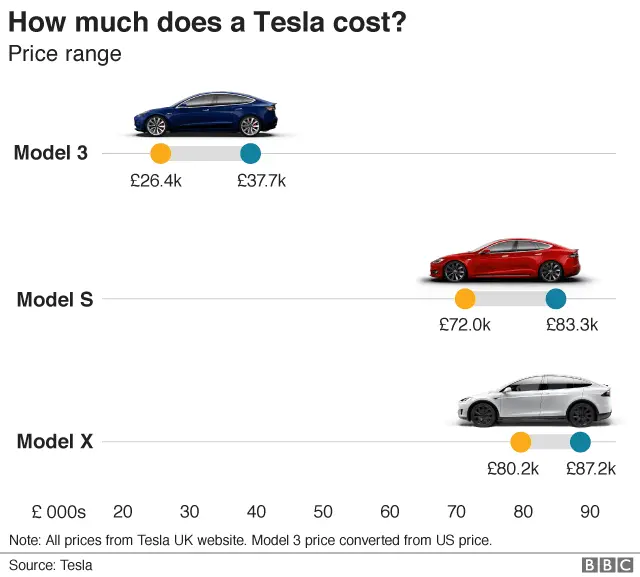
Tesla’s lineup typically includes the Model 3 (entry-level sedan), Model Y (compact SUV), Model S (premium sedan), and Model X (premium SUV). Each model serves a different segment of the market and, consequently, comes with a distinct starting price. The Model 3 and Model Y are generally more accessible, often starting in the mid-$40,000 to mid-$50,000 range, before any incentives. The Model S and Model X, positioned as luxury performance vehicles, command significantly higher starting prices, often beginning in the high-$70,000 to low-$90,000 range, or even higher, depending on market conditions and specific configurations. These base prices usually reflect the standard range or “Long Range” versions with rear-wheel drive (for Model 3) or dual-motor all-wheel drive, offering a good balance of performance and range. It’s crucial to check Tesla’s official website for the most current pricing, as these figures are subject to frequent adjustments based on production efficiencies, raw material costs, and market demand.
Navigating Optional Upgrades and Feature Bundles
Once a base model is selected, buyers are presented with a series of optional upgrades that can substantially increase the final price. These typically include different wheel sizes and designs, premium paint colors, and interior configurations. Performance upgrades, such as enhanced acceleration packages, are also available for certain models, often for several thousand dollars. While seemingly aesthetic, choices like larger wheels can sometimes subtly impact range and tire replacement costs down the line. Buyers must carefully weigh the perceived value and utility of these upgrades against their budgetary constraints, understanding that each selection adds to the upfront financial outlay. The customization process is intuitive but requires a diligent eye on the running total to avoid overspending.
The Dynamic Pricing of Software and Autonomy (FSD)
Perhaps one of the most unique aspects of Tesla’s pricing strategy is the significant cost associated with its advanced driver-assistance systems, particularly “Full Self-Driving” (FSD) capability. While basic Autopilot features often come standard, enabling advanced functionalities like Navigate on Autopilot, automatic lane changes, traffic light and stop sign control, and eventually, city street self-driving, comes at a premium. The price for the FSD package has historically ranged from $10,000 to $15,000 or even higher, and it can be purchased upfront or as a monthly subscription service, offering a degree of financial flexibility. It’s important for potential buyers to understand that FSD is an evolving technology and represents a significant portion of the vehicle’s total cost, making it a critical financial decision point that should align with individual usage patterns and expectations regarding autonomous capabilities.
Beyond the Sticker Price: Total Cost of Ownership (TCO)
The initial purchase price of a Tesla is only one piece of the financial puzzle. A comprehensive understanding of “how much for a Tesla car” necessitates a thorough examination of the Total Cost of Ownership (TCO), which includes operational expenses, maintenance, insurance, and depreciation over the vehicle’s lifespan.
Fuel vs. Electricity: Operational Cost Differences
One of the most compelling financial arguments for electric vehicles like Tesla is the significant reduction in “fuel” costs. While gasoline prices fluctuate wildly, the cost of electricity is generally more stable and often substantially lower per mile traveled. Charging at home, especially during off-peak hours, can be remarkably cheap, translating to substantial savings over years of ownership. However, public fast-charging networks, such as Tesla’s Supercharger network, can be more expensive than home charging, though still often cheaper than gasoline for an equivalent range. Financial planning should include an assessment of average electricity rates in your area, the cost of installing a home charging solution (if needed), and your anticipated reliance on public charging infrastructure.
Maintenance, Service, and Warranty Considerations
Electric vehicles are renowned for their simpler powertrains, which typically result in lower maintenance costs compared to internal combustion engine (ICE) cars. Teslas, for instance, don’t require oil changes, spark plug replacements, or complex exhaust system maintenance. However, they still require attention to tires, brakes (though regenerative braking reduces wear), cabin air filters, and occasional fluid checks. Specialized service for EV-specific components, while infrequent, can be costly if outside warranty. Tesla offers comprehensive warranties for its vehicles and battery/drive unit components, which can mitigate unexpected expenses in the early years. Prospective buyers should research typical service intervals and costs for routine items and understand the terms of the warranty to budget appropriately for long-term maintenance.
Insurance Premiums and Their Unique Factors
Insuring a Tesla can sometimes be more expensive than insuring a comparable ICE vehicle, primarily due to several factors: the higher sticker price, the advanced technology and proprietary parts that can be costly to repair, and in some cases, the higher performance capabilities of many Tesla models. Insurers also consider the vehicle’s safety ratings, which are typically excellent for Teslas, but this doesn’t always fully offset the other cost factors. Obtaining multiple quotes from various insurance providers is crucial, as premiums can vary widely based on the driver’s profile, location, and the specific Tesla model. Some insurers may offer discounts for EV ownership or advanced safety features, so it’s worth exploring all options to find the most financially viable coverage.
Depreciation Trends and Resale Value
Historically, electric vehicles, including Teslas, have demonstrated relatively strong resale values, particularly compared to some ICE luxury vehicles. This is partly due to the ongoing demand for EVs, the rapid advancements in technology (making older models still desirable), and Tesla’s strong brand perception. However, like all vehicles, Teslas do depreciate. Factors influencing depreciation include mileage, condition, software updates, and the introduction of newer models or battery technologies. The strong residual value can be a significant financial advantage, as it means a higher return on investment when it comes time to sell or trade in the vehicle, effectively lowering the overall TCO.
Unlocking Financial Incentives and Financing Options
The financial landscape of Tesla ownership is significantly shaped by various incentives designed to promote EV adoption, alongside a range of financing solutions that can make the purchase more accessible. Leveraging these financial tools can dramatically alter the effective cost of a Tesla.
Federal, State, and Local EV Tax Credits and Rebates
Governments worldwide, and specifically in the United States, offer various incentives to encourage the purchase of electric vehicles. The most impactful is often the federal EV tax credit, which can be up to $7,500, though eligibility depends on the vehicle’s manufacturing origin, battery component sourcing, and the buyer’s income. Tesla’s eligibility for these federal credits has varied over time due to sales volume caps and evolving regulations, so it’s imperative to verify current eligibility at the time of purchase. Beyond federal incentives, many states and local municipalities offer their own rebates, tax credits, or non-monetary benefits (like HOV lane access) that can further reduce the effective cost of a Tesla. These can range from hundreds to several thousands of dollars and significantly improve the financial attractiveness of an EV. Thorough research into your specific region’s programs is a must.
Lease vs. Buy: Exploring Your Financing Pathways
Prospective Tesla owners have two primary avenues for acquisition: outright purchase (financing with a loan or cash) or leasing. Each option carries distinct financial implications. Leasing typically involves lower monthly payments compared to a loan for the same vehicle, as you’re only paying for the depreciation during the lease term. This can be appealing for those who prefer to drive a new car every few years and want to avoid the long-term commitment of ownership, including potential depreciation risks and major maintenance once out of warranty. However, leasing limits mileage and doesn’t build equity. Purchasing, whether through a traditional auto loan or with cash, offers full ownership, allowing for unlimited mileage, customization, and the potential for positive equity and resale value. The choice between leasing and buying should align with your financial goals, driving habits, and long-term vehicle ownership preferences.
Understanding Loan Terms and Interest Rates
If purchasing a Tesla with a loan, the total cost will be heavily influenced by the loan’s terms, including the interest rate, down payment, and loan duration. A higher interest rate or a longer loan term will result in higher overall interest paid. It’s advisable to secure pre-approval for a loan from multiple financial institutions (banks, credit unions) before finalizing a purchase, as this allows for comparison shopping and potentially better rates than what might be offered directly through Tesla’s financing partners. A substantial down payment can reduce the loan principal, leading to lower monthly payments and less interest paid over the life of the loan, ultimately reducing the overall financial burden of the vehicle.
Considering Used Tesla Market Opportunities
For those whose budget doesn’t quite stretch to a new Tesla, the used market presents a compelling financial alternative. Certified Pre-Owned (CPO) Teslas, or those from reputable third-party dealerships, can offer significant savings on the initial purchase price while still providing access to the technology and benefits of Tesla ownership. Older models might also be eligible for certain state or local used EV incentives, further enhancing their financial appeal. When considering a used Tesla, it’s crucial to factor in the remaining battery warranty, potential for future software upgrades, and the overall condition of the vehicle to ensure a financially sound investment.
Long-Term Financial Implications and Strategic Investment
Viewing a Tesla as a long-term financial asset rather than just a depreciating liability offers a different perspective on its true cost. The financial benefits can extend far beyond simple savings at the pump, encompassing broader budgetary impacts and potential future value.
Weighing the Lifetime Value Against Initial Outlay
While the upfront cost of a Tesla can be higher than many traditional gasoline-powered vehicles, especially in the premium segments, its lifetime value proposition can be significantly more attractive. The cumulative savings on fuel, reduced maintenance, and potential tax incentives can, over a typical ownership period of 5-10 years, offset a substantial portion of the initial price premium. Moreover, the enhanced driving experience, reduced environmental footprint, and access to cutting-edge technology contribute to a non-monetary value that many owners find justifies the investment. A strategic financial assessment should therefore calculate the total expected costs and savings over the anticipated period of ownership.
Impact on Personal Budget and Financial Planning
Integrating a Tesla into your personal budget requires careful planning. Beyond the monthly car payment and insurance, you must account for electricity costs (which might shift your utility bill), potential home charging infrastructure installation, and an allocation for tires and other consumables. However, these new expenses often replace older ones, like gasoline expenditures and more frequent maintenance visits for ICE vehicles. The predictability of electricity costs compared to volatile gas prices can actually simplify budgeting for transportation. Furthermore, the financial stability offered by a reliable vehicle with lower running costs can free up funds for other financial goals, such as saving, investing, or debt reduction, making a Tesla a strategic component of a holistic financial plan.
The Evolving Landscape of EV Value
The electric vehicle market is dynamic, with continuous advancements in battery technology, charging infrastructure, and autonomous driving capabilities. This rapid evolution means that while your Tesla is an advanced piece of technology today, newer models with greater range or more sophisticated features will emerge. However, Tesla’s over-the-air software updates help to maintain the relevance and functionality of older vehicles, potentially mitigating some aspects of depreciation. The long-term financial implications are tied to the continued demand for EVs, the stability of energy prices, and the government’s ongoing support for electric transportation, all of which currently paint a positive picture for Tesla’s financial value retention.
Making an Informed Financial Decision
Ultimately, determining “how much for a Tesla car” extends beyond a simple price tag. It involves a detailed financial analysis that considers acquisition costs, ongoing operational expenses, government support, and long-term value.
Calculating Your Personal ROI
To truly understand the financial commitment, prospective buyers should calculate their personal Return on Investment (ROI). This involves tallying up the purchase price (minus incentives), estimated electricity costs, maintenance, and insurance premiums over the anticipated ownership period. Compare this total to a comparable ICE vehicle, factoring in gasoline costs, more frequent maintenance, and potentially different depreciation rates. This comprehensive comparison will highlight the real financial differences and help you ascertain if a Tesla aligns with your financial objectives and provides a positive return in terms of savings and value.
The Role of Charging Infrastructure Costs
An often-overlooked financial consideration is the cost of charging infrastructure. While public Superchargers are available, most Tesla owners prefer the convenience and cost-effectiveness of home charging. Installing a Level 2 charger (240V) at home can range from a few hundred to a couple of thousand dollars, depending on existing electrical panel capacity and installation complexity. This upfront cost should be factored into the overall acquisition budget, as it significantly enhances the daily utility and reduces per-mile charging costs. For renters or those without access to private charging, reliance on public charging networks will incur higher operational costs and needs to be budgeted accordingly.
Future-Proofing Your Automotive Investment
Investing in a Tesla is, in many ways, future-proofing your automotive expenditure. As regulations shift towards cleaner transportation, and fuel prices remain volatile, an electric vehicle offers greater stability and certainty in long-term operational costs. The continuous software updates from Tesla also mean that the vehicle’s features and capabilities can evolve over time, potentially extending its useful life and enhancing its resale value. By meticulously evaluating all these financial dimensions, from initial purchase to long-term ownership, you can confidently determine the true financial impact of bringing a Tesla into your life and ensure it’s a sound, strategic investment.
aViewFromTheCave is a participant in the Amazon Services LLC Associates Program, an affiliate advertising program designed to provide a means for sites to earn advertising fees by advertising and linking to Amazon.com. Amazon, the Amazon logo, AmazonSupply, and the AmazonSupply logo are trademarks of Amazon.com, Inc. or its affiliates. As an Amazon Associate we earn affiliate commissions from qualifying purchases.