
For millions of student loan borrowers, MOHELA is a familiar name, often appearing in monthly statements, emails, and online portals. Yet, beyond its frequent presence in their financial lives, many may not fully grasp the organization’s full name, its origins, or its comprehensive role within the intricate landscape of higher education finance. Understanding “what MOHELA stands for” is crucial for anyone navigating the complexities of student debt, as it sheds light on a significant financial entity and its impact on personal economic well-being.
Unpacking the Acronym and Its Origins
The name MOHELA isn’t a modern marketing invention or a portmanteau; it’s an acronym directly reflecting its foundational purpose and geographical roots.
The Missouri Higher Education Loan Authority
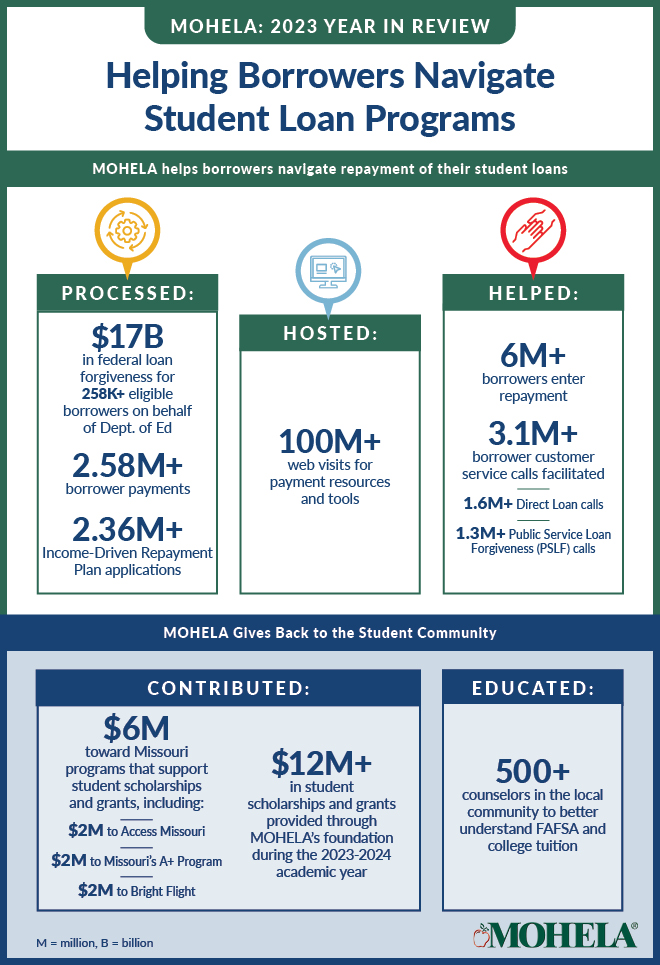
MOHELA stands for the Missouri Higher Education Loan Authority. Established in 1981, MOHELA began as a state-chartered entity with a clear mission: to improve access to higher education for Missouri residents by providing low-cost financial aid. While its initial focus was regional, its operational scope expanded significantly over the decades. Today, it has evolved into one of the largest student loan servicers in the United States, managing a vast portfolio of federal student loans for borrowers across all fifty states and beyond. This expansion underscores a pivotal shift from a state-specific financial aid provider to a nationally recognized financial service provider for student debt.
A Legacy of Financial Support for Education
MOHELA’s journey from a state authority to a national servicer reflects a broader narrative in the evolution of educational finance. Initially, its primary function involved issuing bonds to raise capital, which was then used to make direct loans to students or to purchase loans from other lenders. This model aimed to ensure that Missouri students had access to affordable funding for their education, directly addressing financial barriers to higher learning.
Over time, particularly with changes in federal student loan programs, MOHELA’s role adapted. The shift away from the Federal Family Education Loan (FFEL) Program towards direct lending by the U.S. Department of Education meant that institutions like MOHELA transitioned from being direct lenders or guarantors to primarily being loan servicers. This evolution highlights how financial entities must adapt their models to remain relevant and effective within changing legislative and economic frameworks, especially in a sector as dynamic as educational funding. Understanding this historical context helps borrowers appreciate the institutional foundation behind the financial services they receive today.
MOHELA’s Central Role in the Student Loan Ecosystem
As a student loan servicer, MOHELA acts as the bridge between the U.S. Department of Education and millions of borrowers. Its functions are entirely financial, revolving around the management and administration of loan accounts.
The Landscape of Federal Student Loans
The vast majority of loans serviced by MOHELA are federal student loans. These include Direct Subsidized Loans, Direct Unsubsidized Loans, Direct PLUS Loans (for parents and graduate/professional students), and Direct Consolidation Loans. Unlike private loans, federal student loans come with a suite of borrower protections and repayment options established by federal law, such as income-driven repayment plans, deferment, forbearance, and potential for loan forgiveness.
MOHELA’s role is critical in administering these federal benefits. When the Department of Education disburses a loan, it assigns that loan to a servicer like MOHELA. From that point on, MOHELA is responsible for a comprehensive range of financial tasks, making it a pivotal partner in a borrower’s financial journey.
Servicing Your Debt: MOHELA’s Core Function
The core function of MOHELA, as a student loan servicer, is to manage the financial aspects of your loan from disbursement to repayment. This involves several key financial responsibilities:
- Payment Processing: Collecting and accurately applying monthly payments. This includes managing payment schedules, handling overpayments or underpayments, and processing payments made through various methods (auto-debit, online, mail).
- Account Management: Maintaining accurate records of loan balances, interest accrual, payment history, and borrower contact information. This financial record-keeping is vital for both the borrower and the Department of Education.
- Communication: Sending statements, notices, and other financial communications to borrowers regarding their loan status, upcoming payments, and available options.
- Information and Guidance: Providing borrowers with information about repayment plans, deferment, forbearance, consolidation, and loan forgiveness programs. While MOHELA cannot offer financial advice, it is responsible for explaining the mechanics and eligibility criteria for these programs.
- Compliance: Ensuring adherence to federal regulations and guidelines set by the Department of Education for student loan servicing. This includes reporting to credit bureaus and handling financial disputes in accordance with regulations.
Effectively, MOHELA is the primary point of contact for borrowers concerning the financial administration of their federal student loans.
Navigating Different Loan Types
While MOHELA primarily services federal student loans, it’s important for borrowers to understand that some servicers, including MOHELA in certain instances, may also handle private student loans. However, the vast majority of its operations and the focus of its most impactful financial programs (like PSLF) pertain to federal debt. Borrowers with both federal and private loans must differentiate between them, as the rules, repayment options, and borrower protections differ significantly. Federal loans offer robust financial safety nets and more flexible repayment plans that private loans typically do not. Knowing which type of loan MOHELA is servicing for you is the first step in understanding your financial rights and obligations.
Financial Implications for Borrowers
Understanding MOHELA’s role is not just about knowing its full name; it’s about recognizing how this entity directly impacts your financial obligations and opportunities as a borrower.
Understanding Repayment Plans and Options
One of MOHELA’s most critical financial functions is to help borrowers navigate the various federal repayment plans. These plans are designed to accommodate different financial circumstances.
- Standard Repayment Plan: A fixed monthly payment for up to 10 years (or up to 30 years for consolidated loans), designed to pay off the loan balance, including interest, over the repayment period.
- Graduated Repayment Plan: Payments start low and gradually increase, typically every two years, over a 10-year term. This plan assumes increasing income over time.
- Extended Repayment Plan: Lower monthly payments over a longer period (up to 25 years) for borrowers with more than $30,000 in federal student loan debt, either fixed or graduated.
- Income-Driven Repayment (IDR) Plans: These plans (REPAYE, PAYE, IBR, ICR) adjust your monthly payment based on your income and family size, making payments more affordable. They also offer the potential for loan forgiveness after a certain number of qualifying payments (20 or 25 years). MOHELA processes applications for these plans and recalculates payments annually, a critical financial administrative task.
Choosing the right repayment plan profoundly impacts your monthly budget, total interest paid over the life of the loan, and potential for future loan forgiveness. MOHELA serves as the administrator for these crucial financial decisions.
Interest, Capitalization, and Loan Balances
MOHELA is responsible for accurately tracking interest accrual and managing interest capitalization. Interest accrues daily on your outstanding loan balance. Capitalization occurs when unpaid interest is added to the principal balance of your loan, increasing the amount on which future interest is calculated. This can happen, for example, after periods of deferment or forbearance, or if you fail to recertify your income for an IDR plan. Understanding how MOHELA tracks and applies interest and when capitalization occurs is vital for managing your overall loan balance and minimizing the total cost of your debt. Regular monitoring of your MOHELA account statement can help borrowers track these financial movements.
Forbearance, Deferment, and Financial Hardship
When faced with financial hardship—such as job loss, illness, or economic downturns—borrowers can apply for deferment or forbearance through MOHELA.
- Deferment: Allows you to temporarily postpone loan payments. Interest does not accrue on subsidized loans during deferment.
- Forbearance: Also allows you to temporarily stop or reduce payments, but interest accrues on all loan types (subsidized and unsubsidized) during this period.
MOHELA processes these applications, assesses eligibility based on federal guidelines, and adjusts your payment schedule accordingly. While these options provide short-term financial relief, it’s crucial to understand their long-term financial implications, especially regarding interest accrual and capitalization, which MOHELA will transparently administer.
Public Service Loan Forgiveness (PSLF) and Income-Driven Repayment (IDR)
MOHELA is a key servicer for the Public Service Loan Forgiveness (PSLF) Program. This program offers forgiveness of the remaining balance on Direct Loans after 120 qualifying monthly payments are made under a qualifying repayment plan while working full-time for a qualifying employer. MOHELA’s role involves processing PSLF Employment Certification Forms, tracking qualifying payments, and ultimately determining eligibility for forgiveness. For borrowers pursuing PSLF, MOHELA becomes a direct partner in a complex financial strategy aimed at debt elimination. Similarly, MOHELA administers the eligibility and annual recertification processes for all Income-Driven Repayment (IDR) plans, which also offer loan forgiveness after 20 or 25 years of payments. These programs represent significant financial pathways for many borrowers, and MOHELA’s accurate administration is paramount to their success.
Managing Your Money with MOHELA
Effective financial management of your student loans requires proactive engagement with your servicer. MOHELA provides the tools and information necessary for this, but the onus is on the borrower to utilize them.
Effective Communication and Account Management
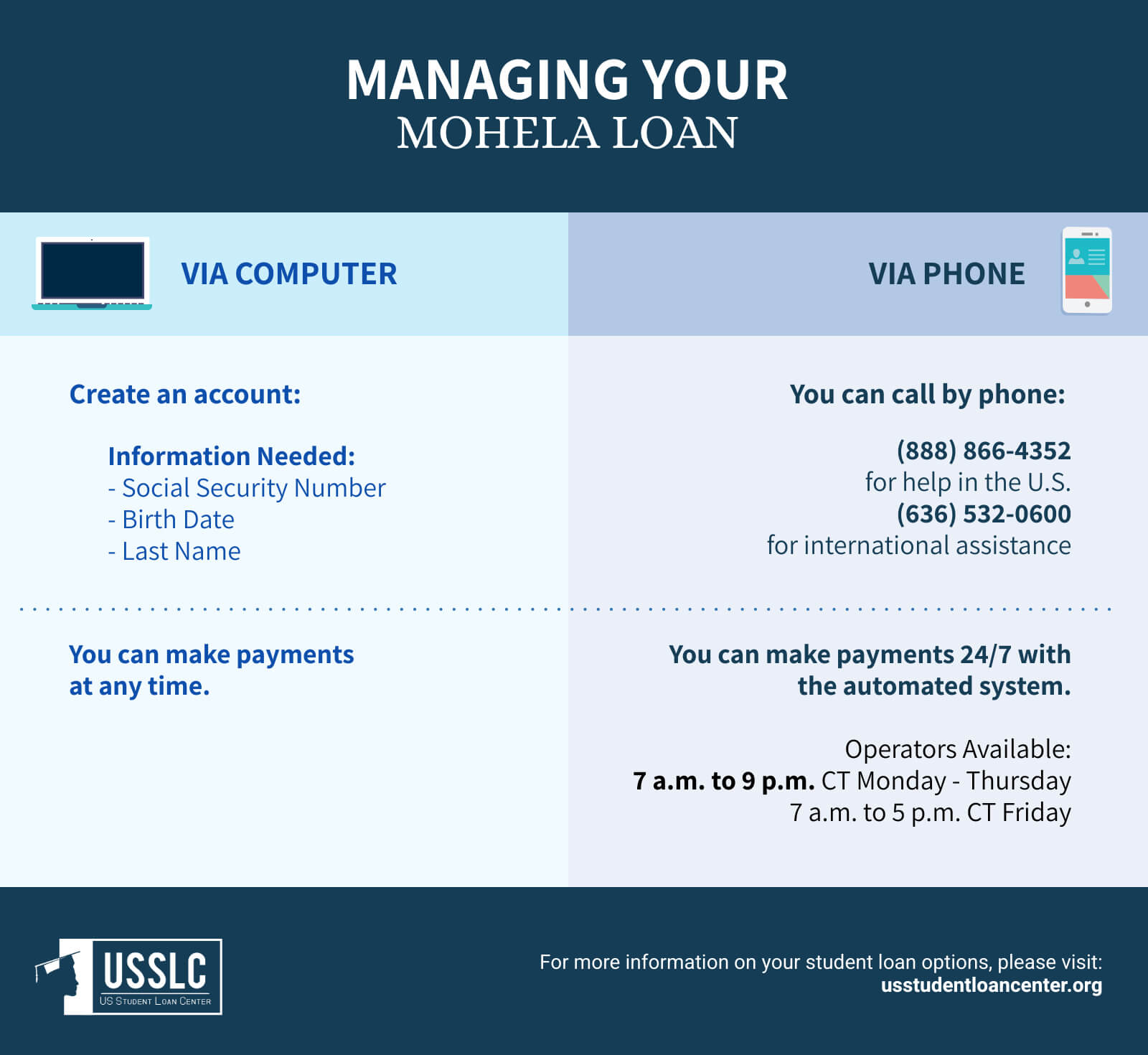
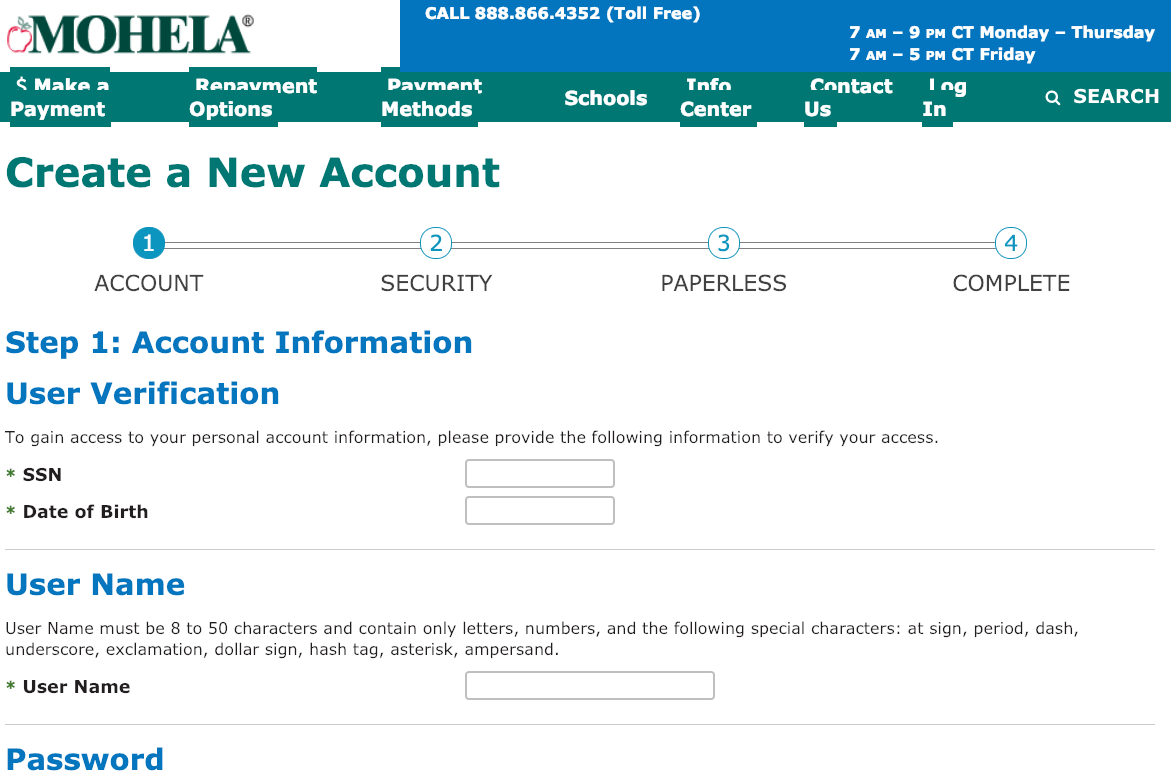
Maintaining an active online account with MOHELA is essential. Through their portal, you can:
- View account details: Check your current loan balance, interest rate, payment due dates, and payment history.
- Make payments: Set up auto-debit (which often comes with an interest rate reduction), make one-time payments, or schedule future payments.
- Update information: Ensure your contact information and financial details are current.
- Apply for programs: Submit applications for IDR plans, deferment, forbearance, or PSLF.
- Access tax documents: Retrieve forms like the 1098-E, essential for claiming student loan interest deductions.
Proactive communication with MOHELA, especially if you anticipate financial difficulties or changes in employment, can help prevent missed payments, default, and adverse credit impacts.
Seeking Financial Guidance and Resources
While MOHELA cannot provide personalized financial advice, it is a resource for understanding the mechanics of your loans and the available federal programs. Their website and customer service representatives can explain repayment options, eligibility criteria for various programs, and the financial implications of different choices. For broader financial planning and advice, borrowers may consider consulting certified financial planners or non-profit credit counseling agencies specializing in student loan debt. Understanding “what MOHELA stands for” ultimately means recognizing its role as a critical administrator in your student loan journey, providing the operational framework within which you manage a significant part of your financial life.
aViewFromTheCave is a participant in the Amazon Services LLC Associates Program, an affiliate advertising program designed to provide a means for sites to earn advertising fees by advertising and linking to Amazon.com. Amazon, the Amazon logo, AmazonSupply, and the AmazonSupply logo are trademarks of Amazon.com, Inc. or its affiliates. As an Amazon Associate we earn affiliate commissions from qualifying purchases.