
In the complex and often daunting world of real estate, understanding the fundamental terminology is crucial for making informed financial decisions. One term that stands as a cornerstone of property transactions, yet is often misunderstood by the general public, is the “MLS listing.” Far more than just an entry on a website, an MLS listing represents the powerful engine driving the vast majority of residential real estate sales in North America. For buyers, sellers, and real estate professionals alike, deciphering its meaning is key to navigating property markets effectively, optimizing financial outcomes, and ensuring transparency in what is often the largest financial transaction of a lifetime.

At its core, an MLS listing signifies that a property has been officially entered into a Multiple Listing Service – a private, cooperative database created and maintained by real estate brokers. This entry is a declaration that the property is actively for sale, complete with a rich tapestry of financial and physical details, and is being offered to a wide network of licensed agents and their prospective buyers. Understanding its implications is not just about knowing what an acronym stands for; it’s about grasping a critical financial mechanism that underpins property valuation, market access, and the very flow of capital within the housing economy.
The Core Concept: Demystifying the Multiple Listing Service
To truly appreciate the financial weight of an MLS listing, one must first comprehend the system from which it originates: the Multiple Listing Service. This is not merely a public website where anyone can post a property; it is a sophisticated, localized, and highly regulated network that serves as the central nervous system for real estate professionals.
What is the MLS? Beyond a Simple Database
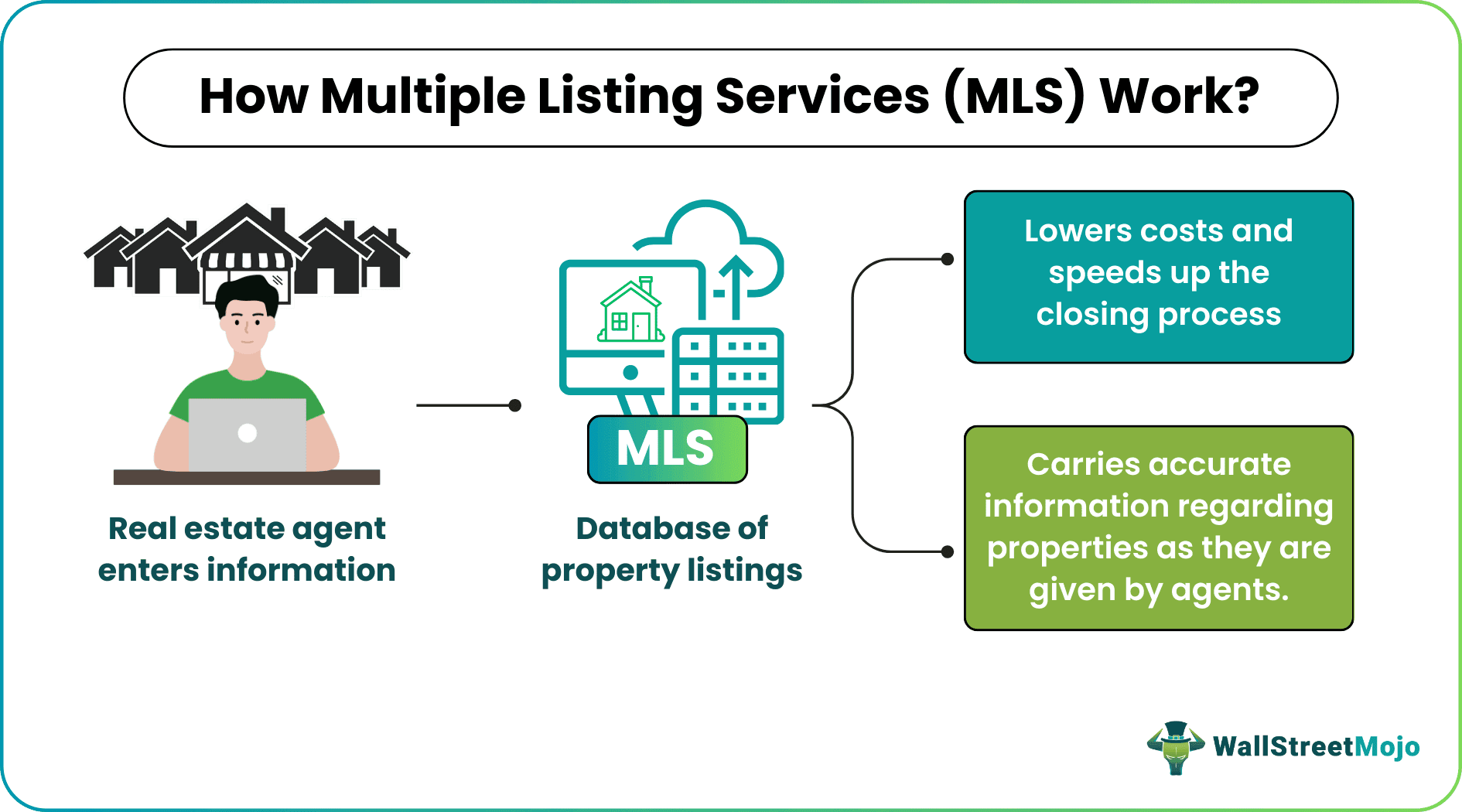
The MLS is a cooperative arrangement among real estate brokers who agree to share information about their exclusive listings with one another. When an agent takes on a new listing, they enter it into their local MLS system. This act transforms the property from a private offering into a widely accessible asset within the professional real estate community. It’s a mechanism designed to ensure that properties for sale are exposed to the maximum possible pool of potential buyers represented by other agents, rather than just the clientele of the listing agent.
From a financial perspective, the MLS is a crucial infrastructure. It aggregates an enormous amount of data – property specifications, pricing, sale histories, market trends, and more – into a standardized format. This data is invaluable for accurately pricing properties, conducting comparative market analyses (CMAs), and understanding the financial dynamics of local housing markets. Without the MLS, real estate markets would be fragmented, less efficient, and far more opaque, leading to greater financial risks and reduced opportunities for both buyers and sellers.
The Role of the MLS in Real Estate Efficiency and Transparency
The very existence of the MLS dramatically enhances the efficiency and transparency of real estate transactions. Before the widespread adoption of MLS systems, a buyer might have to visit dozens of individual real estate offices to understand what homes were available in a given area. Sellers, likewise, were limited to the marketing efforts of their chosen agent. This created significant market inefficiencies, limited competition, and often resulted in properties sitting on the market longer or selling for less than their optimal value.
The MLS changed this paradigm by centralizing information. It created a single, comprehensive source of data for properties listed by participating brokers. This efficiency translates directly into financial benefits:
- Faster Sales Cycles: Greater exposure often leads to quicker matches between buyers and sellers, reducing the financial carrying costs for sellers (mortgage payments, insurance, utilities, maintenance) and allowing buyers to secure properties more rapidly.
- Fair Market Pricing: With access to extensive comparable sales data, real estate agents can more accurately advise clients on pricing strategies, ensuring properties are listed at a competitive and realistic market value. This protects sellers from undervaluation and buyers from overpaying.
- Reduced Information Asymmetry: By making detailed property information widely available to licensed professionals, the MLS levels the playing field, reducing the likelihood of one party holding significantly more information than the other. This transparency fosters trust and helps prevent fraudulent or exploitative practices.
Who Has Access? The Gatekeepers of Information
A critical financial aspect of the MLS is its controlled access. Primarily, only licensed real estate brokers and agents who are members of their local real estate board and subscribe to the MLS can directly input and retrieve detailed information from the system. This exclusivity serves several important financial functions:
- Professional Expertise: It ensures that properties are handled by trained professionals who understand legal requirements, negotiation strategies, and market intricacies. This professional oversight helps to safeguard the financial interests of both buyers and sellers.
- Data Integrity: Restricting access to professionals helps maintain the accuracy and reliability of the data. Incorrect or misleading information can have significant financial consequences, and the MLS systems have rules and penalties for inaccurate listings.
- Broker Cooperation: The system is built on an agreement of cooperation and compensation. When a listing agent inputs a property into the MLS, they are also typically offering a portion of their commission to any buyer’s agent who brings a successful offer. This incentivizes broad participation and ensures that agents actively work to find buyers for listed properties, contributing to market liquidity.
While public websites like Zillow, Realtor.com, and others display a subset of MLS data, they are generally “secondary” sources, pulling information from the various MLS databases. The most current, complete, and often proprietary details remain within the professional MLS system, highlighting its role as the primary financial and informational hub.
The Financial Significance of an MLS Listing for Buyers
For an individual or family looking to purchase a home, an MLS listing is far more than just a picture and a price tag; it’s a gateway to significant financial opportunities and protection. It empowers buyers with information and access that would otherwise be impossible to attain.
Broadening Your Search: Uncovering Market Opportunities
Before the MLS, buyers were largely limited to properties known by their specific agent or those advertised locally. Today, an MLS listing ensures that a buyer, through their agent, has access to virtually every property listed for sale by a licensed professional in their desired area. This broad exposure is financially advantageous:
- Diverse Options: Buyers can compare a wide range of properties across different price points, neighborhoods, and features. This allows them to identify homes that best fit their budget and lifestyle, avoiding the financial compromise of settling for limited choices.
- Market Insight: By reviewing numerous MLS listings, buyers gain an understanding of what their money can buy in different areas. They can observe price trends, feature commonalities, and differentiate between market values, enabling them to make more strategic offers.
- Spotting Deals: While the MLS promotes fair pricing, an astute buyer with an informed agent can still identify properties that might be slightly undervalued or those with significant potential for appreciation, leading to sound investment decisions.
Price Discovery and Market Valuation: Making Informed Financial Decisions
Perhaps one of the most critical financial benefits of MLS listings for buyers is the ability to conduct thorough price discovery and market valuation. Each listing, when viewed in conjunction with historical data on sold properties within the MLS, provides the necessary context for assessing value.
- Comparable Sales (Comps): Real estate agents use MLS data to pull “comparable sales” – recently sold properties similar in size, age, condition, and location. This data is the backbone of a Comparative Market Analysis (CMA), which helps buyers understand the fair market value of a property and how a particular listing’s price compares to recent sales. This prevents buyers from overpaying and ensures their investment aligns with market realities.
- Negotiation Leverage: Armed with detailed comps and market insights from the MLS, a buyer’s agent can provide powerful justification for an offer, potentially leading to a better purchase price. Understanding the property’s time on market, price changes, and historical data (all available through MLS) can inform negotiation strategies.
- Appraisal Foundation: Lenders rely heavily on appraisals to determine the value of a property for mortgage purposes. Appraisers, in turn, use MLS data (particularly sold comparables) as their primary source to ensure the property’s value justifies the loan amount. For a buyer, an accurate appraisal based on MLS data is crucial for securing financing and confirming their investment is sound.
Mortgage Pre-Approval and Property Match: Aligning Financial Capacity with Desired Assets
The details contained within MLS listings play a direct role in how buyers align their financial capacity with available properties. A buyer’s journey often begins with mortgage pre-approval, establishing a clear budget. MLS listings then allow agents to filter properties that fall within that pre-approved range.
- Budget Adherence: Agents can quickly filter listings by price, ensuring that the properties shown to a buyer fall within their pre-approved mortgage amount, preventing wasted time and emotional attachment to unaffordable homes. This disciplined approach is vital for personal financial planning.
- Understanding Costs: Beyond the listing price, MLS details often hint at other financial considerations like property taxes (which can be derived from previous sales data or public records linked to MLS), potential HOA fees, and sometimes even utility averages if provided. This helps buyers calculate the true total cost of homeownership, crucial for long-term financial stability.
Maximizing Value: The MLS Listing from a Seller’s Perspective
For property owners looking to sell, the MLS listing is arguably the single most important marketing tool available. It’s the mechanism through which they can connect with the broadest possible audience of qualified buyers, ultimately maximizing their return on investment and streamlining the sales process.
Unparalleled Exposure: Reaching a Vast Pool of Qualified Buyers
When a property is entered into the MLS, it immediately becomes visible to thousands of licensed real estate agents and their respective clients, not just in the local area but often across regional and even national networks. This unparalleled exposure is a direct financial advantage for sellers:
- Market Penetration: The MLS ensures that a property reaches a far larger audience than any individual agent or private advertising campaign could achieve alone. This broad reach increases the probability of finding a suitable buyer quickly.
- Attracting the Right Buyer: By being accessible to a diverse pool of agents, the listing is more likely to be seen by agents specializing in specific buyer needs (e.g., luxury, first-time homebuyers, investors), increasing the chances of attracting a buyer whose financial profile and preferences align perfectly with the property.
- Competitive Bidding: Greater exposure can lead to more interest, potentially resulting in multiple offers or even bidding wars in a strong market. This competition among buyers can drive up the final sale price, directly benefiting the seller’s financial outcome.

Competitive Pricing Strategy: Leveraging Market Data for Optimal Returns
Pricing a home correctly is the most critical factor in a successful sale, and the MLS is the ultimate tool for achieving this. Overpricing leads to stagnation, while underpricing means leaving money on the table.
- Data-Driven Valuation: A listing agent uses extensive MLS data on recently sold comparable properties (“comps”) to perform a detailed Comparative Market Analysis (CMA). This analysis provides a scientific basis for setting an optimal list price that aligns with current market conditions, attracting serious buyers while maximizing the seller’s profit.
- Market Responsiveness: MLS data also shows how long similar properties are staying on the market, what price reductions are common, and which features are driving sales. This allows agents to advise sellers on real-time market trends, enabling them to adjust their pricing or marketing strategy proactively if the property isn’t generating sufficient interest, thereby protecting their financial timeline and avoiding unnecessary carrying costs.
Expediting the Sales Process: Reducing Time on Market and Carrying Costs
Every day a property sits on the market incurs costs for the seller. Mortgage payments, property taxes, insurance, utilities, and maintenance continue to accrue. An efficient sales process, largely facilitated by the MLS, directly translates to financial savings.
- Faster Sale: The broad exposure and efficient information dissemination provided by the MLS significantly reduce the “time on market” for well-priced properties. A quicker sale means fewer months of carrying costs for the seller.
- Reduced Stress and Uncertainty: While not strictly financial, the emotional and time costs of a prolonged sale process are significant. Expediting the sale frees up capital sooner and allows sellers to move on with their financial and life plans.
Broker Collaboration and Commission Structures: Understanding the Financial Mechanics of Sale
The MLS is built on a cooperative compensation model, a crucial financial element for sellers. When a listing agent places a property on the MLS, they commit to sharing a portion of their commission with the buyer’s agent who successfully brings a qualified buyer.
- Incentivized Sales: This shared commission structure is a powerful incentive for buyer agents to show the property to their clients, effectively multiplying the marketing efforts for the seller. It means the seller gets the benefit of numerous agents working to sell their home, all funded from a single, pre-agreed commission.
- Clear Financials: This model provides clarity on the financial obligations related to agent compensation, allowing sellers to factor commission costs accurately into their net proceeds calculation from the sale.
The MLS as a Foundation for Real Estate Investment and Professional Finance
Beyond individual homeownership, the MLS plays an indispensable role in the broader financial landscape of real estate, serving as a critical tool for investors, developers, and all professionals operating within the industry.
Identifying Investment Opportunities: Data-Driven Decisions for Portfolio Growth
Real estate investors rely heavily on MLS data to make calculated financial decisions that drive portfolio growth and profitability.
- Property Sourcing: Investors use advanced MLS search filters to identify properties matching specific investment criteria: distressed sales, foreclosures, short sales, multi-family units, properties with high rental yield potential, or homes suitable for flipping.
- Market Analysis for Returns: By analyzing past sale prices, current listing prices, days on market, and rental comparables available through the MLS, investors can project potential cash flow, estimate renovation costs, and calculate crucial financial metrics like capitalization rates and return on investment (ROI). This data-driven approach minimizes speculative risk and informs strategic purchases.
- Portfolio Management: For existing portfolios, investors can use MLS data to track market appreciation in their investment areas, identify optimal times to sell, or understand competitive rental pricing, ensuring their assets are performing optimally.
Market Analysis and Trends: Guiding Business Strategies for Real Estate Professionals
For real estate brokers, agents, developers, and financial institutions, the MLS is a fundamental data source for business intelligence and strategic planning.
- Economic Indicators: MLS data provides real-time insights into housing market health, serving as a leading indicator of local economic conditions. Professionals analyze volume of sales, average sale prices, new listings, and pending sales to forecast market shifts, guiding business development, staffing decisions, and marketing budgets.
- Niche Market Identification: By segmenting MLS data, professionals can identify emerging neighborhoods, property types, or price points that are underserved or experiencing rapid growth, allowing them to focus resources on profitable niches.
- Valuation Services: Appraisers, loan officers, and underwriters rely on MLS data for accurate property valuations, which are critical for mortgage lending, property tax assessments, and insurance underwriting – all core financial services.
Valuing Assets and Due Diligence: Mitigating Financial Risk
The integrity and depth of MLS data are paramount for financial due diligence in real estate.
- Accurate Appraisals: Lenders require independent appraisals based on solid comparable sales data (primarily from the MLS) before approving a mortgage. This process protects the lender from over-lending and the buyer from overpaying, thereby mitigating significant financial risk.
- Investment Due Diligence: For large-scale investors or developers, the comprehensive historical data within the MLS provides a robust foundation for due diligence on potential acquisitions. They can verify previous sales, assess market absorption rates, and understand pricing history, all crucial for large-scale financial commitments.
The Evolution of MLS and its Future Financial Impact
The MLS is not a static system; it continually evolves, driven by technology and changing market demands. These evolutions have profound financial implications for all participants in the real estate economy.
Technological Advancements: Data Analytics and AI’s Role in Market Insights
Modern MLS systems leverage advanced technology to provide even deeper financial insights.
- Predictive Analytics: AI and machine learning are increasingly used to analyze vast quantities of MLS data, predicting future market trends, property values, and even optimal listing times or pricing strategies. This gives buyers, sellers, and investors a powerful financial edge.
- Enhanced Reporting: MLS platforms now offer sophisticated reporting tools that can generate detailed market reports, neighborhood analyses, and property valuations with unprecedented speed and accuracy, aiding financial planning and decision-making.
- Integration with Financial Tools: Many MLS systems integrate with financial modeling software, CRM platforms, and other business intelligence tools, creating a seamless ecosystem for real estate professionals to manage their finances, client relationships, and deal pipelines.
The Interplay with Public Portals: How Zillow, Realtor.com Leverage MLS Data
The rise of public-facing real estate websites has fundamentally altered how consumers interact with property listings, but the financial backbone remains the MLS. These portals primarily acquire their data feeds from local MLS systems.
- Increased Consumer Financial Literacy: By making a subset of MLS data publicly accessible, these portals have empowered consumers with more information, making them more financially literate about market conditions and property values before engaging an agent.
- Expanded Reach (Indirectly): While not direct MLS access, these portals extend the reach of MLS listings to a massive, non-professional audience. This amplifies the exposure for sellers, potentially generating more leads and driving competitive interest, ultimately impacting sale prices.
- The Agent’s Enduring Role: Despite public access to some data, the detailed, real-time, and often proprietary information within the professional MLS, along with an agent’s expertise in interpreting it, remains invaluable for making sound financial decisions. Agents provide the context, negotiation skills, and market knowledge that raw data alone cannot.
Ensuring Data Integrity and Fair Market Practices: Protecting Financial Transactions
The integrity of MLS data is paramount for a fair and efficient real estate market. Any inaccuracies or manipulation can have significant financial repercussions.
- Regulation and Oversight: MLS systems are governed by strict rules and regulations enforced by local real estate associations. These rules dictate data entry standards, prohibit discriminatory practices, and ensure fair access to information, all of which protect the financial interests of buyers and sellers.
- Consumer Protection: By ensuring data accuracy and widespread distribution, the MLS helps protect consumers from misleading information and promotes a level playing field, fostering trust in financial transactions related to real estate.
- Ethical Conduct: The cooperative nature of the MLS, backed by codes of ethics for real estate professionals, ensures that agents act in the best financial interests of their clients, promoting fair dealings and transparent practices across the market.
In conclusion, an MLS listing is far more than a simple advertisement; it is a vital cog in the machinery of real estate finance. It represents a property’s official entry into a cooperative system that fosters transparency, efficiency, and informed financial decision-making for every party involved. From enabling buyers to discover optimal investments and protecting them from overpaying, to empowering sellers to maximize their returns and streamline sales, and serving as the indispensable data engine for real estate professionals and investors, the MLS is the silent, yet powerful, financial infrastructure underpinning the entire property market. Understanding its significance is crucial for anyone navigating the financial complexities of buying, selling, or investing in real estate.
aViewFromTheCave is a participant in the Amazon Services LLC Associates Program, an affiliate advertising program designed to provide a means for sites to earn advertising fees by advertising and linking to Amazon.com. Amazon, the Amazon logo, AmazonSupply, and the AmazonSupply logo are trademarks of Amazon.com, Inc. or its affiliates. As an Amazon Associate we earn affiliate commissions from qualifying purchases.