
On the surface, the question “how long is an MLS game?” seems straightforward. A typical Major League Soccer match, like most professional football (soccer) games worldwide, is played over 90 minutes, divided into two halves of 45 minutes each, separated by a 15-minute halftime interval. However, this seemingly simple duration is far more than just a rule; it is a meticulously managed variable at the heart of a multi-billion dollar financial ecosystem. From broadcast deals and advertising revenue to stadium operations and fan engagement, every minute of an MLS game carries significant financial weight, shaping the league’s profitability and growth.
Understanding the precise duration and its inherent variability is crucial for stakeholders across the league – team owners, investors, broadcasters, sponsors, and even sports bettors. This article delves into the financial underpinnings of MLS game length, revealing how this core characteristic influences revenue generation, cost management, and the overall economic health of one of North America’s fastest-growing sports leagues.
The Core Game Duration: A Financial Foundation
The standardized 90-minute format of an MLS game, complemented by its crucial 15-minute halftime, forms the bedrock of its financial viability. This predictability is not arbitrary; it’s a carefully cultivated element designed to optimize revenue streams.
Standardized Length and Broadcast Economics
The global adherence to a 90-minute football match provides an invaluable framework for media rights negotiations and broadcast scheduling. For MLS, securing lucrative broadcast deals, such as its recent 10-year, $2.5 billion agreement with Apple, hinges on delivering a predictable product. Broadcasters value consistency for several reasons:
- Scheduling Predictability: A fixed game length allows networks to slot matches into specific time slots, ensuring seamless transitions between programming and facilitating multi-game broadcasts. This predictability maximizes viewership by making it easy for fans to know when to tune in.
- Advertising Inventory Management: Advertisers purchase slots based on anticipated airtime. A 90-minute game, with its inherent structure, provides a reliable amount of commercial breaks (primarily during halftime, pre-game, and post-game segments, with limited in-game ad reads in soccer) for networks to sell. Any deviation in game length, while sometimes dramatic, can complicate ad placement and valuation if it becomes too erratic.
- Global Market Appeal: By aligning with the international standard, MLS positions itself as a familiar and easily consumable product for global football fans and international broadcasters, potentially opening doors to further revenue streams from overseas markets. The consistency reinforces the sport’s universal appeal, making it a more attractive investment.
Halftime: A Commercial Goldmine
The 15-minute halftime interval is far more than just a break for players to strategize and rest; it’s a strategically vital commercial interlude. From a financial perspective, halftime is an engine of revenue generation and brand activation.
- Prime Advertising Slots: For broadcasters, halftime offers the longest uninterrupted block of time for commercials. These slots are highly valuable, often commanding premium rates due to concentrated viewership. Sponsors leverage this time for dedicated advertising campaigns, promotional messages, and brand storytelling.
- In-Stadium Revenue Boost: For the clubs, halftime is a crucial period for driving ancillary revenue within the stadium. Fans flock to concession stands, boosting sales of food, beverages, and merchandise. Shorter halftimes would reduce this spending window, while excessively long ones might lead to disengagement. The 15-minute duration is an optimized sweet spot for maximizing impulse purchases.
- Sponsor Activations and Fan Engagement: Many teams and the league itself use halftime for sponsor activations, half-court challenges, performances, or community recognition events. These activities enhance the fan experience, justify ticket prices, and provide additional value for corporate partners who might have invested in these specific segments. The ability to guarantee a specific block of time for these activations is essential for their planning and financial execution.
Stoppage Time and Its Economic Ripple Effects
While 90 minutes is the official duration, nearly every MLS game extends beyond this due to “stoppage time” (also known as injury time or added time). This additional period, ranging from a few minutes to sometimes over ten, accounts for delays during regular play, such as injuries, substitutions, goal celebrations, and, increasingly, VAR (Video Assistant Referee) reviews. This variability, while integral to the fairness of the game, introduces a layer of unpredictability with distinct financial implications.
Unpredictability and Revenue Management
The indeterminate nature of stoppage time presents both challenges and opportunities for revenue management.
- Broadcast Flexibility: Broadcasters must account for potential overruns, which can impact subsequent programming. While major sporting events often have a buffer, consistent significant overruns can lead to scheduling conflicts or force networks to cut away from live action, potentially frustrating viewers and devaluing ad spots. However, a dramatic, longer game can also lead to increased engagement and higher ratings for the duration it runs.
- Live Event Staffing Costs: For stadium operators and clubs, extended game times can marginally increase operational costs related to staffing (security, ushers, concessions), utility usage, and logistical planning. While minor for individual games, over a season, these can accumulate, requiring careful budget allocation.
- Fan Engagement Window: For fans at the stadium, extra time means more time to potentially spend on concessions or merchandise, but also potentially extends their overall commitment, which could affect future attendance if the experience becomes too prolonged or inconvenient. The perceived value of the ticket needs to hold up against the total time investment.
The Betting Market’s Precision
The financial impact of stoppage time is perhaps most acutely felt within the burgeoning sports betting market. Betting operators and sophisticated bettors meticulously factor in every aspect of game duration.
- Prop Bets and Live Betting: Stoppage time is critical for a variety of prop bets, such as predicting the total number of goals, the time of the next goal, or specific player performances that might occur late in the game. Live betting markets dynamically adjust odds based on game clock, and the announcement of stoppage time can trigger significant shifts in betting patterns and payouts.
- Over/Under Totals: Bets on “over/under” for total goals or corners often take into account the potential for additional playing time, where a critical goal or event could occur. A longer stoppage time statistically increases the window for such events.
- Financial Models and Risk Assessment: For sportsbooks, accurate models of game duration, including expected stoppage time, are essential for setting odds, managing risk, and ensuring profitability. Underestimating or overestimating this variable can lead to significant financial exposure. The precision with which these markets operate underscores the monetary value attached to every minute of play.
Beyond the Whistle: Total Event Duration and Ancillary Revenue
An MLS game isn’t just the 90 minutes of regulation play; it’s a comprehensive event spanning several hours. From the moment stadium gates open to when the last fan departs, this extended “total event duration” is strategically designed to maximize ancillary revenue and enhance the overall financial return for the clubs and the league.
Matchday Experience: Maximizing Fan Spending

The duration of the entire matchday experience is carefully curated to encourage sustained fan engagement and spending.
- Pre-Game Festivities: Clubs open gates well in advance (typically 60-90 minutes before kickoff) to allow for pre-game activities. This includes fan zones, live music, sponsor activations, and early access to merchandise stores and concession stands. This extended pre-game window is crucial for driving initial sales before the game even starts. Fans arrive early, spend more, and build excitement.
- Concessions and Merchandise: The time spent by fans within the stadium, before, during, and after the game, directly correlates with potential spending on food, beverages, and team merchandise. A well-managed flow of fans and adequate time for transactions are essential for maximizing these high-margin revenue streams.
- Post-Game Engagement: While less structured than pre-game, some stadiums offer post-game activities, team interactions, or simply allow fans time to digest the game and make final purchases. This extends the revenue-generating window and adds to the perceived value of the ticket. The overall “show” surrounding the 90 minutes is what justifies premium ticket pricing and encourages repeat attendance.
Operational Costs and Resource Allocation
While extending the fan experience boosts revenue, it also increases operational costs. Managing this balance is a key financial consideration for clubs.
- Staffing and Security: Longer total event durations necessitate more hours for stadium staff, security personnel, medical teams, and event management. This translates directly into higher wage bills and logistical complexities. Clubs must optimize staffing levels to ensure safety and service without incurring excessive costs.
- Utilities and Maintenance: Extended operating hours mean increased consumption of electricity (lighting, video screens, HVAC), water, and other utilities. Post-game cleanup and maintenance also factor into the overall cost structure.
- Logistical Planning: Coordinating transportation, parking, and crowd management for an event that can span 4-5 hours from gate opening to closure requires extensive planning and resource allocation. Efficient management of these elements is crucial for cost control and delivering a smooth fan experience, which in turn encourages future attendance and spending.
Strategic Scheduling and Its Financial Returns
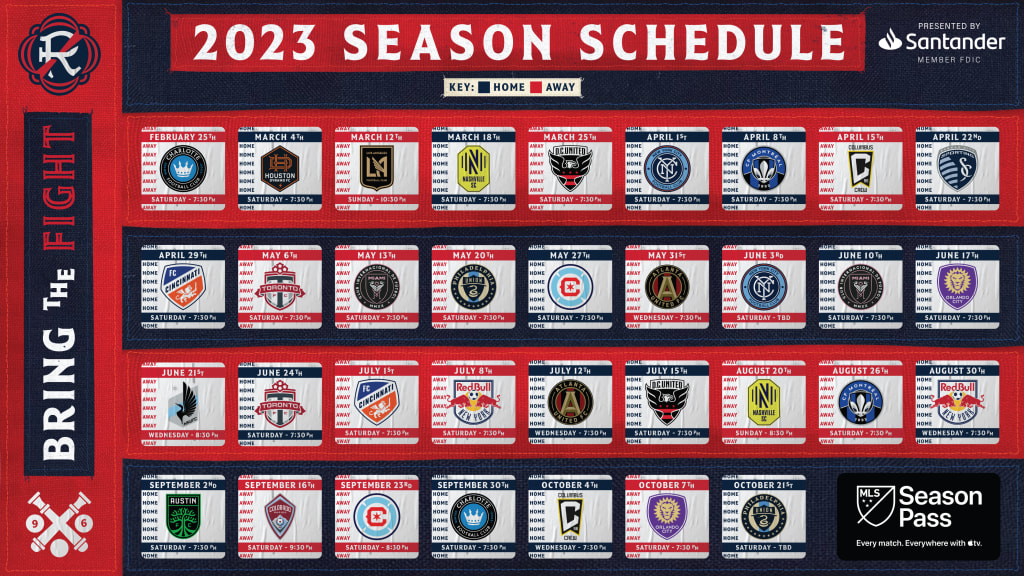
The MLS regular season, spanning from late February/early March to October, with playoffs culminating in November, involves a complex scheduling algorithm. This is not merely about logistics; it’s a profound exercise in financial optimization, where the duration of each game is a core factor in maximizing viewership, attendance, and ultimately, revenue.
Optimizing Viewership and Attendance
MLS strategically schedules games to hit peak viewership windows and attendance figures, leveraging the standard game duration.
- Prime Time Broadcast Slots: Weekend afternoon and early evening slots are highly coveted for national broadcasts, as they maximize television viewership (and thus advertising revenue). Midweek games might target specific regional audiences or take advantage of less competition from other sports. The consistent game length allows broadcasters to commit specific time slots without constant adjustments.
- Balancing Competition: Schedulers must consider competing sporting events (NFL, NBA, MLB, NHL) to avoid direct clashes that would dilute viewership and attendance. Knowing the predictable duration of an MLS game allows them to strategically place matches in less competitive windows.
- Travel and Player Welfare: While a competitive factor, player travel and recovery (partially influenced by the physical demands of 90+ minutes of play) also have financial implications. Strategic scheduling minimizes player fatigue, potentially reducing injury risks (and associated medical costs) and ensuring optimal performance, which contributes to an attractive product for fans and broadcasters.
Tournament Formats and Financial Windfalls
Beyond the regular season, specific tournament formats can alter the effective duration of games, introducing unique financial opportunities and challenges.
- Leagues Cup and Playoff Overtime: Tournaments like the Leagues Cup, which feature penalty shootouts immediately after a draw in the group stage (and no extra time), or MLS playoff games which extend to 30 minutes of extra time before a shootout, directly impact game duration. While regular season games generally end after stoppage time regardless of the score, playoff games must produce a winner.
- Increased Drama, Increased Viewership: The added drama of extra time or a shootout in knockout competitions often leads to heightened viewership, increased engagement on social media, and more dynamic live betting markets. This intensity can drive up advertising rates for broadcasters and create buzz that translates into future ticket sales.
- Premium Pricing: Playoff games, by their nature, command premium ticket prices. The extended duration and high stakes contribute to the perceived value, allowing clubs to charge more, thus boosting their financial returns from the critical postseason. The guarantee of a definitive outcome, even if it extends the event, is a powerful selling point.
The Future of Game Length and Its Financial Evolution
The discussion around game duration in soccer is not static. Rule changes, technological advancements, and evolving commercial pressures continually prompt debates about how best to optimize the game, always with significant financial implications.
Technological Influence and Efficiency
Technology has already begun to subtly reshape game duration, primarily through VAR.
- VAR’s Dual Impact: While VAR aims to ensure fairness, its implementation often leads to extended stoppage times as referees review incidents. This “dead time” can frustrate viewers, potentially impacting engagement, but it also ensures a more accurate outcome, which might be seen as a long-term benefit for the sport’s integrity and value. The financial balance is tricky: improved fairness versus potential dip in continuous action.
- Proposals for “Effective Time”: There are ongoing discussions, particularly within FIFA, about moving towards “effective time” – where the clock stops when the ball is out of play, similar to basketball. Financially, this would ensure a guaranteed amount of actual playing action, making broadcast rights potentially more valuable due to less “dead air” and more continuous product delivery. However, it would also mean unpredictable overall game lengths, challenging traditional scheduling and ad models. The transition costs and risks for broadcasters and event organizers would be substantial.
Balancing Tradition and Commercial Imperatives
Any significant alteration to the 90-minute format would be met with fierce debate, as it pits the sport’s deep-seated traditions against modern commercial imperatives.
- Fan Sentiment: Fans are deeply attached to the 90-minute format. Major changes could alienate traditionalists and potentially impact attendance and viewership if not handled carefully. Preserving fan loyalty is paramount to long-term financial health.
- Sponsor and Broadcaster Adaptation: While some changes might enhance commercial opportunities (e.g., more guaranteed active play for advertisers), they would also require significant adaptation from broadcasters, sponsors, and betting markets. New models for advertising, sponsorship activation, and risk assessment would need to be developed, incurring transition costs and potential market instability.
- The MLS Context: As a growing league in a competitive North American sports market, MLS must constantly innovate while respecting the global game. Any decisions regarding game length would have to weigh the potential for increased revenue against the risk of disrupting its established product and alienating its fanbase. The financial risks and rewards of such changes are monumental.
Conclusion
The question of “how long is an MLS game?” transcends a simple factual answer. It unravels a complex web of financial considerations that underpin the league’s operations, revenue streams, and strategic direction. The standardized 90 minutes, the critical 15-minute halftime, and the variable yet impactful stoppage time are all integral components of a carefully engineered financial product. From optimizing broadcast deals and maximizing in-stadium spending to managing operational costs and navigating the dynamic sports betting market, every minute counts. As MLS continues its trajectory of growth, decisions regarding game duration and its surrounding event structure will remain pivotal, constantly balancing the traditions of the beautiful game with the relentless commercial imperatives of a modern professional sports enterprise.
aViewFromTheCave is a participant in the Amazon Services LLC Associates Program, an affiliate advertising program designed to provide a means for sites to earn advertising fees by advertising and linking to Amazon.com. Amazon, the Amazon logo, AmazonSupply, and the AmazonSupply logo are trademarks of Amazon.com, Inc. or its affiliates. As an Amazon Associate we earn affiliate commissions from qualifying purchases.