
Understanding the MLS Ecosystem: The Tech Backbone of Real Estate
The Multiple Listing Service (MLS) stands as the undisputed technological cornerstone of the real estate industry. Far more than a simple compilation of property listings, the MLS is a sophisticated, localized database system designed to facilitate the cooperative sale and sharing of property information among licensed real estate professionals. At its core, it represents a massive, interconnected digital infrastructure, aggregating an unparalleled volume of structured data on residential and commercial properties, land, and rentals. Accessing this system isn’t merely about viewing homes; it’s about tapping into a vast data network, utilizing specialized software, and adhering to digital protocols that govern the flow of critical market information.

Core Functionality and Data Structure
The technological prowess of the MLS lies in its structured data environment. Each property listing within an MLS database is meticulously categorized with hundreds of data fields, ranging from geographical coordinates and property specifications to intricate details about interior features, utility services, and historical transaction data. This highly structured data enables powerful search functionalities, comparative market analysis (CMA) tools, and reporting features that are indispensable for professionals. The system ensures data integrity through stringent entry rules and validation processes, making it a reliable source for market analysis and valuation. Without this digital architecture, the efficient matching of buyers with sellers, and the rapid dissemination of market trends, would be virtually impossible.
Regional Variations in Tech Implementation
While the concept of the MLS is universal within real estate, its technological implementation often varies significantly by region. The United States alone hosts hundreds of independent MLS organizations, each serving a specific geographical area. These organizations often operate on different software platforms, utilize distinct data entry standards (albeit with efforts towards greater standardization like RESO Data Dictionary), and offer unique sets of integrated tools and features. Gaining MLS access therefore means navigating a diverse landscape of proprietary software systems, learning their specific user interfaces, and understanding the nuances of their data structures. The underlying technology might range from robust enterprise systems to cloud-based solutions, each requiring a tailored approach to efficient utilization.
The Primary Gateway: Professional Licensing as a Technical Key
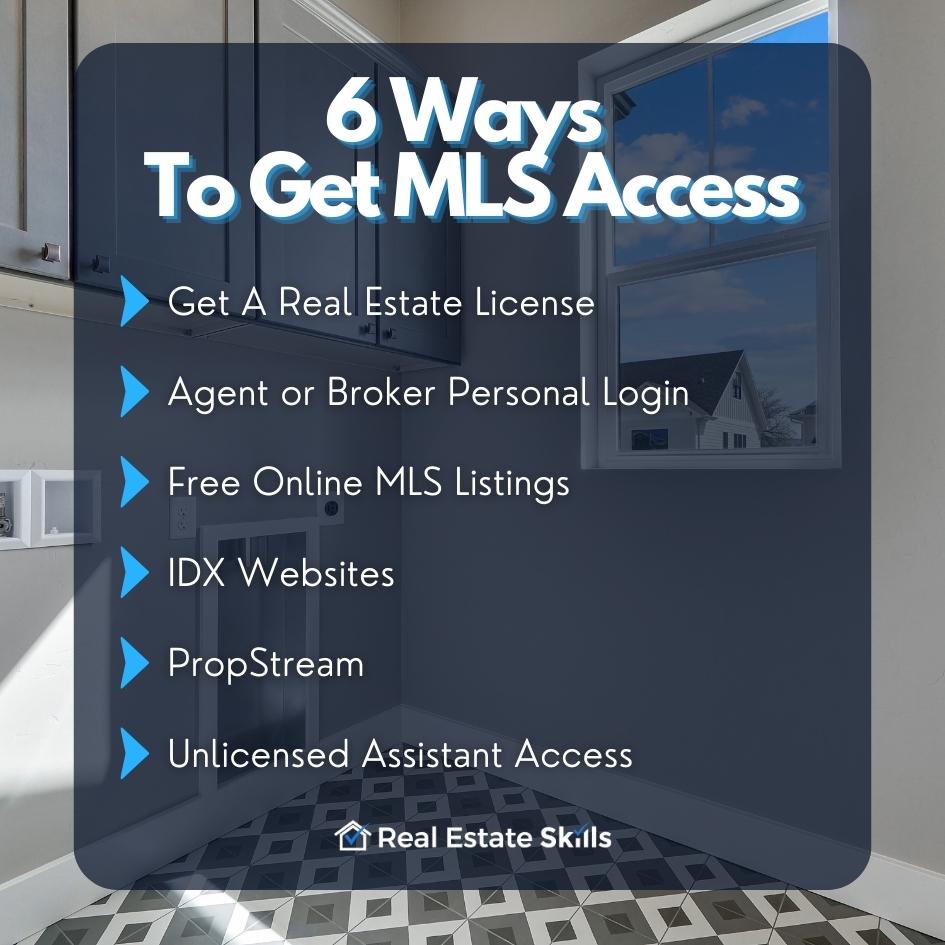
Gaining MLS access is intrinsically linked to becoming a licensed real estate professional. This isn’t a mere administrative hurdle but rather a fundamental prerequisite that ensures data security, professional accountability, and the integrity of the information ecosystem. Licensing serves as the digital key, authenticating an individual’s right to interact with and contribute to this sensitive, industry-specific data network. Without meeting these foundational criteria, direct access to the MLS software and its comprehensive data is simply not possible for the general public.
Licensing Requirements as a Prerequisite
The journey to MLS access begins with obtaining a real estate license in your state or jurisdiction. This typically involves completing a prescribed number of hours of pre-licensing education, passing a state-administered examination, and undergoing background checks. From a technological standpoint, this process vets individuals to ensure they understand the legal and ethical frameworks governing property transactions – frameworks that dictate how MLS data can be used, shared, and protected. This step is the initial gatekeeper, ensuring only qualified individuals are granted the privilege to operate within the MLS environment.
Association Membership & Tech Dues
Once licensed, the next critical step is to join a local real estate board or association, which is typically affiliated with the National Association of REALTORS® (NAR). Membership in these associations is a non-negotiable requirement for MLS access. These associations often manage the local MLS system or provide access to a regional one, and your membership dues directly contribute to the maintenance and technological upgrades of the MLS software, servers, and data security infrastructure. These “tech dues” are essential for keeping the MLS system operational, secure, and current with industry demands. Beyond the financial contribution, membership also provides access to training, technical support, and resources designed to help professionals effectively utilize the MLS software.
Brokerage Sponsorship & System Onboarding
Finally, licensed agents must “hang their license” with a sponsoring real estate broker. It is through the brokerage that the agent is granted formal access to the MLS system. The brokerage acts as an essential intermediary, providing the necessary credentials and onboarding processes for new agents. This often involves setting up user accounts, providing initial training on the specific MLS software platform used by that region, and ensuring the agent understands the acceptable use policies and data sharing agreements. The brokerage’s technical administrator or office manager will typically guide the new agent through the digital setup, including password protocols, multi-factor authentication (if applicable), and initial system navigation. This final step is where the theoretical understanding of MLS transforms into practical, hands-on engagement with the software.
Navigating MLS Platforms and Associated Technologies
Once the administrative and licensing hurdles are cleared, the real work of interacting with the MLS begins. This involves a deep dive into the proprietary software platforms, understanding their interfaces, and leveraging their integrated tools. The user experience can vary greatly, but the underlying principles of data management and search functionality remain consistent.
MLS Software Interfaces
Most MLS systems are accessed via web-based portals, though some may offer dedicated desktop applications. These interfaces are typically designed to be comprehensive, offering a wide array of features including:
- Search Engines: Advanced filters allowing for granular property searches based on location, price, property type, features, and more.
- Listing Input and Management: Tools for agents to create, modify, and update their property listings, complete with photo uploads, virtual tour links, and detailed descriptions.
- Client Portals: Features that allow agents to set up customized property alerts and searches for their clients, often with branded interfaces.
- Reporting Tools: Capabilities to generate comparative market analyses, statistical reports on market trends, and historical data.
- Communication Tools: Internal messaging systems or integration with email for agent-to-agent communication regarding listings.
The usability and sophistication of these interfaces are critical for an agent’s efficiency and depend heavily on the underlying technology chosen by the MLS provider.
Mobile Access and Apps
Recognizing the on-the-go nature of real estate, many MLS providers have developed robust mobile applications. These apps aim to provide much of the core functionality of the desktop platform – searching, viewing listings, communicating with clients, and even entering basic listing data – all optimized for smartphones and tablets. The development of these apps leverages mobile-first design principles, ensuring responsive interfaces and efficient data retrieval on smaller screens. Secure login protocols are paramount for mobile access, protecting sensitive client and property data while agents are in the field.
Data Feeds and API Integrations
For brokerages and technology companies that build their own websites, CRM systems, or specialized real estate tools, direct data feeds and Application Programming Interface (API) integrations with the MLS are essential. These technical connections allow approved third-party software to pull listing data directly from the MLS database, ensuring that information displayed on agent websites or within other applications is current and accurate. Accessing these feeds typically requires a separate agreement with the MLS, adherence to strict data usage policies, and often involves technical expertise for implementation. The most common data feed standards include IDX (Internet Data Exchange) for public-facing websites and VOW (Virtual Office Website) for client-specific portals, all governed by the RESO (Real Estate Standards Organization) Data Dictionary to promote interoperability across different MLS systems.
Beyond the Agent: Affiliate and Data Access Pathways
While direct access to the MLS is primarily reserved for licensed real estate professionals, the MLS ecosystem extends its technological reach to other vetted entities crucial to the real estate process. These include appraisers, mortgage brokers, inspectors, and technology vendors who require specific data or system functionalities to perform their roles.
Vetted Affiliate Programs
Many MLS organizations offer affiliate memberships or specific access programs for professionals who support the real estate transaction but are not necessarily licensed agents. This might include appraisers who need access to comparable sales data, mortgage lenders seeking property information, or home inspectors requiring details about a property. These programs typically involve a separate application process, demonstration of legitimate business need, and adherence to strict data usage agreements. From a technical perspective, access granted through these programs is often tailored, providing specific search capabilities or reports rather than full agent privileges, thereby limiting exposure to sensitive data while still enabling collaboration.
Data Licensing for Tech Providers
Technology companies and software developers play an increasingly vital role in real estate. Firms specializing in CRM solutions, lead generation platforms, digital marketing, or predictive analytics often require direct access to MLS data to power their applications. This access is typically facilitated through formal data licensing agreements with individual MLS systems. These agreements are highly technical, outlining the permissible uses of the data, the frequency of updates, data security requirements, and often involve significant licensing fees. The MLS acts as the data steward, ensuring that its valuable information is distributed responsibly and securely to authorized tech partners, who in turn build innovative tools that enhance the real estate workflow.
Developer Access for Innovation
In an effort to foster innovation, some progressive MLS organizations are exploring or offering more direct developer access through robust APIs. This allows third-party developers to build custom applications or integrate MLS data into novel platforms, potentially creating new tools for agents, brokers, or consumers. This kind of access comes with stringent technical requirements, including authentication protocols, rate limits, and comprehensive security audits, to protect the integrity and security of the core MLS database. It represents the cutting edge of MLS technology, transforming the traditional data repository into a platform for broader technological development.
Optimizing Your MLS Access: Integrating with Other Tech Tools
Simply gaining access to the MLS is the first step; maximizing its utility involves integrating it seamlessly into a broader suite of real estate technology tools. This strategic integration enhances efficiency, streamlines workflows, and ultimately leverages the MLS data for greater business success.
CRM Integration
One of the most powerful integrations for any real estate professional is connecting the MLS with a Customer Relationship Management (CRM) system. Modern CRMs designed for real estate often feature direct MLS integration, allowing agents to:
- Automatically import new listings and client property alerts directly into their CRM.
- Track client activity within the MLS portal (e.g., properties viewed, favorites).
- Sync contact information and property details to avoid duplicate data entry.
- Automate follow-up campaigns based on MLS-driven triggers.
This integration transforms the MLS from a standalone data source into a dynamic component of a comprehensive client management system, driving personalized communication and efficient lead nurturing.
Lead Generation Software
MLS data, combined with lead generation platforms, can significantly enhance an agent’s ability to identify and attract potential clients. Many lead generation tools pull MLS data to create attractive listing pages, provide automated valuation models (AVMs), or power property search features on agent websites. By integrating the MLS with these tools, agents can:
- Showcase active listings directly on their personal or brokerage website.
- Offer interactive property maps and neighborhood data sourced from the MLS.
- Generate leads from visitors searching for properties.
- Utilize MLS-derived market insights to tailor advertising campaigns.
This symbiotic relationship between MLS data and lead generation technology creates a powerful ecosystem for growing a real estate business.

Digital Marketing Automation
For sophisticated real estate professionals and brokerages, MLS access is a critical component of digital marketing automation. Listing data can be automatically pushed from the MLS to various marketing channels, saving significant time and ensuring consistency across platforms. This includes:
- Social Media Scheduling: Automatically posting new listings or price changes to social media platforms.
- Email Marketing: Generating automated email campaigns for new listings, open houses, or market updates based on MLS data.
- Website Content Management: Ensuring that property listings on personal websites are always current with the MLS.
These integrations leverage the real-time nature of MLS data to fuel dynamic and efficient digital marketing strategies, reaching a wider audience with minimal manual effort.