
The trajectory of Lululemon Athletica is often cited in business schools and marketing boardrooms as the gold standard for lifestyle branding. While many see the company as a modern fixture of the retail landscape, its rise to global ubiquity was not an overnight occurrence. To understand when Lululemon got popular is to understand a meticulously crafted strategy that transformed technical athletic gear into a high-status cultural signifier.
The brand’s “popularity” can be broken down into three distinct phases: the grassroots community building in the early 2000s, the explosive IPO and mainstream “athleisure” boom between 2007 and 2013, and its post-pandemic evolution into a diversified global powerhouse.

The Genesis of a Movement: 1998 to 2005
Lululemon was founded in Vancouver, British Columbia, in 1998 by Chip Wilson. At the time, the athletic apparel market was dominated by giants like Nike and Reebok, who focused primarily on male-centric team sports and high-intensity performance. Wilson identified a massive white space: the burgeoning yoga community.
The Community-First Business Model
Lululemon did not start as a traditional retailer. Its first location was a design studio by day and a yoga studio by night. This was a critical brand strategy move. By providing a space for yoga instructors and practitioners to gather, Lululemon wasn’t just selling products; it was building a community. This era marked the beginning of the brand’s popularity within the “in-the-know” wellness circles of the Pacific Northwest.
During these formative years, the brand established its “Ambassador Program.” Instead of spending millions on traditional television or print advertising, Lululemon gave free gear to local yoga instructors in exchange for feedback and for teaching classes in or near their stores. This created a grassroots aura of authenticity. When students saw their respected teachers wearing the “Omega” logo, the brand gained an immediate, localized credibility that money couldn’t buy.
Defining the “Super Girl” Persona
A pivotal part of Lululemon’s early brand strategy was the identification of its muse. Chip Wilson famously targeted a demographic he called the “Super Girl”—a woman who was successful, educated, health-conscious, and willing to invest in high-quality gear. This specific targeting allowed the brand to maintain a premium price point, positioning the $100 yoga pant not as a commodity, but as an investment in a lifestyle. By 2005, the brand had successfully expanded across Canada and began its strategic “seeding” of the United States market.
The Explosive Growth Phase: 2007 to 2013
If the early 2000s were about building the foundation, the period surrounding the company’s Initial Public Offering (IPO) in 2007 was when Lululemon truly became a household name. This is the era most analysts point to when asked when the brand “got popular” on a mass scale.
The 2007 IPO and Cultural Tipping Point
Lululemon’s IPO in July 2007 was a watershed moment. It signaled to the global market that “yoga wear” was a serious business. Following the IPO, the brand had the capital to aggressively expand its footprint into high-end shopping districts across the United States, Australia, and eventually Europe.
Between 2008 and 2012, Lululemon’s revenue grew at a staggering rate. The brand tapped into a shift in cultural norms where it became socially acceptable—and eventually fashionable—to wear workout clothes outside of the gym. Lululemon didn’t just ride the “athleisure” wave; it effectively created it. The “groove pant” and the “Wunder Under” legging became the unofficial uniforms of suburban mothers, college students, and working professionals alike.
The Scarcity Principle and Vertical Integration
One of the most brilliant aspects of Lululemon’s brand strategy during this peak growth phase was its mastery of scarcity. Unlike competitors who flooded the market with inventory, Lululemon operated on a “sell-through” model. If a specific color or pattern sold out, it was rarely restocked. This created a “buy it now or lose it” psychological trigger among consumers.
Furthermore, Lululemon’s vertical integration—owning its stores and controlling its distribution—allowed it to maintain high margins and a consistent brand experience. The store employees, famously called “Educators,” were trained not just to sell, but to discuss technical fabrics like Luon and the benefits of specific seam placements. This elevated the shopping experience from a transaction to an educational encounter, reinforcing the brand’s premium positioning.
Decoding the Strategy: How Community Built the Brand
The enduring popularity of Lululemon isn’t merely the result of good timing; it is the product of a highly sophisticated marketing mix that prioritizes psychological connection over product features.
The Power of the Manifesto
The Lululemon shopping bag, adorned with the “Manifesto,” became a walking advertisement for the brand’s values. With slogans like “Do one thing every day that scares you” and “Friends are more important than money,” the brand aligned itself with self-improvement and holistic wellness. In an era where consumers were beginning to look for “purpose-driven” brands, Lululemon provided a secular philosophy that made wearing the clothes feel like an act of self-actualization.
The Guest Experience and Store Design
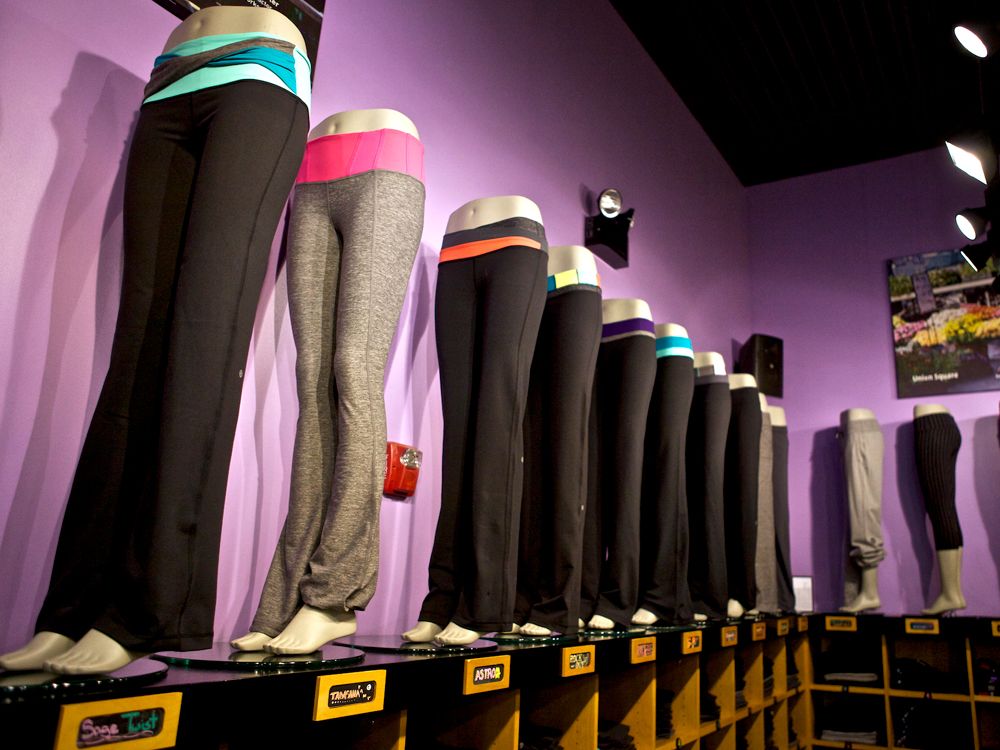
Lululemon stores are designed to be “hubs” rather than just showrooms. By hosting complimentary yoga classes and run clubs, the stores became physical manifestations of the brand’s commitment to “the sweatlife.” This strategy ensured that the brand remained top-of-mind for its core demographic. The physical stores served as a customer acquisition tool that fed into a high-margin e-commerce machine, creating a virtuous cycle of growth.
Resilience and Re-invention: The Modern Era of Athleisure
No brand reaches global dominance without facing headwinds. In 2013, Lululemon faced a significant crisis involving sheer yoga pants and controversial comments from its founder. While many predicted the brand’s downfall, the subsequent years showcased a masterclass in brand resilience and strategic pivoting.
Professionalizing the Brand
Following the 2013 crisis, the company underwent a leadership overhaul and a rigorous focus on quality control and supply chain transparency. This period saw the brand maturing from a founder-led startup to a professionally managed corporate entity. They doubled down on research and development, launching the “Whitespace” lab in Vancouver, where engineers and athletes collaborated on fabric innovations like Nulu and Everlux.
Diversification and Men’s Growth
From 2015 onwards, Lululemon began to aggressively pursue the men’s market and the “office-to-gym” category. The “ABC” (Anti-Ball Crushing) pant became a cult hit among men, proving that the brand’s focus on technical comfort could transcend the yoga studio. By expanding its product line to include outerwear, running gear, and even “commuter wear,” Lululemon insulated itself against the potential trendiness of yoga, becoming a broader performance apparel brand.
The Digital Transformation and the Pandemic Surge
The final surge in Lululemon’s popularity occurred during the COVID-19 pandemic. While many retailers struggled, Lululemon thrived as the “work-from-home” culture made comfortable, high-end apparel a necessity rather than a luxury.
The Omnichannel Advantage
Lululemon’s early investment in e-commerce and digital community engagement paid off immensely in 2020. The brand’s ability to pivot to digital fitness content and maintain a direct relationship with its customers via social media and email marketing allowed it to capture a massive share of the consumer’s wallet during lockdowns.
The acquisition of Mirror, a home fitness startup, in 2020 for $500 million was a strategic move to own the “sweatlife” at home. While the hardware side of the business faced challenges later, the intent was clear: Lululemon wanted to be more than a clothing company; it wanted to be a tech-integrated wellness platform.
International Expansion: The New Frontier
In recent years, Lululemon’s popularity has exploded in the Asia-Pacific region, particularly in China. The brand’s strategy in China mirrors its early North American success—focusing on high-tier cities, local community events, and digital-first marketing via platforms like WeChat and Tmall. This global expansion has ensured that even as the North American market matures, the brand continues to find new audiences and maintain its trajectory.
Lessons in Long-Term Brand Loyalty
When analyzing when Lululemon got popular, it is evident that its success was built on the intersection of technical innovation and emotional resonance. The brand didn’t just sell a product; it sold a better version of the consumer.
Lululemon’s journey offers several key takeaways for brand builders:
- Niche Focus leads to Mass Appeal: By dominating the yoga space first, the brand earned the right to expand into other categories.
- Community as a Moat: In an age of digital noise, physical community and local ambassadors create a level of brand loyalty that is difficult for competitors to disrupt.
- Pricing Integrity: By rarely discounting and maintaining a premium price point, Lululemon protected its brand equity and signaled quality to the market.
- Continuous Innovation: The brand’s investment in proprietary fabrics and ergonomic design ensured that the product performance matched the marketing hype.
Today, Lululemon stands as a titan of the retail industry, with a market capitalization that rivals traditional luxury houses. Its popularity is no longer a question of “when” but a testament to a brand strategy that successfully turned a piece of athletic gear into a global cultural movement. Whether on a yoga mat in Vancouver or a street corner in Shanghai, the Lululemon logo remains one of the most recognizable symbols of the modern health-conscious lifestyle.
aViewFromTheCave is a participant in the Amazon Services LLC Associates Program, an affiliate advertising program designed to provide a means for sites to earn advertising fees by advertising and linking to Amazon.com. Amazon, the Amazon logo, AmazonSupply, and the AmazonSupply logo are trademarks of Amazon.com, Inc. or its affiliates. As an Amazon Associate we earn affiliate commissions from qualifying purchases.