
To ask “what’s a Lululemon” is to inquire not merely about a company, but about a phenomenon that has profoundly reshaped the landscape of retail, lifestyle, and brand perception. Far from being just another apparel retailer, Lululemon Athletica Inc. stands as a testament to the power of precise brand strategy, community building, and an unwavering commitment to a distinct lifestyle ethos. At its core, Lululemon is a global athletic apparel and accessories company renowned for its high-quality yoga wear, running gear, training attire, and related accessories. Yet, its identity extends far beyond its product lines, embodying a lifestyle of wellness, mindfulness, and athletic pursuit that has captivated a loyal global following. This article delves into the essence of Lululemon, exploring its brand identity, strategic pillars, and the indelible mark it has made on contemporary culture.
More Than Just Athleisure: The Genesis of a Global Brand
Lululemon’s journey from a niche yoga wear purveyor to a global lifestyle empire is a compelling case study in strategic brand development. Its origin story is crucial to understanding the foundational elements that continue to define its success and distinct market position.
From Yoga Studio to Lifestyle Empire
Founded in Vancouver, Canada, in 1998 by Chip Wilson, Lululemon’s inception was rooted in a very specific observation: women’s athletic wear lacked both technical functionality and aesthetic appeal. Wilson, noticing the burgeoning popularity of yoga, identified a significant gap in the market for high-performance, comfortable, and stylish athletic apparel. The first Lululemon store opened in Kitsilano in 2000, functioning initially as a design studio by day and a yoga studio by night. This dual purpose was more than just operational efficiency; it was an early articulation of the brand’s commitment to understanding its customers firsthand, creating products in response to their direct feedback, and fostering a sense of community around wellness activities.
This direct interaction with its target demographic allowed Lululemon to build an authentic connection from the ground up. It wasn’t merely selling clothes; it was facilitating an experience, a practice, and ultimately, a lifestyle. The brand quickly transcended its yoga roots, expanding into running, training, and other athletic pursuits, solidifying its position as a holistic “athleisure” brand long before the term became mainstream. Its evolution from a specialized yoga apparel company to a comprehensive lifestyle brand underscores its agility and foresight in anticipating and shaping consumer desires for clothing that seamlessly transitions from workout to everyday life.
The Founding Vision and Niche Identification
Chip Wilson’s vision for Lululemon was not just about making better leggings; it was about creating a brand that resonated with a specific, aspirational demographic: affluent, health-conscious women who valued quality, design, and a sense of belonging. He understood that these consumers were willing to pay a premium for products that supported their active lifestyles and reflected their personal values. This keen identification of a high-value niche allowed Lululemon to bypass traditional mass-market approaches and focus on cultivating a loyal customer base through superior product quality and an elevated brand experience.
The initial emphasis on women’s yoga wear also provided a fertile ground for innovation. Lululemon invested heavily in proprietary fabrics like Luon, which offered unparalleled stretch, softness, and moisture-wicking properties. This commitment to material science and functional design set a new industry standard and became a cornerstone of its brand identity. By focusing on a precise niche with unmet needs, Lululemon was able to establish a powerful reputation for quality and innovation, laying a robust foundation for its subsequent expansion into broader athletic wear categories and men’s apparel, all while maintaining its premium brand positioning. This strategic entry point allowed Lululemon to define its identity with clarity and purpose, attracting a discerning clientele who became brand advocates, driving organic growth and market influence.
Crafting the Lululemon Identity: Product, Experience, and Community
Lululemon’s enduring success is not accidental; it is the deliberate outcome of a meticulously crafted brand identity built upon three interconnected pillars: product excellence, an immersive customer experience, and a strong sense of community. These elements work in concert to create a distinctive brand that fosters loyalty and commands premium pricing.
The Pillars of Product Excellence and Innovation
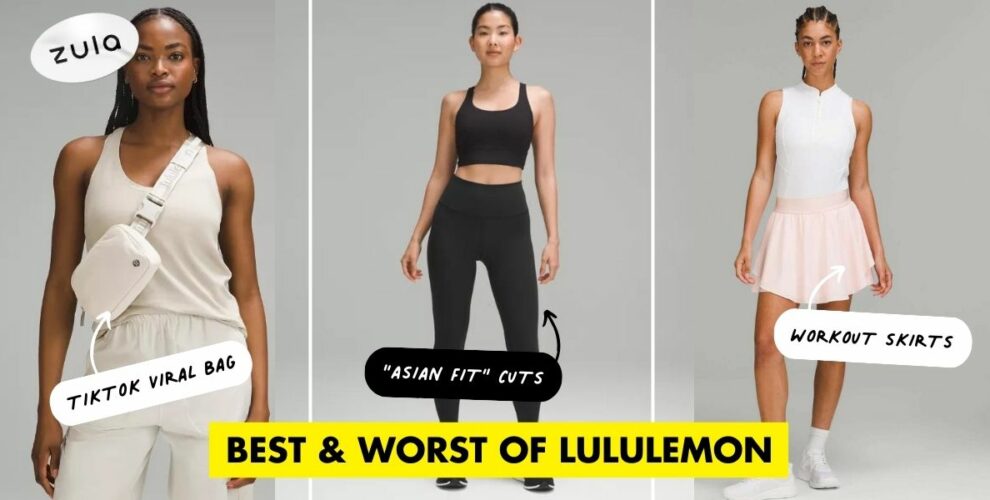
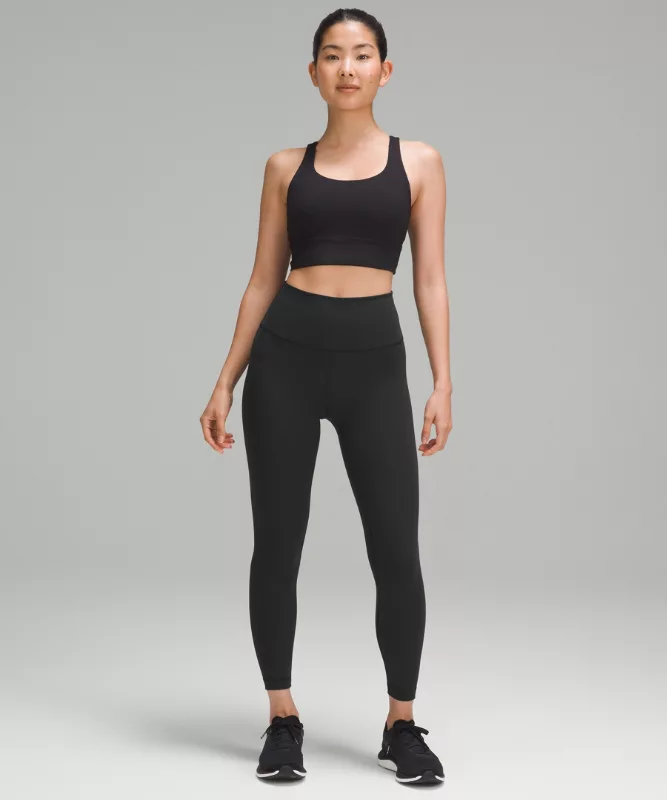
At the heart of the Lululemon brand lies an unwavering commitment to product excellence. From its inception, the company differentiated itself through superior quality, innovative fabric technology, and thoughtful design. Lululemon apparel is known for its luxurious feel, exceptional fit, and functional performance. Proprietary fabrics like Luon, Nulu (Align fabric), Everlux, and Luxtreme are engineered to provide specific benefits such as stretch, breathability, sweat-wicking, and compression, catering to the diverse needs of athletes and active individuals. This focus on technical innovation ensures that products not only perform well during intense workouts but also offer unparalleled comfort for everyday wear.
Beyond materials, Lululemon’s design philosophy emphasizes minimalist aesthetics, versatility, and durability. Products are designed to be timeless rather than trend-driven, encouraging long-term use and reducing the perception of disposability often associated with fast fashion. This attention to detail, from seam placement to pocket design, reflects a deep understanding of its target audience’s preferences and an ongoing pursuit of perfection in athletic apparel. This commitment to superior product quality justifies its premium pricing and cultivates trust, making customers confident in their investment in the brand.
Cultivating a Distinctive In-Store and Online Experience
The Lululemon brand experience is as carefully curated as its products. In an increasingly digital world, the company has masterfully blended brick-and-mortar engagement with a seamless online presence to create a holistic customer journey. Lululemon stores are designed as more than just retail outlets; they are community hubs and extensions of the brand’s lifestyle ethos. Stores often feature open layouts, natural light, and inviting atmospheres that encourage customers to linger, browse, and participate in events. Unlike traditional sales associates, Lululemon educators are trained to be knowledgeable resources about product features, fitness, and local wellness activities, fostering genuine connections rather than pushy sales tactics. Many stores offer complimentary yoga classes, meditation sessions, and running clubs, transforming retail spaces into experiential destinations that reinforce the brand’s commitment to wellness and community.
Online, Lululemon’s digital platforms mirror the in-store experience with intuitive navigation, high-quality visuals, and extensive product information. The brand leverages digital content, social media, and personalized marketing to engage customers, share lifestyle inspiration, and announce new product drops. The integration of its digital and physical channels creates a consistent brand narrative, allowing customers to move effortlessly between online discovery and in-store interaction, thereby strengthening brand loyalty and enhancing overall satisfaction.
The Power of Community and Grassroots Marketing
Perhaps one of Lululemon’s most powerful brand strategies has been its ability to cultivate a strong, active community. From its earliest days, the brand eschewed traditional advertising in favor of grassroots marketing and authentic relationship building. Lululemon established a network of “ambassadors”—local yoga instructors, fitness trainers, and athletes—who embody the brand’s values and promote its products organically within their communities. These ambassadors not only provide valuable product feedback but also host events, lead classes, and serve as authentic advocates, extending Lululemon’s reach and credibility far beyond what conventional advertising could achieve.
This community-centric approach fosters a sense of belonging among customers, turning them into passionate brand advocates. Events like “Sweat Collective” programs, local run clubs, and in-store educational workshops create opportunities for customers to connect with each other and with the brand. By empowering its community and integrating them into the brand narrative, Lululemon has built a fiercely loyal following that champions its products and ethos. This strategy not only drives sales but also generates invaluable word-of-mouth marketing, reinforcing Lululemon’s image as a brand that genuinely cares about its customers’ well-being and active lifestyles.
Brand Strategy in Motion: Expansion, Evolution, and Engagement
Lululemon’s trajectory from a specialized retailer to a global lifestyle brand required continuous adaptation and strategic maneuvering. Its brand strategy has always been dynamic, responding to market shifts while remaining anchored to its core identity and values.
Navigating Market Growth and Diversification
As the athleisure market exploded, Lululemon faced increasing competition from both established sportswear giants and emerging direct-to-consumer brands. To maintain its leadership position, Lululemon embarked on strategic diversification. This included expanding its product lines beyond women’s yoga apparel to encompass men’s athletic wear, accessories, and even personal care products. The successful launch and growth of its men’s division demonstrated the brand’s ability to translate its core values of quality, comfort, and performance to a broader demographic without diluting its identity.
Furthermore, Lululemon’s diversification extended to strategic acquisitions, notably the interactive home fitness company Mirror in 2020. This move signaled a significant step beyond physical products, positioning Lululemon as a player in the digital fitness and wellness technology space. The integration of Mirror into the Lululemon ecosystem offered new avenues for engaging its community and extending its lifestyle offerings, proving the brand’s agility and foresight in anticipating consumer trends beyond apparel. These strategic expansions have allowed Lululemon to tap into new revenue streams and fortify its position as a comprehensive wellness brand, rather than just an apparel company.
Marketing and Communication: Beyond Traditional Advertising
Lululemon’s marketing strategy has historically been unconventional, prioritizing experiential and community-driven approaches over traditional mass advertising. While it has gradually incorporated more mainstream digital and print advertising as it scaled, the core remains its emphasis on storytelling, authenticity, and direct engagement. Its campaigns often feature real athletes and ambassadors, highlighting their personal journeys and connections to the brand’s values of mindfulness, movement, and personal growth. This authentic narrative resonates deeply with its target audience, fostering emotional connections that transcend mere product features.
The brand’s communication strategy is also highly refined, characterized by an aspirational yet inclusive tone. It positions Lululemon products as tools for personal empowerment and well-being, rather than just fashion items. Social media plays a pivotal role in this, serving as a platform for sharing inspirational content, facilitating community discussions, and showcasing product utility in diverse active settings. By consistently communicating its core values and fostering a sense of shared purpose, Lululemon ensures that its marketing efforts not only drive sales but also reinforce its distinctive brand identity and strengthen customer loyalty.
Addressing Brand Challenges and Reinforcing Values
No brand, however successful, is immune to challenges. Lululemon has faced its share of controversies, from product quality issues (like the sheer yoga pants recall in 2013) to public relations missteps involving its founder. What sets Lululemon apart is its ability to navigate these challenges by often reinforcing its core values and learning from its mistakes. The company has demonstrated a willingness to publicly address issues, improve product development processes, and adapt its leadership structure to ensure long-term brand health.
In response to increased scrutiny regarding ethical sourcing and sustainability, Lululemon has also made strides in reinforcing its commitment to social responsibility. It has set ambitious goals for sustainable materials, ethical manufacturing, and environmental impact reduction, publishing detailed impact reports to ensure transparency. By proactively engaging with these critical issues, Lululemon not only mitigates potential brand damage but also strengthens its appeal to a growing segment of consumers who prioritize corporate social responsibility. This continuous process of self-reflection, adaptation, and recommitment to its foundational values is a critical component of its ongoing brand resilience and evolution.
The Lululemon Legacy: Impact on Retail and Brand Building
Lululemon’s journey has left an indelible mark on the retail industry and provided invaluable lessons in brand building. Its influence extends far beyond its market capitalization, shaping consumer expectations and inspiring a generation of new brands.
Shaping the Athleisure Landscape
Lululemon didn’t just participate in the athleisure trend; it arguably defined it. By elevating activewear from purely functional gym attire to fashionable, high-performance clothing suitable for a multitude of settings, Lululemon created a new category of apparel that blurred the lines between active and leisurewear. This shift fundamentally altered consumer purchasing habits, making comfort, versatility, and technical performance key considerations in everyday fashion choices. The brand’s success demonstrated the vast market potential for premium athletic apparel, paving the way for countless imitators and inspiring established fashion houses to enter the activewear space.
Its emphasis on sophisticated design, luxurious fabrics, and a holistic lifestyle approach influenced how other brands conceived of their product offerings and marketing strategies. Lululemon proved that consumers would invest significantly in clothing that supported their well-being and reflected an aspirational lifestyle, transforming activewear from a niche category into a mainstream fashion statement. The “Lululemon effect” can be seen in the ubiquitous presence of leggings, stylish hoodies, and performance tops as everyday wear, a testament to its profound impact on global fashion norms.
Lessons in Premium Positioning and Customer Loyalty
Lululemon’s brand strategy offers a masterclass in premium positioning and cultivating fervent customer loyalty. By focusing on superior product quality, an elevated brand experience, and community building, it successfully commanded premium prices in a competitive market. Its pricing strategy is not merely about cost-plus; it’s about signaling value, exclusivity, and quality. Customers are willing to pay more for Lululemon because they perceive a tangible difference in product performance, durability, and the overall brand experience.
The brand’s ability to foster deep emotional connections through its community initiatives and lifestyle messaging has created a loyal customer base that acts as its most effective marketing channel. These customers are not just purchasers; they are advocates who enthusiastically share their experiences and recommendations. This loyalty is a powerful barrier to entry for competitors and a consistent driver of repeat business and sustained growth, illustrating the long-term value of investing in brand equity and customer relationships.
The Future Trajectory of a Lifestyle Brand
Looking ahead, Lululemon continues to evolve, solidifying its position as a holistic well-being brand rather than solely an apparel company. Its foray into digital fitness with Mirror, its expansion into new product categories like footwear and personal care, and its ongoing commitment to sustainability indicate a clear vision for diversification and continued relevance. The brand aims to move beyond selling products to selling a lifestyle of health, mindfulness, and personal growth, offering an ecosystem of services and goods that support its customers’ overall well-being.
The future of Lululemon will likely involve further integration of physical and digital experiences, leveraging data to personalize offerings, and expanding its global footprint while staying true to its core values of quality, community, and innovation. As consumer preferences continue to shift towards brands that offer more than just products—brands that align with personal values and contribute to a healthier lifestyle—Lululemon is exceptionally well-positioned to maintain its leadership. Its legacy will continue to be defined by its ability to innovate, inspire, and foster a deep sense of connection, proving that a strong brand is ultimately built on understanding and serving the aspirations of its community.
aViewFromTheCave is a participant in the Amazon Services LLC Associates Program, an affiliate advertising program designed to provide a means for sites to earn advertising fees by advertising and linking to Amazon.com. Amazon, the Amazon logo, AmazonSupply, and the AmazonSupply logo are trademarks of Amazon.com, Inc. or its affiliates. As an Amazon Associate we earn affiliate commissions from qualifying purchases.