
Understanding the average price for a new car is more complex than a single, static number. The automotive market is a dynamic ecosystem, heavily influenced by global economics, technological advancements, consumer demand, and supply chain health. For consumers, navigating this landscape requires a keen awareness not just of sticker prices, but of the myriad financial factors that contribute to the overall cost of acquiring and owning a new vehicle. From a personal finance perspective, a new car represents one of the most significant expenditures many individuals will make, often second only to a home purchase. Therefore, a comprehensive understanding of pricing dynamics, associated costs, and strategic purchasing is crucial for sound financial decision-making.
Understanding Current Automotive Market Dynamics
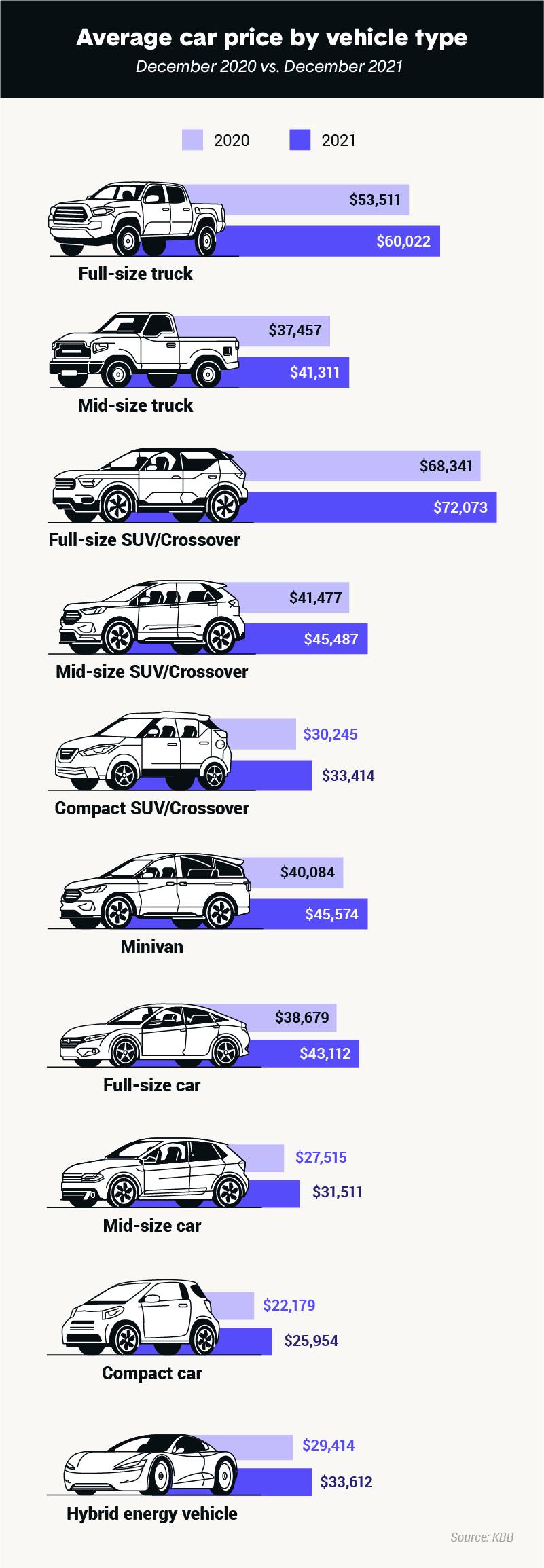
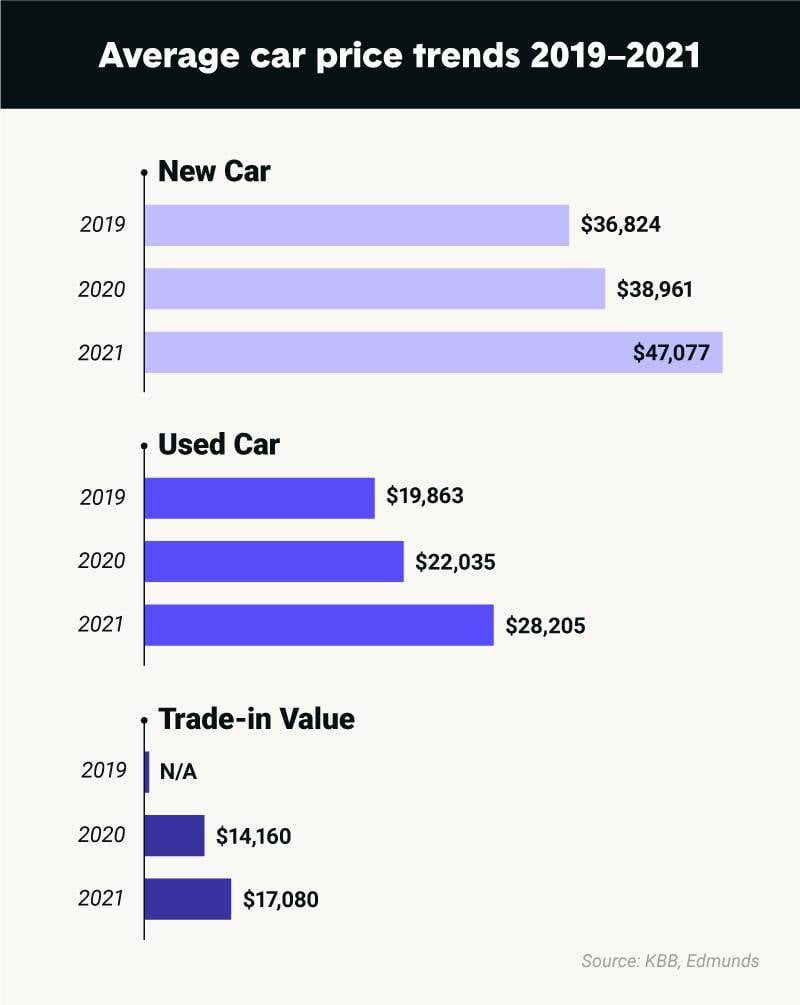
The average price of a new car is a moving target, shaped by a confluence of macroeconomic forces and industry-specific challenges. Recent years have seen unprecedented shifts, largely driven by global events.
Factors Influencing New Car Prices
Several critical factors are currently exerting upward pressure on new car prices. Supply chain disruptions, particularly the global semiconductor chip shortage, have severely constrained vehicle production. Fewer cars available on dealer lots naturally leads to increased demand relative to supply, giving manufacturers and dealerships less incentive to offer discounts. This fundamental economic principle of supply and demand has been a primary driver behind escalating prices.
Furthermore, persistent inflation across various sectors has impacted manufacturing costs, from raw materials like steel and aluminum to labor and logistics. These increased input costs are inevitably passed on to consumers. Interest rates, dictated by central banks in response to inflation, also play a significant role. Higher interest rates translate to more expensive car loans, increasing the total cost of ownership even if the sticker price remains constant. The integration of advanced technology – from sophisticated infotainment systems and driver-assistance features to electric powertrains – also adds to the base cost of modern vehicles, reflecting significant research and development investments by manufacturers.
Regional and Manufacturer Variations
The “average” price is also heavily influenced by geographical location and manufacturer strategy. Vehicle prices can vary significantly between different states or regions due to variations in sales tax rates, registration fees, and local market demand. For instance, luxury vehicle markets in affluent urban centers might see different pricing pressures than utility vehicle markets in rural areas.
Moreover, different manufacturers target distinct market segments. Premium brands inherently command higher prices due to perceived quality, brand prestige, and advanced features. Even within a single brand, different models cater to varying budgets and needs, from entry-level sedans to high-end SUVs and trucks. The average transaction price often skews higher due to the increasing popularity of larger, more feature-rich vehicles like SUVs and pickup trucks, which inherently carry higher price tags than smaller sedans. This shift in consumer preference away from traditional sedans has a substantial impact on the overall market average.
The Components of a New Car’s Price Tag
Beyond the headline average price, a new car’s actual cost to the consumer is an aggregation of multiple line items, some negotiable and others fixed. Dissecting these components is essential for financial clarity.
MSRP vs. Actual Transaction Price
The Manufacturer’s Suggested Retail Price (MSRP) is the price the manufacturer recommends dealers sell the vehicle for. It includes the base vehicle price, factory-installed options, and the destination charge (the cost to transport the vehicle from the factory to the dealership). However, the MSRP is merely a suggestion. The actual transaction price — what buyers truly pay — can differ significantly. In a buyer’s market, dealers might offer discounts below MSRP to move inventory. Conversely, in a seller’s market characterized by high demand and low supply (as seen recently), vehicles might sell at or even above MSRP, sometimes with additional “market adjustments” added by the dealer. Understanding this distinction is crucial for budgeting and negotiation.
Essential Add-ons and Optional Features
While the MSRP covers standard configurations, most new cars are sold with various add-ons and optional features that inflate the final price. These can range from factory-installed packages (e.g., premium sound systems, advanced safety suites, panoramic sunroofs) to dealer-installed accessories (e.g., floor mats, paint protection, nitrogen-filled tires, anti-theft devices). While some features enhance comfort, safety, or resale value, others may represent inflated costs with questionable financial benefit. Savvy buyers carefully evaluate the utility and cost-effectiveness of each add-on. Extended warranties and service contracts, often presented at the point of sale, are another significant add-on that warrants careful financial consideration, as their value proposition can vary greatly depending on the vehicle’s reliability and the driver’s risk tolerance.
Taxes, Fees, and Dealer Charges
Beyond the vehicle’s price, several mandatory and often non-negotiable costs contribute to the total outflow of cash. Sales tax is a percentage of the vehicle’s purchase price, varying significantly by state and locality. Registration and titling fees are state-mandated charges to legally register the vehicle and transfer ownership. Documentation fees (or “doc fees”) are charged by dealerships for processing paperwork, and while often legitimate for administrative work, their amounts can vary widely and may sometimes be negotiable depending on local regulations. Destination charges, already included in the MSRP, cover the cost of shipping the vehicle from the factory to the dealership and are generally non-negotiable. It’s imperative for buyers to request an “out-the-door” price that itemizes all these additional costs to understand the true financial commitment.
Beyond the Sticker Price: The True Cost of Car Ownership
The initial purchase price of a new car is just one piece of the overall financial puzzle. A comprehensive financial plan for car ownership must account for ongoing expenses that accrue over the vehicle’s lifespan.
Financing Costs and Interest Rates
For most buyers, a new car purchase involves securing a loan. The total financing cost can add thousands of dollars to the vehicle’s price over the loan term. Key factors impacting this cost include the principal amount borrowed, the loan’s annual percentage rate (APR), and the loan term (e.g., 36, 48, 60, or 72 months). Higher interest rates and longer loan terms lead to significantly higher total interest paid. A strong credit score is paramount to securing the most favorable APRs, dramatically reducing the overall financial burden of interest payments. Regular monitoring of prevailing interest rates and understanding one’s own credit health is vital before entering the market.
Insurance Premiums
Car insurance is a mandatory and recurring expense that can vary widely. Factors influencing premiums include the vehicle’s make, model, year, and trim (as certain vehicles are more expensive to repair or replace, or are statistically more likely to be stolen or involved in accidents), the driver’s age, driving record, location, and the chosen coverage levels and deductibles. A financially prudent buyer obtains insurance quotes for their desired new vehicle before finalizing the purchase to avoid unexpected high premiums. Certain luxury or high-performance models, for example, can incur substantially higher insurance costs, which must be factored into the overall budget.
Maintenance and Fuel Expenses
Modern cars are generally reliable, but routine maintenance (oil changes, tire rotations, brake inspections, fluid checks) is essential to preserve their condition and maximize lifespan. While new cars often come with a factory warranty covering major repairs for a few years, owners are responsible for scheduled maintenance. Fuel costs represent another significant variable expense, directly tied to driving habits, fuel efficiency (MPG or MPGe for EVs), and fluctuating gas prices. Electric vehicles, while eliminating gasoline costs, introduce electricity charging costs, which can vary based on home charging rates and public charging station fees. Budgeting for these ongoing operational costs is as important as budgeting for the purchase itself.
Depreciation: The Hidden Cost
Depreciation is arguably the largest, yet often overlooked, financial cost of new car ownership. It represents the loss in value of an asset over time. A new car typically loses a significant portion of its value (often 15-20%) within the first year alone, and around 40-50% within the first three to five years. This “loss” is not a direct monthly payment but significantly impacts the car’s resale value or trade-in value when it’s time to sell or upgrade. Understanding depreciation helps in evaluating the long-term financial viability of a purchase, especially if one plans to upgrade frequently. Vehicles with historically strong resale values can offer better long-term financial returns.
Strategies for Savvy Car Buyers in a Dynamic Market
In a fluctuating automotive market, strategic planning and informed decision-making are paramount for minimizing financial outlay and securing the best value.
Researching and Budgeting Effectively
The foundation of a financially sound car purchase is thorough research and a realistic budget. Buyers should determine their total affordability, not just monthly payments, considering down payment, loan terms, insurance, and ongoing maintenance. Utilizing online tools to compare models, read reviews, and estimate total cost of ownership can provide invaluable insights. It’s also critical to distinguish between “needs” and “wants” in vehicle features to avoid overspending on unnecessary extras. A clear understanding of one’s personal financial limits prevents buyers from becoming “car poor.”
Leveraging Trade-ins and Down Payments
A significant down payment can dramatically reduce the principal amount borrowed, leading to lower monthly payments and less interest paid over the life of the loan. Similarly, a trade-in vehicle can serve as a substantial down payment. Buyers should research their current vehicle’s trade-in value using multiple online appraisal tools and even obtain offers from independent dealerships or online car buyers before negotiating with a new car dealership. This market intelligence empowers them to negotiate effectively for their trade-in’s value.
Negotiation Tactics and Timing Your Purchase
While market conditions can limit negotiation room, particularly for popular models in short supply, smart tactics can still yield benefits. Buyers should focus on the “out-the-door” price rather than just the monthly payment. Researching average transaction prices for specific models in one’s area provides a strong baseline. Timing can also play a role; some experts suggest that end-of-month, end-of-quarter, or end-of-year purchases might offer better deals as dealerships aim to meet sales quotas. Remaining patient and being prepared to walk away are powerful negotiation tools.
Exploring Alternatives: Used Cars, Leasing, and EV Incentives
For those seeking to mitigate the high costs of new car ownership, exploring alternatives is a financially prudent step. Used cars, particularly those a few years old, have already experienced the steepest depreciation, offering significant savings. Leasing can be an attractive option for those who prefer lower monthly payments, drive relatively few miles, and enjoy driving new cars frequently, though it doesn’t build equity. Finally, government incentives for electric vehicles (EVs) – such as federal tax credits, state rebates, and local perks like HOV lane access – can substantially reduce the effective purchase price of qualifying EVs, making them a more financially appealing option for environmentally conscious buyers.
Projecting Future Trends in Automotive Pricing
The trajectory of new car prices is poised for continued evolution, driven by technological shifts and broader economic recovery.
Impact of Electric Vehicles and New Technologies
The accelerating transition to electric vehicles (EVs) will profoundly impact pricing. While initial EV purchase prices have historically been higher than comparable internal combustion engine (ICE) vehicles, battery costs are gradually declining, which could lead to price parity in the coming years. Government incentives will continue to play a crucial role in making EVs more accessible. Simultaneously, the continuous integration of advanced driver-assistance systems (ADAS), connectivity features, and autonomous driving capabilities into all vehicles, regardless of powertrain, will add to manufacturing complexity and cost, potentially keeping overall average prices elevated. Consumers will increasingly pay for software-defined vehicles with sophisticated digital ecosystems.

Economic Outlook and Supply Chain Recovery
The pace of supply chain recovery, particularly for semiconductors, will be a key determinant of future pricing stability. As production normalizes and inventory levels rebound, the intense upward pressure on prices seen in recent years should gradually ease. However, global economic uncertainties, including potential recessions, continued inflation, and geopolitical events, could introduce new volatility. Rising interest rates, if they persist, will continue to make financing more expensive, dampening demand for higher-priced vehicles. Ultimately, a balanced and well-functioning supply chain, coupled with stable economic conditions, is essential for new car prices to stabilize or even moderately decrease, offering consumers a more predictable and financially manageable purchasing environment.
aViewFromTheCave is a participant in the Amazon Services LLC Associates Program, an affiliate advertising program designed to provide a means for sites to earn advertising fees by advertising and linking to Amazon.com. Amazon, the Amazon logo, AmazonSupply, and the AmazonSupply logo are trademarks of Amazon.com, Inc. or its affiliates. As an Amazon Associate we earn affiliate commissions from qualifying purchases.