
Understanding the trade-in value of your car is a pivotal aspect of personal finance, particularly when contemplating the purchase of a new or used vehicle. Far from being a mere convenience, the amount a dealership offers for your existing car directly influences your overall financial outlay, potential loan terms, and ultimately, your savings. This valuation is not arbitrary; it’s a complex interplay of your vehicle’s condition, market dynamics, and strategic negotiation. For many, a car represents one of the largest depreciating assets they own, making its trade-in value a critical component in managing personal wealth and optimizing future expenditures.

The Financial Foundation of Car Trade-Ins: More Than Just a Number
The concept of trade-in value extends beyond a simple exchange; it’s a fundamental financial transaction that can significantly alter the economics of your next vehicle acquisition. Grasping its nuances is essential for making informed financial decisions.
Defining Trade-In Value in a Personal Finance Context
In essence, your car’s trade-in value is the wholesale price a dealership is willing to pay for your current vehicle, which is then deducted from the purchase price of the car you intend to buy. From a personal finance perspective, this isn’t just a discount; it’s the realization of a portion of your existing asset’s value. This figure directly reduces the amount you need to finance or pay outright for your new vehicle, consequently lowering your monthly payments or freeing up capital. It acts as an immediate down payment, thereby mitigating the need to dip further into savings or secure a larger loan. Understanding this direct financial impact is the first step toward smart car buying.
The Direct Impact on Your New Vehicle Purchase Budget
A higher trade-in value translates directly into a lower net purchase price for your new car. This can have several positive financial implications. Firstly, it reduces the principal amount you need to borrow, leading to lower interest accrual over the life of the loan. Secondly, it can significantly lower your monthly payments, freeing up cash flow for other financial obligations or savings goals. For those paying cash, a strong trade-in means less capital is tied up in the new purchase, preserving liquidity. This direct correlation makes maximizing your trade-in value a primary financial objective when upgrading vehicles. It’s an opportunity to leverage an existing asset to reduce future liabilities.
Trade-In vs. Selling Privately: A Crucial Financial Decision
One of the most significant financial dilemmas for car owners is whether to trade in their vehicle or sell it privately. While a private sale often yields a higher absolute price—closer to the retail market value—it comes with its own set of financial costs and inconveniences. These include the time and effort invested in advertising, communicating with potential buyers, arranging test drives, and handling paperwork. There are also potential costs associated with detailing, minor repairs, and inspection fees to make the car more appealing.
From a financial standpoint, the trade-off is between maximizing the gross return (private sale) and optimizing the net financial benefit and convenience (trade-in). When trading in, you often benefit from sales tax savings, as the tax is typically calculated on the net price after the trade-in value has been deducted. This tax advantage can sometimes narrow the financial gap between a private sale and a trade-in more than initially perceived. Moreover, avoiding the hassle of a private sale has an implicit financial value in terms of saved time and reduced stress, allowing you to focus on other income-generating activities or personal pursuits. A thorough financial calculation, considering all these factors, is crucial for making the right choice for your specific situation.
Deciphering the Factors That Drive Your Car’s Monetary Worth
The trade-in value is not plucked from thin air; it’s a systematic assessment influenced by a multitude of interconnected factors. Recognizing these elements allows for a more informed financial expectation.
Condition and Maintenance: An Investment’s Return
The physical and mechanical condition of your vehicle is perhaps the single most important determinant of its trade-in value. A car that has been meticulously maintained, with a clean interior, well-preserved exterior, and a comprehensive service history, signals reliability and reduced future costs to a dealer. Conversely, a vehicle showing significant wear and tear, dents, scratches, or requiring immediate mechanical attention will command a lower value. From a financial perspective, investing in regular maintenance, timely repairs, and even professional detailing before a trade-in can be a shrewd move. These expenditures, if strategic, can often yield a higher return in the form of an increased trade-in offer, demonstrating that preventative care is a sound financial practice for vehicle ownership.
Mileage, Age, and the Inevitable Depreciation Curve
Mileage and age are two other undeniable forces driving depreciation and, consequently, trade-in value. As a general rule, higher mileage indicates more wear on components, and an older vehicle is typically closer to the end of its useful life, making it less attractive to buyers. While mileage and age are largely fixed, understanding their impact is key. Most cars experience their steepest depreciation in the first few years, often losing 15-20% of their value in the first year alone, and 50-60% within five years. Financial planning for car ownership should always factor in this depreciation curve. Trading in a car before it hits significant mileage milestones (e.g., 50,000 or 100,000 miles) or before it enters a significantly older age bracket can sometimes yield a better return, as dealers perceive these vehicles as having more resale potential.
Brand, Model, and Market Demand: Economic Forces at Play
The make and model of your vehicle, along with its current market demand, exert significant financial influence. Certain brands and models retain their value better than others due to their reputation for reliability, fuel efficiency, or popularity. For instance, SUVs and trucks often hold their value better than sedans in specific markets due to prevailing consumer preferences. Dealers are more willing to offer higher trade-in values for vehicles that they know will sell quickly and profitably on their used car lot. Economic factors, such as gasoline prices, can also sway demand for certain vehicle types (e.g., a surge in gas prices might decrease demand for large, fuel-inefficient vehicles). Staying attuned to these market trends can help you anticipate your car’s financial worth and plan your trade-in accordingly.
Features, Trim, and Vehicle History: Adding or Subtracting Value
Beyond the basics, specific features, trim levels, and the car’s documented history also play a financial role. Desirable optional extras like navigation systems, sunroofs, advanced safety features, or premium audio can add value, as they enhance a vehicle’s appeal to subsequent buyers. Conversely, a base model with few amenities may fetch less.
Crucially, the vehicle’s history report (e.g., CarFax or AutoCheck) provides a transparent look into its past. A clean history with no accidents, consistent service records, and a single owner typically commands a higher trade-in value. Conversely, reports indicating major accidents, flood damage, salvage titles, or multiple owners will significantly diminish its financial worth, as these factors raise red flags for dealers and future buyers regarding potential hidden costs and reliability issues. Maintaining meticulous records and avoiding damage are, therefore, financially beneficial practices.
Strategic Approaches to Optimizing Your Trade-In Value
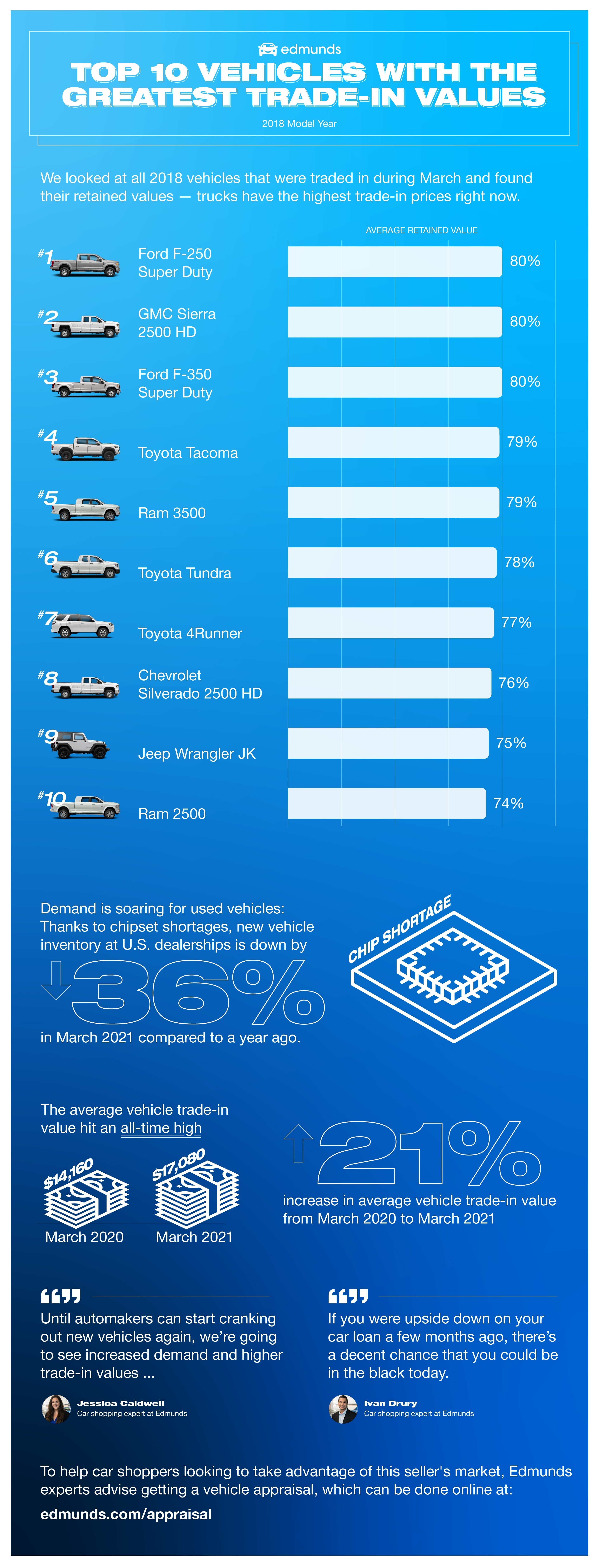
Maximizing your trade-in value isn’t about magic; it’s about preparation, research, and negotiation – all designed to bolster your financial outcome.
Pre-Trade Preparation: Small Expenses, Potentially Big Returns
Before presenting your car for appraisal, consider a strategic investment in its appearance and functionality. A thorough cleaning, inside and out, including detailing, can create a positive first impression and suggest that the vehicle has been well-cared for. Minor cosmetic fixes, such as paint touch-ups for small scratches, headlight restoration, or repairing small dings, can remove visible flaws that might otherwise trigger a lower valuation. Mechanically, ensuring all fluids are topped off, tires are properly inflated, and addressing any minor, inexpensive repairs (like replacing a burnt-out headlight bulb) indicates a well-maintained vehicle. While you shouldn’t overspend on major repairs (which rarely yield a dollar-for-dollar return), these small, cost-effective efforts can significantly enhance the perceived value and, consequently, the financial offer you receive.
Mastering the Negotiation: Securing the Best Financial Outcome
Negotiation is where financial acumen truly comes into play. Never accept the first offer. Research similar cars to establish an informed target trade-in value. It’s often financially advantageous to negotiate the price of the new car and the trade-in value separately. Some dealers might offer a seemingly high trade-in value but inflate the new car’s price, effectively negating the benefit. Be firm but polite, and be prepared to walk away if the offer doesn’t meet your financial expectations. Highlight your car’s strengths, such as its clean service history, desirable features, and excellent condition. Providing documentation like service records can substantiate your claims and strengthen your bargaining position. The goal is not just to get a good number, but to ensure the entire transaction—new car price minus trade-in value—is financially sound.
The Timing Element: Capitalizing on Market Dynamics
The timing of your trade-in can subtly yet significantly impact your financial return. Dealers often have sales quotas to meet by month-end, quarter-end, or year-end. Trading in during these periods might give you more leverage, as they may be more motivated to make a deal to hit their targets. Additionally, consider the cyclical nature of demand for certain vehicles. For instance, trading in an SUV or truck in the fall or winter might be advantageous when demand for such vehicles typically increases. Conversely, a convertible might fetch more in the spring. Being aware of these seasonal and periodic market dynamics allows you to strategically time your trade-in to potentially secure a more favorable financial offer.
Leveraging Financial Tools and Expert Appraisals for Accurate Valuation
In today’s digital age, obtaining an accurate estimate of your car’s trade-in value is more accessible than ever, empowering you with financial knowledge before stepping onto a dealership lot.
Online Valuation Platforms: Your Initial Financial Compass
Before any physical appraisal, utilize reputable online valuation tools such as Kelley Blue Book (KBB.com), Edmunds, or NADAguides. These platforms provide estimated trade-in values based on extensive market data, including sales of similar vehicles, geographical location, condition, mileage, and optional features. These estimates serve as your initial financial compass, giving you a realistic range of what your car might be worth. While these are estimates and not guaranteed offers, they are invaluable for setting expectations and providing a benchmark against which dealership offers can be measured. Armed with this data, you enter negotiations from a position of financial strength.
Dealership Appraisals: Understanding Their Financial Perspective
When you visit a dealership, they will conduct their own appraisal. It’s important to understand that their offer is based on what they can reasonably resell the car for, factoring in reconditioning costs, profit margins, and market demand. Their appraisal process typically involves a physical inspection, a test drive, and a check of the vehicle’s history report. The offer they present will generally be lower than the private sale value and often slightly below online trade-in estimates, reflecting their business model. Don’t be shy about asking for the rationale behind their valuation; understanding their financial perspective can sometimes open avenues for negotiation if you can demonstrate how their assumptions might be overly cautious.
Seeking Multiple Offers: The Power of Competition
One of the most effective strategies to ensure you receive the best financial trade-in value is to solicit offers from multiple dealerships. This competitive approach forces dealers to put their best foot forward to win your business. Visit several dealerships, including those selling the brand of car you currently own and those selling the new car you’re interested in. You might even consider offers from online car buying services like Carvana or Vroom, which specialize in purchasing vehicles outright. Comparing these offers provides a clear financial picture and equips you with leverage. If one dealer offers significantly more, you can use that information to negotiate with your preferred dealer, compelling them to match or beat a competitor’s bid. This multi-pronged approach is a cornerstone of smart financial decision-making in the automotive market.
Integrating Your Car’s Trade-In into Broader Personal Financial Planning
The decision to trade in a car isn’t just a transactional event; it’s a strategic move that should align with your overarching personal financial goals.
Tax Implications and Financial Savings
A often-overlooked financial advantage of trading in your vehicle is the potential sales tax saving. In many states, sales tax on a new car purchase is calculated on the net price after the trade-in value has been deducted. For example, if you buy a $30,000 car and trade in your old vehicle for $10,000, you only pay sales tax on $20,000. Depending on your state’s sales tax rate, this can amount to substantial savings – hundreds, if not thousands, of dollars. This direct reduction in taxable amount makes the trade-in option financially appealing, as it effectively increases the ‘realized’ value of your trade-in by the amount of tax saved. It’s a crucial calculation to factor into your financial comparison between trading in and selling privately.
Addressing Negative Equity: A Financial Challenge
One significant financial challenge that can arise during a trade-in is negative equity, also known as being “upside down” on your loan. This occurs when you owe more on your current car loan than the car is worth. If you trade in a vehicle with negative equity, the outstanding balance is typically rolled into the financing of your new car. This means you start your new loan owing more than the car is worth, increasing your principal, interest paid, and monthly payments. From a personal finance standpoint, avoiding or mitigating negative equity is paramount. Strategies include paying down your current loan aggressively, making a larger down payment on the new vehicle, or simply waiting until your loan balance is below or equal to the car’s market value. Understanding and addressing negative equity is vital to maintaining a healthy financial position and preventing a snowball effect of debt.

Long-Term Asset Management and Future Vehicle Purchases
Considering your car’s trade-in value is an integral part of long-term asset management. Vehicles are depreciating assets, and managing their depreciation effectively impacts your overall net worth. Regular maintenance, smart buying choices (selecting models with good resale value), and timely trade-ins can optimize your financial outcomes over successive vehicle purchases. Instead of viewing each car purchase as an isolated event, integrate it into a broader financial strategy that considers depreciation, recurring costs, and future needs. By strategically managing your trade-in, you not only make the current purchase more affordable but also lay a stronger financial foundation for your next vehicle acquisition, ensuring that your automotive choices contribute positively to your personal financial well-being.
aViewFromTheCave is a participant in the Amazon Services LLC Associates Program, an affiliate advertising program designed to provide a means for sites to earn advertising fees by advertising and linking to Amazon.com. Amazon, the Amazon logo, AmazonSupply, and the AmazonSupply logo are trademarks of Amazon.com, Inc. or its affiliates. As an Amazon Associate we earn affiliate commissions from qualifying purchases.