
The Financial Imperative: Why Vehicle Sales Data is Crucial
Understanding the sales data of vehicles is not merely an exercise in curiosity; it’s a fundamental pillar of sound financial management for individuals and businesses alike. Whether you’re a prospective buyer, a seller, an investor, or simply managing your personal assets, accurate insights into vehicle sales trends and values can directly impact your financial well-being and strategic decisions.
Informed Buying Decisions
For anyone looking to purchase a vehicle, especially a used one, neglecting sales data can lead to significant financial missteps. By researching historical sales and current market values for specific makes, models, and years, you gain invaluable leverage. This research empowers you to identify fair market value, understand the true cost of ownership beyond the sticker price, and negotiate confidently. Without this data, you risk overpaying, acquiring a vehicle with hidden depreciation issues, or settling for a deal that isn’t financially optimal. It allows for smarter budgeting, ensuring your vehicle purchase aligns with your broader personal finance goals rather than becoming a drain.

Optimized Selling Strategies
When it’s time to sell a vehicle, whether due to an upgrade, a change in circumstances, or as part of a business’s asset rotation, understanding sales data is equally critical. Knowing what comparable vehicles have recently sold for – not just what they’re listed for – helps you set a competitive yet profitable asking price. It provides a data-backed justification for your price, attracting serious buyers and potentially reducing the time your vehicle sits on the market. For those engaged in vehicle flipping as a side hustle or business, meticulous sales data analysis is the bedrock of identifying profitable acquisitions and ensuring a healthy return on investment.
Asset Valuation and Financial Planning
Vehicles often represent a significant asset on an individual’s or company’s balance sheet. Regular monitoring of their market value through sales data is vital for accurate asset valuation. This insight is crucial for a variety of financial planning scenarios:
- Net Worth Assessment: Accurately reflecting your assets is key to understanding your overall financial position.
- Insurance Implications: Ensuring your vehicle is adequately insured without being over or under-insured.
- Loan Collateral: If a vehicle is used as collateral for a loan, its appraised value based on sales data directly impacts lending terms.
- Estate Planning: For larger estates, accurate vehicle valuations are necessary for probate and distribution.
For businesses with vehicle fleets, ongoing valuation through sales data informs depreciation schedules, capital expenditure planning for replacements, and overall business finance health.
Spotting Market Trends and Opportunities
Beyond individual transactions, aggregating and analyzing vehicle sales data allows for the identification of broader market trends. This includes understanding depreciation curves for different vehicle types, recognizing the impact of economic shifts (e.g., gas prices, interest rates) on vehicle demand and value, and even spotting niche appreciation patterns for classic cars or specific models. For investors, this foresight can unlock opportunities in collectible markets or inform decisions about when to buy or sell specific vehicle classes for maximum financial advantage.
Essential Data Points for Robust Sales Analysis
To effectively check vehicle sales and derive meaningful financial insights, it’s imperative to delve beyond superficial information. A comprehensive analysis relies on gathering and interpreting several key data points.
Make, Model, and Year Specifics
The foundational layer of any vehicle sales analysis begins with the precise identification of the vehicle: its make (e.g., Toyota), model (e.g., Camry), and manufacturing year. However, granularity is key. Variations within a model, such as specific trim levels (e.g., Camry LE vs. XSE), engine types (e.g., 4-cylinder vs. V6), and drivetrain (e.g., FWD, AWD), can significantly alter market value. It’s crucial to compare apples to apples, ensuring your sales data reflects the exact configuration of the vehicle in question.
Mileage and Condition
Mileage is one of the most direct indicators of a vehicle’s wear and tear and, consequently, its financial value. Lower mileage typically correlates with higher value, assuming all other factors are equal. However, mileage must be considered in conjunction with the vehicle’s overall condition. A low-mileage car that has been poorly maintained, exposed to harsh elements, or involved in accidents may fetch less than a higher-mileage vehicle with a pristine service history and excellent cosmetic condition. Comprehensive assessment includes body integrity, interior wear, tire condition, and the presence of any mechanical issues.
Geographic Location and Local Market Dynamics
Vehicle values are not uniform across all regions. Geographic location plays a significant role due to varying demand, local economic conditions, climate impacts (e.g., demand for AWD vehicles in snowy regions), and regional preferences for certain vehicle types. A pickup truck might command a higher price in a rural, agricultural area than in a dense urban center. Therefore, sales data from your specific geographic market or a comparable region will be far more accurate than national averages.
Sales History and Depreciation Curves
Understanding a vehicle’s historical sales performance and its typical depreciation curve is vital for long-term financial planning and investment decisions. Most vehicles depreciate significantly in their initial years, then at a slower rate. However, some niche vehicles, classic cars, or limited editions may appreciate over time. Analyzing past sales records for similar vehicles reveals how a specific model tends to hold its value or decline, informing expectations about future financial performance and aiding in timing buying or selling decisions.
Optional Features and Aftermarket Additions
While standard features are accounted for in base model pricing, optional factory-installed features (e.g., panoramic sunroof, premium sound system, advanced driver-assistance systems) can add considerable value. Conversely, certain aftermarket additions or modifications, especially those that are highly personalized or poorly installed, can sometimes detract from a vehicle’s value by narrowing its appeal. Evaluating how these features have impacted the sales prices of comparable vehicles is essential for an accurate valuation.
Navigating Data Sources: Official and Private Channels
Accessing reliable vehicle sales data requires knowing where to look. A blend of official records, private industry sources, and public platforms offers the most comprehensive picture for financial decision-making.
Government and Public Records
While direct access to individual vehicle sales prices from government bodies like the Department of Motor Vehicles (DMV) is generally restricted for privacy reasons, aggregated data derived from these sources is often available through third-party services. Accident reports, often accessible through services like CarFax or AutoCheck (which, while private, draw from public data), provide critical information about a vehicle’s history that directly impacts its financial value. These reports can reveal previous owners, title status (e.g., salvage, flood), and maintenance records, all of which are vital for assessing risk and financial exposure.

Auction Data Aggregators
For those looking for real-world transaction prices, especially at a wholesale level, auction data is invaluable. Platforms like Manheim, Copart, and IAAI facilitate millions of vehicle sales annually, predominantly to licensed dealers. While direct consumer access to these platforms can be limited or require specific subscriptions, the data they generate underpins many professional valuation tools. Occasionally, consumer-facing reports or aggregated statistics will leverage this wholesale data, providing insight into the true “cash value” of a vehicle before retail markups.
Online Marketplaces and Classifieds
Websites such as Autotrader, Cars.com, eBay Motors, and Craigslist serve as vast databases of vehicles for sale. For financial analysis, it’s critical to distinguish between asking prices and sold prices. While asking prices provide a general market feel, they don’t reflect actual transaction values. Many platforms, particularly eBay Motors, allow users to filter for “sold listings,” which offer concrete evidence of what buyers were willing to pay. This provides a direct insight into the retail market’s willingness to transact for specific vehicles under various conditions. Diligently filtering these listings by make, model, year, mileage, and condition ensures accurate comparisons.
Dealership Networks and Industry Reports
Dealerships leverage extensive internal data and industry reports to price their inventory and assess trade-ins. While this granular data isn’t directly available to consumers, the insights are often distilled into widely recognized valuation guides. Industry associations and specialized firms also publish reports on vehicle sales trends, depreciation, and market forecasts, which can be useful for broader financial planning and investment strategies. These reports often provide macro-level financial insights into the automotive sector.
Specialty Forums and Communities
For owners or prospective buyers of classic, rare, or highly modified vehicles, traditional data sources may fall short. In these instances, dedicated online forums, enthusiast communities, and specialty clubs can be goldmines of information. Members often share recent sale prices, insights into specific features that impact value, and expert opinions based on years of experience. This peer-to-peer data, while less formalized, can be crucial for valuing niche assets within a financial portfolio.
Leveraging Financial Tools and Valuation Platforms
The digital age has ushered in a suite of sophisticated financial tools and valuation platforms that streamline the process of checking vehicle sales and assessing their monetary value. These resources are indispensable for accurate financial planning, buying, and selling.
Online Valuation Guides (KBB, NADA, Edmunds)
These are arguably the most popular and accessible tools for vehicle valuation.
- Kelley Blue Book (KBB): Offers estimates for trade-in, private party, and retail values. KBB’s methodology incorporates algorithms based on market data, economic conditions, and vehicle specifics. It’s often used by consumers as a starting point.
- National Automobile Dealers Association (NADA Guides): While often considered a benchmark for dealers and financial institutions, NADA Guides also offer consumer versions. Their valuations tend to reflect what a dealer might pay or sell for, often factoring in vehicle condition more rigorously for trade-ins.
- Edmunds: Provides “True Market Value” (TMV®) pricing, which is designed to show what others in your area are paying for similar vehicles. Edmunds emphasizes real transaction data to derive its values.
It’s crucial to understand that each guide uses a slightly different methodology, leading to varying estimates. Using all three provides a more balanced and realistic financial expectation.
Vehicle History Reports (CarFax, AutoCheck)
While not direct valuation tools, Vehicle History Reports from services like CarFax and AutoCheck are absolutely critical for financial assessment. They provide a comprehensive background check on a vehicle, revealing:
- Accident History: Details on crashes, extent of damage, and repairs. Accidents can significantly devalue a vehicle.
- Title Issues: Information on salvage, flood, or lemon titles, which drastically reduce a vehicle’s market value and insurability.
- Service Records: Maintenance history can indicate how well a vehicle has been cared for, impacting its reliability and long-term value.
- Odometer Rollback: Verifying mileage is crucial, as fraudulent odometer tampering directly impacts financial fairness.
These reports help mitigate financial risk by uncovering hidden issues that could lead to costly repairs or a severe drop in resale value.
Advanced Data Analytics Platforms
For businesses, professional car buyers, or serious investors, advanced data analytics platforms offer a deeper dive into vehicle sales and market trends.
- Black Book: Primarily a resource for automotive professionals, Black Book provides highly detailed, real-time wholesale and retail values, often updated weekly. It’s known for its granular data and predictive analytics on depreciation and market adjustments, essential for inventory management and fleet valuation.
- vAuto, Stockwave: These are inventory management and pricing tools used by dealerships that integrate extensive market data, including actual sales, to help dealers price their vehicles competitively and manage their financial assets.
These tools typically involve subscription fees and cater to users requiring professional-grade financial intelligence for their operations.
DIY Spreadsheet Analysis
For the financially astute, a simple spreadsheet can be a powerful tool. By manually collecting data from various online marketplaces (especially sold listings), you can create your own comparable sales analysis. Track variables like make, model, year, trim, mileage, condition, location, and final sale price. This allows you to identify trends, calculate averages, and adjust for specific features or imperfections, giving you a personalized financial snapshot of the market for a particular vehicle.
Integrating Sales Data into Your Financial Strategy
The ultimate goal of checking vehicle sales is to empower financial decision-making. The data collected and analyzed should directly inform your strategies, whether you’re acquiring, divesting, or simply managing assets.
For Buyers: Strategic Acquisition
As a buyer, sales data is your most potent negotiation tool. By knowing the average transaction price for a specific vehicle in your area, you can:
- Set a realistic budget: Avoid being swayed by inflated asking prices.
- Identify undervalued vehicles: Spot deals where sellers might be unaware of their vehicle’s true market worth or are motivated to sell quickly.
- Negotiate effectively: Presenting comparable sales data substantiates your offer, making it difficult for sellers to justify an unreasonable price.
- Avoid costly mistakes: Steer clear of vehicles priced significantly above market value or those with a history of rapid depreciation. This ensures your financial capital is deployed wisely.
For Sellers: Maximizing Returns
For sellers, sales data transforms your approach from hopeful pricing to strategic positioning:
- Price competitively: Set an asking price that attracts buyers while maximizing your financial return, based on what similar vehicles have actually sold for.
- Justify your asking price: When potential buyers try to haggle, you can confidently reference recent sales data for comparable vehicles, proving your price point is fair.
- Time your sale: Understanding market trends (e.g., higher demand for convertibles in spring, SUVs in winter) can help you list your vehicle when it’s most likely to fetch a premium, optimizing your financial outcome.
- Highlight value-adding features: Data can show which optional extras or maintenance records genuinely contribute to a higher sale price.
For Business Owners: Financial Operations and Fleet Management
Businesses, from dealerships to fleet operators, rely heavily on vehicle sales data for core financial operations:
- Inventory Management: Dealerships use real-time sales data to decide which vehicles to stock, how to price them, and when to liquidate slow-moving inventory to optimize cash flow and profitability.
- Fleet Rotation Decisions: Companies with vehicle fleets use depreciation data and resale values to determine the optimal time to rotate vehicles, balancing maintenance costs against resale value to minimize total cost of ownership.
- Asset Valuation for Accounting: Accurate, up-to-date valuations are crucial for financial reporting, tax purposes, and securing financing.
- Investment Strategy: For businesses involved in vehicle auctions or resales, precise sales data analysis is the backbone of their investment strategy, identifying profitable acquisition targets.
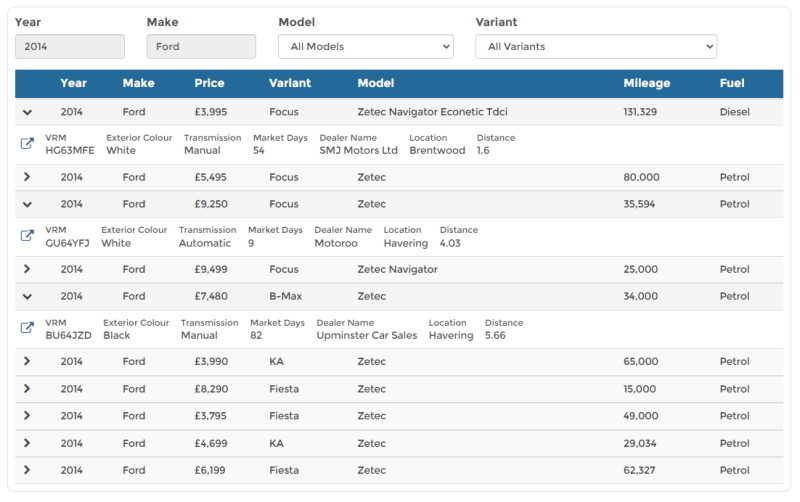
Long-Term Financial Planning: Asset Lifespan and Future Value
Beyond immediate transactions, understanding vehicle sales data contributes to your long-term financial health. By tracking depreciation curves, you can:
- Budget for future replacements: Predict when a vehicle will reach a point where replacement is more financially prudent than continued maintenance.
- Assess asset liquidity: Understand how quickly and at what price you could convert your vehicle into cash if needed.
- Make informed decisions about vehicle longevity: Evaluate whether investing in significant repairs for an older vehicle makes financial sense given its depreciated value and the cost of maintenance versus a new acquisition.
Integrating this knowledge ensures that your vehicles are not just transportation, but intelligently managed assets within your broader financial portfolio.