
Determining the true market value of your Jeep is a critical financial exercise, whether you’re considering a trade-in, a private sale, or simply want to understand the asset’s worth for personal financial planning. Unlike a simple commodity, a Jeep’s value is a dynamic figure influenced by a complex interplay of factors, from its age and condition to market demand and even the specific modifications it may carry. Understanding these elements and how to leverage financial valuation tools can empower you to make informed decisions and maximize your return.
Understanding the Core Factors Influencing Your Jeep’s Value
The journey to ascertain your Jeep’s financial worth begins with a thorough evaluation of its inherent characteristics and history. These foundational elements significantly dictate its appeal and price point in the used vehicle market.
Year, Make, and Model
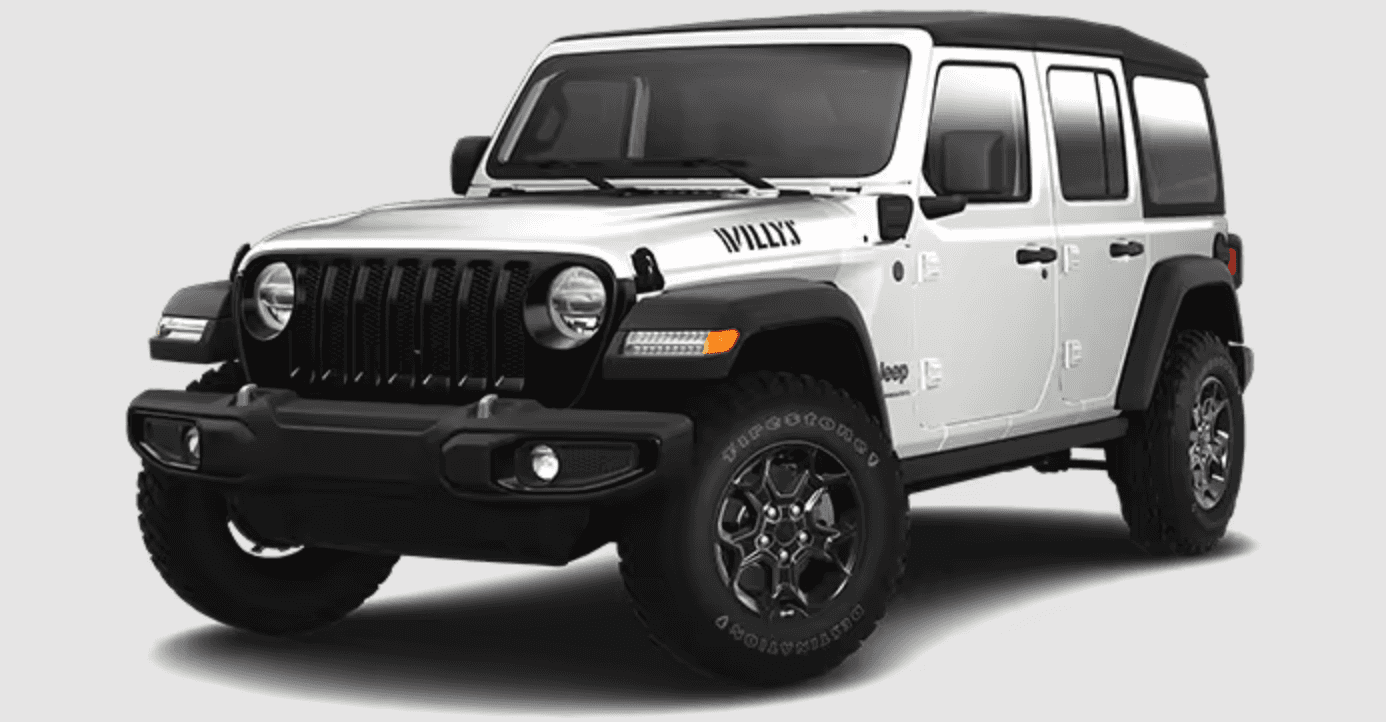
The most fundamental data points are the year of manufacture, the specific Jeep model (e.g., Wrangler, Grand Cherokee, Cherokee, Renegade, Gladiator), and its trim level. Newer models generally command higher prices due to less wear and tear, modern features, and remaining warranty coverage. However, Jeeps, particularly certain Wrangler generations, can sometimes defy typical depreciation curves, holding their value remarkably well due to cult following and brand loyalty. Specific trims, such as a Wrangler Rubicon or a Grand Cherokee Overland, inherently have higher initial costs and often retain a greater percentage of their value compared to base models like a Wrangler Sport or Grand Cherokee Laredo, thanks to their enhanced features and capabilities.
Mileage
Mileage is a straightforward indicator of a vehicle’s life experience and potential wear. Generally, lower mileage translates to a higher value, as it suggests less stress on the engine, transmission, and other critical components. The industry average is often cited as around 12,000-15,000 miles per year. A Jeep significantly above this average for its age might see a notable depreciation, while one with considerably less mileage could fetch a premium. However, simply low mileage isn’t enough; the quality of those miles also matters – highway miles are often considered less strenuous than city stop-and-go driving or consistent off-road use.
Condition (Interior & Exterior)
The aesthetic and functional condition of your Jeep plays an immediate and often subconscious role in a buyer’s perception of value. This encompasses both the interior and exterior:
- Exterior: Look for paint chips, scratches, dents, rust spots (especially common on older models or those in rust-prone climates), headlight clarity, and tire tread depth. Minor cosmetic flaws can be inexpensive to fix and significantly improve curb appeal.
- Interior: Assess the condition of upholstery (rips, stains, tears), dashboard integrity, functionality of all controls (windows, locks, climate control, infotainment), and general cleanliness. A well-maintained interior signals a caring owner and contributes positively to the perceived value. Major damage here can be costly to repair and significantly reduce value.
Maintenance History
A comprehensive and verifiable maintenance history is one of the most powerful tools for demonstrating your Jeep’s reliability and justifying a higher asking price. Records of regular oil changes, tire rotations, brake service, transmission fluid changes, and any major repairs or recalls provide peace of mind to prospective buyers. It indicates that the vehicle has been cared for proactively, reducing the likelihood of immediate costly repairs for the new owner. Missing or incomplete records, conversely, can raise red flags and lead to a lower offer.
Trim Level and Features
Beyond the basic model, the specific trim level and optional features installed can substantially influence value. A Jeep equipped with desirable factory options such as advanced 4×4 systems (e.g., Selec-Terrain, Quadra-Drive II), a premium infotainment system with navigation, leather seating, sunroof/sky touch power top, advanced safety features (blind-spot monitoring, adaptive cruise control), or even a heavy-duty towing package will typically command a higher price than a similarly aged, lower-trim variant. These features enhance comfort, safety, and utility, appealing to a broader range of buyers.
The Impact of Modifications and Aftermarket Accessories
Jeeps are renowned for their customizability, but modifications can be a double-edged sword when it comes to financial valuation. What one enthusiast sees as an enhancement, another might see as a liability or an unnecessary expense.
Value-Adding vs. Value-Subtracting Mods
Some modifications can genuinely enhance your Jeep’s appeal and, in some cases, its value, particularly within the enthusiast market. These often include professionally installed lift kits (especially those from reputable brands), upgraded suspension components for off-road performance, high-quality winches, robust aftermarket bumpers, or practical roof racks. These additions can expand the Jeep’s utility or enhance its rugged aesthetic without compromising safety or reliability.
Conversely, poorly executed or overly aggressive modifications can significantly detract from your Jeep’s value. This includes cheap, unbranded lift kits that compromise ride quality and safety, extreme engine tuning that might strain components, or highly personalized aesthetic changes that appeal to a very narrow niche. Visible signs of aggressive off-roading, such as extensive underbody damage, bent control arms, or severe frame scrapes, can also signal potential issues and deter buyers, regardless of the modifications.
Original Parts Availability
If your Jeep has been modified, retaining the original parts (e.g., wheels, suspension components, bumpers) can be a significant advantage. Offering these parts to a potential buyer allows them the option to revert the vehicle to a stock configuration, broadening its appeal beyond just the modification-oriented market. This flexibility can often translate to a higher sale price or a quicker sale.
Off-Road Use and Its Implications
While Jeeps are built for adventure, extensive off-road use can leave its mark. Beyond cosmetic scratches and dents, consistent exposure to harsh terrain can stress mechanical components, lead to premature wear on the drivetrain, and introduce rust in hard-to-reach areas. Be honest about your Jeep’s history. While some buyers specifically seek out an off-road-ready vehicle, others might be wary of potential hidden damage or reduced longevity resulting from extreme use. Transparent documentation of any off-road-related maintenance or repairs can help mitigate concerns.
Leveraging Financial Tools for Accurate Valuation
Pinpointing an accurate price for your Jeep requires more than just guesswork; it involves utilizing established financial tools and market research. These resources provide objective benchmarks to guide your pricing strategy.
Online Valuation Resources
Several reputable online platforms offer estimated vehicle values, providing an excellent starting point for your research:
- Kelley Blue Book (KBB): KBB is an industry standard for valuing used vehicles. It offers various values, including “Trade-in Value” (what a dealer might offer), “Private Party Value” (what you might expect selling to an individual), and “Retail Value” (what a dealer might sell it for). Be meticulous in entering your Jeep’s exact specifications, condition, and features to get the most accurate estimate.
- Edmunds: Another highly respected resource, Edmunds provides True Market Value (TMV) pricing, which aims to reflect what others in your area are currently paying for similar vehicles. Comparing KBB and Edmunds values can provide a balanced perspective.
- NADAguides (J.D. Power): While often used by dealerships and financial institutions, NADAguides can offer another layer of valuation, particularly useful for older or more niche vehicles. Their focus is often on clean retail and loan values.
Remember that these are estimates. They do not account for every unique aspect of your specific vehicle or local market nuances.
Dealership Appraisals
Visiting a local dealership for an appraisal can provide a quick, no-obligation offer for your Jeep. While a dealership’s offer will almost always be lower than what you might achieve through a private sale (as they need to recondition, market, and profit from the sale), it serves as an excellent baseline. It represents the absolute minimum you could expect and is especially relevant if you are considering trading in your Jeep for another vehicle. Many dealerships will appraise your vehicle even if you aren’t buying from them immediately.
Comparing Similar Listings
One of the most effective ways to gauge your Jeep’s real-world market value is to conduct your own market research. Browse online classifieds such as Autotrader, Cars.com, eBay Motors, or local marketplaces like Craigslist and Facebook Marketplace. Search for Jeeps of the same year, model, trim, and as close to your mileage and condition as possible. Pay attention to:
- Asking Prices: What are sellers listing their comparable Jeeps for?
- Time on Market: How long have these vehicles been listed? If they’ve been sitting for weeks or months, their asking price might be too high.
- Feature Comparison: How do their features and modifications compare to yours?
This exercise provides a realistic snapshot of what buyers are willing to pay and helps you price your Jeep competitively.
Professional Appraisals
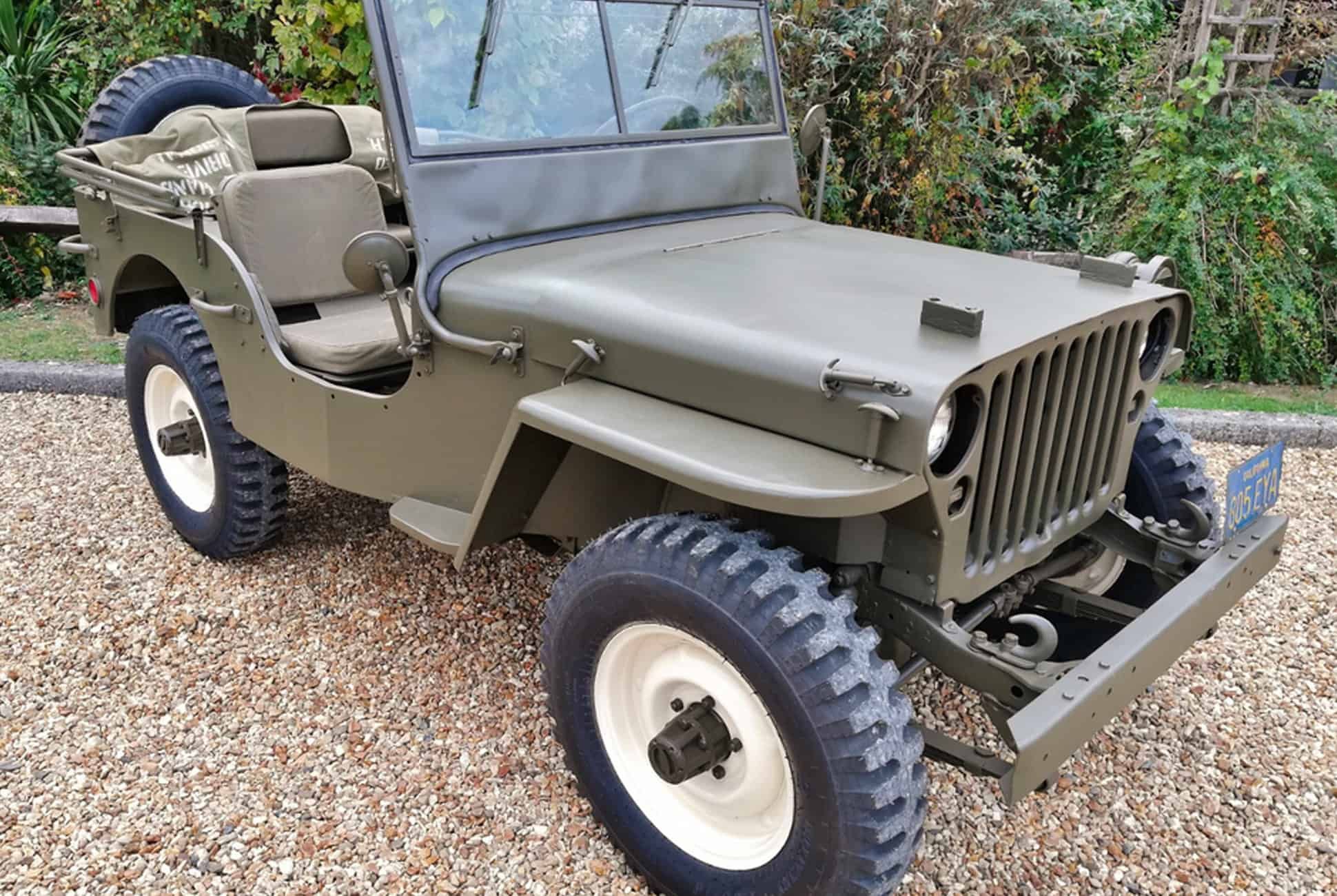
For unique circumstances, such as a classic Jeep, a heavily customized vehicle with high-value aftermarket parts, or a Jeep being valued for insurance purposes or estate planning, a professional appraisal might be warranted. Certified appraisers have specialized knowledge and access to extensive market data, providing an officially documented valuation that holds more weight than online estimates or dealership offers. This option typically comes with a fee but can be invaluable in specific financial scenarios.
Strategic Selling: Maximizing Your Jeep’s Financial Return
Once you have a solid understanding of your Jeep’s value, the next step is to strategize how to sell it to achieve the best possible financial outcome. Every dollar you invest in preparation can yield multiple dollars in return.
Preparing Your Jeep for Sale
The presentation of your Jeep is paramount. First impressions significantly influence perceived value and buyer interest.
- Detailing and Cleaning: A thorough professional detail or a meticulous DIY cleaning can dramatically enhance your Jeep’s appeal. This includes washing, waxing, vacuuming, shampooing carpets, cleaning upholstery, and addressing odors. A spotless vehicle suggests a well-cared-for one, justifying a higher price point.
- Minor Repairs: Address any small, inexpensive issues that might deter buyers. This could include replacing burned-out light bulbs, fixing a cracked taillight lens, topping off fluids, or addressing a squeaky brake. These minor fixes prevent buyers from using them as negotiation points for larger discounts.
- Gathering Documentation: Organize all your service records, the vehicle title, any original owner’s manuals, and receipts for significant modifications or repairs. Presenting a neat folder of documentation demonstrates transparency and instills confidence in potential buyers.
Choosing Your Selling Method
Your preferred selling method will impact both the time commitment and the financial return.
- Private Party Sale: Selling directly to an individual typically yields the highest financial return. You cut out the middleman (the dealership) and capture more of the market value. However, this method requires more effort: creating listings, communicating with potential buyers, arranging test drives, negotiating, and handling paperwork.
- Trade-in: The most convenient option, trading your Jeep into a dealership eliminates the hassle of selling privately. You simply hand over your old vehicle and drive away in your new one, often benefiting from sales tax savings on the difference. The trade-in value, however, is almost always the lowest offer you’ll receive, as the dealership needs to profit from reselling it.
- Selling to a Dealership/Wholesaler: Some dealerships or specialized used car buyers will purchase your vehicle outright, even if you’re not buying another from them. This offers a middle ground: quicker than a private sale and potentially higher than a trade-in, but still below what you might get selling to an individual.
- Online Car Buyers: Companies like Carvana, Vroom, and CarMax offer instant cash offers for your vehicle online. These services provide convenience, competitive pricing often better than a traditional trade-in, and a streamlined process. They are excellent for getting a no-hassle benchmark offer.

Pricing Strategy
Based on your research from online tools and comparable listings, set an initial asking price. Be prepared to negotiate. While you want to maximize your profit, an overly ambitious price can deter buyers and cause your Jeep to sit on the market. Consider pricing slightly above your target to allow for negotiation. Highlight your Jeep’s unique selling points in your listing – special features, recent maintenance, desirable modifications, or its overall excellent condition – to justify your price.
Ultimately, understanding “how much is my Jeep worth” is an ongoing process that benefits from diligent research, objective assessment, and strategic planning. By meticulously evaluating your vehicle and leveraging the financial tools at your disposal, you can confidently determine its true value and achieve the best possible outcome when it’s time to sell.
aViewFromTheCave is a participant in the Amazon Services LLC Associates Program, an affiliate advertising program designed to provide a means for sites to earn advertising fees by advertising and linking to Amazon.com. Amazon, the Amazon logo, AmazonSupply, and the AmazonSupply logo are trademarks of Amazon.com, Inc. or its affiliates. As an Amazon Associate we earn affiliate commissions from qualifying purchases.