
Understanding the true market value of your All-Terrain Vehicle (ATV) is a crucial step for a variety of financial decisions, whether you’re considering selling it, trading it in, insuring it, or simply assessing your personal assets. Unlike a simple calculation, an ATV’s worth is a dynamic figure influenced by a complex interplay of factors, from its age and condition to prevailing market demand and regional specifics. Navigating this valuation landscape requires a systematic approach, leveraging available financial tools and market insights to arrive at an accurate and defensible figure.
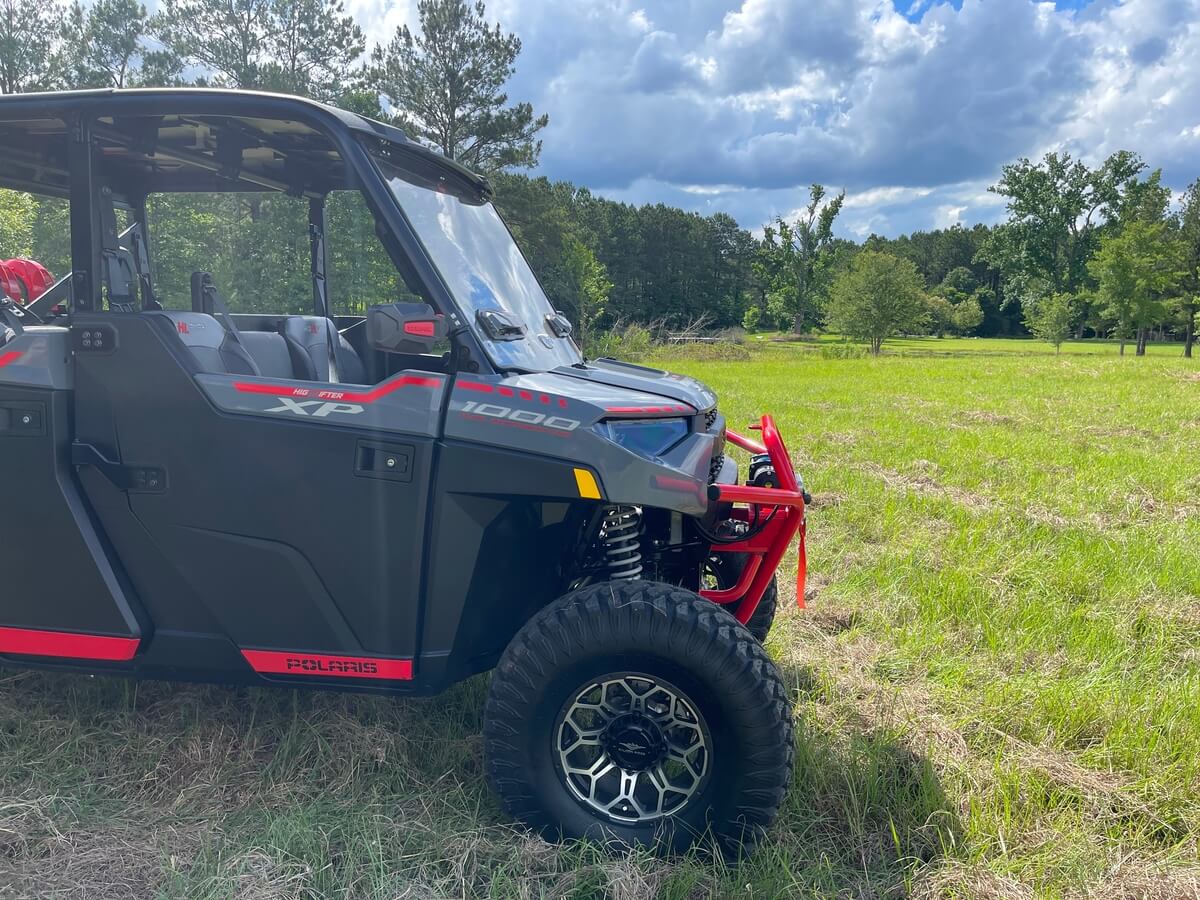
This guide will delve into the multifaceted aspects of ATV valuation, providing you with the knowledge and strategies needed to confidently answer the question, “How much is my ATV worth?” We’ll explore the primary drivers of value, the most effective research methodologies, regional market influences, and practical steps you can take to enhance your ATV’s market appeal and financial return.
The Core Determinants of ATV Value
The foundation of any accurate ATV valuation lies in a thorough understanding of its intrinsic characteristics and history. These elements directly translate into financial worth and are the first considerations for any potential buyer or appraiser.
Age and Mileage/Hours
Like most vehicles, ATVs experience depreciation over time. The older an ATV, generally, the lower its value, primarily due to wear and tear, advancements in technology, and the accumulation of operational hours or mileage. For ATVs, “hours” are often a more accurate indicator of usage than mileage, especially for models used extensively off-road or for utility tasks where speed is low but engine strain is high. A lower hour count or mileage relative to its age can significantly boost an ATV’s perceived value, signaling less overall stress on its mechanical components. Conversely, a high-hour ATV, even if mechanically sound, will typically command a lower price due to the expectation of future maintenance.
Make, Model, and Trim Level
The manufacturer, specific model, and trim level of your ATV play a substantial role in its market value. Certain brands (e.g., Honda, Yamaha, Polaris, Can-Am) are renowned for their reliability, performance, and robust dealer networks, often leading them to retain value better than lesser-known or discontinued brands. Within a brand, specific models gain reputations for durability, capability, or popularity, which translates into higher demand and stronger resale values. Furthermore, premium trim levels often come equipped with advanced features like power steering, upgraded suspension, or specialized differentials, which can significantly enhance comfort, performance, and consequently, financial worth. Buyers are often willing to pay a premium for these factory-installed enhancements.
Condition – Mechanical and Aesthetic
This is arguably the most critical factor influencing an ATV’s value. An ATV’s condition is a holistic assessment encompassing both its operational integrity and its visual appeal.
- Mechanical Condition: This refers to the health of the engine, transmission, suspension, brakes, tires, electrical system, and all other operational components. An ATV with a well-maintained engine, smooth shifting transmission, strong brakes, and no significant leaks will be valued much higher than one requiring extensive mechanical repairs. Buyers are typically wary of potential hidden costs associated with mechanical issues.
- Aesthetic Condition: Scratches on plastics, dents in the frame, tears in the seat, rust on metal components, and worn grips all detract from an ATV’s perceived value. While some cosmetic wear is expected on an off-road vehicle, excessive damage indicates neglect and can significantly impact the asking price. A clean, well-presented ATV suggests an owner who cared for the machine, instilling buyer confidence.
Aftermarket Modifications and Accessories
The impact of aftermarket modifications on an ATV’s value can be a double-edged sword. High-quality, desirable upgrades that genuinely enhance performance, utility, or safety (e.g., winch, plow attachment, high-performance exhaust from a reputable brand, LED lighting, skid plates, specialized tires) can add value, particularly if they are professionally installed and well-maintained. However, extreme or poorly installed modifications, especially those that compromise reliability, factory specifications, or legal compliance, can actually decrease an ATV’s value. Many buyers prefer stock or lightly modified machines, as they offer a blank canvas or avoid inheriting another’s potentially problematic customization. The key is whether the modification adds broad appeal and functionality rather than catering to niche preferences.
Researching Your ATV’s Market Value
Once you understand the intrinsic factors, the next step is to research how these attributes translate into actual market prices. Leveraging financial tools and observing real-world transactions are crucial for an accurate valuation.
Online Valuation Tools and Guides
Several specialized online resources provide estimated values for ATVs, similar to how Kelley Blue Book (KBB) or NADA Guides work for cars.
- NADAguides Powersports: Often considered the industry standard for powersports valuation, NADAguides provides average retail, wholesale, and trade-in values based on make, model, year, and condition. It’s a professional tool widely used by dealerships and insurance companies, making it a reliable benchmark.
- Kelley Blue Book (KBB) for Motorcycles & Powersports: KBB also offers valuation services for ATVs, providing private party value, trade-in value, and dealer retail value estimates. Their interface is user-friendly and offers a good cross-reference to NADA.
When using these tools, be honest and accurate about your ATV’s condition and features. Overstating its condition will lead to an inflated estimate that won’t hold up in the real market.
Browsing Online Marketplaces
Real-world market data is invaluable. Websites like eBay Motors, Craigslist, Facebook Marketplace, and dedicated ATV sales platforms (e.g., ATV Trader, Cycle Trader) are excellent places to gauge current asking prices for similar ATVs.
- Identify Comparables: Search for ATVs of the same make, model, year, and as close to your mileage/hours and condition as possible.
- Analyze Asking Prices: Note the range of asking prices. Be realistic; asking prices are often higher than final sale prices. Pay attention to how long listings have been active.
- Look for Sold Listings: On platforms like eBay, you can often view completed listings that show the final sale price, which is the most accurate indicator of market value.
This research gives you a practical sense of what buyers are currently willing to pay and what sellers are expecting.
Consulting with Dealerships and Experts
For a professional assessment, consider reaching out to ATV dealerships or independent powersports mechanics.
- Trade-in Valuations: While a dealership’s trade-in offer will typically be lower than what you could achieve through a private sale (to allow for their reconditioning costs and profit margin), it provides a baseline minimum value and reflects their professional assessment of its marketability.
- Professional Appraisals: For unique or highly specialized ATVs, or for insurance purposes, a professional appraisal from a certified powersports appraiser can offer an unbiased, detailed valuation report. This can be a worthwhile investment if your ATV is particularly valuable or if you need documented proof of its worth.
Factors Influencing Demand and Regional Pricing
Beyond the ATV’s inherent qualities, external market forces significantly impact its financial value. These factors can cause significant price variations across different locations and times.

Local Market Conditions
Supply and demand dynamics are hyper-local. An ATV might fetch a higher price in a rural area with abundant trails and a strong riding culture compared to a dense urban environment where off-road opportunities are scarce. Likewise, if there’s a surplus of a particular model on the market in your region, prices might be driven down. Conversely, if your ATV is a rare or highly sought-after model in your specific area, you might command a premium.
- Seasonality: ATV sales often peak in spring and summer when riding conditions are ideal, leading to higher prices. Conversely, late fall and winter might see lower demand and prices as potential buyers postpone purchases until warmer weather.
Economic Climate
Broader economic conditions play a role in discretionary spending. During economic booms, consumers are more likely to invest in leisure vehicles like ATVs, driving demand and potentially prices up. In contrast, during economic downturns, discretionary spending tightens, leading to reduced demand and potentially lower prices as sellers compete for fewer buyers. Interest rates also influence financing costs, which can affect a buyer’s overall budget.
Regulatory Environment
Regional and national regulations can indirectly affect ATV values. Stricter emissions standards for new models might make older, less regulated ATVs attractive to certain buyers, or they could make them harder to register in some areas, thereby decreasing their value. Local ordinances regarding ATV use, such as restrictions on trails or noise limits, can also impact regional demand and, consequently, market value. Always be aware of the legal context surrounding ATV ownership and use in your area.
Strategies for Maximizing Your ATV’s Value
Knowing your ATV’s worth is one thing; achieving that value when selling is another. Strategic preparation can significantly enhance your ATV’s market appeal and financial return.
Routine Maintenance and Detailed Service Records
A well-documented history of regular maintenance is one of the most powerful tools for demonstrating value. Buyers are reassured by proof that an ATV has been properly cared for. Keep meticulous records of oil changes, filter replacements, tire rotations, brake services, and any repairs. If you perform maintenance yourself, keep receipts for parts. Presenting a binder of service records tells a compelling story of responsible ownership and can justify a higher asking price.
Thorough Cleaning and Detailing
First impressions are paramount. Before listing your ATV, give it a comprehensive cleaning. Wash off all mud, grime, and dust. Detail the plastics, polish chrome components, and clean the engine bay. A sparkling clean ATV not only looks more appealing but also suggests that it has been well-maintained. Address small aesthetic flaws like minor scratches with appropriate polishes or touch-up kits if possible. This minimal investment of time and effort can yield a significant return in perceived value.
Minor Repairs and Replacements
Address any obvious minor issues before listing. This could include replacing a torn seat cover, fixing a loose grip, replacing worn tires, or repairing a non-functioning headlight. Small, visible defects can disproportionately impact a buyer’s perception of the ATV’s overall condition and may lead them to assume larger, hidden problems. By proactively fixing these items, you remove bargaining points and present a more polished product. Weigh the cost of the repair against the potential increase in sale price; sometimes, a small repair yields a large psychological benefit for the buyer.
Effective Photography and Listing Descriptions
High-quality visuals and a comprehensive, honest description are crucial for attracting serious buyers and justifying your asking price.
- Photography: Take clear, well-lit photos from multiple angles (front, back, sides, engine, odometer/hour meter, tires, specific features). Use a clean, uncluttered background. Highlight desirable features and, importantly, be transparent about any minor flaws with clear photos.
- Description: Write a detailed description that includes all pertinent information: make, model, year, hours/mileage, engine size, features, condition (mechanical and aesthetic), recent maintenance, any modifications, and your asking price. Be honest about any known issues, as transparency builds trust. A well-written description pre-qualifies buyers and minimizes wasted time.
Understanding Trade-In vs. Private Sale Values
When it comes time to monetize your ATV, you generally have two primary financial avenues, each with its own advantages and disadvantages concerning the ultimate return.
The Convenience of Trade-In
Trading your ATV into a dealership when purchasing a new one offers unparalleled convenience. You avoid the hassles of listing, negotiating with private parties, and managing potential tire-kickers. The process is streamlined, often handled in a single transaction, and can sometimes offer tax advantages if the trade-in value reduces the taxable amount of your new purchase. However, this convenience comes at a financial cost. Dealerships need to recondition the ATV for resale and make a profit, meaning their trade-in offer will almost always be significantly lower than what you could achieve through a private sale. It’s a trade-off between time/effort and monetary value.
The Potential of Private Sale
Selling your ATV privately typically yields a higher financial return than a trade-in. By cutting out the dealership’s profit margin, you capture more of the market value. However, this avenue requires more personal investment. You are responsible for marketing the ATV, responding to inquiries, arranging viewings, negotiating prices, and handling all paperwork. This process can be time-consuming and sometimes frustrating. It also carries a higher degree of risk, including dealing with unreliable buyers or potential scams. While the financial upside is greater, it demands more effort and a willingness to navigate the intricacies of private transactions.

Conclusion
Determining “how much is my ATV worth” is a critical financial exercise that empowers you with informed decision-making, whether you’re selling, insuring, or simply tracking your assets. By diligently assessing your ATV’s inherent attributes, leveraging professional valuation tools, scrutinizing real-world market data, and understanding the broader economic and regional influences, you can arrive at a robust and defensible valuation. Furthermore, strategic preparation, including meticulous maintenance, thorough cleaning, and compelling presentation, can significantly enhance your ATV’s market appeal and ultimately maximize your financial return. Armed with this comprehensive knowledge, you can approach the market with confidence, ensuring you receive a fair and optimal value for your investment.
aViewFromTheCave is a participant in the Amazon Services LLC Associates Program, an affiliate advertising program designed to provide a means for sites to earn advertising fees by advertising and linking to Amazon.com. Amazon, the Amazon logo, AmazonSupply, and the AmazonSupply logo are trademarks of Amazon.com, Inc. or its affiliates. As an Amazon Associate we earn affiliate commissions from qualifying purchases.