
The question “how much is a used car on average?” seems straightforward, but its answer is anything but simple. For millions of individuals and families, a used car represents a critical financial decision, balancing necessity with affordability. In the realm of personal finance, understanding the true cost and market dynamics of a used vehicle is paramount. This isn’t merely about a single price point; it’s about navigating a complex landscape influenced by economic forces, consumer demand, vehicle specifics, and strategic financial planning. Delving into the average cost of a used car means dissecting a multi-faceted equation that directly impacts budgets, savings, and long-term financial health.
Decoding the Average Used Car Price Tag
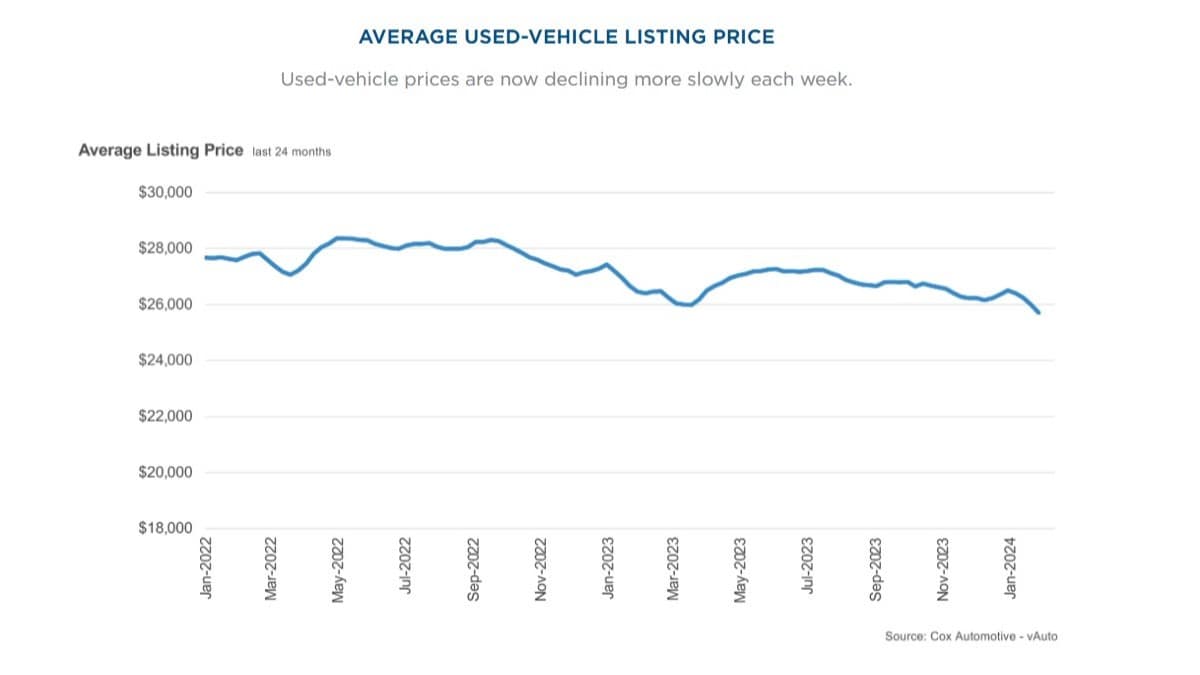
The notion of an “average” used car price can be misleading without context. Unlike a standardized commodity, each used car is unique, carrying its own history, condition, and value proposition. To genuinely understand the financial implications, one must look beyond a single number and examine the myriad factors that contribute to a vehicle’s specific valuation.
The Elusive “Average”: Why It’s Hard to Pin Down
The national average for a used car can serve as a broad benchmark, but it masks significant variations. A compact sedan will naturally cost less than a luxury SUV, and a five-year-old model with 50,000 miles will have a different price tag than a ten-year-old car with twice the mileage. Furthermore, the average blends data from all segments of the market, from inexpensive daily drivers to high-end pre-owned vehicles. This means that while an overall average might hover around, say, $28,000 to $30,000 in recent years (though highly variable by market conditions), this figure is rarely applicable to any specific vehicle a consumer might be considering. Personal finance decisions require more granular data, focusing on the specific segment and vehicle type relevant to one’s needs and budget.
Key Influencers on Used Car Valuation
Several core financial and logistical elements dictate a used car’s value, and understanding them is crucial for smart budgeting and purchase decisions.
- Depreciation Curve: New cars experience the steepest depreciation in their first few years. This rapid value loss for new vehicles is precisely what makes used cars an attractive financial proposition. A car that is 2-5 years old often represents the sweet spot, having absorbed the initial depreciation while still offering modern features and reasonable reliability. Beyond this age, the rate of depreciation slows, but maintenance costs often begin to rise, presenting a different financial calculus.
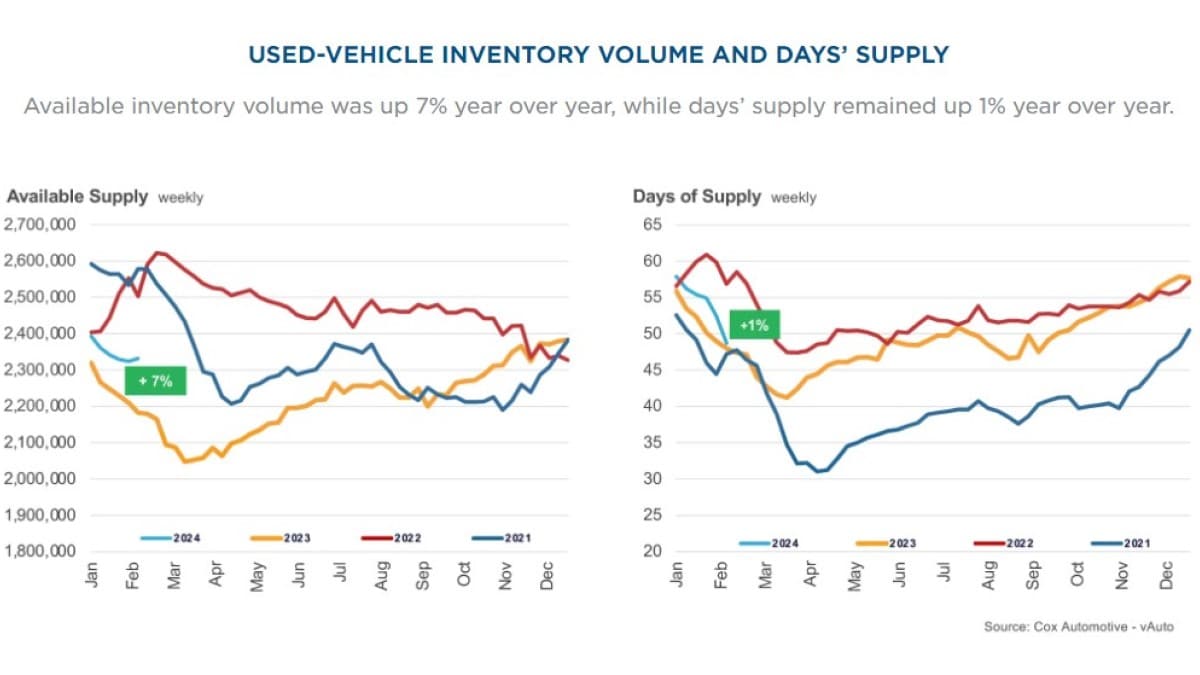
- Supply and Demand Dynamics: Economic principles heavily influence used car prices. During periods of high demand and low supply (e.g., due to manufacturing disruptions for new cars, as seen during the pandemic), used car prices tend to surge. Conversely, a glut of vehicles or an economic downturn can drive prices down. Interest rates also play a significant role; higher rates make financing more expensive, potentially dampening demand and impacting affordability for many buyers.
- Vehicle History and Condition: A car’s past is a strong indicator of its future financial commitment. A clean vehicle history report (showing no accidents, consistent maintenance, and clear title) significantly boosts value. Conversely, a history of major accidents, flood damage, or poor maintenance will drastically reduce a car’s worth and signal potential future repair expenses, making it a riskier financial proposition. The physical and mechanical condition—engine health, tire wear, interior cleanliness, exterior blemishes—all factor into its market price.
- Make, Model, Year, and Mileage: These are fundamental variables. Popular and reliable models (e.g., certain Honda, Toyota, Ford, Chevrolet models) tend to retain their value better than less popular or less reliable brands. Newer models generally command higher prices, as do vehicles with lower mileage, assuming all other factors are equal. However, exceptionally low mileage for an older car could also signal extended periods of inactivity, which might lead to other issues.
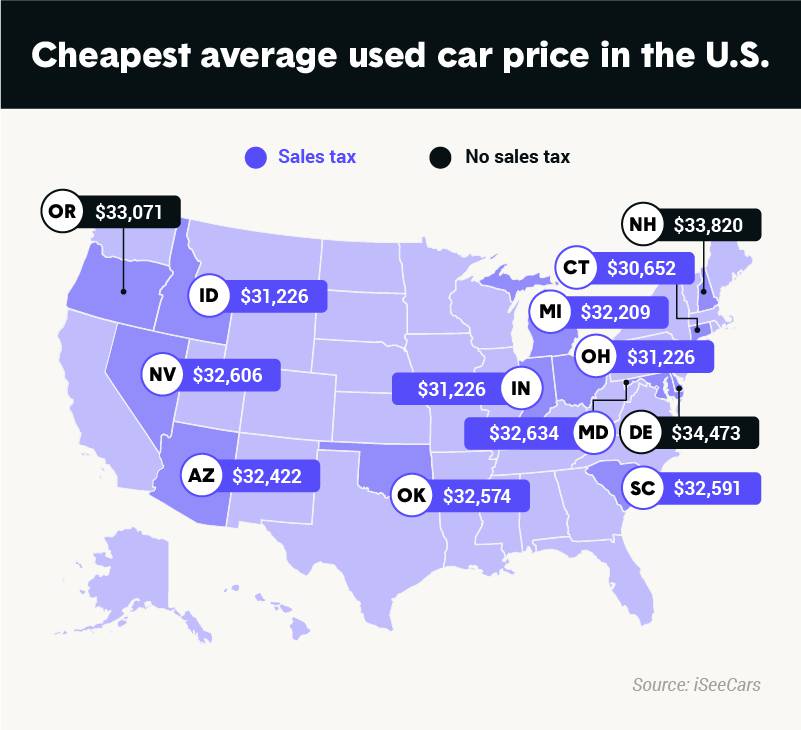
- Regional Variations: Used car prices are not uniform across a country. Factors like local taxes, emissions regulations, regional demand, and even climate can influence pricing. Rust-prone vehicles might be cheaper in areas with harsh winters, while specific types of vehicles (like trucks or SUVs) might be more expensive in rural areas where they are highly functional.
Current Market Dynamics and Trends
The used car market is anything but static. Recent years have demonstrated just how volatile and responsive it can be to global economic shifts and supply chain disruptions. Staying abreast of these trends is essential for making financially sound decisions.
Post-Pandemic Shifts: A New Normal?
The COVID-19 pandemic initiated an unprecedented era for the used car market. Semiconductor shortages severely hampered new car production, creating a domino effect where frustrated buyers turned to the used market. This surge in demand, coupled with constrained supply, drove used car prices to historic highs. For many, what was once a depreciating asset became, temporarily, an appreciating one. Inflationary pressures across the economy also contributed to higher operational costs for dealerships and higher sticker prices for consumers. Moreover, rising interest rates, implemented by central banks to combat inflation, have made vehicle financing more expensive, subtly shifting the affordability landscape. Consumers must now factor in not just the list price, but the increased total cost of borrowing.
Forecasting Future Price Movements
Predicting the future of the used car market involves analyzing a complex interplay of economic indicators and industry forecasts. While some stabilization has been observed, a return to pre-pandemic price levels isn’t a guaranteed linear path. Experts project that as new car production gradually recovers and inventory levels improve, the intense upward pressure on used car prices may ease. However, global economic uncertainties, geopolitical events, and continued supply chain vulnerabilities mean that volatility remains a significant possibility.
Another crucial factor is the accelerating adoption of Electric Vehicles (EVs). As the market for new EVs expands, the supply of used EVs will increase, potentially influencing prices for both electric and traditional internal combustion engine (ICE) vehicles. Early indications suggest that the depreciation curve for EVs might differ from ICE cars, largely due to rapidly evolving battery technology and range anxiety, which could make older EV models depreciate faster initially. This trend, if it solidifies, will present new financial considerations for both buyers and sellers in the coming years.
Budgeting for Your Used Car Purchase
Purchasing a used car is one of the most significant financial commitments many individuals make after a home. It’s imperative to approach it with a comprehensive financial plan that extends far beyond the initial purchase price.
Beyond the Sticker Price: The True Cost of Ownership
The common mistake in budgeting for a car is focusing solely on the sticker price or monthly loan payment. A truly financially responsible approach considers the Total Cost of Ownership (TCO). This includes:
- Insurance: Premiums vary drastically based on the vehicle type, your driving history, age, location, and coverage choices.
- Registration and Taxes: These are one-time or recurring fees mandated by local and state governments. Sales tax can be a significant upfront cost.
- Maintenance and Repairs: Used cars, by definition, have wear and tear. Budgeting for regular maintenance (oil changes, tire rotations) and potential repairs (brakes, battery, unforeseen issues) is crucial. A pre-purchase inspection by an independent mechanic is a small investment that can save thousands in future repair costs.
- Fuel/Charging: This recurring cost depends on fuel efficiency (MPG), fuel prices, and your driving habits. For EVs, home charging infrastructure and public charging costs are relevant.
- Financing Costs: The interest paid over the life of a loan can add thousands to the overall cost.
Smart Financing Strategies
How you pay for a used car dramatically impacts your overall financial burden.
- Understanding APR, Loan Terms, and Down Payments: The Annual Percentage Rate (APR) is the true cost of borrowing. A lower APR means less interest paid over time. Shorter loan terms (e.g., 36 or 48 months) result in higher monthly payments but significantly less interest paid than longer terms (60 or 72 months). A substantial down payment reduces the amount borrowed, leading to lower monthly payments and less interest accrual. Aim for at least 20% down if possible to avoid being “upside down” (owing more than the car is worth).
- Comparing Options: Don’t settle for the first financing offer. Compare rates from banks, credit unions (often offering competitive rates), and dealer financing. Get pre-approved for a loan before stepping onto a dealership lot; this strengthens your negotiating position.
- The Role of Credit Score: Your credit score is pivotal. A strong credit score (typically 700+) will qualify you for the lowest interest rates, saving you substantial money over the life of the loan. Focus on improving your credit score before applying for a car loan if it’s not in optimal shape.
Setting a Realistic Budget
A common personal finance guideline for car purchases suggests that your total car expenses (payment, insurance, fuel, maintenance) should not exceed 10-15% of your take-home pay. Another popular rule is the “20/4/10 rule”: a 20% down payment, a loan term no longer than 4 years, and total monthly car expenses (payment, insurance) not exceeding 10% of gross income. While these are guidelines, they provide a solid framework for assessing affordability based on your individual income, existing debts, and savings goals. Prioritize financial stability over acquiring a vehicle that stretches your budget thin.
Smart Strategies for Finding Value in the Used Car Market
Armed with financial knowledge, the next step is to navigate the market effectively to secure the best value for your money. Strategic research and negotiation are key.
Research Tools and Resources
The digital age offers powerful tools to empower used car buyers:
- Online Marketplaces: Websites like AutoTrader, CarGurus, Cars.com, and the marketplaces on sites like Kelley Blue Book (KBB) and Edmunds allow you to filter by make, model, year, price, mileage, and location. These are excellent for gauging market prices for specific vehicles in your area.
- Vehicle History Reports: Services like CarFax and AutoCheck provide invaluable insights into a car’s past, including accident history, previous owners, service records, and title issues. This is a non-negotiable step to protect your financial investment.
- Independent Inspections: Never buy a used car without having an independent, trusted mechanic perform a pre-purchase inspection. For a relatively small fee, they can uncover hidden mechanical issues that could cost thousands down the line, saving you from a potentially disastrous financial decision.
Negotiation Tactics and Red Flags
Negotiation is an art form, but knowing your financial limits and market value gives you a strong hand.
- Know Your Market Value: Before you engage with a seller, use KBB, Edmunds, and local marketplace listings to determine a fair market price for the specific car you’re interested in, factoring in its condition and mileage. This empowers you to negotiate from a position of knowledge.
- Be Prepared to Walk Away: This is your most potent negotiation tool. If the price isn’t right, the seller isn’t transparent, or you feel pressured, be ready to walk away. There will always be another car.
- Spotting Red Flags: Be wary of deals that seem too good to be true, sellers who push for immediate cash-only transactions, vehicles without clear titles or service records, or those that refuse an independent inspection. These are all significant financial risks.
Timing Your Purchase
While less impactful than market conditions, timing can offer minor advantages:
- End of the Month/Quarter: Dealerships often have sales quotas to meet, making them more motivated to close deals as these periods draw to a close.
- Holidays: Certain holiday weekends (e.g., Labor Day, Memorial Day) can see special promotions.
- Depreciation Cycles: Buying a slightly older model (e.g., the previous model year when a new one is released) can offer better value, as its initial depreciation has already occurred.
The Financial Long Game: Maintaining Your Investment
A used car is not just a one-time purchase; it’s an ongoing financial commitment. Smart ownership means proactive management to protect your asset and minimize long-term costs.
Proactive Maintenance for Longevity
The adage “an ounce of prevention is worth a pound of cure” is particularly true for vehicle ownership. Sticking to the manufacturer’s recommended service schedule for oil changes, tire rotations, fluid checks, and major tune-ups can significantly extend the life of your vehicle and prevent minor issues from escalating into expensive, major repairs. Investing in preventative maintenance reduces the likelihood of costly breakdowns, preserves fuel efficiency, and enhances safety—all contributing to better financial outcomes over the vehicle’s lifespan. Keeping detailed records of all maintenance and repairs also benefits future resale.
Resale Value Considerations
While buying a used car is about saving money upfront, understanding its potential resale value is a crucial financial long-term play. Some models and brands retain their value much better than others due to factors like reliability, brand reputation, and desirability. Maintaining your vehicle meticulously, keeping comprehensive service records, and addressing cosmetic issues can significantly boost its value when it comes time to sell or trade it in. Furthermore, certain features like all-wheel drive, popular infotainment systems, and modern safety technologies can enhance a vehicle’s appeal and command a higher price in the used market. Being mindful of these aspects during your initial purchase and throughout ownership contributes to maximizing your financial return.
Conclusion
The question of “how much is a used car on average?” is a gateway to a much broader discussion about personal finance. There is no single, fixed average, but rather a dynamic range influenced by myriad factors from economic tides to individual vehicle specifics. Making an informed used car purchase transcends merely finding a vehicle; it necessitates rigorous financial planning, diligent research, and strategic decision-making. By understanding the true cost of ownership, employing smart budgeting and financing strategies, leveraging available research tools, and committing to proactive maintenance, consumers can navigate the complexities of the used car market with confidence. A used car represents a significant investment, and approaching it with financial prudence ensures it serves as a reliable asset rather than a drain on one’s long-term financial health.
aViewFromTheCave is a participant in the Amazon Services LLC Associates Program, an affiliate advertising program designed to provide a means for sites to earn advertising fees by advertising and linking to Amazon.com. Amazon, the Amazon logo, AmazonSupply, and the AmazonSupply logo are trademarks of Amazon.com, Inc. or its affiliates. As an Amazon Associate we earn affiliate commissions from qualifying purchases.