
The journey through higher education, whether as a prospective student, a current attendee, or a graduate navigating student loan repayment, invariably intersects with one’s personal finances. For many, a significant portion of their financial life revolves around the costs associated with college. The question “how much of your paycheck should you allocate for college?” is not merely academic; it’s a practical, pressing concern that can dictate financial stability and future opportunities. This article delves into strategic approaches to integrate college-related financial responsibilities into your paycheck allocation, ensuring a balanced and sustainable path.
The Weight of Education: Why College Costs Matter for Your Paycheck
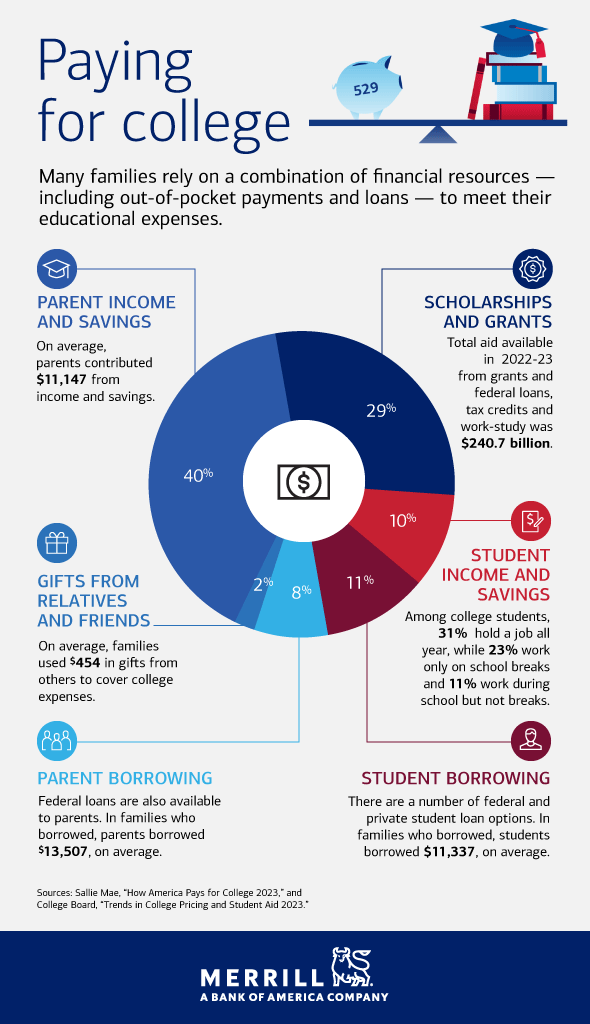
Higher education is often heralded as a gateway to increased earning potential and personal growth. However, this gateway comes with an increasingly steep toll booth. Understanding the sheer scale of college costs and their long-term implications is the first step in effectively managing them with your paycheck.
The Escalating Price Tag of Higher Education
Over the past few decades, tuition fees at both public and private institutions have consistently outpaced inflation and wage growth. While the exact figures vary wildly by institution, type (in-state vs. out-of-state, public vs. private), and degree level, the general trend is upward. Beyond tuition and fees, students and their families must account for room and board, books, supplies, transportation, and personal expenses. These combined costs can quickly ascend into tens of thousands of dollars annually, presenting a formidable financial challenge for even well-prepared individuals and families. For parents saving for their children’s future education, or for individuals planning to return to school, this rising cost necessitates a robust, long-term savings strategy. For recent graduates, it translates directly into substantial student loan balances that require careful, consistent repayment from their post-college paychecks.
The Long-Term Financial Implications
The decision of how much to allocate from your paycheck towards college costs or repayment isn’t just about covering immediate bills; it has profound long-term financial implications. Under-saving for college can lead to heavier reliance on loans, potentially delaying major life milestones like buying a home, starting a family, or saving for retirement. Conversely, over-committing too much of your current paycheck to college-related expenses might jeopardize your emergency fund or other critical financial goals. For those repaying student loans, the monthly payment can significantly impact discretionary income, affecting everything from leisure activities to investment opportunities. Striking the right balance is crucial for maintaining financial health across different life stages.
Balancing Present Needs with Future Educational Goals
The challenge lies in balancing immediate financial needs and desires with future educational aspirations. This isn’t a simple equation, as it involves trade-offs. Should you contribute more to your 401(k) or a 529 plan? Can you afford that new car if you’re committed to paying down student debt aggressively? The answer depends on individual circumstances, risk tolerance, and financial priorities. The key is to create a budget that explicitly earmarks portions of your paycheck for college-related goals, while still covering essential living expenses, building an emergency fund, and contributing to other vital long-term savings. This foundational understanding sets the stage for implementing practical strategies.
Proactive Planning: Allocating Your Paycheck for Future College Expenses
For individuals planning to attend college in the future, or for parents saving for their children’s education, proactive planning is paramount. Dedicating a portion of your current paycheck to future college expenses can significantly reduce the burden of debt later on.
Setting Realistic Savings Goals
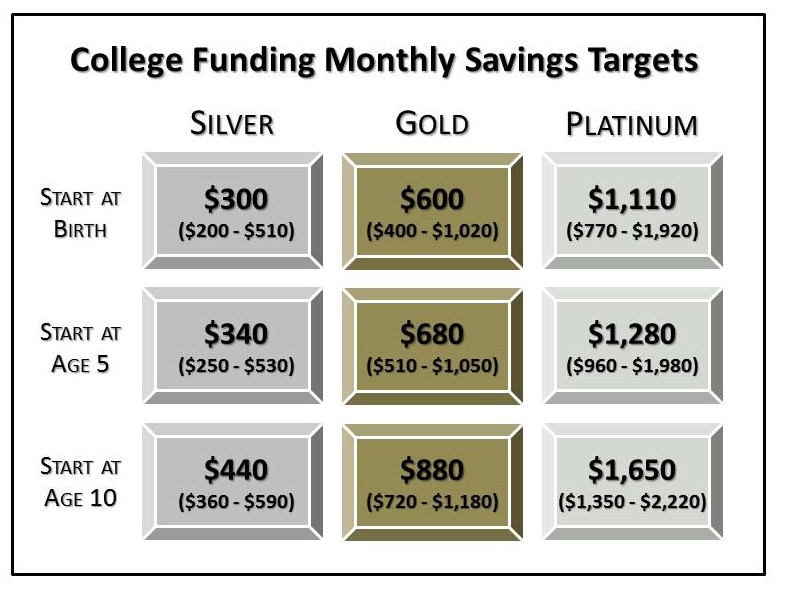
The first step in proactive planning is to set clear, realistic savings goals. Research the estimated costs of colleges you or your child might attend, considering both tuition and living expenses. Factor in potential inflation over the years leading up to enrollment. While it might be daunting to save the entire amount, aiming to cover a significant portion can make a huge difference. Tools like college cost calculators and financial planning worksheets can help you project future expenses and determine a monthly or bi-weekly savings target. Start with what you can comfortably contribute and gradually increase it as your income grows or other financial obligations decrease.
Leveraging Tax-Advantaged Accounts (529 Plans, Coverdell ESAs)
The government offers incentives to encourage college savings, primarily through tax-advantaged accounts. 529 plans are arguably the most popular and flexible. Contributions grow tax-free, and withdrawals are tax-free when used for qualified education expenses. Many states also offer state income tax deductions or credits for contributions. These plans are owned by the parent or saver, and the beneficiary can be changed if needed. Coverdell Education Savings Accounts (ESAs) offer similar tax advantages but come with income limitations for contributors and lower annual contribution limits. For families with younger children, these accounts are powerful vehicles for growth, allowing your savings to work harder for you without being eroded by annual taxes.
The Power of Compounding: Starting Early
The magic of compound interest is a powerful ally in college savings. The earlier you start allocating a portion of your paycheck, the more time your investments have to grow exponentially. Even small, consistent contributions made over many years can accumulate into a substantial sum. For instance, saving $200 a month for 18 years, assuming a modest average annual return of 7%, could yield over $80,000. Delaying savings by even a few years can drastically reduce the final amount or require significantly higher monthly contributions to reach the same goal. This underscores the importance of integrating college savings into your paycheck allocation as early as possible.
Incorporating Savings into Your Monthly Budget
To ensure consistent savings, treat your college fund contribution like any other essential bill. Automate transfers from your checking account to your 529 plan or savings account immediately after each paycheck. This “pay yourself first” approach prevents you from spending the money before you’ve saved it. Review your overall budget to identify areas where you might cut back slightly to free up more funds for college savings – perhaps eating out less often, reducing subscription services, or finding more affordable entertainment options. Every dollar saved today is a dollar less potentially borrowed tomorrow.
Navigating Current College Payments: Strategic Paycheck Management
For individuals currently enrolled in college or parents supporting a student, managing ongoing college payments directly from a paycheck requires careful strategy to minimize debt accumulation and maximize available resources.
Direct Contributions vs. Loan Reliance
When faced with tuition bills, the choice often comes down to paying from current income/savings or taking out loans. While loans are often necessary, minimizing their reliance should be a priority. If you or your parents are earning a steady income, consider how much can be directly contributed from each paycheck to cover tuition, fees, or living expenses. Direct payments avoid interest accumulation, saving significant money in the long run. If a large payment is due, consider setting aside a percentage of each paycheck into a dedicated high-yield savings account throughout the semester to make the payment less burdensome when it arrives.
Maximizing Financial Aid and Scholarships
Before committing paycheck funds, exhaust all avenues of “free money” – grants and scholarships. Fill out the Free Application for Federal Student Aid (FAFSA) every year, as it’s the gateway to federal, state, and institutional aid. Actively search for scholarships based on academics, extracurriculars, demographics, community service, or unique talents. Every dollar received in grants or scholarships is a dollar that doesn’t need to come from your paycheck or be borrowed. This significantly reduces the overall financial burden and the amount you need to allocate from your income.
Budgeting for Tuition, Fees, and Living Expenses
Current students and their families need a comprehensive budget that goes beyond just tuition. Factor in all associated costs: room and board (on or off-campus), textbooks, school supplies, transportation, health insurance, and personal spending money. If you’re a working student, determine how much of your paycheck needs to be allocated to cover these specific categories after any financial aid has been applied. Parents contributing should clearly define their commitment and how it aligns with their paycheck allocation, communicating transparently with the student. This detailed budgeting prevents surprises and ensures steady progress towards covering costs.
Balancing Parent Contributions with Student Responsibility
For parents, deciding how much to contribute from their paycheck is a critical decision. It’s important to balance supporting your child with maintaining your own financial stability, especially for retirement. Some families adopt a shared responsibility model, where parents cover tuition and fees, and the student manages living expenses through part-time work or smaller loans. For students working while in college, learning to allocate a portion of their earnings towards their education instills valuable financial literacy and a sense of ownership, preparing them for post-graduation financial management.
Post-Graduation Realities: Dedicating Your Paycheck to Student Loan Repayment
Once you’ve graduated, the focus shifts from paying for college to paying off college. Student loan debt can be a significant drag on a paycheck, but with a strategic approach, it can be managed effectively.
Understanding Your Loan Landscape (Federal vs. Private)
The first step in effective repayment is knowing exactly what you owe. Differentiate between federal and private student loans. Federal loans often come with more flexible repayment options, including income-driven plans, deferment, and forbearance. Private loans typically have fewer protections and often higher, variable interest rates. Understand your principal balance, interest rates, and loan servicers for each loan. This clarity allows you to prioritize repayment strategies, often focusing on high-interest private loans first, while exploring federal loan benefits.
Choosing the Right Repayment Plan (Standard, Income-Driven, Graduated)
Federal student loan borrowers have several repayment plan options. The Standard Repayment Plan offers fixed monthly payments over 10 years, minimizing total interest paid. Income-Driven Repayment (IDR) plans (such as REPAYE, PAYE, IBR, ICR) adjust your monthly payments based on your income and family size, typically capping payments at an affordable percentage of your discretionary income. These plans can offer relief during periods of low income but may extend the repayment period, potentially increasing total interest. Graduated Repayment Plans start with lower payments that gradually increase over time. Choosing the right plan is crucial for managing your monthly paycheck allocation – IDR plans might free up cash flow for other goals, while a standard plan might be best for those looking to pay off debt quickly.
Accelerating Repayment: Beyond the Minimums
If your budget allows, making more than the minimum payment is the fastest way to reduce interest paid and shorten your repayment timeline. Even an extra $50 or $100 per month can make a significant difference over the life of a loan. When making extra payments, instruct your loan servicer to apply the additional funds directly to the principal of the loan with the highest interest rate (known as the “debt snowball” or “debt avalanche” method). This strategy maximizes savings on interest. Consider allocating bonuses, tax refunds, or unexpected windfalls directly towards your loan principal to accelerate your progress.
Strategies for Loan Refinancing and Consolidation
Loan consolidation combines multiple federal loans into a single new federal loan, often with a weighted average interest rate and sometimes access to different repayment plans. It simplifies payments but doesn’t necessarily reduce interest. Loan refinancing, on the other hand, involves taking out a new private loan to pay off existing federal and/or private loans. This is often done to secure a lower interest rate, which can significantly reduce your monthly payment and/or the total interest paid. However, refinancing federal loans into a private loan means forfeiting federal benefits like income-driven repayment and forgiveness programs. Evaluate this option carefully, especially if you have stable employment and a good credit score.
Integrating College Finance into Your Holistic Financial Picture
Managing college-related costs is rarely an isolated financial task. It must be woven into the fabric of your broader financial plan, considering all other life goals and responsibilities.
The “Big Picture” Budget: Beyond College
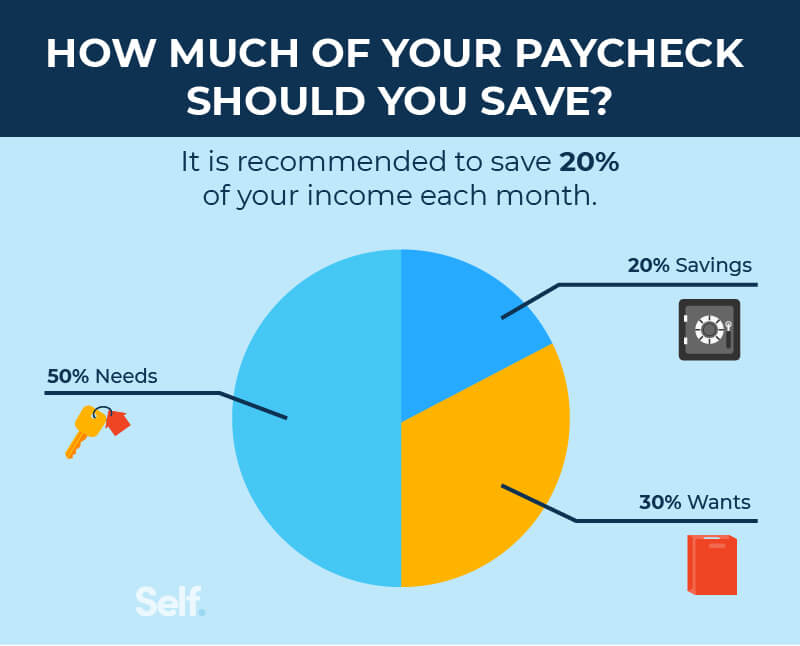
Your paycheck is a finite resource, and every dollar has a job. While college costs are important, they are not your only financial responsibility. Create a comprehensive budget that encompasses all income and expenses. This includes essential living costs (housing, food, utilities), transportation, insurance, healthcare, and discretionary spending. Within this budget, clearly define how much of your paycheck is allocated to college savings or loan repayment, and how that allocation interacts with other critical financial goals. A holistic view ensures that you’re not sacrificing one crucial area for another, but rather managing them in tandem.
Prioritizing Financial Goals: Retirement, Homeownership, Emergency Funds
The question of how much of your paycheck to allocate towards college often involves prioritizing among competing financial goals. For parents saving for college, balancing college savings with retirement contributions is paramount; generally, it’s advised to prioritize retirement savings first, as you cannot get a loan for retirement. For graduates, paying down student loans while also building an emergency fund, saving for a down payment on a home, or contributing to a 401(k) requires careful consideration. A common strategy is to ensure an emergency fund (3-6 months of living expenses) is established first, then maximize employer 401(k) match, and then decide on the optimal balance between aggressive debt repayment and other savings/investments.
Regular Review and Adjustment of Your College Financial Strategy
Financial circumstances are rarely static. Your income might increase, expenses might change, or interest rates could shift. Therefore, your college financial strategy should not be set in stone. Regularly (at least annually) review your budget, savings progress, and loan repayment plan. Are you on track with your savings goals? Is your current loan repayment plan still the most suitable? Are there opportunities to refinance or consolidate for better terms? Adjust your paycheck allocations as needed to reflect new realities and keep your financial plan aligned with your evolving goals.
Seeking Professional Financial Guidance
Navigating the complexities of college finance can be overwhelming. A qualified financial advisor can provide personalized guidance, helping you assess your current situation, set realistic goals, and develop a comprehensive plan for allocating your paycheck towards college-related expenses. They can offer insights into investment vehicles, tax implications, and debt management strategies that might not be immediately obvious. Investing in professional advice can ultimately save you money and stress, ensuring you make informed decisions that align with your long-term financial well-being.
In conclusion, how much of your paycheck you should allocate towards college is a dynamic question with no single answer. It depends on your life stage, income, other financial obligations, and specific educational goals. By understanding the costs, proactively planning for savings, strategically managing current payments, effectively repaying loans, and integrating these efforts into a holistic financial plan, you can confidently navigate the financial landscape of higher education and optimize your paycheck for a secure financial future.
aViewFromTheCave is a participant in the Amazon Services LLC Associates Program, an affiliate advertising program designed to provide a means for sites to earn advertising fees by advertising and linking to Amazon.com. Amazon, the Amazon logo, AmazonSupply, and the AmazonSupply logo are trademarks of Amazon.com, Inc. or its affiliates. As an Amazon Associate we earn affiliate commissions from qualifying purchases.