
In the intricate dance of modern finance, whether personal or corporate, the budget stands as a steadfast partner, guiding steps and illuminating paths. Far from being a restrictive chore, a budget is a powerful financial tool, a roadmap, and a strategic blueprint that serves a multitude of critical purposes. It transforms vague financial aspirations into actionable plans, offering clarity, control, and the potent ability to shape one’s financial destiny. From the individual managing household expenses to the multinational corporation optimizing its resources, understanding the core purposes of a budget is fundamental to achieving sustained financial health and growth.
The Foundation of Financial Control
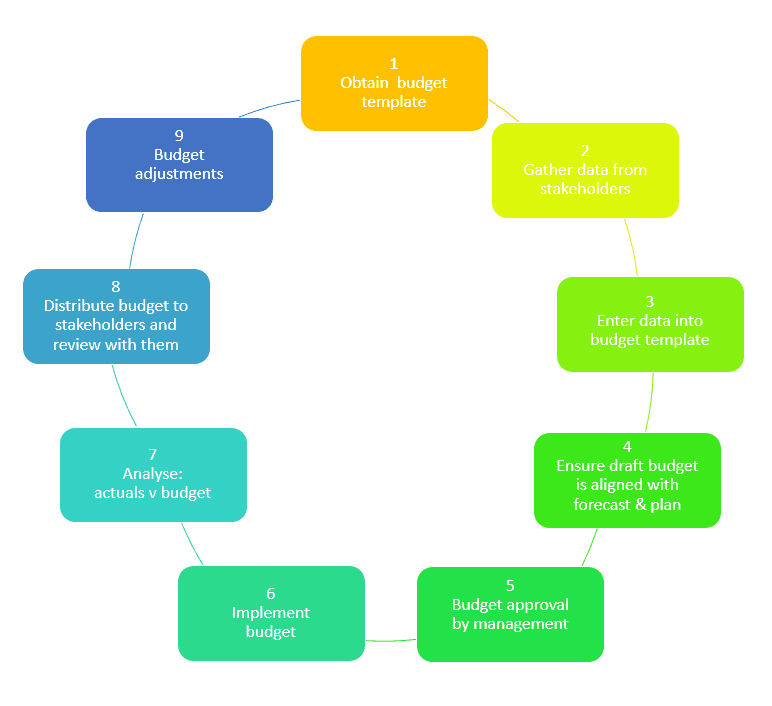
At its heart, a budget is an instrument of control. It brings order to what can often feel like chaotic financial flows, giving individuals and organizations a firm grip on their economic realities. This foundational purpose is about more than just numbers; it’s about empowerment and taking an active role in one’s financial life.
Gaining Clarity on Income and Expenses
One of the most immediate and profound purposes of a budget is to provide crystal-clear visibility into one’s financial inflows and outflows. Many people operate with a general sense of their financial situation, but a budget forces a meticulous accounting. It categorizes income sources, distinguishing between primary salaries, side hustles, investment returns, or business revenues. Crucially, it dissects expenses, breaking them down into fixed costs (rent, loan payments, subscriptions) and variable costs (groceries, entertainment, transport). This detailed breakdown often reveals surprising patterns, highlighting areas where money is spent unconsciously or inefficiently. For businesses, this clarity extends to understanding operational costs, sales revenue streams, and profit margins, which are essential for strategic planning and identifying cost-saving opportunities. Without this fundamental understanding, financial decisions are often made in the dark, leading to inefficiency and missed opportunities.
Preventing Overspending and Debt Accumulation
A direct consequence of gaining clarity is the ability to actively prevent overspending. By setting limits on various spending categories, a budget acts as a proactive defense mechanism against impulse purchases and lifestyle creep. It encourages conscious decision-making before a transaction occurs, rather than regret afterward. For individuals, this means avoiding the common trap of spending more than they earn, which inevitably leads to relying on credit cards and accumulating high-interest debt. For businesses, it means staying within operational expenditure limits, avoiding unnecessary capital outlays, and ensuring that projected revenues can comfortably cover costs. This preventive measure is crucial for maintaining financial stability, reducing stress, and freeing up resources that would otherwise be consumed by debt repayment. It shifts the mindset from reactive damage control to proactive financial management, fostering a healthier relationship with money.
Tracking Progress Towards Financial Goals
Perhaps one of the most motivating purposes of a budget is its role in tracking progress toward financial goals. Whether the ambition is saving for a down payment on a house, funding a child’s education, retiring early, expanding a business, or launching a new product line, a budget transforms these abstract desires into tangible milestones. By allocating specific portions of income towards savings or investment goals, the budget provides a measurable path. Regular reviews allow individuals and businesses to see how close they are to achieving these targets, identify any shortfalls, and make necessary adjustments. This ongoing feedback loop is incredibly powerful, providing tangible evidence of progress, which in turn fuels motivation and reinforces positive financial habits. It turns the dream into a project with clear metrics, transforming “I want to save” into “I have saved X amount towards Y goal this month.”
Strategic Allocation for Future Growth
Beyond mere control, a budget serves as a strategic instrument for growth and future planning. It’s about more than just where money goes today; it’s about intentionally directing resources to build a more secure and prosperous tomorrow.
Enabling Savings and Investment
One of the primary strategic purposes of a budget is to facilitate consistent savings and intelligent investment. Many people struggle to save not because they don’t earn enough, but because they lack a defined plan for their surplus. A budget rectifies this by making saving an intentional line item, treating it as an essential expense rather than an optional leftover. It can earmark funds for various types of savings – emergency funds, short-term goals, or long-term retirement accounts. For businesses, this translates to retaining earnings for reinvestment, building cash reserves, or funding research and development. By systematically setting aside capital, a budget creates the bedrock for wealth accumulation, allowing individuals to leverage the power of compound interest and enabling businesses to finance their expansion without excessive reliance on external debt. It’s the engine that powers financial independence and sustainable growth.
Planning for Major Purchases and Life Events
Life is full of significant milestones and expenses: a wedding, a car, a home renovation, a child’s college tuition, or an unexpected medical event. For businesses, this could involve new equipment, facility upgrades, or market expansion. A budget is indispensable for planning these major purchases and life events. It allows for foresight, enabling individuals and organizations to forecast future needs and gradually accumulate the necessary funds without resorting to high-interest loans or depleting essential savings. By creating specific savings categories within the budget, these large expenditures become manageable, predictable parts of the financial landscape rather than sudden, overwhelming shocks. This proactive planning reduces financial stress and ensures that significant life decisions can be made from a position of strength, not desperation.
Mitigating Financial Risks and Emergencies
Life is unpredictable, and financial emergencies are an unfortunate reality. Job loss, unexpected medical bills, car repairs, or natural disasters can wreak havoc on finances if adequate precautions haven’t been taken. A critical purpose of a budget is to build resilience against such unforeseen circumstances. By allocating funds to an emergency savings account, the budget provides a financial safety net, preventing these events from spiraling into full-blown crises or forcing reliance on high-cost debt. For businesses, this involves maintaining adequate cash reserves, creating contingency funds, and conducting scenario planning to prepare for economic downturns or operational disruptions. This risk mitigation aspect of budgeting is not about expecting the worst, but about ensuring stability and continuity regardless of what the future holds, providing peace of mind and protecting long-term financial health.
Empowering Decision-Making and Accountability
A budget is more than a static document; it’s a dynamic tool that fosters a culture of informed decision-making and promotes accountability, both individually and within collaborative financial units.
Making Informed Spending Choices
With a clear picture of income, expenses, and financial goals, a budget empowers individuals and businesses to make more informed spending choices. Instead of blindly spending, every purchase becomes a conscious decision evaluated against budgetary constraints and overarching financial objectives. Is this discretionary purchase aligned with my values and goals, or would that money be better allocated towards savings or debt reduction? For a business, it prompts questions about the return on investment for marketing campaigns, the necessity of certain operational expenses, or the strategic advantage of a capital expenditure. This level of intentionality leads to a more efficient use of resources, reduces wasteful spending, and ensures that financial decisions are always working towards desired outcomes, rather than against them. It transforms spending from an automatic habit into a deliberate act.
Fostering Financial Discipline
Adhering to a budget requires and cultivates financial discipline. It’s a continuous exercise in self-control and delayed gratification. Initially, this can be challenging, but over time, consistent budgeting builds strong financial habits. It teaches individuals to live within their means, prioritize needs over wants, and resist the temptation of instant gratification. For businesses, it instills a culture of cost-consciousness, efficiency, and responsible resource management across all departments. This discipline is not about deprivation; it’s about conscious choice and aligning daily actions with long-term aspirations. The consistent practice of budgeting strengthens financial willpower, leading to greater confidence and a more secure financial future, transforming sporadic efforts into sustainable, positive behaviors.
Improving Communication in Households and Businesses
In shared financial environments, such as households or businesses, a budget serves as an invaluable tool for improving communication and fostering alignment. For couples or families, it provides a neutral framework for discussing money, setting shared goals, and assigning responsibilities, reducing potential conflict arising from financial misunderstandings. For businesses, a budget facilitates communication between departments, ensuring that marketing, sales, operations, and finance teams are all working towards common financial objectives. It clarifies expectations, highlights interdependencies, and promotes a unified approach to resource allocation. Regular budget reviews become opportunities for constructive dialogue, problem-solving, and celebrating collective financial achievements, strengthening relationships and organizational cohesion.
Budgets in Business: Beyond Personal Finance
While many of the core principles remain the same, budgets in a business context have expanded purposes, serving as critical instruments for operational guidance, strategic planning, and performance evaluation on a larger, more complex scale.
Guiding Operational and Strategic Planning
For businesses, the budget is far more than just a financial statement; it’s a living document that guides both day-to-day operations and long-term strategic initiatives. Operationally, it dictates how much can be spent on manufacturing, marketing, human resources, and administration. Strategically, it allocates funds for research and development, market expansion, capital investments, and mergers or acquisitions. A well-crafted business budget translates the company’s vision and goals into measurable financial terms, ensuring that resources are aligned with strategic priorities. It helps management to anticipate future needs, identify potential bottlenecks, and make informed decisions about resource deployment, product development, and market entry, providing a clear financial roadmap for achieving organizational objectives.
Resource Optimization and Cost Management
A key purpose of a business budget is to optimize the allocation and utilization of resources while meticulously managing costs. It compels management to scrutinize every expense, identifying areas of inefficiency or wasteful spending. By setting specific spending limits for departments and projects, it encourages managers to find the most cost-effective ways to achieve their goals without compromising quality or strategic intent. This includes negotiating better deals with suppliers, streamlining processes, and investing in technologies that enhance productivity. The budget also helps in prioritizing investments, ensuring that capital is directed towards initiatives with the highest potential return. This continuous focus on optimization ensures that the business operates leanly and efficiently, maximizing profitability and competitive advantage.
Performance Evaluation and Forecasting
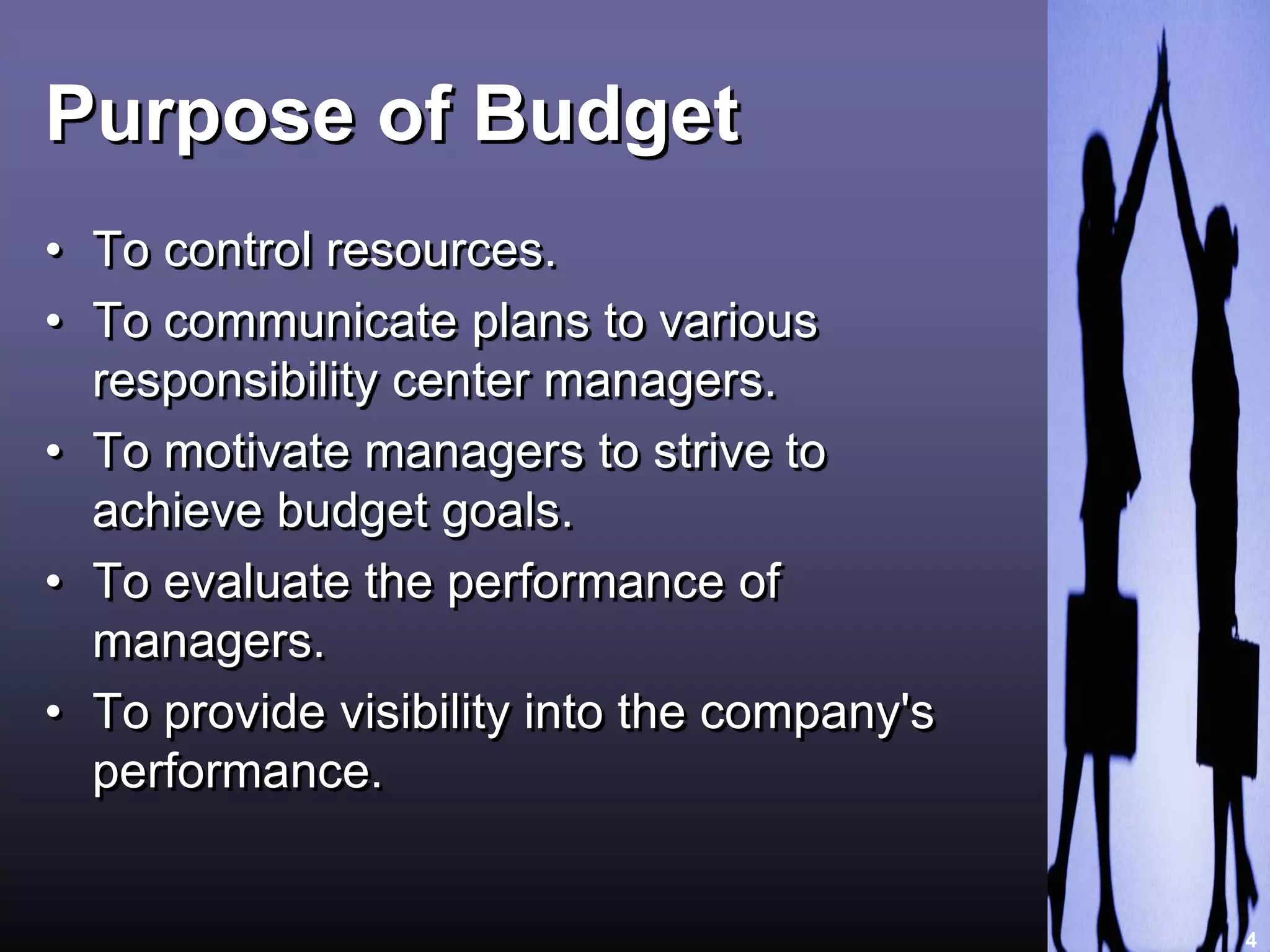
Finally, a business budget serves as a crucial benchmark for performance evaluation and future forecasting. By comparing actual financial results against budgeted figures, management can assess departmental and organizational performance, identifying variances and understanding their root causes. This allows for corrective actions to be taken promptly. Furthermore, the budget is an essential tool for forecasting future financial performance. Based on historical data, current market conditions, and strategic plans, it helps in projecting revenues, expenses, and profits, which are vital for investor relations, securing financing, and making long-term business decisions. It provides a structured framework for accountability, holding managers responsible for their financial targets and fostering a data-driven approach to management.
Conclusion
In essence, a budget is not merely an accounting exercise but a multifaceted financial instrument with profound purposes. It brings order through clarity and control, enables growth through strategic allocation, empowers individuals and organizations through informed decision-making and discipline, and guides businesses towards operational excellence and sustained profitability. Far from being a stifling constraint, a budget is a liberator, providing the structure and insight necessary to navigate the complexities of financial life, achieve ambitious goals, and build a secure and prosperous future. Embracing the budgeting process is, therefore, not just a matter of good financial practice, but a fundamental step towards mastering one’s economic destiny.
aViewFromTheCave is a participant in the Amazon Services LLC Associates Program, an affiliate advertising program designed to provide a means for sites to earn advertising fees by advertising and linking to Amazon.com. Amazon, the Amazon logo, AmazonSupply, and the AmazonSupply logo are trademarks of Amazon.com, Inc. or its affiliates. As an Amazon Associate we earn affiliate commissions from qualifying purchases.