
In a world brimming with financial complexities, understanding and actively managing your money isn’t just a desirable skill—it’s an essential life pillar. From daily expenses to long-term wealth creation, how you approach your finances dictates your financial freedom, security, and the realization of your life goals. This isn’t merely about cutting costs; it’s about intentional decision-making, strategic planning, and cultivating habits that foster a healthy financial future. This article delves into the core principles and actionable strategies for effective money management, empowering you to take control of your financial destiny.
The Foundation of Effective Money Management
Before you can build a towering financial empire, you must lay a strong foundation. This involves gaining clarity on your current financial standing and articulating where you want to go. Without this fundamental understanding, any efforts to manage money will likely be haphazard and unsustainable.

Understanding Your Financial Landscape: Income, Expenses, and Debts
The first step in any robust money management strategy is to conduct a thorough audit of your current financial situation. This means meticulously tracking where your money comes from and where it goes.
- Income: Catalog all sources of income, including your primary salary, freelance earnings, rental income, dividends, or any other regular inflows. Understand your net income (after taxes and deductions), as this is the real money you have to work with.
- Expenses: This is often the most revealing part of the audit. Track every single expense for at least a month, categorizing them into fixed (rent, loan payments, subscriptions) and variable (groceries, entertainment, dining out). Many people are surprised to discover how much they spend on discretionary items. Tools like budgeting apps, spreadsheets, or even a simple notebook can be invaluable here.
- Debts: List all outstanding debts—credit cards, student loans, car loans, mortgages, personal loans. For each debt, note the outstanding balance, interest rate, and minimum monthly payment. High-interest debt, particularly credit card debt, can be a significant drain on your financial health and requires immediate attention.
This comprehensive overview provides a realistic snapshot of your financial reality, highlighting areas of strength and, more importantly, areas needing improvement.
Setting Clear Financial Goals: Short-term, Mid-term, and Long-term
Once you understand your current situation, the next crucial step is to define your financial aspirations. Goals provide direction, motivation, and a framework for your financial decisions. Without clear goals, saving can feel pointless, and spending can become uncontrolled.
- Short-term Goals (0-1 year): These might include building an emergency fund (3-6 months of living expenses), paying off a small credit card balance, saving for a down payment on a new appliance, or a short vacation.
- Mid-term Goals (1-5 years): Examples often include saving for a car down payment, a larger vacation, a home renovation, or a significant portion of a down payment for a house.
- Long-term Goals (5+ years): These are typically life-altering objectives such as buying a home, funding a child’s education, early retirement, or substantial wealth accumulation.
Ensure your goals are SMART: Specific, Measurable, Achievable, Relevant, and Time-bound. For instance, instead of “save money,” aim for “save $10,000 for a down payment on a car in 2 years.” Assigning a dollar amount and a deadline makes goals tangible and actionable.
The Power of Budgeting: More Than Just Tracking
Budgeting is often perceived as restrictive, but it’s fundamentally about empowerment. It’s giving every dollar a job, ensuring your spending aligns with your values and goals. A budget is a forward-looking plan for how you will spend and save your income.
Popular budgeting methods include:
- The 50/30/20 Rule: 50% of your income goes to Needs (housing, utilities, groceries), 30% to Wants (entertainment, dining out, hobbies), and 20% to Savings and Debt Repayment. This is a simple, effective framework for many.
- Zero-Based Budgeting: Every dollar of your income is assigned to a specific category (expense, saving, debt repayment) until your income minus your expenses equals zero. This ensures intentionality with every cent.
- Envelope System: For cash spenders, physical envelopes are labeled for different spending categories (groceries, entertainment). Once the cash in an envelope is gone, you stop spending in that category until the next pay period.
Regardless of the method, the key is consistency and flexibility. A budget is a living document that needs to be reviewed and adjusted as your income, expenses, and goals change.
Building Financial Resilience and Growth
Once you have a handle on your current finances and a clear direction, the next phase involves strategies to protect your financial health and actively grow your wealth. This is where you move from just knowing to actively doing.
Establishing an Emergency Fund: Your Financial Safety Net
An emergency fund is paramount. It’s a dedicated savings account holding easily accessible cash, specifically for unforeseen circumstances like job loss, medical emergencies, or significant home/car repairs. Without an emergency fund, unexpected events often force people into high-interest debt, setting back their financial progress significantly.
- Target: Aim for at least 3-6 months’ worth of essential living expenses. For those with unstable income or high dependents, 6-12 months might be more appropriate.
- Location: Keep this money in a separate, high-yield savings account (HYSA) so it earns a bit of interest but remains distinct from your everyday checking account and is readily available.
- Prioritization: Building this fund should be one of your top financial priorities, even before aggressive investing or extensive debt repayment, as it provides a critical buffer against life’s uncertainties.
Tackling Debt Strategically: High-interest, Snowball/Avalanche Methods
Debt can be a heavy burden, hindering your ability to save and invest. A strategic approach to debt repayment is crucial.
- High-Interest Debt First: Prioritize paying down high-interest debts, especially credit cards, as quickly as possible. The interest accrual on these can negate any savings efforts.
- Debt Snowball Method: You pay the minimum on all debts except the smallest one, which you attack with all extra funds. Once the smallest is paid off, you roll that payment amount into the next smallest debt, creating a “snowball” effect. This method provides psychological wins and motivation.
- Debt Avalanche Method: You pay the minimum on all debts except the one with the highest interest rate, to which you direct all extra funds. Once that’s paid, you move to the next highest interest rate. This method saves you the most money in interest over time.
Choose the method that best suits your personality and provides the most motivation to stick with it. The objective is to eliminate consumer debt efficiently.
Smart Investing for Long-Term Wealth: Diversification, Risk Tolerance, Types of Investments
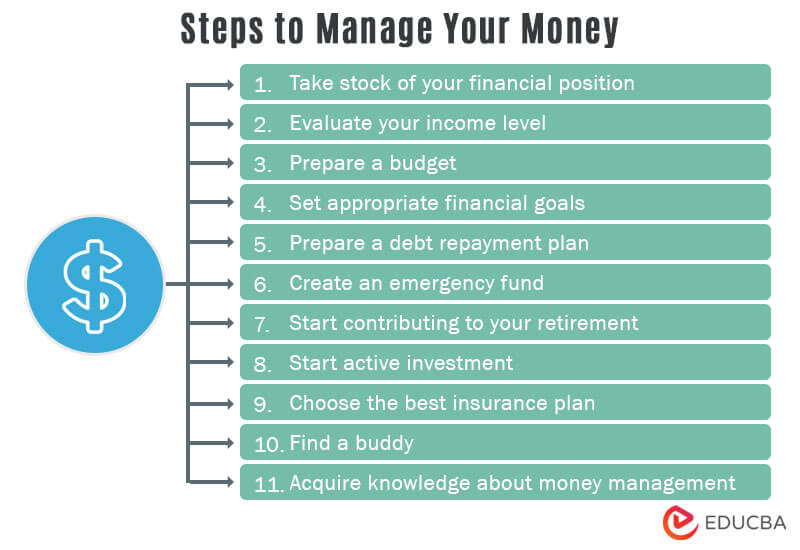
Investing is where your money starts working for you, generating more money over time. It’s crucial for achieving long-term goals like retirement or significant asset accumulation.
- Start Early: The power of compound interest is immense. Even small, consistent contributions over a long period can grow into substantial sums.
- Understand Your Risk Tolerance: Are you comfortable with market fluctuations for potentially higher returns, or do you prefer more stability even if returns are lower? Your risk tolerance should guide your investment choices.
- Diversification: Don’t put all your eggs in one basket. Spread your investments across different asset classes (stocks, bonds, real estate, mutual funds, ETFs) to mitigate risk.
- Types of Investments:
- Stocks: Represent ownership in companies; offer potential for high returns but also higher risk.
- Bonds: Loans to governments or corporations; generally lower risk than stocks but also lower returns.
- Mutual Funds & ETFs: Professionally managed portfolios of stocks, bonds, or other assets, offering diversification.
- Retirement Accounts (401k, IRA): Tax-advantaged accounts specifically designed for retirement savings, often with employer matching contributions, which are essentially free money.
- Real Estate: Can provide rental income and appreciation, but requires significant capital and management.
Educate yourself continuously, consider consulting a financial advisor, and avoid speculative investments unless you fully understand the risks involved.
Leveraging Tools and Strategies for Smarter Money Habits
In the digital age, managing money has become more accessible and efficient than ever before. Leveraging the right tools and strategies can automate good habits and simplify financial oversight.
Digital Financial Tools and Apps
Technology has revolutionized how we interact with our money.
- Budgeting Apps (e.g., Mint, YNAB, Personal Capital): These apps connect to your bank accounts, credit cards, and investment portfolios, providing a real-time overview of your spending, net worth, and budget adherence. They can automate expense categorization and offer insights into your financial habits.
- Robo-Advisors (e.g., Betterment, Wealthfront): For those new to investing or who prefer a hands-off approach, robo-advisors offer automated, low-cost investment management based on your risk tolerance and financial goals.
- Banking Apps: Most banks offer sophisticated apps that allow you to track transactions, transfer money, pay bills, and set up savings goals directly from your smartphone.
These tools reduce the manual effort of money management, making it easier to stay on track and identify areas for improvement.
Automating Your Finances: Savings, Investments, and Bill Payments
One of the most powerful strategies for effective money management is automation. By setting up automatic transfers and payments, you remove the need for conscious decision-making, ensuring consistency and discipline.
- Automated Savings: Set up automatic transfers from your checking account to your savings account (including your emergency fund) immediately after you get paid. “Pay yourself first” ensures your savings are prioritized.
- Automated Investments: Schedule regular contributions to your retirement accounts (401k, IRA) and other investment vehicles. Consistent, automated investing, known as dollar-cost averaging, can mitigate risk by averaging out your purchase price over time.
- Automated Bill Payments: Set up recurring payments for fixed expenses like rent, mortgage, utilities, and loan payments to avoid late fees and manage cash flow more predictably.
Automation reduces procrastination, builds financial discipline, and ensures your money is working towards your goals without constant intervention.
Regular Financial Reviews and Adjustments
Money management is not a set-it-and-forget-it task. Your financial situation, goals, and the economic landscape will evolve. Regular reviews are essential to keep your plan relevant and effective.
- Monthly Check-ins: Review your budget, track your spending against your plan, and assess progress towards short-term goals. Make small adjustments as needed.
- Quarterly Reviews: Take a broader look at your investments, debt repayment progress, and emergency fund status. Are you on track for mid-term goals?
- Annual Financial Health Check: Conduct a comprehensive review of your entire financial picture. This includes re-evaluating your financial goals, reviewing your investment portfolio’s performance, checking your credit report, reviewing insurance policies, and updating your will or estate plan if necessary. Adjust your budget and investment strategy to reflect significant life changes (e.g., new job, marriage, children, home purchase).
This iterative process ensures your money management strategy remains dynamic and responsive to your evolving life.
Cultivating a Healthy Money Mindset
Beyond the mechanics of budgeting and investing, the psychological aspect of money plays a significant role in your financial success. A healthy money mindset is about understanding your relationship with money and developing positive financial behaviors.
Overcoming Financial Procrastination
Many people postpone dealing with their finances, often due to fear, overwhelm, or simply a lack of motivation. Financial procrastination can lead to missed opportunities, accumulated debt, and heightened stress.
- Break It Down: Instead of tackling everything at once, break down tasks into small, manageable steps (e.g., “spend 15 minutes reviewing bank statements” instead of “create a full budget”).
- Start Small: Begin with one easy win, like setting up an automatic transfer of $25 to savings. Success breeds motivation.
- Educate Yourself: The more you understand, the less intimidating finance becomes. Read books, listen to podcasts, and follow reputable financial blogs.
Continuous Learning and Adapting
The financial world is constantly changing. New investment opportunities, economic shifts, and evolving tax laws mean that what worked yesterday might not be optimal tomorrow.
- Stay Informed: Follow financial news, understand economic indicators, and keep an eye on market trends.
- Be Flexible: Your financial plan should be adaptable. A rigid plan that doesn’t account for life’s inevitable changes is doomed to fail.
- Seek Advice: Don’t hesitate to consult with financial professionals (fiduciaries preferred) for complex issues or when making significant financial decisions.

The Psychological Aspect of Spending and Saving
Our emotions, biases, and ingrained beliefs profoundly influence how we spend and save.
- Identify Triggers: Understand what prompts impulsive spending or financial avoidance. Is it stress, boredom, social pressure, or advertising?
- Practice Delayed Gratification: The ability to resist immediate rewards for greater long-term benefits is a cornerstone of financial success.
- Celebrate Small Wins: Acknowledge and celebrate progress, no matter how small. This reinforces positive behaviors and keeps you motivated on your financial journey.
- Shift Your Perspective: View money not as a source of stress or limitation, but as a tool that provides choices, security, and the ability to achieve your dreams.
Effective money management is a journey, not a destination. It requires diligence, continuous learning, and a willingness to adapt. By mastering these foundational principles, leveraging available tools, and cultivating a healthy money mindset, you can navigate your financial life with confidence, build substantial wealth, and achieve the financial freedom you desire. The question isn’t just “how do you manage your money,” but “how will you empower your future through disciplined and insightful financial stewardship?” The answer lies in the actionable steps you take today.
aViewFromTheCave is a participant in the Amazon Services LLC Associates Program, an affiliate advertising program designed to provide a means for sites to earn advertising fees by advertising and linking to Amazon.com. Amazon, the Amazon logo, AmazonSupply, and the AmazonSupply logo are trademarks of Amazon.com, Inc. or its affiliates. As an Amazon Associate we earn affiliate commissions from qualifying purchases.