
In an unpredictable world, financial stability often feels like an elusive dream, yet it’s a goal within reach for anyone willing to master one fundamental practice: budgeting. A budget is more than just a ledger; it’s a powerful financial blueprint, a strategic roadmap that guides your spending, saving, and investing decisions, ultimately empowering you to achieve your most ambitious financial aspirations. Whether you’re grappling with debt, saving for a down payment, planning for retirement, or simply seeking peace of mind, establishing a robust budget is the indispensable first step.
Many perceive budgeting as a restrictive chore, a punitive measure designed to strip away life’s pleasures. This couldn’t be further from the truth. Properly executed, a budget is a tool of liberation, providing clarity, control, and confidence. It shifts the narrative from guessing where your money goes to intentionally directing it towards what truly matters to you. This comprehensive guide will demystify the process of establishing a budget, offering actionable steps, practical strategies, and the insights needed to transform your financial future.
Why Budgeting is Non-Negotiable for Financial Success
Before diving into the mechanics, it’s crucial to understand the profound impact a well-crafted budget can have on your financial landscape and overall well-being. Budgeting isn’t just about cutting costs; it’s about strategic financial management and conscious decision-making.
Gaining Control and Clarity
One of the most immediate benefits of budgeting is the unparalleled sense of control it provides. Without a budget, your money often feels like it’s slipping through your fingers, leaving you wondering where it all went. A budget shines a light on your financial situation, allowing you to see exactly how much income you have and precisely where every dollar is allocated. This clarity empowers you to make informed decisions rather than reactive ones, transforming financial uncertainty into confident stewardship. You move from a reactive stance, constantly trying to catch up, to a proactive position, dictating your financial trajectory. This control extends beyond mere numbers; it translates into a greater sense of security and peace regarding your financial future.
Achieving Financial Goals
Every significant financial milestone, from buying a home to launching a business or securing a comfortable retirement, is built upon a foundation of deliberate financial planning. A budget is the scaffolding for these dreams. By meticulously tracking income and expenses, you can identify areas where you can save more, allocate funds more effectively, and accelerate your progress towards specific objectives. Whether your goal is to eliminate high-interest credit card debt, build an emergency fund, or save for a child’s education, a budget provides the structure necessary to turn abstract desires into tangible achievements. It quantifies your goals, allowing you to break them down into manageable, monthly targets.
Reducing Stress and Anxiety
Financial stress is a leading cause of anxiety for many individuals and families. The unknown, the unexpected bill, or the nagging feeling of not having enough can be incredibly draining. A budget acts as a powerful antidote to this stress. By understanding your cash flow and having a clear plan for your money, you eliminate much of the guesswork and fear associated with finances. Knowing that you have accounted for your expenses, planned for savings, and have a strategy for unexpected costs provides immense psychological relief. This financial clarity translates into mental well-being, allowing you to focus on other aspects of your life without the constant shadow of money worries.
Identifying and Curbing Wasteful Spending
Many people underestimate the cumulative impact of small, seemingly insignificant expenditures. Daily coffees, subscription services you no longer use, or impulse purchases can silently erode your financial health. A budget forces you to confront these “silent killers” of savings. As you categorize and review your spending, you’ll inevitably uncover areas where money is being spent inefficiently or on things that don’t align with your values or goals. This awareness is the first step towards behavioral change. A budget provides the framework to consciously reallocate those funds towards more meaningful purposes, whether it’s paying down debt, boosting your emergency fund, or investing in experiences that truly enrich your life.
The Essential Steps to Building Your Budget
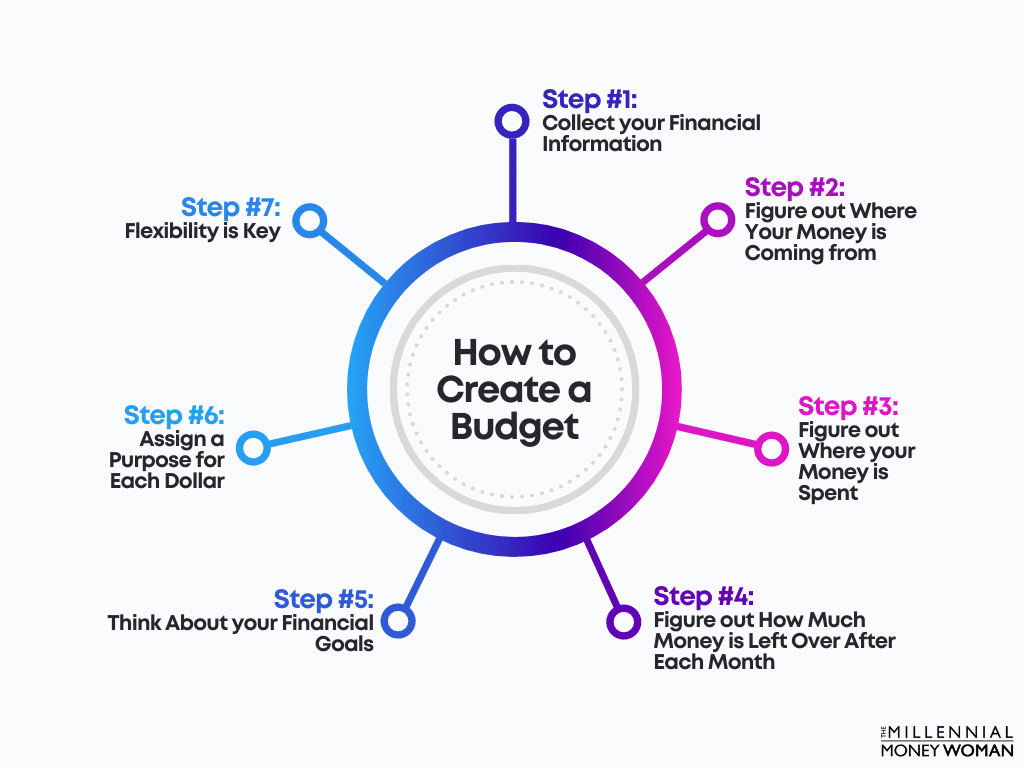
Establishing a budget doesn’t require complex financial software or an accounting degree. It simply requires a systematic approach and consistent effort. Here are the fundamental steps to build your own effective budget.
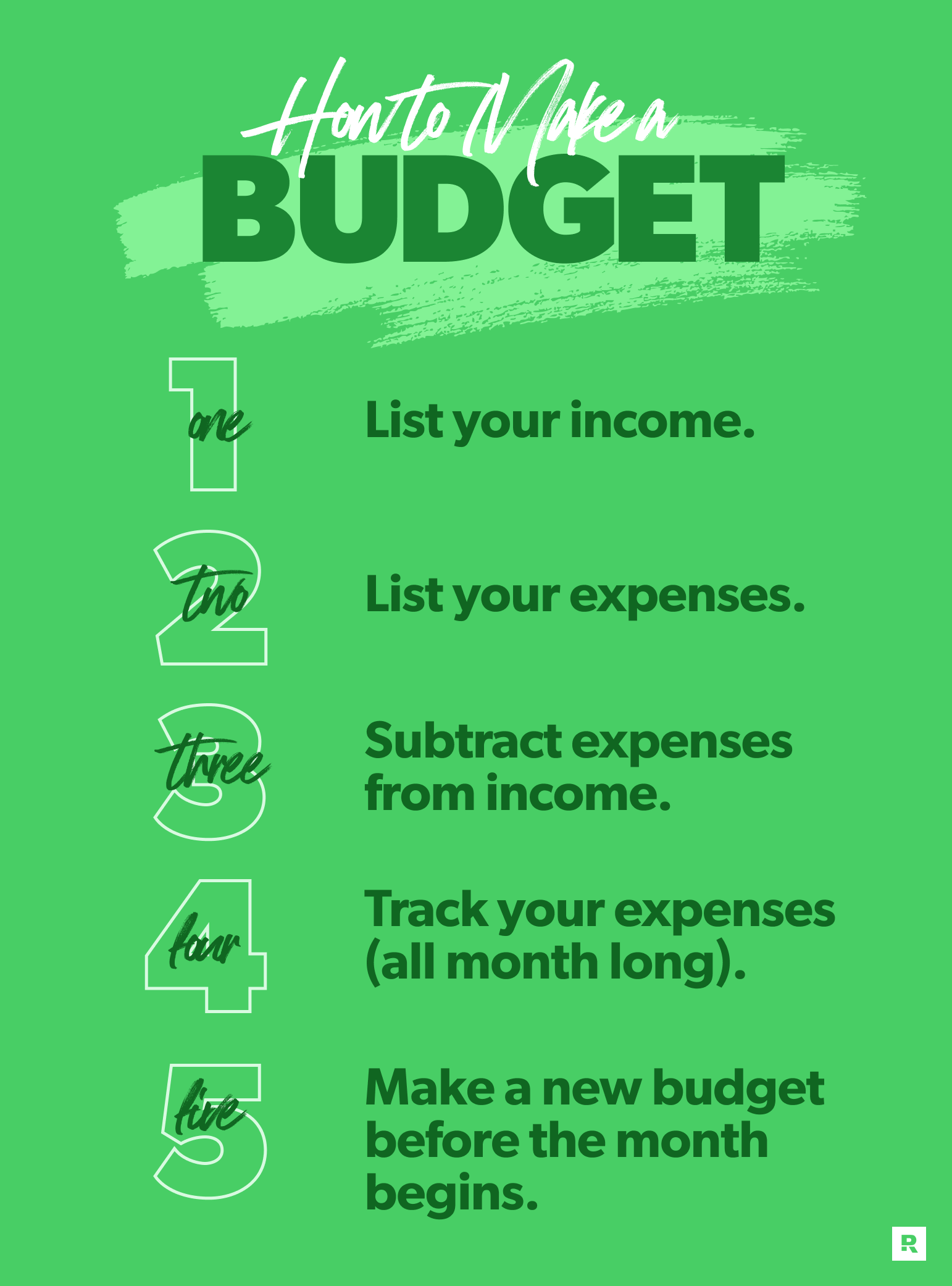
Step 1: Calculate Your Income
The cornerstone of any budget is a clear understanding of your total income. Begin by tabulating all sources of income you receive regularly after taxes and deductions (your net income). This includes your salary, wages, freelance income, benefits, rental income, or any other predictable cash inflow. For those with variable income, it’s prudent to use a conservative average or take your lowest earning month as a baseline to avoid overestimating your available funds. Be realistic and meticulous; an accurate income figure is non-negotiable for a functioning budget.
Step 2: Track Your Expenses
This is arguably the most crucial and often the most revealing step. For a period of 30 days, meticulously track every single dollar you spend. This can be done using a notebook, a spreadsheet, or a budgeting app. The goal is to gain an unfiltered snapshot of your actual spending habits. Do not change your spending during this tracking period; simply observe and record. This step helps to uncover unconscious spending patterns and identify where your money genuinely goes, not just where you think it goes. Include everything: groceries, utilities, rent/mortgage, transportation, entertainment, dining out, subscriptions, and even small, incidental purchases.
Step 3: Categorize and Analyze Spending
Once you have a month’s worth of expense data, it’s time to organize and analyze it. Group your expenditures into meaningful categories such as housing, transportation, food, utilities, entertainment, debt payments, and personal care. Within these categories, differentiate between fixed expenses (those that remain relatively consistent month-to-month, like rent/mortgage, loan payments, insurance premiums) and variable expenses (those that fluctuate, like groceries, dining out, entertainment, clothing). Analyzing these categories will highlight your largest spending areas and reveal where you might have the most flexibility to make adjustments. This analysis forms the basis for informed decision-making in the next step.
Step 4: Set Realistic Spending Limits (The 50/30/20 Rule)
With a clear picture of your income and spending, you can now allocate funds purposefully. A popular and effective framework is the 50/30/20 Rule:
- 50% for Needs: This category covers essential living expenses that you absolutely cannot avoid. This includes housing (rent or mortgage payments), utilities, groceries, transportation (gas, public transport, car payments), insurance, and minimum loan payments. The goal is to keep these costs within half of your net income.
- 30% for Wants: These are discretionary expenses that improve your quality of life but aren’t strictly necessary for survival. This includes dining out, entertainment, hobbies, travel, shopping for non-essentials, and subscription services. This is often where the most significant adjustments can be made without feeling overly restrictive.
- 20% for Savings & Debt Repayment: This crucial portion is dedicated to building your financial future. It includes contributions to an emergency fund, retirement accounts (401k, IRA), investment vehicles, and any extra payments towards high-interest debt (like credit cards or personal loans) above the minimums.
While the 50/30/20 rule is a great starting point, it’s a guideline, not a rigid law. Adjust these percentages to fit your unique financial situation and goals. For instance, if you have significant debt, you might aim for a higher percentage towards debt repayment, even if it temporarily means less for wants.
Step 5: Allocate Funds and Automate Savings
Now, apply your chosen spending limits to your categorized expenses. Assign a specific dollar amount to each category. For example, if your net income is $4,000, your budget might look like:
- Needs: $2,000
- Wants: $1,200
- Savings/Debt: $800
The final and most powerful step is to automate your savings and bill payments where possible. Set up automatic transfers from your checking account to your savings or investment accounts on payday. Schedule automatic payments for fixed expenses like rent, utilities, and loan installments. Automation removes the temptation to spend savings and ensures that your financial goals are prioritized, making your budget work for you, rather than against you.
Choosing the Right Budgeting Method for You
No single budgeting method works for everyone. The key is finding a system that aligns with your personality, financial habits, and level of detail preference.
The Envelope System
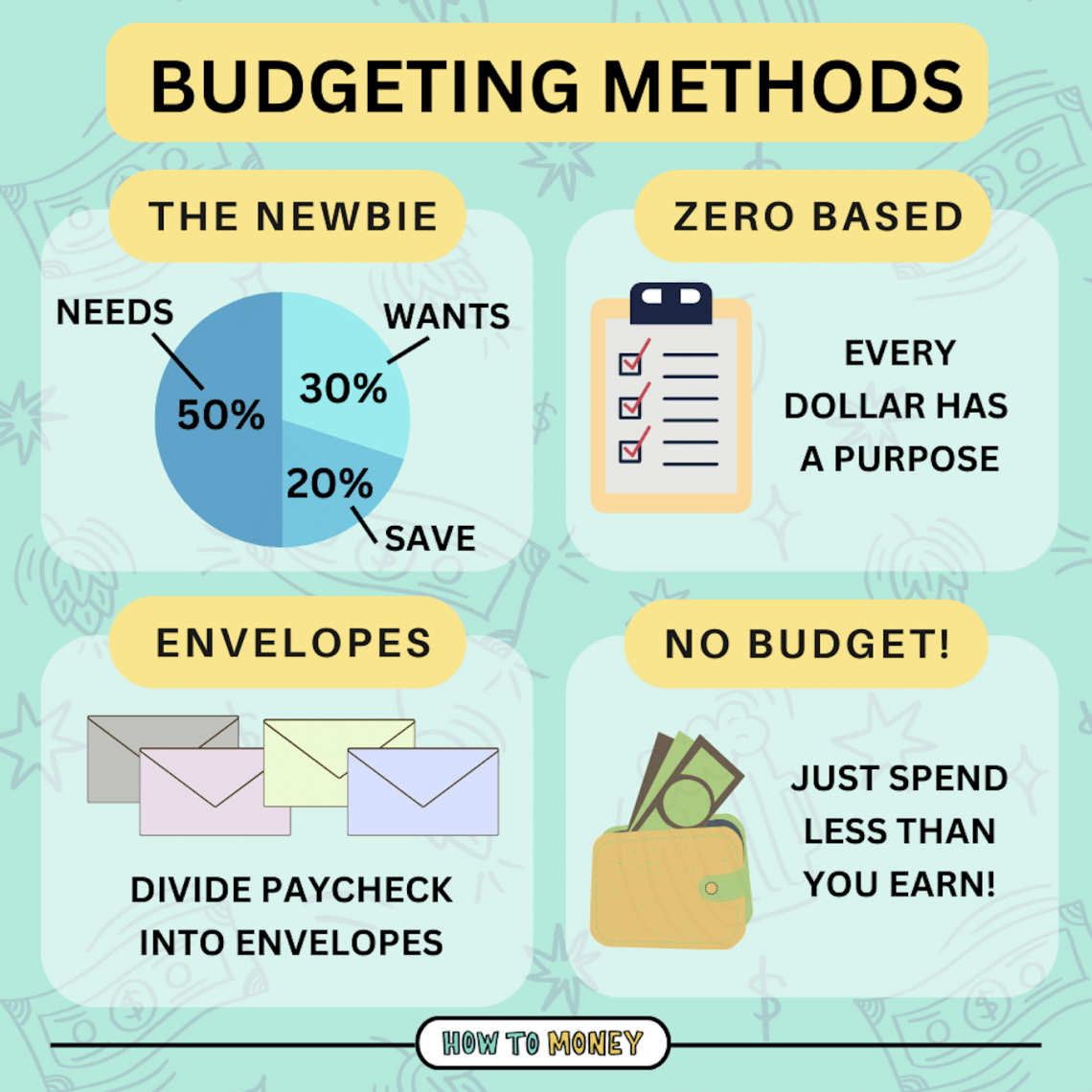
Ideal for those who prefer a tactile, cash-based approach, the envelope system involves physically allocating cash into separate envelopes for different spending categories (e.g., “Groceries,” “Entertainment,” “Personal Care”). Once an envelope is empty, you stop spending in that category until the next budgeting cycle. This method provides immediate visual feedback on your spending limits and is incredibly effective for variable expenses. It fosters a strong sense of mindfulness about each purchase.
Zero-Based Budgeting
This method demands that you assign every dollar of your income a “job” until your income minus your expenses equals zero. Every penny is accounted for – whether it’s allocated to bills, savings, debt repayment, or discretionary spending. It ensures that no money is left unaccounted for, maximizing the efficiency of your funds. Zero-based budgeting requires meticulous tracking and planning but offers unparalleled control and insights into where your money goes. It’s particularly effective for those who want to be extremely intentional with their finances.
The 50/30/20 Rule
As discussed, this is a popular and straightforward percentage-based method that divides your after-tax income into three broad categories: 50% for needs, 30% for wants, and 20% for savings and debt repayment. It’s an excellent starting point for beginners or those who prefer a less granular approach, providing a good balance between disciplined saving and enjoying your life. It offers flexibility while ensuring core financial responsibilities and goals are met.
Digital Budgeting Tools and Apps
For those comfortable with technology, numerous apps and online platforms can streamline the budgeting process. Tools like Mint, YNAB (You Need A Budget), Personal Capital, or even advanced spreadsheet templates offer features like automatic transaction categorization, spending insights, goal tracking, and bill reminders. While these tools leverage technology, their core function remains the financial principles of budgeting: tracking income, categorizing expenses, and setting limits. They make the process more efficient and provide visual data representations, but the underlying discipline of allocating funds remains paramount. When choosing an app, consider its ease of use, security features, reporting capabilities, and whether it supports your chosen budgeting philosophy.
Maintaining and Optimizing Your Budget Over Time
Establishing a budget is a significant achievement, but its true power lies in its ongoing maintenance and adaptation. A budget is a living document, not a static one-time creation.
Regular Review and Adjustment
Life is dynamic, and your budget needs to reflect that. Schedule a dedicated time each week or month (e.g., 15-30 minutes) to review your spending, compare it against your budgeted amounts, and make necessary adjustments. Did you overspend in one category? Can you cut back elsewhere next month? Did your income change? Are your financial goals evolving? Regular reviews help you catch deviations early, celebrate successes, and pivot your strategy as circumstances change. This iterative process ensures your budget remains relevant and effective.
Dealing with Unexpected Expenses
One of the primary purposes of budgeting is to prepare for the unexpected. Despite your best efforts, unforeseen costs will arise—a car repair, a medical bill, an urgent home repair. This is where your emergency fund proves its worth. A well-funded emergency savings account, built through consistent budgeting, acts as a financial safety net, preventing these surprises from derailing your entire financial plan or forcing you into debt. When an unexpected expense occurs, acknowledge it, use your emergency fund if appropriate, and then adjust your subsequent budget cycles to replenish that fund.
Celebrating Small Wins and Staying Motivated
Budgeting can feel like a long game, and it’s important to acknowledge your progress along the way. Celebrate meeting a savings goal, paying off a small debt, or simply sticking to your budget for a month. These small wins reinforce positive habits and provide the motivation to continue your efforts. Share your successes with a trusted friend or partner. Financial discipline is a journey, and positive reinforcement is crucial for sustained engagement.
Involving Your Household
If you share finances with a partner or live with family members, involving everyone in the budgeting process is critical for its success. Open and honest communication about financial goals, spending habits, and priorities can prevent misunderstandings and ensure everyone is aligned. Hold regular family money meetings to discuss progress, challenges, and future plans. When everyone is on the same page, the budget becomes a shared tool for collective financial empowerment, rather than a source of conflict.
Common Budgeting Pitfalls and How to Avoid Them
Even with the best intentions, certain traps can derail your budgeting efforts. Awareness is the first step to avoidance.
Being Unrealistic with Spending
One of the quickest ways to fail at budgeting is to create an overly restrictive plan that’s impossible to follow. Cutting out all discretionary spending, even for a short period, often leads to burnout and a complete abandonment of the budget. Be honest with yourself about your spending habits and lifestyle. Start with small, manageable adjustments, and gradually tighten the reins as you become more comfortable. A sustainable budget is one that allows for some flexibility and enjoyment.
Forgetting Irregular Expenses
Many people budget for monthly expenses but neglect to account for less frequent but predictable costs like annual insurance premiums, vehicle registration, holiday gifts, or semi-annual property taxes. These “surprise” expenses can wreak havoc on an otherwise well-planned budget. To avoid this, review your spending from the past year to identify all irregular expenses. Then, divide these annual costs by 12 and set aside that amount monthly into a separate savings account to cover them when they arise.
Giving Up Too Soon
It’s rare for a budget to be perfect from day one. You’ll likely overspend in some categories, underestimate others, or forget to track a transaction. The key is not to view these missteps as failures but as learning opportunities. Don’t throw in the towel after a rough week or month. Analyze what went wrong, make adjustments for the next cycle, and keep going. Consistency, not perfection, is the ultimate goal. Financial discipline is a marathon, not a sprint.
Not Tracking All Transactions
Every dollar counts. If you leave out small purchases or forget to log cash transactions, your budget will quickly become inaccurate and misleading. This leads to a false sense of security and can undermine your efforts. Whether you use an app, a spreadsheet, or the envelope system, commit to tracking every single expense. This discipline reinforces awareness and ensures your budget accurately reflects your financial reality.
Conclusion
Establishing a budget is more than just a financial exercise; it’s a profound commitment to your financial well-being and a powerful declaration of intent. It transforms abstract notions of financial security into concrete, actionable steps. By meticulously calculating your income, tracking your expenses, setting realistic limits, and consistently reviewing your progress, you gain unparalleled clarity and control over your money.
Remember that budgeting is a personal journey, and there’s no one-size-fits-all solution. Find the method that resonates with you, be patient with yourself, and embrace the iterative process of learning and adjustment. The initial effort required to set up and maintain a budget will be richly rewarded with reduced stress, increased savings, accelerated debt repayment, and the profound satisfaction of watching your financial goals materialize. Take the first step today; your future self will thank you.
aViewFromTheCave is a participant in the Amazon Services LLC Associates Program, an affiliate advertising program designed to provide a means for sites to earn advertising fees by advertising and linking to Amazon.com. Amazon, the Amazon logo, AmazonSupply, and the AmazonSupply logo are trademarks of Amazon.com, Inc. or its affiliates. As an Amazon Associate we earn affiliate commissions from qualifying purchases.