
The tax season annually presents a significant opportunity for individuals seeking seasonal employment or a lucrative side hustle. H&R Block, as one of the largest tax preparation firms, is a major player in this market, recruiting thousands of seasonal tax preparers each year. Understanding the compensation structure for these roles is crucial for anyone considering joining their ranks, as it can significantly impact personal finance goals, online income strategies, or even broader business finance decisions for those evaluating seasonal labor costs or income streams.
Understanding the Seasonal Tax Preparer Role
Seasonal tax preparers at H&R Block are the frontline professionals responsible for assisting clients with their tax filings. This role is inherently temporary, aligning with the peak tax season typically running from January through April. However, some demand may extend into the summer for amended returns or specific filing needs. The income potential for this position is directly tied to the nature of the work, the required skills, and the company’s operational model.
The Nature of Seasonal Work
Seasonal tax preparation jobs are designed to meet the surge in demand during specific times of the year. This means that while the work can be intense and require significant hours during the peak, it is not a year-round commitment. For many, this offers an attractive blend of concentrated earning potential without the obligations of a full-time, permanent position. It appeals particularly to retirees, students, individuals looking to supplement their income, or those exploring a career change into finance or accounting. The concentrated nature of the work means that a substantial portion of an individual’s annual “side hustle” income can be earned within a four-month window. This requires careful financial planning to ensure that the income generated during the season adequately supports financial goals throughout the rest of the year.
Required Skills and Training
H&R Block typically offers extensive training programs for its tax preparers, even for those with no prior experience. These programs, often called “Tax Schools,” cover fundamental tax law, software usage, and client interaction. While the training itself might sometimes have an associated cost, completing it successfully often leads directly to a job offer for the upcoming tax season. The investment in time and potentially money for this training is an important consideration when evaluating the overall financial viability of the role. For those who already possess certifications like Enrolled Agent (EA) or Certified Public Accountant (CPA), the training period might be shorter, and their expertise could command a higher starting wage or greater responsibility, thus increasing their earning potential. The company’s investment in training ensures a baseline level of competency, but individual initiative in learning complex tax scenarios directly correlates with the ability to handle more diverse clients and potentially earn more.
Deconstructing H&R Block’s Compensation Model
The pay structure for seasonal tax preparers at H&R Block is not monolithic; it can vary significantly based on several factors. Understanding these nuances is key to accurately projecting potential earnings and evaluating the role as a financial opportunity.
Hourly Rates vs. Commission
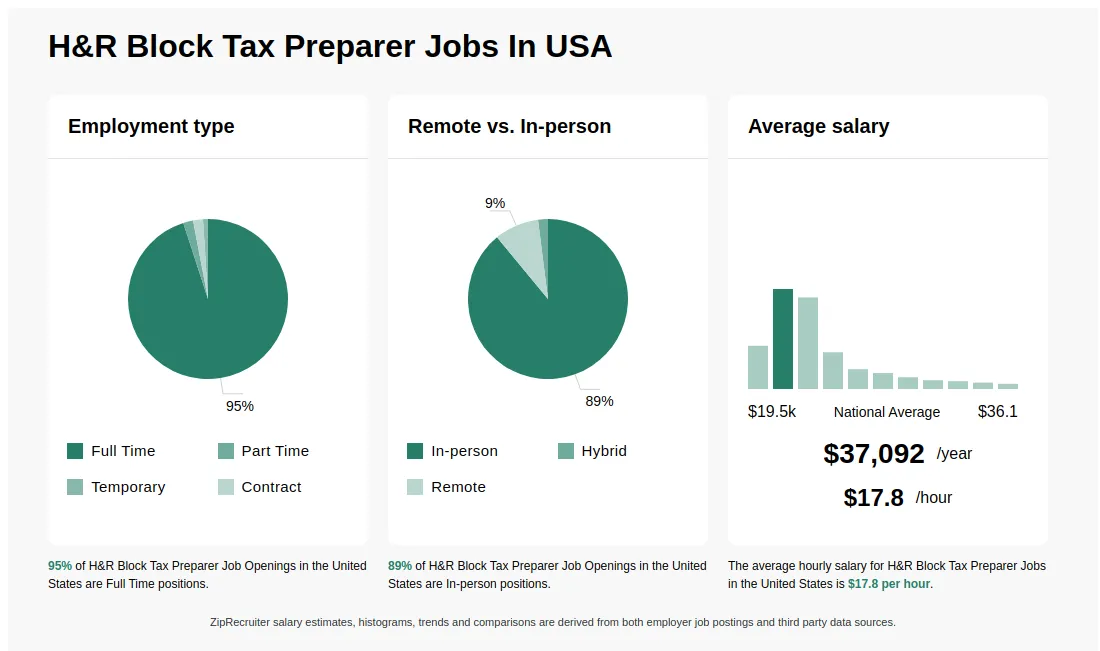
H&R Block typically employs a hybrid compensation model for its seasonal tax preparers. Most new preparers start with an hourly wage. This provides a stable income base, especially during slower periods or when learning the ropes. The hourly rate can vary widely based on location, local minimum wage laws, and the preparer’s experience level, usually ranging from $12 to $25 per hour.
As preparers gain experience and demonstrate proficiency, they often transition to, or supplement their hourly wage with, a commission-based structure. This commission is typically a percentage of the fees charged to clients for the tax preparation services they provide. The percentage can vary but is generally designed to incentivize efficiency, client satisfaction, and the handling of more complex (and thus higher-fee) returns. Some experienced preparers might even operate solely on commission during peak periods, allowing their earning potential to directly reflect their productivity and skill. For individuals focused on online income streams or maximizing a side hustle, a commission model offers direct control over their earnings through performance.
Factors Influencing Pay
Several key factors determine how much a seasonal tax preparer can earn at H&R Block:
- Experience Level: New preparers, even after completing H&R Block’s training, typically start at the lower end of the pay scale. Those with previous tax preparation experience, especially with H&R Block or another major firm, can command higher rates. Enrolled Agents (EAs) or CPAs almost invariably start at a higher pay grade due to their existing professional qualifications and ability to handle more intricate tax situations.
- Geographic Location: Wages for tax preparers, like many jobs, are influenced by the cost of living and local labor market dynamics. A preparer in a high-cost-of-living metropolitan area will likely earn more per hour or per commission than one in a rural region. This is a crucial consideration for personal finance planning, as the purchasing power of earnings will differ geographically.
- Client Volume and Complexity: The more clients a preparer serves, and the more complex those clients’ tax situations are (e.g., small business owners, investors, international income), the higher their potential earnings, especially under a commission structure. Managers often assign clients based on preparer skill sets, meaning higher skilled preparers may get access to higher-value clients.
- Performance and Efficiency: Beyond just preparing returns, H&R Block often evaluates preparers on metrics such as accuracy, client satisfaction scores, and the ability to upsell additional services (e.g., audit protection). Strong performance in these areas can lead to higher commission percentages, bonuses, or preferential client assignments.
- Position within the Office: While most discussions focus on frontline preparers, H&R Block offices also need senior preparers, tax advisors, and office managers. These roles come with higher responsibilities and, consequently, higher pay. Experienced seasonal preparers might be offered these roles, indicating a clear career path with increased income potential.
Regional and Experience Variances
To illustrate, a new seasonal tax preparer in a smaller town might start at an hourly rate of $13-$16, with limited commission potential initially. In contrast, an experienced EA working in a bustling urban center could earn $20-$30+ per hour plus significant commission, potentially seeing total earnings per return in the $50-$100+ range depending on complexity. The total income for a season could range from a few thousand dollars for a part-time beginner to $10,000-$20,000+ for a highly productive, experienced preparer working full-time during the peak season. These figures underscore the variability and the importance of specific circumstances when evaluating the financial opportunity.
Beyond the Hourly Wage: Additional Perks and Benefits
While the primary motivator for many seasonal tax preparers is the direct income, H&R Block often offers other indirect benefits that contribute to the overall value proposition of the role, especially in terms of professional development and future earning potential.
Training and Professional Development

As mentioned, H&R Block provides extensive training. This isn’t just about qualifying for the immediate job; it represents a tangible investment in transferable skills. Learning tax law, using professional tax software, and honing client communication skills are assets that can be leveraged for future career opportunities, whether within H&R Block, at another firm, or even in launching an independent tax preparation business. For those looking to transition careers or enhance their resume, this training can be invaluable, reducing the need for self-funded external courses. The knowledge gained also directly impacts personal finance by equipping individuals to better manage their own taxes and financial planning.
Networking and Future Opportunities
Working for a major company like H&R Block provides exposure to a wide network of tax professionals and clients. This can lead to referrals, mentorship, and opportunities for advancement. Seasonal roles can often serve as a stepping stone to full-time employment, more specialized tax roles, or even management positions within the company. Furthermore, the experience can open doors to private practice or consulting, providing a foundation for generating online income through independent services. Building a professional reputation during the tax season can translate into year-round income opportunities through referrals for tax planning, bookkeeping, or other financial services.
Flexibility and Work-Life Balance
For many, the seasonal nature of the work itself is a major “benefit.” It allows for intense focus during the tax season, followed by months of flexibility for other pursuits, travel, or family time. This can be particularly appealing for those seeking a “gig economy” approach to their income or those who have other commitments outside of the peak tax period. The ability to schedule shifts around other responsibilities, within the demands of the office, can also enhance work-life balance, making the intensive earning period more manageable. This flexibility is a significant draw for individuals pursuing side hustles, allowing them to balance multiple income streams.
Maximizing Your Earnings as a Seasonal Preparer
To truly maximize the financial return from a seasonal tax preparer role at H&R Block, preparers need to be proactive and strategic. This isn’t just about showing up; it’s about actively working to increase productivity and client value.
Building a Client Base
While many clients are assigned by the office, preparers who actively encourage repeat business and generate referrals can significantly boost their commission earnings. Providing exceptional service, remembering client details, and offering year-round tax tips can turn one-time clients into loyal patrons who specifically request you each season. This personal branding within the context of the H&R Block system directly impacts individual income. Strong client relationships are the bedrock of any successful service-based income.
Enhancing Your Tax Knowledge
Going beyond the basic training is crucial. Staying updated on changes in tax law, specializing in niche areas (e.g., small business taxes, real estate taxes, cryptocurrency taxes), or obtaining professional certifications like the Enrolled Agent (EA) designation can position a preparer to handle more complex and higher-fee returns. The more knowledgeable a preparer becomes, the more valuable they are to the company and their clients, directly translating into higher earning potential. Investing in continuous learning is an investment in future income.
Performance-Based Incentives
H&R Block, like many service companies, often has internal incentives for high-performing employees. This can include bonuses for achieving certain sales targets, client satisfaction scores, or for generating specific service upsells (e.g., offering H&R Block’s Emerald Card or audit support). Actively striving to meet and exceed these metrics can add a substantial boost to seasonal earnings, making it a key component of personal finance strategy for the tax season.
Is Seasonal Tax Preparation a Viable Side Hustle or Career Step?
For many, seasonal tax preparation offers a compelling financial opportunity, whether as a dedicated side hustle or a strategic step in a broader career path.
Financial Viability
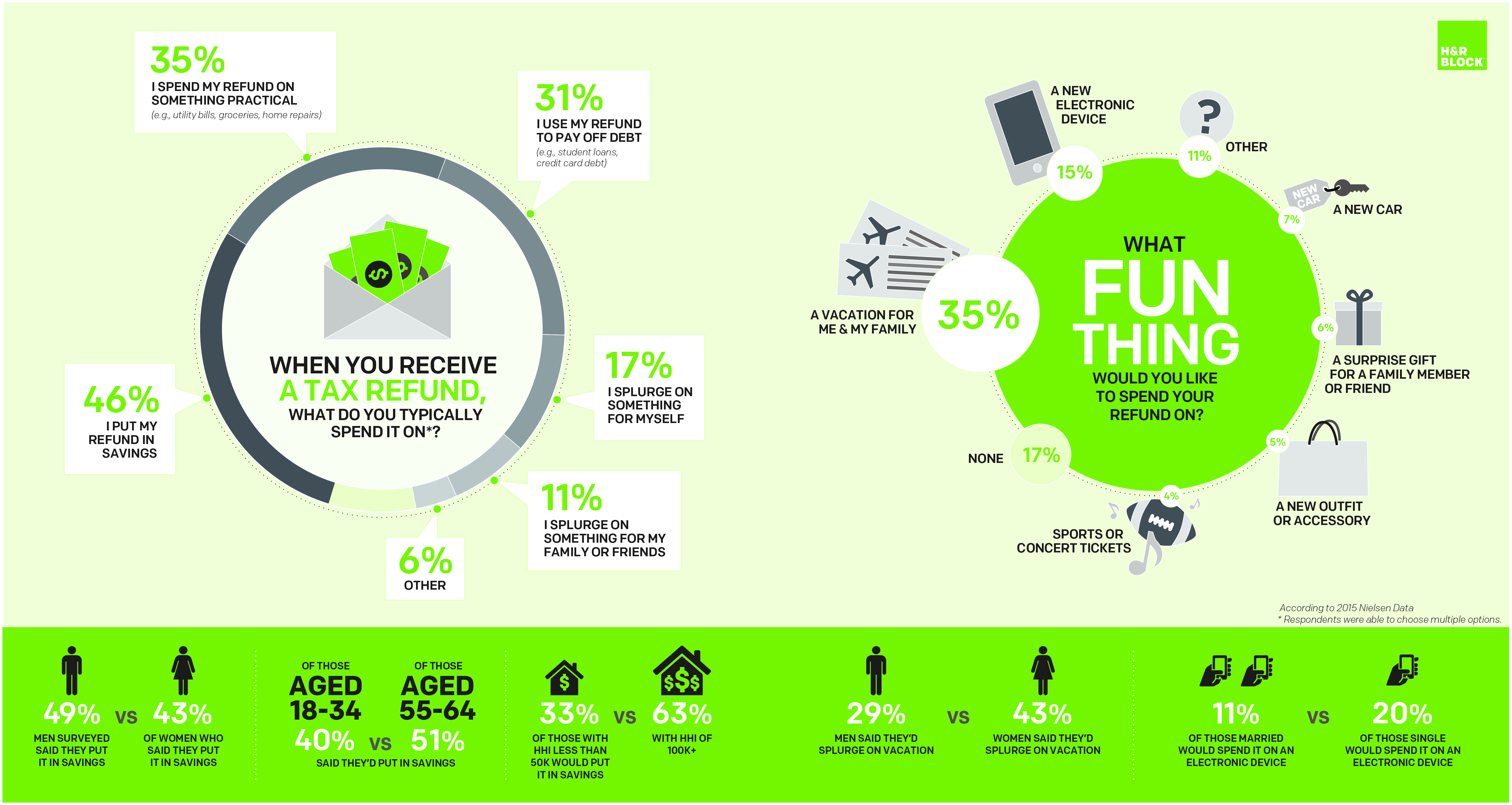
As a side hustle, especially for those who can dedicate significant hours during the peak season, the role can provide a substantial boost to annual income. Earning several thousand to over ten thousand dollars in a few months can fund major purchases, pay down debt, or contribute significantly to savings and investment goals. The concentrated nature of the work means a high hourly equivalent during the peak, making it an efficient way to generate income.
Stepping Stone to Full-Time Roles or Independent Practice
For those interested in a career in accounting or finance, working as a seasonal tax preparer can provide invaluable real-world experience. It can serve as an entry point into H&R Block’s year-round operations or into other accounting firms. Furthermore, the skills and experience gained are directly applicable to starting an independent tax preparation business, which offers even greater income potential and control over one’s work life. This demonstrates a clear pathway from an entry-level seasonal role to significant online income generation through entrepreneurship.
Long-Term Income Potential
Even for those who only ever work seasonally, the continuous learning and skill development can lead to increasingly higher earnings each year. By building a reputation, gaining certifications, and optimizing performance, a seasonal tax preparer can turn a temporary job into a highly lucrative annual income stream that complements other personal finance strategies throughout the rest of the year. The long-term income potential lies in continuous skill refinement and client relationship building, transforming a temporary gig into a consistent, valuable financial asset.
aViewFromTheCave is a participant in the Amazon Services LLC Associates Program, an affiliate advertising program designed to provide a means for sites to earn advertising fees by advertising and linking to Amazon.com. Amazon, the Amazon logo, AmazonSupply, and the AmazonSupply logo are trademarks of Amazon.com, Inc. or its affiliates. As an Amazon Associate we earn affiliate commissions from qualifying purchases.