
The question “Who is Alphabet?” transcends a simple organizational chart; it delves into a profound strategic evolution of one of the world’s most influential technology entities. For many, Alphabet remains synonymous with Google, the omnipresent search engine and digital titan. However, the creation of Alphabet in 2015 was a masterful act of corporate rebranding and structural re-imagination, designed to manage an ever-expanding empire of innovation, cultivate distinct brand identities, and strategically position the company for the future. It was a clear statement about diversification, transparency, and the pursuit of moonshot ideas under a disciplined, multi-brand umbrella. This article will explore Alphabet from a branding perspective, examining its corporate identity, brand strategy, and how it navigates the complex landscape of managing a diverse portfolio of powerful and nascent brands in the 21st century.

The Strategic Genesis: A New Corporate Identity for an Evolving Empire
The announcement in August 2015 that Google would be reorganized under a new holding company, Alphabet Inc., sent ripples through the tech and business worlds. This wasn’t merely an administrative reshuffle; it was a fundamental recalibration of the company’s corporate identity and a bold statement about its future ambitions. Larry Page and Sergey Brin, Google’s co-founders, articulated a vision where Alphabet would provide greater transparency, focus, and autonomy for its diverse array of businesses.
Why Alphabet? De-risking and Diversifying the Google Brand
At its core, the creation of Alphabet was a strategic move to de-risk and diversify the formidable Google brand. By 2015, Google had grown far beyond its search engine roots, encompassing everything from autonomous cars (Waymo) and life sciences (Verily, Calico) to smart home devices (Nest, now part of Google). This vast scope, while impressive, presented several challenges:
- Brand Dilution and Perception: The “Google” brand, while incredibly strong, risked becoming diluted by the sheer breadth of unrelated ventures. The public perception of Google was primarily tied to search, advertising, and Android. Having an experimental life sciences company operating directly under the Google brand could create confusion, dilute its core identity, and even raise questions about its mission.
- Regulatory Scrutiny: As Google grew, so did regulatory attention, particularly concerning its market dominance in search and advertising. By separating these “other bets” into distinct companies under Alphabet, it created a clearer delineation between the core, highly profitable businesses and the experimental, often loss-making ventures. This organizational clarity could subtly influence how regulators viewed the overall enterprise.
- Facilitating Innovation and Investment: The new structure allowed these nascent, high-risk ventures to operate with greater autonomy and focus, fostering a more entrepreneurial spirit. Each “bet” could attract specialized talent and investors (though Alphabet typically funds them), develop its own unique brand, and pursue its mission without being overshadowed or constrained by Google’s immediate profit-and-loss imperatives. It effectively created an internal venture capital model, allowing for radical innovation without directly impacting Google’s quarterly earnings reports in the same way.
The Umbrella Strategy: Managing a Portfolio of Brands
Alphabet’s structure functions as a classic holding company, an “umbrella” under which numerous distinct businesses operate. This strategy is critical for managing a complex portfolio of brands:
- Distinct Identities: Each major subsidiary under Alphabet, such as Google, Waymo, Verily, Calico, and others, maintains its own distinct brand identity, leadership, and operational focus. This allows each brand to cultivate its unique market positioning, communicate directly with its specific audience, and develop its own corporate culture.
- Autonomy and Accountability: The umbrella model grants significant operational autonomy to the CEOs of each subsidiary. This decentralization empowers leaders to make decisions quickly and adapt to their respective markets without direct interference from the central Alphabet leadership on day-to-day operations. However, this autonomy comes with increased accountability to Alphabet for their strategic direction and financial performance.
- Centralized Governance: While operational decisions are decentralized, Alphabet’s executive leadership (Larry Page, Sergey Brin initially, now Sundar Pichai as CEO of Alphabet) provides overarching strategic direction, capital allocation, and sets the long-term vision for the entire conglomerate. This ensures that the diverse portfolio of brands ultimately aligns with Alphabet’s broader mission and values, even as they pursue their individual goals.
Google: The Core Brand and Its Enduring Legacy
Despite the creation of Alphabet, Google remains the undisputed heart of the enterprise, accounting for the vast majority of its revenue, brand recognition, and global impact. Its endurance as a super-brand is a testament to its innovation, utility, and ability to continually expand its reach.
The Behemoth Brand: Search, Ads, and Android
The Google brand is one of the most powerful in history, built on foundational products that have reshaped the digital world:
- Search Engine Dominance: Google Search continues to be the gateway to the internet for billions worldwide. Its brand is synonymous with finding information, making the verb “to Google” a permanent fixture in global lexicon.
- Advertising Powerhouse: The Google Ads platform (formerly AdWords and AdSense) is the primary revenue driver, a sophisticated ecosystem that connects businesses with consumers through targeted advertising. This commercial engine fuels much of Alphabet’s innovation.
- Android Ecosystem: Android, the world’s most popular mobile operating system, has built a massive ecosystem of devices and developers. The Android brand, while distinct, is inextricably linked to Google, representing accessibility, customization, and open-source collaboration.
These core pillars establish Google not just as a technology provider but as a pervasive force shaping communication, commerce, and daily life. The Google brand evokes trust (though sometimes challenged), utility, and innovation for billions.
Extending the Google Brand: Cloud, AI, and Hardware
While some experimental ventures moved under Alphabet, the Google brand itself continues to expand into new strategic areas, demonstrating its elasticity and enduring power:
- Google Cloud: This enterprise-focused suite of computing services directly competes with AWS and Azure. Google Cloud has its own distinct brand identity within the B2B space, emphasizing AI, machine learning capabilities, and enterprise-grade security, leveraging Google’s core technological strengths.
- Google AI: Artificial intelligence is woven into nearly every Google product, from search algorithms to personal assistants. The “Google AI” brand acts as an overarching identity for its AI research and development, positioning Google at the forefront of this transformative technology.
- Google Hardware (Pixel, Nest, Fitbit): Google has made significant strides in consumer hardware, from its Pixel phones and smart home devices (Nest) to wearables (Fitbit). These products carry the Google brand, aiming to deliver seamless integration with Google’s software and services, reinforcing the brand’s commitment to creating a cohesive ecosystem.
The challenge for Google is to extend its brand into these new domains without diluting its core identity. This requires careful brand management, ensuring that new products and services consistently deliver on the Google promise of utility, innovation, and user-centric design.
The “Other Bets”: Cultivating Innovation and Future Brands
Beyond Google, the “Other Bets” are where Alphabet’s truly audacious vision unfolds. These are the experimental ventures, the moonshots, and the long-term investments that embody Alphabet’s commitment to solving some of the world’s most complex problems.
Moonshots and Market Realities: Waymo, Verily, Calico, and More
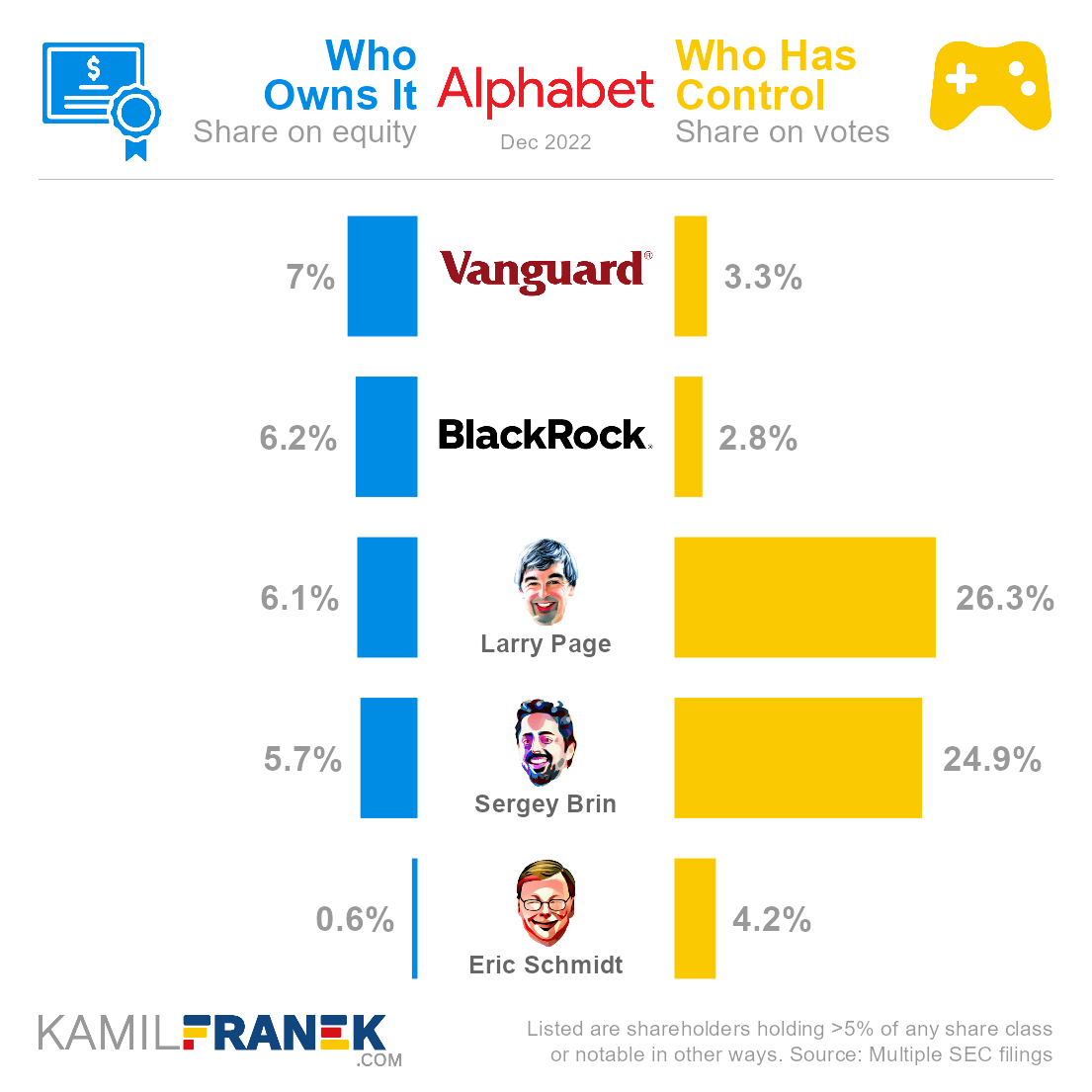
Each “Other Bet” is a distinct company with its own mission, brand, and leadership. They represent diverse industries and ambitious goals:
- Waymo: Alphabet’s self-driving technology company, Waymo, aims to commercialize autonomous vehicles. Its brand is built around safety, reliability, and the future of transportation, often operating with a distinct visual identity and public-facing narrative.
- Verily: Focusing on life sciences, Verily combines technology with healthcare to develop tools for disease prevention, management, and research. Its brand emphasizes scientific rigor, data-driven insights, and improving human health.
- Calico: Dedicated to understanding the biology of aging and developing interventions to extend healthy human lifespan, Calico is a long-term research and development company with a highly specialized and scientific brand identity.
- Google Fiber: Although technically part of Google Communications LLC, Google Fiber represents an infrastructure play, offering high-speed internet. Its brand emphasizes speed, reliability, and community connectivity.
These examples illustrate Alphabet’s role not just as an investor, but as a strategic architect creating space for diverse brands to emerge and potentially transform entire industries.
Brand Autonomy and Corporate Oversight
One of the key advantages of the Alphabet structure for these “Other Bets” is the balance between brand autonomy and corporate oversight:
- Freedom to Innovate: Each subsidiary has the freedom to develop its own brand identity, marketing strategies, and product roadmap, tailored specifically to its niche market. This independence is crucial for attracting specialized talent and fostering a unique corporate culture that might differ significantly from Google’s.
- Capital and Strategic Guidance: While autonomous, these companies are not entirely on their own. Alphabet provides the necessary capital for their often-expensive R&D and long incubation periods. More importantly, it offers strategic guidance, leveraging the collective experience and intellectual property of the larger Alphabet ecosystem, without dictating every branding decision.
- Measuring Success Beyond Immediate Profit: For many “Other Bets,” profitability is a distant goal. Alphabet’s long-term vision allows these brands to focus on fundamental research, product development, and market validation without the intense quarterly pressure often faced by publicly traded companies. Success is measured by milestones, technological breakthroughs, and the potential to build sustainable, valuable businesses for the future.
Alphabet’s Corporate Identity and Brand Philosophy
Beyond the individual brands, Alphabet itself has a corporate identity that reflects its vision for structured innovation and responsible growth. It’s a brand built on the promise of pushing boundaries, even if those pushes sometimes challenge its own public image.
Beyond “Don’t Be Evil”: A New Ethos for a Global Powerhouse
Google’s original motto, “Don’t Be Evil,” while iconic, became increasingly difficult to uphold and apply as the company’s influence expanded. Alphabet’s creation, while not explicitly abandoning the sentiment, shifted the emphasis towards a more mature and diversified corporate ethos:
- Responsible Innovation: Alphabet’s brand identity now increasingly emphasizes responsible innovation, particularly in areas like artificial intelligence, data privacy, and ethical technology development. This involves proactive engagement with policymakers, academic institutions, and public interest groups.
- Transparency (Relative): The restructuring was partly aimed at providing greater transparency into the various business segments. While complete transparency is challenging for any tech giant, Alphabet’s quarterly earnings reports now offer more granular detail on the performance of its “Other Bets,” allowing investors and the public a clearer view of its diversified portfolio.
- Solving Grand Challenges: Alphabet positions itself as a company tackling humanity’s grand challenges, from climate change (via renewable energy investments) to healthcare and urban mobility. This overarching narrative helps to define its corporate identity as a force for societal progress, despite controversies.
Design Language and Marketing Synergy
While “Other Bets” have independent branding, there are often subtle connections in design philosophy and an overarching synergy in marketing efforts that reinforce the Alphabet ecosystem:
- Clean, Functional Aesthetics: A common thread across many Alphabet companies and Google products is a commitment to clean, functional, and user-centric design (e.g., Material Design). This aesthetic consistency, while not rigidly enforced, creates a subconscious association with the broader Alphabet commitment to intuitive technology.
- Cross-Promotion and Ecosystem Benefits: The various brands within Alphabet benefit from an implicit cross-promotional effect. Google’s pervasive presence often serves as a powerful funnel for awareness of other Alphabet ventures, and the interconnectedness of their technologies (e.g., Google AI powering Waymo) strengthens the narrative of a cohesive, innovative ecosystem.
- Alphabet’s Narrative Role: Alphabet itself, as the parent, plays a crucial role in setting the overarching narrative for its subsidiaries. Through investor calls, public statements, and strategic partnerships, it communicates the collective vision and values that bind its diverse portfolio of brands together, positioning itself as a leader in future technology and societal impact.
Navigating the Future: Brand Challenges and Opportunities
Alphabet’s journey as a multi-brand powerhouse is ongoing, facing both significant challenges and immense opportunities in shaping its brand for the future.
Regulatory Scrutiny and Public Trust
One of the most persistent challenges for Alphabet is navigating intense regulatory scrutiny and managing public trust.
- Antitrust Concerns: The diversified structure of Alphabet was partly designed to address antitrust concerns by separating Google’s core businesses from other ventures. However, Google’s sheer market dominance continues to invite global regulatory action. Alphabet’s brand must demonstrate that its power is used responsibly and that competition thrives within its ecosystem.
- Data Privacy and Ethics: As a data-driven company, Alphabet (and especially Google) faces constant pressure regarding data privacy, security, and the ethical implications of AI. Maintaining public trust requires unwavering commitment to transparency, user control, and robust ethical frameworks, which are critical components of its corporate brand.
- Combating Misinformation: Google’s role as the primary information gateway places a heavy burden on its brand to combat misinformation and promote credible content. This involves continuous algorithm improvements, fact-checking initiatives, and partnerships, all of which contribute to the perception of Google as a reliable and trustworthy source.
Sustaining Innovation While Managing Complexity
Alphabet’s brilliance lies in its ability to foster radical innovation across multiple fronts, but this comes with inherent complexities in brand management.
- Balancing Autonomy and Synergy: The delicate balance between allowing “Other Bets” to develop unique brands and leveraging the synergies of the broader Alphabet ecosystem is an ongoing challenge. How do you encourage competition between subsidiaries without internal cannibalization, and how do you ensure the collective brand strength of Alphabet enhances, rather than dilutes, its individual components?
- Ensuring Brand Defensibility: Each “bet” must be able to establish a strong, defensible brand in its respective market, often against established players or emerging startups. This requires significant investment not only in technology but also in marketing, brand building, and cultivating unique value propositions.
- Long-term Brand Equity: Alphabet’s ultimate brand equity rests on its ability to consistently deliver groundbreaking innovations that positively impact the world. Its brand is a promise of future progress, of continuous re-invention, and of tackling audacious problems with cutting-edge technology. Sustaining this promise requires a blend of visionary leadership, relentless R&D, and astute brand storytelling.
Conclusion
Who is Alphabet? It is far more than a simple corporate entity; it is a masterclass in modern corporate identity and brand strategy. Born from the need to manage the sprawling ambitions of Google, Alphabet emerged as a meticulously crafted holding company designed to empower distinct brands, foster radical innovation, and navigate the complex challenges of the 21st-century tech landscape. It represents a strategic evolution away from a monolithic “Google” brand towards a diverse portfolio of companies, each with its unique mission and identity, yet all united under an umbrella committed to long-term impact and technological advancement. In essence, Alphabet is the strategic architecture behind a future where diverse brands, from autonomous vehicles to life sciences, continue to redefine what’s possible, all while carefully balancing innovation with responsibility and public trust.
aViewFromTheCave is a participant in the Amazon Services LLC Associates Program, an affiliate advertising program designed to provide a means for sites to earn advertising fees by advertising and linking to Amazon.com. Amazon, the Amazon logo, AmazonSupply, and the AmazonSupply logo are trademarks of Amazon.com, Inc. or its affiliates. As an Amazon Associate we earn affiliate commissions from qualifying purchases.