
For many, “Google” is synonymous with search engines, ubiquitous online services, and groundbreaking technological innovation. However, in the financial world, when investors talk about “Google stock,” they are referring to the publicly traded shares of Alphabet Inc. (NASDAQ: GOOGL, NASDAQ: GOOG), the parent company that reorganized in 2015 to encompass Google and its various “other bets.” Understanding what Google stock represents is crucial for anyone looking to invest in one of the world’s most influential and financially robust companies. It’s not merely a share of a search engine; it’s a stake in a sprawling conglomerate with diverse revenue streams, a history of innovation, and significant market dominance across multiple sectors. This deep dive will explore the intricacies of Alphabet’s stock, its investment appeal, and what potential investors need to consider.
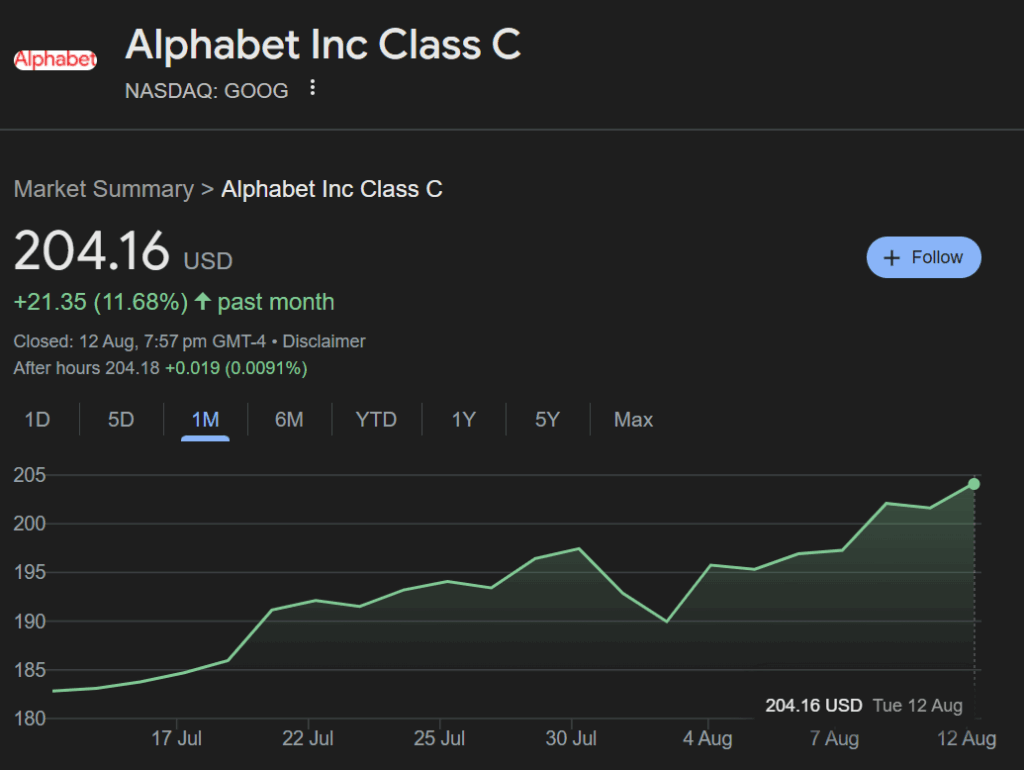
Understanding Alphabet Inc. and Its Stock Structure
The journey from “Google Inc.” to “Alphabet Inc.” was more than just a name change; it was a strategic restructuring designed to provide greater transparency and accountability for its various ventures, allowing the core Google businesses to operate with enhanced focus while fostering innovation in newer, often high-risk, “other bets.” This reorganization also brought with it a somewhat unique stock structure that often puzzles new investors.
Google’s Transformation to Alphabet
Prior to 2015, Google Inc. was a single entity housing everything from its search engine and Android operating system to YouTube, Chrome, and its nascent ventures into areas like self-driving cars (Waymo) and life sciences (Verily). The company’s founders, Larry Page and Sergey Brin, recognized that some of these “other bets” were far removed from Google’s core advertising business, potentially obscuring their true value and performance within a single financial report. The creation of Alphabet Inc. as the holding company allowed these diverse businesses to operate more independently under their own CEOs, with financial results reported separately. Google LLC became the largest subsidiary under Alphabet, retaining control over search, advertising, YouTube, Android, Chrome, and Maps. This move was intended to create a “collection of companies” rather than just one large, undifferentiated tech giant, theoretically unlocking more value for shareholders by providing clearer insights into each segment’s performance.
Decoding GOOGL vs. GOOG: Class A, B, and C Shares
One of the most distinctive features of Alphabet’s stock is its dual-class share structure for publicly traded shares. When you look up Alphabet on a stock exchange, you will find two tickers:
- GOOGL (Class A shares): These are common shares that carry one vote per share. This means that Class A shareholders have a say in company matters through voting at shareholder meetings.
- GOOG (Class C shares): These are also common shares, but they are non-voting. While they represent an ownership stake in Alphabet, holders of Class C shares do not have voting rights.
There is also a third class of shares, Class B shares, which are privately held by the company’s founders and early insiders. These shares carry ten votes per share, giving Larry Page and Sergey Brin significant control over Alphabet’s strategic direction, regardless of the relative market capitalization of the Class A and C shares.
Why Multiple Share Classes?
The primary reason for Alphabet’s multi-class share structure is to allow its founders and early leadership to maintain control over the company’s long-term vision and strategy, insulating them from short-term market pressures or activist investor demands. This structure ensures that Google’s original ethos and innovative culture can be preserved. For investors, it means that while you own a piece of a hugely successful company, your ability to influence corporate governance through voting is either limited (with GOOGL) or non-existent (with GOOG). Historically, the prices of GOOGL and GOOG have traded very similarly, with slight fluctuations due to demand and supply dynamics, as well as the inherent value placed on voting rights, however minor for most retail investors. Both classes represent an equal economic interest in the company’s financial performance.
The Investment Case for Google (Alphabet)
Investing in Alphabet stock is often seen as a bet on the enduring power of digital advertising, cloud computing, and a continuous stream of innovative technologies. The company’s scale, market leadership, and diversified portfolio of businesses present a compelling argument for long-term growth.
Diverse Revenue Streams and Market Dominance
Alphabet’s financial strength is underpinned by an impressive array of businesses that dominate their respective markets. The vast majority of its revenue still comes from Google Search and other advertising services, a highly profitable engine fueled by its unparalleled global reach and sophisticated targeting capabilities. Beyond search, YouTube has become a behemoth in digital video, commanding significant advertising revenue and growing subscription services. Google Cloud, though a later entrant compared to AWS and Azure, is rapidly gaining market share in the booming enterprise cloud computing sector, demonstrating strong revenue growth and improving profitability. Other significant contributors include the Android operating system, which powers billions of devices worldwide, and Google Play, its app store. This multi-faceted revenue approach provides resilience and reduces reliance on any single product or market. Even if one segment faces headwinds, others can often compensate, offering a stable growth trajectory.
Innovation and Future Growth Drivers
Alphabet has consistently been at the forefront of technological innovation, and its commitment to R&D is a key reason for its continued appeal to growth investors. Beyond its core businesses, the “Other Bets” segment, while not yet largely profitable, represents significant long-term growth potential. Projects like Waymo (autonomous driving technology) are pioneers in transformative industries. Verily and Calico are exploring groundbreaking applications in healthcare and life sciences, fields with immense market potential. Crucially, Artificial Intelligence (AI) is not just a separate venture but an underlying technology that enhances nearly every product and service across Alphabet’s ecosystem, from search results and YouTube recommendations to Google Cloud’s capabilities and Waymo’s driving intelligence. The company’s massive investment in AI positions it strongly for future technological shifts and market leadership. The sheer volume of data it collects and its computational power give it a distinct advantage in developing and deploying advanced AI solutions, ensuring its relevance in the decades to come.
Financial Performance and Valuation Metrics
From a financial perspective, Alphabet is a powerhouse. It consistently reports strong revenue growth, healthy profit margins, and robust cash flow generation. Investors typically analyze several key metrics:
- Market Capitalization: Alphabet is consistently among the world’s most valuable companies by market cap, reflecting investor confidence in its future prospects.
- Price-to-Earnings (P/E) Ratio: This ratio helps investors determine if the stock is undervalued or overvalued relative to its earnings. Comparing Alphabet’s P/E to its historical average and industry peers provides context.
- Revenue Growth: Sustained double-digit revenue growth in key segments like Google Cloud and YouTube, alongside steady performance in search advertising, indicates continued business expansion.
- Earnings Per Share (EPS): Growing EPS signals increasing profitability on a per-share basis, which is a fundamental driver of stock price appreciation.
- Free Cash Flow: Alphabet’s ability to generate substantial free cash flow allows it to fund its ambitious R&D projects, make strategic acquisitions, and potentially return value to shareholders.
While these metrics can fluctuate with market sentiment and economic conditions, Alphabet’s underlying financial strength and consistent innovation make it a compelling consideration for investors seeking exposure to a leading technology company with strong fundamentals.
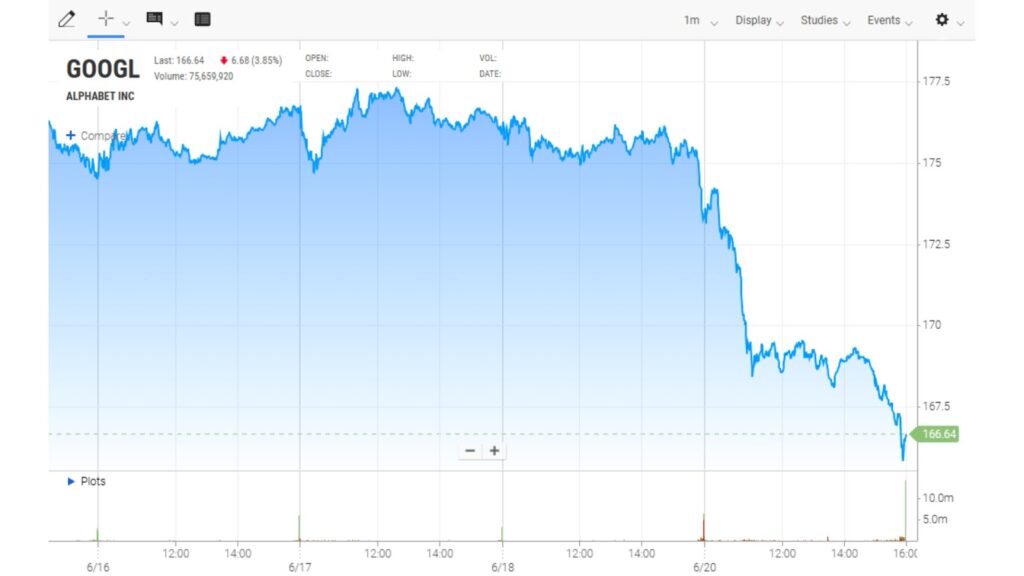
How to Invest in Google Stock
Investing in Alphabet stock, like any publicly traded company, is a straightforward process, but it requires understanding the basics of brokerage accounts and order types. It’s also crucial to integrate this investment decision into a broader, well-thought-out financial strategy.
Opening a Brokerage Account
The first step to buying Google stock is to open an investment account with a reputable brokerage firm. These firms act as intermediaries, executing buy and sell orders on your behalf on stock exchanges. Popular choices include full-service brokers that offer extensive advice and research, and discount brokers that provide lower fees for self-directed investors.
When choosing a broker, consider factors such as:
- Fees and Commissions: Look for competitive trading fees, account maintenance fees, and other charges. Many online brokers now offer commission-free trading for stocks and ETFs.
- Account Minimums: Some brokers require a minimum deposit to open an account.
- Available Investment Products: Ensure the broker offers access to U.S. stocks, specifically GOOGL and GOOG.
- Research Tools and Educational Resources: Especially for new investors, robust research tools and educational content can be invaluable.
- Customer Service and Platform Usability: A user-friendly interface and responsive customer support enhance the investing experience.
Once you’ve chosen a broker, you’ll complete an application, provide personal identification, and link your bank account to fund your new investment account.
Placing a Buy Order
After your account is funded, you can place an order to buy Alphabet shares. You will need to decide whether you want to buy Class A shares (GOOGL with voting rights) or Class C shares (GOOG non-voting). As noted, their prices typically track closely.
When placing an order, you’ll generally have two primary types:
- Market Order: This instructs your broker to buy shares immediately at the best available price. While quick, the price might fluctuate slightly between when you place the order and when it’s executed, especially in volatile markets.
- Limit Order: This allows you to specify the maximum price you’re willing to pay per share. Your order will only be executed if the stock price falls to or below your specified limit. This provides more control over the purchase price but means your order might not be filled if the stock doesn’t reach your desired level.
You’ll also specify the number of shares you wish to purchase. For investors with smaller capital, many brokers now offer fractional shares, allowing you to invest a specific dollar amount (e.g., $100) into a stock rather than buying whole shares.
Considering Diversification and Long-Term Strategy
While Alphabet is a highly attractive investment, it’s crucial to integrate it into a diversified investment portfolio. Putting all your capital into a single stock, even a robust one like GOOGL/GOOG, exposes you to significant company-specific risk. Diversification typically involves investing across different asset classes (stocks, bonds, real estate), industries, and geographies to mitigate risk. For Alphabet, consider its role within your overall equity allocation. Is it complementing other large-cap tech holdings, or is it introducing too much concentration?
Furthermore, investing in a company like Alphabet is generally considered a long-term play. Its growth trajectory is based on continuous innovation and market expansion, which unfolds over years, not months. Short-term market fluctuations are common, but a long-term perspective allows investors to ride out volatility and benefit from the compounding power of its earnings growth. Regular rebalancing of your portfolio and periodic review of Alphabet’s financial performance and strategic direction are also good practices.
Risks and Challenges for Alphabet Investors
While Alphabet presents a compelling investment case, it is not without its risks. Prudent investors must consider potential headwinds and challenges that could impact the company’s financial performance and, consequently, its stock price. Understanding these risks is as important as recognizing the opportunities.
Regulatory Scrutiny and Antitrust Concerns
One of the most significant and persistent risks facing Alphabet is increasing regulatory scrutiny globally. Due to its dominant position in search, digital advertising, Android, and YouTube, the company has faced numerous antitrust investigations and lawsuits from governments and regulatory bodies in the United States, Europe, and other jurisdictions. Concerns often revolve around allegations of anti-competitive practices, such as prioritizing its own services in search results, leveraging Android’s dominance to promote Google apps, or stifling competition in the digital advertising market. Potential outcomes of these regulatory actions include substantial fines, mandatory changes to business practices, or even forced divestitures of certain business units. Any of these could disrupt Alphabet’s operations, reduce profitability, or change its long-term growth trajectory. The ongoing nature of these challenges creates a layer of uncertainty for investors.
Competition in Key Markets
Despite its vast market share, Alphabet operates in highly competitive industries.
- Search and Advertising: While Google remains dominant, it faces competition from other search engines (e.g., Microsoft’s Bing), social media platforms (Meta’s Facebook, TikTok), and e-commerce giants (Amazon) that capture significant advertising spend. Innovation in ad-blocking technologies and changes in data privacy regulations (like Apple’s App Tracking Transparency) also pose challenges to its core advertising business model.
- Cloud Computing: Google Cloud is growing rapidly but still trails Amazon Web Services (AWS) and Microsoft Azure. The battle for enterprise cloud workloads is fierce, requiring continuous investment in infrastructure, services, and sales teams.
- AI and Innovation: The AI landscape is incredibly dynamic, with numerous well-funded startups and established tech giants (like Microsoft and OpenAI) vying for leadership. While Alphabet has strong internal AI capabilities, it must continuously innovate to maintain its edge and prevent competitors from eroding its market position.
- Hardware: Google competes in hardware with its Pixel phones, Nest devices, and other gadgets, facing formidable rivals like Apple, Samsung, and Amazon. This segment is notoriously difficult to achieve sustained profitability. This intense competition means Alphabet must constantly invest in R&D, marketing, and talent, which can impact margins.
Economic Downturns and Advertising Sensitivity
Alphabet’s primary revenue driver remains digital advertising, which is highly sensitive to economic cycles. During economic downturns or recessions, businesses tend to cut back on advertising budgets as they reduce discretionary spending. This directly impacts Alphabet’s revenue from search, YouTube, and other ad platforms. A sustained economic slowdown could lead to a significant deceleration in revenue growth, impacting profitability and investor sentiment. While Google Cloud and other subscription services provide some buffer, the advertising segment’s sheer size makes the company vulnerable to broader economic headwinds. Furthermore, shifts in consumer behavior or technological changes that reduce the effectiveness of online advertising could also pose a long-term risk. Therefore, investors should consider the broader macroeconomic environment and its potential influence on Alphabet’s financial performance.
Is Google Stock Right for Your Portfolio?
Deciding whether to invest in Alphabet (Google) stock is a personal financial decision that should align with your individual investment goals, risk tolerance, and overall financial strategy. It requires a thoughtful assessment of the company’s strengths, weaknesses, and how it fits within your broader portfolio.
Aligning with Your Investment Goals
Before considering any investment, it’s essential to clarify your financial objectives. Are you looking for long-term capital appreciation, steady income (though Alphabet does not pay a dividend), or something else? Alphabet is generally considered a growth stock, meaning investors buy it primarily for the potential increase in its share price over time, driven by earnings growth and market expansion. If your goal is aggressive growth and you have a long investment horizon (5+ years), Alphabet’s history of innovation, market dominance, and diverse revenue streams might make it an attractive candidate. However, if your primary goal is generating current income through dividends, Alphabet would not be suitable, as it has historically reinvested its earnings back into the business rather than distributing them to shareholders.
The Role of a Tech Giant in a Diversified Portfolio
For many investors, holding a position in a dominant, large-cap technology company like Alphabet is a way to gain exposure to the digital economy and the broader technology sector. Tech giants often act as anchors in a growth-oriented portfolio due to their robust balance sheets, strong competitive moats, and consistent ability to innovate. However, a diversified portfolio should not be overly concentrated in any single sector, including technology. While Alphabet offers diversification within its own ecosystem (search, cloud, AI, hardware), it remains a technology company. Therefore, it’s wise to balance a position in Alphabet with investments in other sectors (e.g., healthcare, financials, consumer staples) and different geographies to mitigate sector-specific risks. Consider how Alphabet’s growth profile complements other holdings and if it helps achieve your desired level of portfolio diversification.
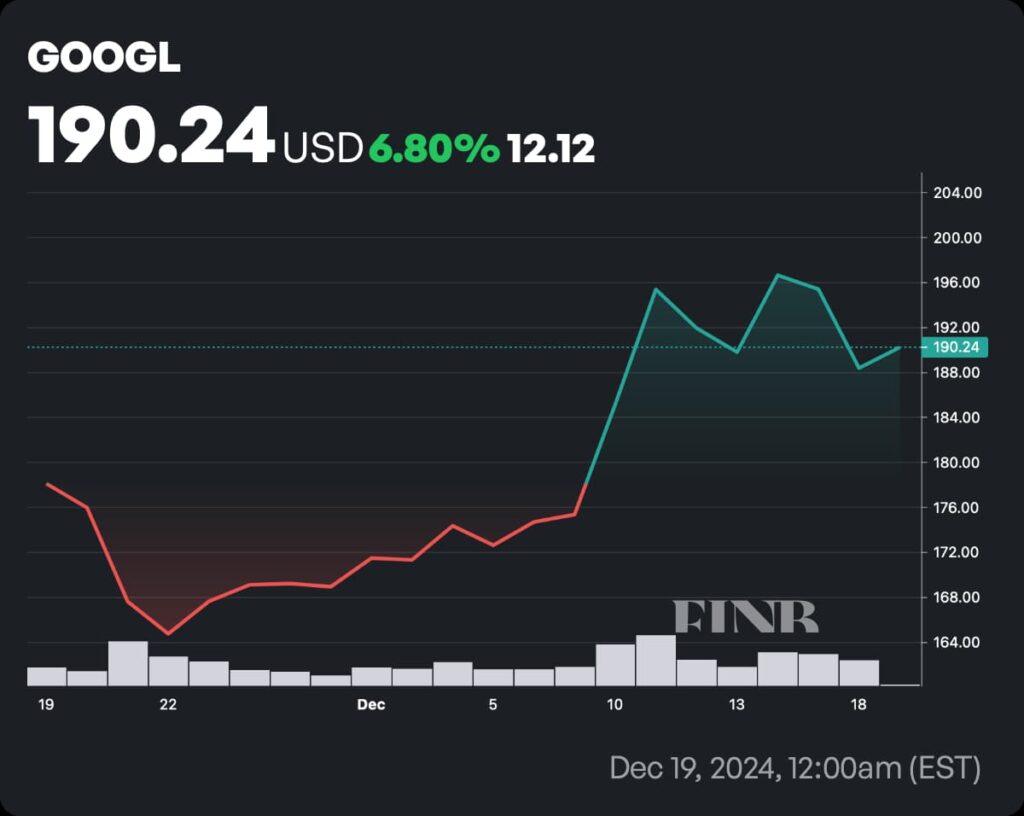
Continuous Research and Due Diligence
The investment landscape is constantly evolving, and even a company as stable as Alphabet requires ongoing monitoring. Smart investors don’t just “buy and hold”; they “buy, hold, and monitor.” This involves staying informed about:
- Company News: Keep up with Alphabet’s quarterly earnings reports, product launches, strategic partnerships, and leadership changes.
- Industry Trends: Monitor developments in digital advertising, cloud computing, AI, and regulatory environments that could impact Alphabet’s various businesses.
- Competitive Landscape: Understand what competitors are doing and how Alphabet is responding to competitive pressures.
- Macroeconomic Factors: Be aware of broader economic conditions, inflation, interest rates, and geopolitical events that can influence market sentiment and consumer spending.
Thorough and continuous due diligence ensures that your investment thesis for Alphabet remains valid and allows you to make informed decisions about whether to hold, add to, or reduce your position over time. Investing in “Google stock” is investing in a dynamic, powerful, and complex entity, and an informed approach is the cornerstone of long-term financial success.