
The Core of Frontier’s Fleet Strategy: The Airbus A320 Family
Frontier Airlines, a prominent ultra-low-cost carrier (ULCC) in North America, operates an exclusively Airbus fleet, a strategic decision deeply rooted in its business finance model. This uniformity is not coincidental; it is a cornerstone of their operational efficiency and cost control, directly impacting their profitability and ability to offer highly competitive fares. The airline primarily utilizes aircraft from the Airbus A320 family, a decision that underpins their entire financial architecture. This family includes various models, each selected for its specific contribution to the airline’s overarching financial goals.

The A320ceo and A320neo Series: Efficiency at Scale
Historically, Frontier’s fleet has been built around the Airbus A320ceo (current engine option) series. However, a significant pivot towards modernization has seen a rapid expansion of the A320neo (new engine option) family. The A320neo, with its advanced engines (either Pratt & Whitney PW1100G-JM or CFM LEAP-1A) and aerodynamic enhancements like Sharklets, represents a critical financial upgrade. These technological advancements translate directly into substantial fuel savings, a paramount consideration for any airline, especially a ULCC. Fuel costs are often the largest or second-largest operating expense for an airline, so even a marginal improvement in efficiency across a large fleet can result in tens of millions of dollars in annual savings. For Frontier, deploying A320neo aircraft means lower per-seat mile costs, enhancing their competitive edge and improving their profit margins on each route. The A320neo typically offers a 15-20% improvement in fuel efficiency compared to its ceo predecessor, a figure that resonates powerfully with financial analysts and investors assessing the airline’s long-term viability.
The A321neo: Expanding Capacity and Reach
Beyond the A320neo, Frontier has increasingly incorporated the larger Airbus A321neo into its fleet plans. The A321neo, as the longest variant of the A320 family, offers significantly more seating capacity – often exceeding 230 passengers in Frontier’s high-density configuration. From a financial perspective, this added capacity is a game-changer. It allows Frontier to carry more passengers per flight, thereby spreading fixed operating costs (like pilot salaries, landing fees, and aircraft depreciation) over a larger revenue base. This results in an even lower unit cost (cost per available seat mile, or CASM), a key metric for ULCCs. The A321neo also boasts an extended range compared to the A320neo, enabling Frontier to explore new, longer-haul routes that might have previously been economically unfeasible with smaller aircraft. This expansion of route potential opens up new revenue streams and market opportunities, directly contributing to the airline’s growth strategy and financial performance. The decision to invest heavily in the A321neo signals a strategic intent to leverage economies of scale and optimize network profitability.
Economic Advantages of a Single-Type Fleet
Frontier’s commitment to an all-Airbus A320 family fleet is not merely a preference; it is a meticulously calculated financial strategy that yields numerous operational and cost benefits. This singular focus on one aircraft family profoundly impacts their business finance, allowing for unparalleled efficiencies that are difficult for more diverse fleets to achieve.
Reduced Training and Maintenance Costs
One of the most significant financial advantages of a single-type fleet is the substantial reduction in training and maintenance expenditures. Pilots, flight attendants, and ground crew require specific training for each aircraft type they operate. With a uniform fleet, training programs can be standardized, minimizing the need for diverse curricula, simulators, and instructors. This translates directly into lower training costs and faster qualification times for personnel, reducing labor expenses. Similarly, maintenance operations are vastly simplified. Mechanics become specialists in a single aircraft type, leading to quicker diagnoses, more efficient repairs, and less downtime for aircraft. This operational efficiency means planes spend more time in the air generating revenue and less time on the ground incurring costs. Furthermore, the specialized knowledge base reduces the likelihood of maintenance errors, enhancing safety and avoiding costly rectifications.
Streamlined Parts Inventory and Supply Chain
Maintaining a diverse fleet necessitates a vast and complex inventory of spare parts for each aircraft type. This requires significant capital tied up in inventory, extensive warehouse space, and sophisticated logistics management. By operating only the A320 family, Frontier can drastically streamline its parts inventory. Commonality across the family means many components are interchangeable, reducing the variety and volume of parts that need to be stocked. This leads to lower inventory holding costs, reduced waste, and simplified supply chain management. Bulk purchasing of common parts also allows Frontier to negotiate more favorable terms with suppliers, further driving down costs. This lean inventory approach frees up capital that can be deployed elsewhere, such as fleet modernization or network expansion, directly improving the airline’s financial liquidity and strategic flexibility.
Operational Flexibility and Resource Allocation
A single-type fleet also offers superior operational flexibility, which has tangible financial benefits. In the event of an unscheduled maintenance issue or a flight delay, any aircraft in the fleet can be substituted for another without requiring different ground equipment, gates, or specialized crews. This interchangeable nature minimizes disruptions, reduces delay-related compensation costs, and helps maintain on-time performance, a crucial factor for customer satisfaction and avoiding penalties. Furthermore, resource allocation, from gate assignments to maintenance slots, becomes far simpler and more efficient. This optimization of resources allows Frontier to maximize aircraft utilization rates, ensuring that their capital assets are consistently generating revenue rather than sitting idle.
Fuel Efficiency and Environmental Impact: A Financial Imperative
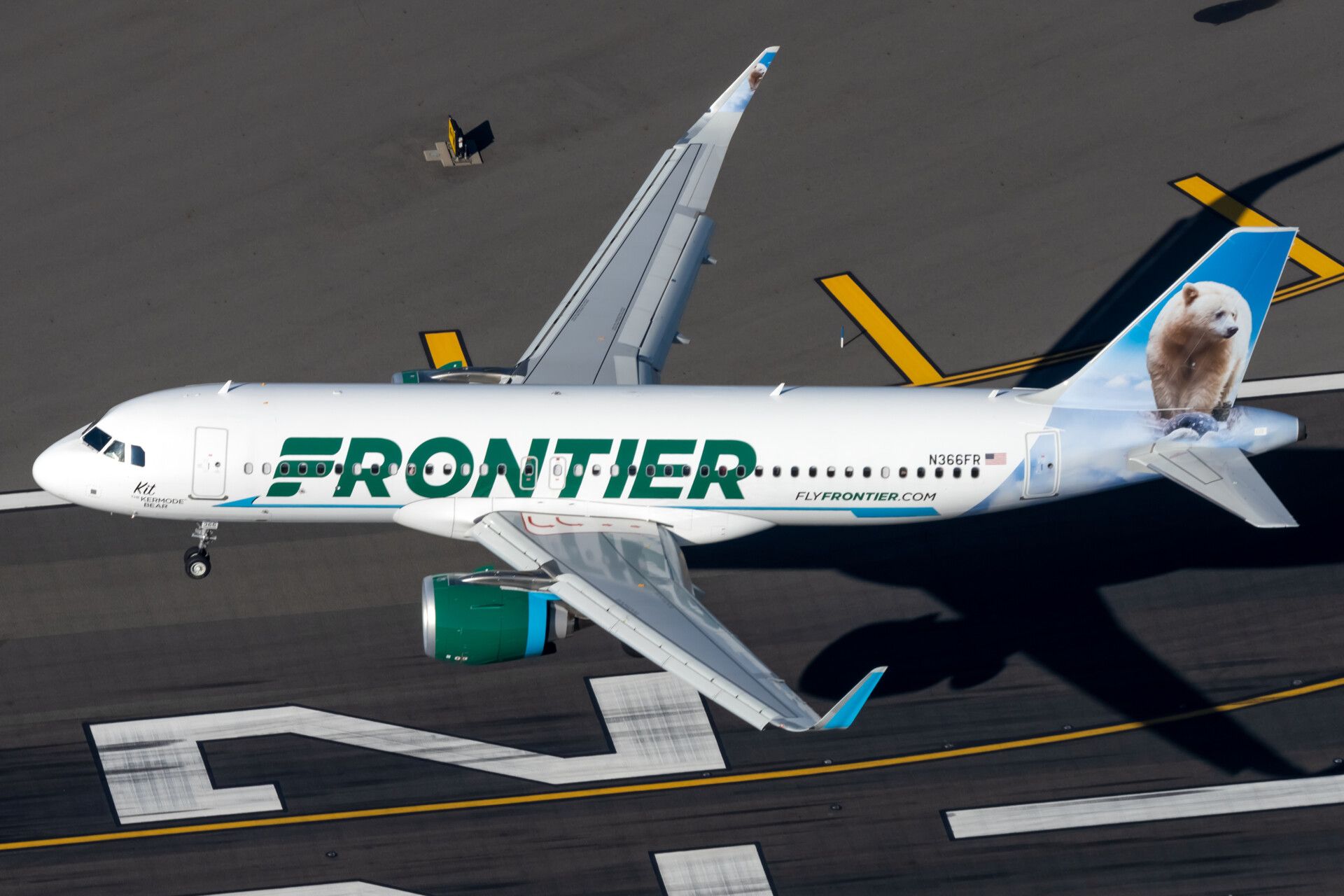
For an airline, fuel is an immense and volatile expense, making fuel efficiency a paramount financial imperative. Frontier’s strategic choice to rapidly modernize its fleet with the Airbus A320neo family is a direct response to this economic reality, positioning the airline for long-term financial resilience and sustainability.
The Neo Advantage: Lower Operating Costs
The “neo” in A320neo stands for “new engine option,” and these advanced engines (specifically the Pratt & Whitney PW1100G-JM and CFM LEAP-1A) are the cornerstone of the aircraft’s superior fuel efficiency. These engines, coupled with aerodynamic improvements like Sharklets on the wingtips, deliver a significant reduction in fuel burn – typically between 15% to 20% compared to the previous generation A320ceo. For an airline operating hundreds of flights daily, this percentage translates into millions of dollars in annual savings. Lower fuel burn directly reduces the per-flight operating cost, which is crucial for Frontier’s ULCC model, allowing them to maintain low fares while preserving or even improving profit margins. In an industry where fuel price fluctuations can severely impact financial performance, a fuel-efficient fleet acts as a powerful hedge against rising energy costs, providing greater financial stability and predictability.
Long-Term Savings and Competitive Edge
Beyond immediate operational cost reductions, the fuel efficiency of the A320neo family provides Frontier with a significant long-term competitive advantage. As environmental regulations tighten and the demand for sustainable travel grows, operating a modern, fuel-efficient fleet positions Frontier favorably. This not only enhances its corporate image but also potentially reduces exposure to future carbon taxes or emissions trading schemes, which represent growing financial risks for less efficient airlines. The lower cost structure enables Frontier to maintain its position as a leading ULCC, putting pressure on competitors and attracting price-sensitive travelers. This ability to consistently offer competitive fares while managing costs effectively is a key driver of market share growth and sustained profitability, making fleet modernization an investment in future financial health rather than just an operational upgrade.
Maximizing Revenue: Seating Configuration and Ancillary Services
While Frontier’s aircraft choices are fundamentally driven by cost efficiency, their interior configurations and associated revenue strategies are equally critical to their financial success. The aircraft themselves are platforms for implementing a business model that maximizes revenue per flight.
High-Density Layouts for Profitability
Frontier optimizes the interior of its Airbus A320 family aircraft for maximum seating capacity. This high-density configuration is a hallmark of the ULCC model. By fitting more seats into each aircraft, Frontier can spread its fixed costs (fuel, crew salaries, maintenance, depreciation) over a larger number of paying passengers. This results in a lower cost per available seat mile (CASM) and, consequently, a higher potential profit margin per flight, even with lower base fares. While such configurations might lead to less personal space for passengers, the financial calculus is clear: more seats equal more revenue opportunities. The careful balance between passenger comfort (enough to attract customers) and revenue maximization (packing as many seats as safely and legally possible) is central to their financial strategy. This approach directly impacts their ability to offer “bare bones” low fares, attracting a large segment of the travel market.
The Role of Ancillary Revenue in the ULCC Model
Critically, the aircraft itself, with its high-density seating, is the vehicle for Frontier’s robust ancillary revenue strategy. Unlike full-service carriers where a single fare often includes baggage, seat selection, and meals, Frontier unbundles these services. Every item beyond the basic seat — from carry-on bags and checked luggage to seat assignments and onboard refreshments — is an additional charge. The aircraft’s design implicitly supports this by having standard seats (often pre-reclined) with the option to pay for extra legroom or specific seat locations. This unbundling significantly inflates the actual revenue per passenger beyond the initial ticket price. Ancillary revenues typically represent a substantial portion of Frontier’s total revenue, often accounting for 40-50% or even more. The uniform fleet simplifies the implementation and communication of these ancillary offerings, as passenger expectations and service procedures are consistent across all flights. This stream of income is paramount to the ULCC business model, converting low base fares into profitable operations and acting as a major differentiator in their financial performance compared to legacy carriers.
Fleet Modernization and Future Financial Performance
Frontier’s ongoing commitment to fleet modernization with new generation Airbus A320neo and A321neo aircraft is a clear indicator of its future financial strategy. This continuous investment directly impacts its long-term viability, growth potential, and appeal to investors.
Strategic Investments for Sustained Growth
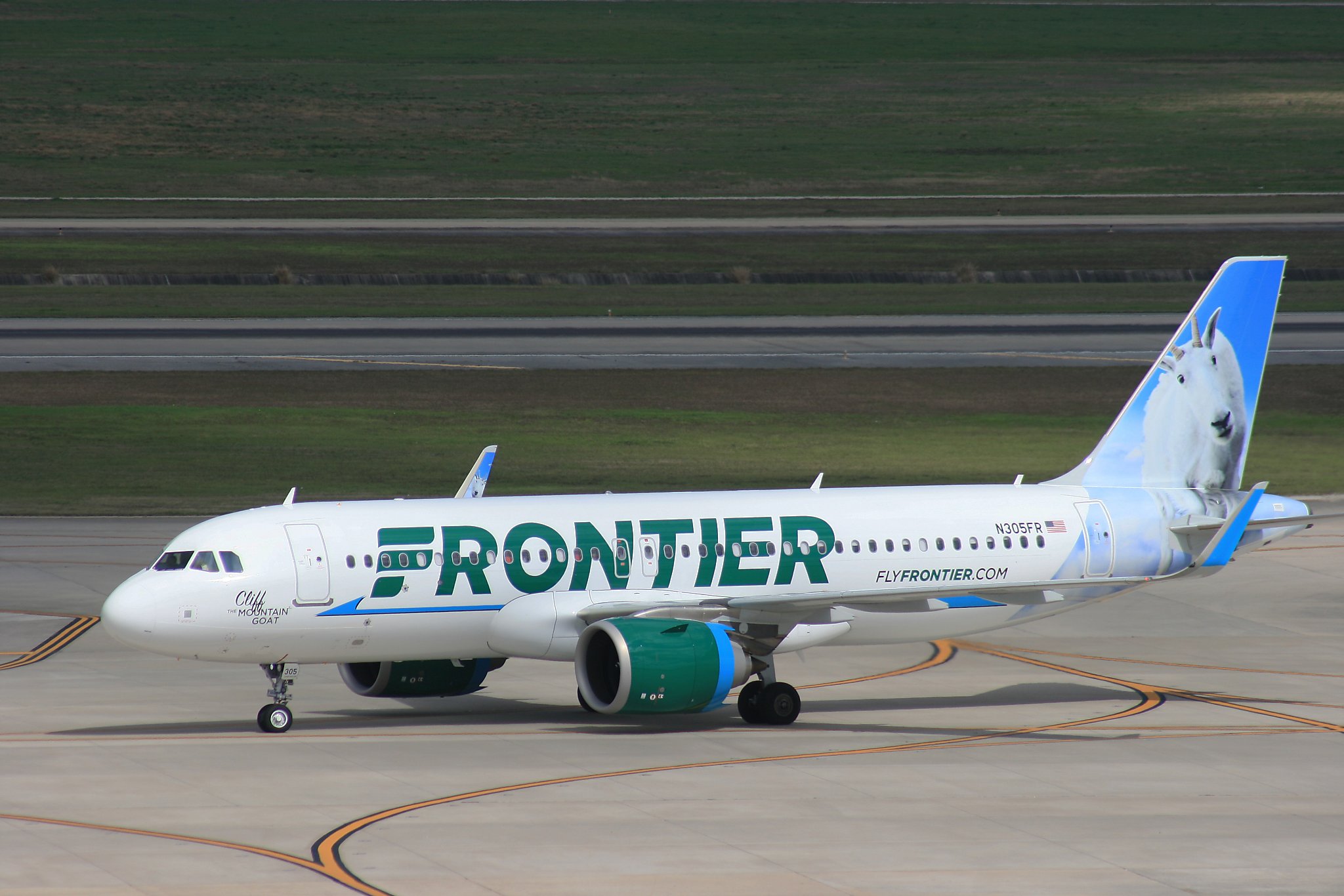
The substantial order book for new A320neo family aircraft signifies Frontier’s strategy for sustained growth and market expansion. These new aircraft are not just replacements for older models; they are drivers of increased capacity, allowing Frontier to add new routes, increase frequencies on existing profitable routes, and penetrate new markets. Each new, fuel-efficient aircraft delivered bolsters the airline’s financial strength by reducing operating costs and enhancing revenue potential. This continuous influx of modern aircraft ensures that Frontier maintains a relatively young and efficient fleet, which is crucial for controlling maintenance costs and minimizing operational disruptions as aircraft age. Strategic investments in new aircraft are critical capital expenditures, but they are designed to generate superior returns over their operational lifespan, contributing directly to shareholder value and long-term enterprise growth.
Impact on Investor Confidence and Market Valuation
For investors, an airline’s fleet strategy is a key indicator of its financial health and future prospects. A modern, fuel-efficient, and standardized fleet like Frontier’s signals strong management, a clear cost-control strategy, and resilience against market volatility (especially fuel price shocks). It reflects prudent capital allocation and an understanding of operational economics. This positively influences investor confidence, potentially leading to higher stock valuations and easier access to capital markets for future financing needs. The predictability of maintenance schedules, the lower environmental footprint, and the consistent operational performance associated with a modern, uniform fleet all contribute to a more stable and attractive investment profile. Ultimately, Frontier’s choice of planes is not just an operational detail; it is a fundamental pillar of its financial strategy, designed to ensure profitability, drive growth, and deliver value to its stakeholders in the highly competitive airline industry.
aViewFromTheCave is a participant in the Amazon Services LLC Associates Program, an affiliate advertising program designed to provide a means for sites to earn advertising fees by advertising and linking to Amazon.com. Amazon, the Amazon logo, AmazonSupply, and the AmazonSupply logo are trademarks of Amazon.com, Inc. or its affiliates. As an Amazon Associate we earn affiliate commissions from qualifying purchases.