
Navigating the labyrinthine world of airfare pricing can feel like a high-stakes game of chance. For many, the quest for the cheapest flight isn’t just about saving a few dollars; it’s a critical component of personal financial planning, allowing budgets to stretch further, travel dreams to become realities, and overall financial well-being to be maintained. In an era where dynamic pricing models and sophisticated algorithms dictate ticket costs, understanding the optimal booking window is less about luck and more about strategic financial foresight. This article delves into the financial intricacies of air ticket purchasing, providing actionable insights for savvy travelers aiming to maximize their savings and optimize their travel budgets.
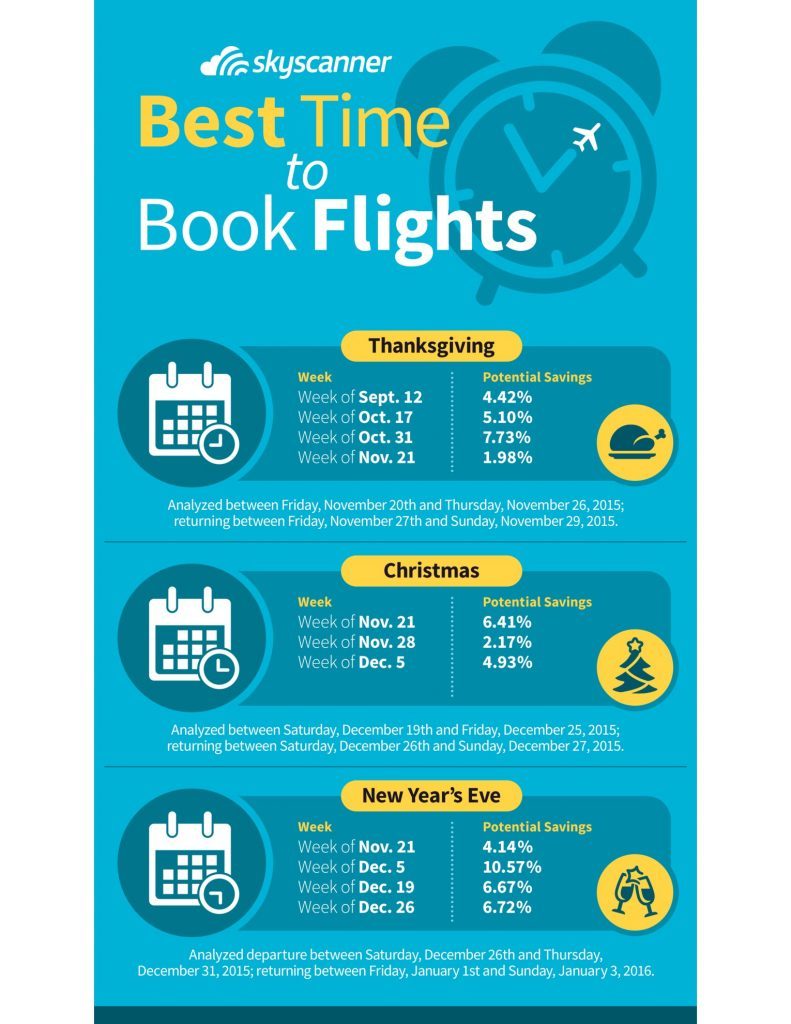
The Financial Imperative of Smart Travel Booking
At its core, booking air tickets is a financial transaction, and like any investment or significant purchase, timing can dramatically impact its cost-effectiveness. For individuals and families, travel expenses often represent a substantial portion of discretionary spending. Therefore, any strategy that mitigates these costs directly contributes to better personal financial management, freeing up capital for other investments, savings, or spending priorities. The allure of travel is undeniable, but the stress of overpaying can detract from the experience before it even begins. By approaching airfare booking with a financial mindset, travelers can transform a potentially costly necessity into an opportunity for significant savings.
Airlines employ complex revenue management systems that adjust prices based on a multitude of factors, including demand, capacity, competitor pricing, historical data, and even the time of day a search is performed. This dynamic pricing model means that the price of a seat can change multiple times within a single day, leading to considerable frustration for consumers. However, this volatility also creates opportunities for those who understand its underlying financial principles. The goal isn’t just to find a cheap ticket, but to consistently find the best value for your money, a cornerstone of sound personal finance. This involves not only saving cash but also strategically utilizing credit card rewards, loyalty points, and other financial tools to minimize out-of-pocket expenses.
Understanding Dynamic Pricing: The Core of Airline Ticket Costs
To truly master the art of booking financially advantageous air tickets, one must first grasp the mechanisms behind airline pricing. It’s not a fixed rate but a fluid market influenced by supply, demand, and sophisticated algorithms designed to maximize airline revenue. From a financial perspective, airlines are constantly seeking the optimal price point that fills their planes while charging each customer the maximum they are willing to pay.
The Algorithm’s Invisible Hand
Airline pricing algorithms are incredibly complex, taking into account hundreds of variables. These include:
- Historical Data: Analyzing past booking patterns for similar routes and dates.
- Competitor Pricing: Adjusting fares in real-time based on what other airlines are charging for the same route.
- Load Factor: How many seats are already sold on a particular flight. As a flight fills up, prices tend to rise.
- Route Popularity: High-demand routes during peak seasons naturally command higher prices.
- Booking Class Availability: Airlines allocate a certain number of seats to different “fare buckets” (e.g., economy basic, economy flexible), each with its own price and restrictions. As cheaper buckets sell out, only more expensive ones remain.
This means that searching for a flight on a Tuesday morning might yield a different price than searching on a Saturday evening, not necessarily due to a human intervention but because the algorithm has re-evaluated demand signals and adjusted its pricing strategy. For the financially astute traveler, this highlights the need for persistent monitoring and strategic timing rather than impulsive purchasing.
Demand and Supply: The Fundamental Economic Drivers
At its most basic economic level, airfare pricing follows the principles of supply and demand.
- High Demand, Low Supply: During peak travel seasons (holidays, summer vacation, major events), demand for flights often outstrips the available supply of seats, leading to significantly higher prices. Financially, this means purchasing during these times without careful planning is often a costly mistake.
- Low Demand, High Supply: Conversely, during off-peak seasons or on less popular routes, airlines may lower prices to stimulate demand and fill empty seats. This is where financially savvy travelers can find excellent value.
- Business vs. Leisure Travel: Airlines also segment their market. Business travelers often book last-minute and are less price-sensitive, allowing airlines to charge higher fares for short-notice bookings. Leisure travelers, who typically book further in advance, are more price-sensitive, which is why early booking rewards can be substantial for them. Recognizing these segments helps explain why a flight booked three days out can be astronomically expensive compared to one booked three months out.
Strategic Booking Windows: Days, Weeks, Months
The conventional wisdom that “earlier is always better” isn’t entirely accurate when it comes to booking air tickets for optimal financial outcomes. There are specific booking windows that historical data and pricing trends suggest offer the best value for money, depending on whether you’re flying domestically or internationally.
The “Sweet Spot” for Domestic Flights
For domestic travel, the consensus among financial experts and travel data analysts points to a booking window of 1 to 3 months (approximately 28 to 115 days) in advance.
- Beyond 3 Months: While you might find some good deals, prices tend to be higher this far out as airlines have not yet fully released their discounted fare buckets. They are testing the market and waiting for more data.
- Within 1 Month: Prices generally begin to climb steadily as demand solidifies and cheaper fare classes sell out. Airlines know that last-minute travelers often have less flexibility and are willing to pay a premium.
- The “Golden Window”: Many studies suggest the absolute best deals often appear around 45-60 days out. This is where airlines start to fine-tune their pricing based on initial sales and predicted demand, often releasing promotional fares.
International Travel: A Longer Lead Time
International flights typically require a longer financial planning horizon. The optimal booking window for overseas journeys is generally 3 to 6 months (approximately 90 to 180 days) in advance.
- Why Longer? International routes often involve more complex logistics, higher operating costs for airlines, and less frequent service compared to domestic routes. This leads to higher price volatility and a greater premium on early bookings.
- Peak Season Exception: For highly popular international destinations during peak season (e.g., Europe in summer, Caribbean during winter holidays), extending this window to 6-9 months or even a year can yield significant financial advantages. These routes fill up quickly, and waiting too long almost guarantees paying a substantial premium.
Best Day of the Week to Book
While the impact of the day of the week on prices has diminished with dynamic pricing, some patterns persist:
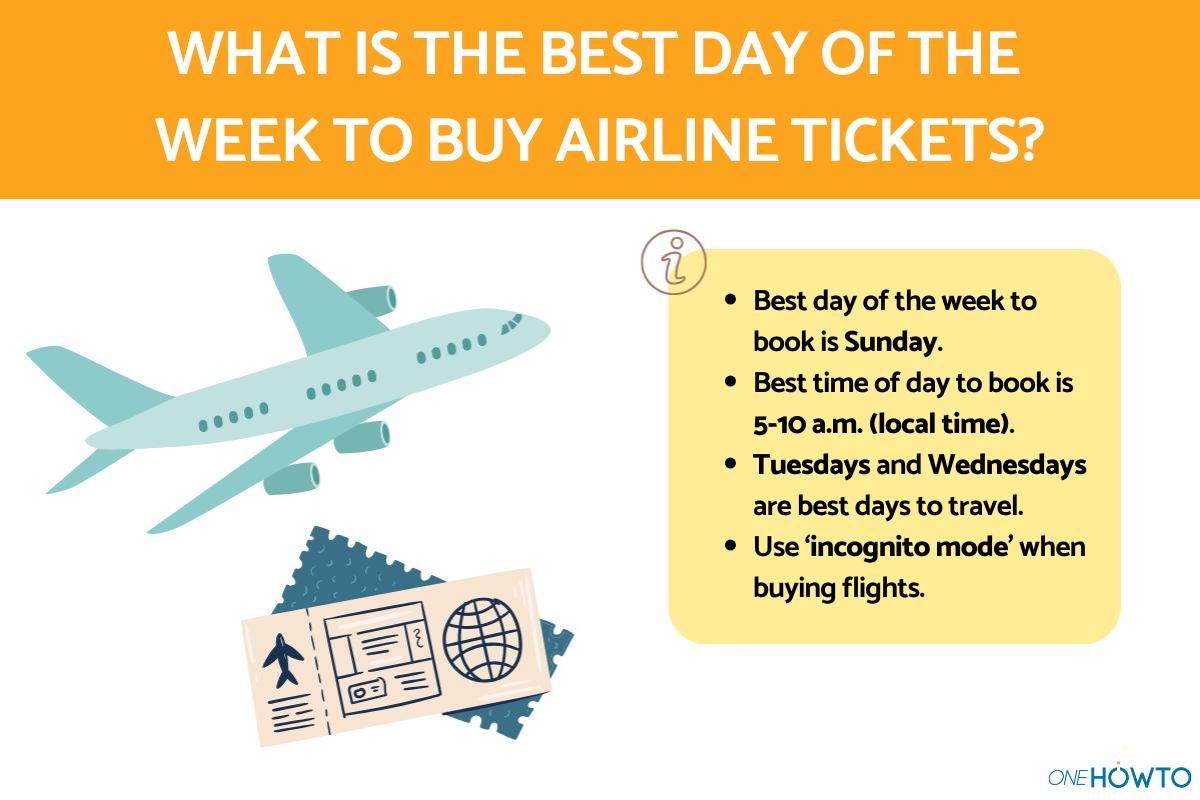
- Tuesday and Wednesday: Traditionally, these days have been cited as the best for booking. The theory is that airlines release sales on Monday evenings, and by Tuesday morning, competitors have matched those prices, creating a brief window of lower fares.
- Weekend Prices: Weekend prices (Friday through Sunday) tend to be higher as business travelers are typically not booking, and leisure travelers have more time to browse. Airlines capitalize on this convenience.
- Flexibility is Key: The most significant financial saving comes from being flexible with your travel dates, not necessarily your booking day. Flying mid-week (Tuesday-Thursday) often costs less than flying on peak weekend days (Friday-Monday).
Leveraging Tools and Tactics for Optimal Savings
Beyond merely knowing when to book, employing a suite of financial tools and smart booking tactics can further amplify your savings and ensure you’re getting the absolute best deal. This involves active research, strategic comparison, and intelligent use of financial products.
Price Prediction Tools and Alerts
Modern technology offers powerful allies in the quest for cheap flights.
- Fare Alert Services: Websites like Google Flights, Skyscanner, Kayak, and Hopper allow you to set up price alerts for specific routes and dates. You’ll receive email notifications when the fare drops or rises, allowing you to pounce on a good deal as soon as it appears. This is a passive but effective financial monitoring strategy.
- Price Prediction Algorithms: Some tools, like Hopper, go a step further by analyzing historical data and current trends to predict whether a fare will rise or fall, advising you to “buy now” or “wait.” While not foolproof, these predictions can provide valuable guidance for your booking decision, helping you avoid costly mistakes.
Flexible Dates and Destinations
The single most impactful financial strategy for saving on airfare is flexibility.
- Flexible Travel Dates: If your schedule permits, searching for flights across a range of dates (e.g., “whole month” view on Google Flights) can reveal significantly cheaper options just a few days before or after your initial preference. Shifting your departure or return by a day or two can sometimes save hundreds of dollars.
- Flexible Destinations: If you’re open to where you travel, using “explore” or “everywhere” search functions on flight aggregators can uncover amazing deals to unexpected destinations. This allows demand-driven pricing to work in your favor, as you can select routes where airlines are struggling to fill seats.
Loyalty Programs and Credit Card Perks
Smart utilization of financial products is paramount for reducing travel costs.
- Airline Loyalty Programs: Accumulating miles or points through an airline’s frequent flyer program can lead to free flights or significant discounts. Even without elite status, basic membership can offer perks.
- Travel Rewards Credit Cards: Many credit cards offer generous sign-up bonuses (tens of thousands of miles/points) and accrue points on everyday spending that can be redeemed for flights. Beyond points, some cards offer benefits like free checked bags, travel insurance, airport lounge access, and statement credits for travel expenses, all of which represent tangible financial savings. Choosing the right travel credit card should be a key component of any budget-conscious traveler’s financial strategy.
- Using Points Strategically: The value of points varies. Learn when to use them for maximum financial impact (e.g., for expensive international flights or during peak season when cash fares are exorbitant).
Incognito Mode and VPNs: Myth vs. Reality
While often debated, the idea of using incognito mode or a VPN to find cheaper flights stems from the belief that websites track your searches and raise prices.
- Incognito Mode: While clearing cookies or using incognito mode prevents websites from knowing your browsing history, it’s unlikely to significantly impact dynamic pricing in real-time. Airlines’ algorithms are far more complex than simply jacking up prices based on your personal search history. Their pricing is based on a global demand curve, not an individual’s browsing habits.
- VPNs: Using a VPN to appear as if you’re searching from a different country can sometimes yield different prices, particularly for international flights, as airlines may offer region-specific pricing. However, this is not a consistent strategy and can sometimes lead to complications with payment or booking if the airline suspects you are circumventing their intended market. This tactic is more experimental than a reliable financial strategy.
Beyond Timing: Other Money-Saving Strategies
Optimizing your airfare booking isn’t solely about timing. Several other financial decisions and practical considerations can further reduce your overall travel expenditure.
Budget Airlines vs. Full-Service Carriers
- Financial Trade-offs: Budget airlines often offer significantly lower base fares, making them attractive for the financially astute. However, their business model relies heavily on unbundling services, meaning you’ll pay extra for everything from checked bags and seat selection to in-flight meals and even printing your boarding pass at the airport.
- Total Cost Analysis: Before booking with a budget carrier, perform a total cost analysis. Add up all the potential extras you might need. Sometimes, a slightly more expensive full-service carrier might offer better value when all additional costs are factored in, as they often include checked bags, seat selection, and in-flight amenities in the base fare. This is a critical exercise in understanding true cost versus advertised price.
Hidden Fees and Baggage Policies
- Scrutinize the Fine Print: Always read the airline’s baggage policy carefully before booking. Carry-on and checked bag fees can add a substantial amount to your ticket cost, sometimes making a seemingly cheap flight quite expensive. Weight and size restrictions also vary widely.
- Seat Selection Fees: Many airlines now charge for advanced seat selection. If you don’t need a specific seat, consider skipping this fee and letting the airline assign you one at check-in (though this comes with the risk of not sitting with companions).
- Change and Cancellation Fees: Understand the financial implications of needing to change or cancel your flight. Basic economy fares, while cheapest, often come with stringent no-change/no-refund policies, which can be a costly trap if your plans are uncertain. Investing in a slightly more flexible fare might be a wise financial decision for peace of mind.
Connecting Flights vs. Direct
- Cost vs. Convenience: Direct flights are almost always more expensive due to their convenience. Connecting flights, especially those with longer layovers or less popular routes, are typically cheaper.
- Risk Assessment: While saving money, consider the financial risks associated with connecting flights: potential missed connections, lost luggage, and increased travel time. Evaluate if the monetary savings outweigh these potential inconveniences and risks to your travel schedule and peace of mind. For critical appointments or tight schedules, the financial investment in a direct flight might be worthwhile.

Conclusion
Booking air tickets isn’t just about getting from point A to point B; it’s a significant financial decision that impacts your personal budget and travel experiences. By understanding the dynamics of airline pricing, strategically timing your purchases within optimal booking windows, and intelligently leveraging financial tools and booking tactics, you can consistently secure better deals. While there’s no single magic formula, a proactive, financially informed approach to airfare booking ensures that your travel dreams remain affordable, allowing you to allocate more resources to enriching experiences rather than inflated ticket prices. Plan smart, save big, and enjoy the journey.
aViewFromTheCave is a participant in the Amazon Services LLC Associates Program, an affiliate advertising program designed to provide a means for sites to earn advertising fees by advertising and linking to Amazon.com. Amazon, the Amazon logo, AmazonSupply, and the AmazonSupply logo are trademarks of Amazon.com, Inc. or its affiliates. As an Amazon Associate we earn affiliate commissions from qualifying purchases.