
The quest for affordable airfare is a universal pursuit for travelers worldwide. In an age where travel has become more accessible yet seemingly more complex to budget for, understanding the dynamics of flight pricing can be the difference between a dream vacation and a budget-busting nightmare. For the financially savvy individual, pinpointing the cheapest time to book flights isn’t just about a good deal; it’s about smart personal finance, maximizing travel opportunities, and ensuring that hard-earned money stretches further. While there’s no single magic bullet answer, a combination of insights into airline algorithms, market trends, and strategic booking habits can significantly reduce your travel expenses, making your financial goals and wanderlust perfectly aligned.

Understanding the Dynamics of Flight Pricing
Before diving into specific booking windows, it’s crucial to grasp that flight prices are not static. They are a constantly fluctuating commodity, influenced by a complex web of factors that airline revenue management systems meticulously analyze. Understanding these underlying mechanisms is the first step toward making financially astute booking decisions.
Airline Revenue Management Systems
At the heart of flight pricing are sophisticated algorithms designed to maximize an airline’s revenue. These systems dynamically adjust prices based on real-time data, including demand for a specific route, available seats, competitor pricing, booking trends, and even the time of day a search is performed. As a flight fills up, or as the departure date approaches and demand increases, prices generally rise. Conversely, if a flight is undersold, prices might drop to stimulate bookings. This dynamic pricing model means that two passengers on the same flight could have paid vastly different fares simply because they booked at different times or under different circumstances.
Factors Influencing Price
Beyond the algorithms, several tangible factors contribute to the volatility of flight prices. Fuel costs are a primary driver, with airlines passing on fluctuations to consumers. Competition on a particular route can lead to price wars, temporarily driving fares down. The overall economic climate, major global events, and even local holidays can significantly impact demand and, consequently, pricing. Furthermore, the time of year is critical; peak travel seasons like summer holidays, Christmas, and spring break invariably see higher prices due to increased demand. Even the specific day of the week or time of day you wish to fly can influence the fare, with less popular slots often being cheaper.
The Illusion of a Single “Cheapest Day”
Many myths circulate about the “cheapest day” to book flights – Tuesdays being a popular contender. While there might be historical data suggesting minor trends, relying on a single day as a universal truth is misleading. Airlines don’t have a fixed “Tuesday sale” button. Instead, any perceived dip on a Tuesday might be a result of competitor adjustments from the previous weekend, or a natural ebb in booking activity after the weekend rush. The reality is far more nuanced, relying on the interplay of the factors mentioned above rather than a predictable weekly cycle. The focus should shift from a mythical “cheapest day to book” to understanding the optimal booking window.
The “Sweet Spot” for Booking: Timing is Everything
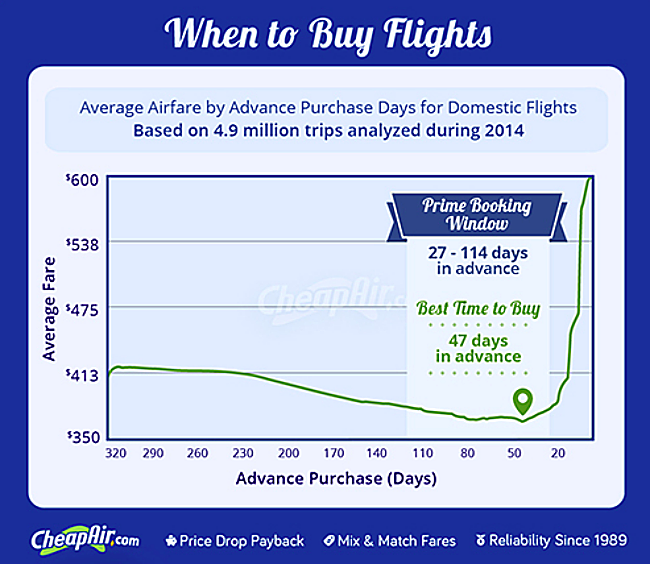
While there’s no magic “cheapest day,” there is a generally accepted “sweet spot” or optimal booking window that, based on extensive data analysis, tends to yield the best prices. This window varies depending on whether you’re flying domestically or internationally, and understanding it is key to sound financial planning for travel.
Domestic Flights
For most domestic routes, the consensus among travel experts and data scientists points to booking between 1 to 3 months (approximately 28 to 115 days) before departure. Within this window, airlines are often trying to balance filling seats without resorting to deep discounts, as last-minute business travelers might pay a premium. Booking too early (e.g., 6+ months out) can sometimes lead to higher prices because airlines initially set fares high to capture early planners, only adjusting downwards as the departure date approaches and they get a clearer picture of demand. Booking too late, especially within 14-21 days of departure, almost always results in inflated prices as airlines cater to urgent travelers with fewer options.
International Flights
International travel, with its longer lead times and higher stakes, demands an earlier booking strategy. The optimal window for international flights typically ranges from 2 to 8 months (approximately 50 to 320 days) before departure. The further and more popular the destination, the earlier you should consider booking. This extended window allows you to monitor price fluctuations over a longer period, capitalize on early bird discounts, and avoid the steep price hikes associated with high demand or limited availability closer to the travel date. International flights often have fewer daily departures and more complex logistics, meaning airlines have less flexibility for last-minute price adjustments.
Last-Minute Deals: A Risky Bet
While the allure of a spontaneous, last-minute deal is strong, relying on them for significant savings is a high-risk strategy, especially for popular routes. These deals are rare and usually occur only if an airline desperately needs to fill a few remaining seats on an undersold flight, often for less desirable times or indirect routes. For the average traveler, booking within two weeks of departure almost guarantees paying a premium, sometimes double or triple the price available a few months prior. Financially prudent travelers plan ahead, as spontaneity often comes with a hefty price tag.
Booking Too Early
It’s a common misconception that booking a flight as soon as it’s released is always the cheapest option. In reality, airlines often price their initial tickets relatively high to gauge demand and capture those who absolutely need to book far in advance (e.g., for specific events or business trips). As the departure date draws closer, and their revenue management systems gain more insight into booking patterns, prices may decrease before eventually rising sharply in the final weeks. This initial high pricing phase means that booking too early can actually cost you more than waiting for the “sweet spot.”
Strategic Days and Seasons for Travel & Booking
Beyond the general booking window, specific days of the week for flying and seasons for travel can have a profound impact on the cost of your ticket. Aligning your travel plans with these insights can unlock additional savings.
Cheapest Days to Fly
Statistically, flying mid-week – specifically on Tuesdays, Wednesdays, and Thursdays – tends to be cheaper than flying on weekends. Fridays and Sundays are often the most expensive due to high demand from business travelers and weekend getaways. Early morning flights (before 8 AM) and late-night flights (after 9 PM) are also frequently cheaper because they are less convenient for most travelers. Opting for these less popular slots can lead to considerable savings, a testament to how convenience often comes at a premium in travel finance.
Avoiding Peak Travel Seasons
The most significant determinant of flight price, outside of the booking window, is the travel season. Peak seasons, which include major holidays (Christmas, New Year’s, Easter, Thanksgiving), summer vacation months (June-August), and school breaks (spring break, mid-term holidays), see a massive surge in demand, leading to substantially higher fares. Financially savvy travelers aim for shoulder seasons – the periods just before or after the peak season (e.g., May or September/October for many destinations). During these times, the weather is often still pleasant, but crowds are thinner and prices for flights and accommodation are significantly lower.
The Impact of Major Events
Specific major events, whether they are international sporting competitions, music festivals, cultural celebrations, or large conferences, can dramatically inflate flight prices to the host city or region. If your travel dates coincide with such an event, even if you’re not attending it, expect prices to soar. Monitoring event calendars for your desired destination can help you avoid these costly periods, or alternatively, capitalize on them if you’re an attendee who plans meticulously far in advance.
Flexibility is Your Friend
Perhaps the single most powerful financial tool in a traveler’s arsenal is flexibility. Being flexible with your departure and arrival dates, even by a day or two, can uncover significantly cheaper fares. Using “flexible date” search functions on flight comparison websites can reveal these opportunities. Similarly, being open to flying into or out of alternate, perhaps smaller, airports near your primary destination can result in substantial savings. Sometimes, the added cost of a short train or bus journey from a less convenient airport is far outweighed by the savings on the flight itself.
Leverage Financial Tools and Smart Habits
In today’s digital age, a multitude of financial tools and smart habits can empower you to find the best flight deals. Integrating these into your booking strategy can turn a good deal into a great one.
Price Tracking Tools & Alerts
Modern personal finance for travel relies heavily on technology. Websites and apps like Google Flights, Skyscanner, Kayak, and Hopper offer price tracking and alert features. You can set up alerts for specific routes and dates, and these tools will notify you when prices drop or are predicted to change. This allows you to “watch” a fare without constantly checking, giving you the power to book when the price hits your desired budget. Hopper even uses predictive analytics to advise whether to “buy now” or “wait.”
Incognito Mode & Clearing Cookies
While the impact is often debated, some travelers swear by searching for flights in incognito or private browsing mode, or by clearing their browser’s cookies. The theory is that airlines and online travel agencies (OTAs) might track your searches and potentially increase prices on routes you’ve repeatedly viewed, creating a sense of urgency. While definitive proof is scarce, it costs nothing to try and ensures you’re starting each search with a clean slate, potentially avoiding any algorithmic attempts to nudge prices higher based on your prior interest.
Comparing Multiple Airlines & OTAs
Never settle for the first price you see. Always compare fares across multiple airlines and various online travel agencies (OTAs) like Expedia, Priceline, or Travelocity. Sometimes booking directly with the airline offers the best price or better customer service, while at other times, an OTA might have an exclusive deal or package offer. Aggregator sites are useful for initial searches, but cross-referencing with airline direct websites is a crucial financial habit.
Loyalty Programs & Credit Card Rewards
For frequent travelers, leveraging airline loyalty programs and travel-focused credit cards is a powerful financial strategy. Accumulating points or miles can lead to free flights, upgrades, or discounts that significantly reduce out-of-pocket expenses. Many travel credit cards offer lucrative sign-up bonuses, airport lounge access, and travel insurance benefits that add value beyond just the flight ticket. Strategically using these financial products requires careful management but can yield substantial long-term savings.
Budget Airlines vs. Full-Service Carriers
Budget airlines can offer incredibly low base fares, appealing to the cost-conscious traveler. However, it’s crucial to understand their business model: they unbundle services, charging extra for everything from checked bags and seat selection to in-flight meals. A full-service carrier, while having a higher initial price, might include these amenities. A thorough financial calculation, factoring in all potential fees for both types of airlines, is necessary to determine which truly offers the cheapest overall travel experience for your specific needs.
Understanding Hidden Fees
The published fare is rarely the final cost. Baggage fees, seat selection charges, booking fees, and even credit card surcharges can quickly add up, significantly inflating the overall expense. Always factor in these potential “hidden” fees when comparing prices. Being aware of them allows you to make an informed financial decision and avoid unpleasant surprises at the airport.
Beyond Timing: Maximizing Your Savings
While the “when” of booking is critical, there are several other tactical considerations that can further chip away at your travel budget. These strategies embody smart financial planning for travel beyond just the flight ticket itself.
Consider Alternate Airports
As briefly mentioned, flying into or out of a smaller, less popular airport near your destination can often be significantly cheaper than using the primary international hub. For instance, flying into London Stansted or Luton instead of Heathrow might save you hundreds, even with the added cost of ground transportation into the city center. Always weigh the total cost, including transfers, against the convenience of a direct flight to the main airport.
One-Way vs. Round-Trip
While round-trip tickets are traditionally cheaper, occasionally, especially for international travel or multi-city itineraries, booking two separate one-way tickets might be more economical. This strategy requires diligent price comparison and is particularly useful if you’re flying into one city and out of another, or if different airlines offer competitive one-way fares that, when combined, beat a single round-trip fare.
The Art of the Layover
Direct flights offer convenience but often come at a premium. Opting for flights with one or more layovers can significantly reduce the ticket price. If you have flexibility with your travel time and don’t mind a longer journey, this can be a smart financial trade-off. Some travelers even intentionally plan longer layovers (stopovers) to explore an additional city at no extra flight cost, effectively getting two destinations for the price of one.
Package Deals
Sometimes, booking a flight and hotel together as a package deal through an OTA can be cheaper than purchasing each component separately. This is because OTAs often negotiate bulk rates with hotels and airlines. However, it’s crucial to still compare the package price against the individual costs of the flight and hotel to ensure you’re genuinely getting a deal and not just bundling convenience. A keen eye for value is always necessary.

Conclusion
The question “When is it the cheapest time to book flights?” doesn’t have a singular, easy answer, but rather a sophisticated tapestry of strategies rooted in smart personal finance. There’s no magical day that guarantees the lowest fare, but rather an optimal booking window, typically 1-3 months out for domestic flights and 2-8 months for international travel. Beyond this timing, understanding the dynamic nature of airline pricing, leveraging financial tools like price trackers, and adopting smart travel habits such as flexibility with dates and airports, are paramount.
By combining an awareness of peak seasons, the willingness to fly during less popular times, and the discipline to compare across various platforms, travelers can significantly reduce their airfare costs. In essence, saving money on flights is an exercise in informed decision-making and strategic financial planning. For the savvy traveler, every dollar saved on airfare is a dollar that can be reinvested into richer travel experiences, further savings, or other financial goals, truly embodying the spirit of responsible money management in the pursuit of adventure.
aViewFromTheCave is a participant in the Amazon Services LLC Associates Program, an affiliate advertising program designed to provide a means for sites to earn advertising fees by advertising and linking to Amazon.com. Amazon, the Amazon logo, AmazonSupply, and the AmazonSupply logo are trademarks of Amazon.com, Inc. or its affiliates. As an Amazon Associate we earn affiliate commissions from qualifying purchases.