
Securing the lowest possible airfare is a financial triumph for any traveler, a direct win for your personal budget or business expense account. It’s not merely about finding a deal; it’s about strategically navigating the complex, dynamic world of airline pricing to maximize your savings. This involves a blend of smart search techniques, opportune timing, leveraging financial tools, and understanding the economics of air travel. By adopting a proactive and informed approach, you can significantly reduce the cost of your flights, freeing up capital for other investments, experiences, or simply bolstering your financial reserves.

Mastering Flight Search Engines and Aggregators
The first line of defense in the quest for cheaper flights lies in effectively utilizing the vast array of online search engines and flight aggregators. These platforms are designed to scour countless airlines and online travel agencies (OTAs) simultaneously, presenting you with a consolidated view of available flights and prices. However, merely inputting your desired destination and dates isn’t enough; true savings come from understanding how to leverage their advanced features.
Leveraging Flexible Search Parameters
Financial flexibility is your greatest asset when hunting for low fares. Most advanced search engines, such as Google Flights, Skyscanner, and Kayak, offer features that allow for variable date searches. Instead of fixed dates, explore options like “flexible dates” over a month, “cheapest month,” or “weekend trips” to a specific destination. Prices can fluctuate wildly day-to-day, and shifting your departure or return by even a single day can result in substantial savings, sometimes hundreds of dollars. Similarly, being open to flying into or out of alternative, nearby airports can unlock significantly lower fares due to varying airport taxes, competition, and airline routes. For instance, flying into a smaller regional airport might cost less than a major international hub, even if it requires a short bus or train transfer, ultimately reducing the overall travel expenditure.
The Incognito Mode Advantage
A common piece of advice in flight searching, backed by anecdotal evidence from financially savvy travelers, is to use your browser’s incognito or private browsing mode. While airlines and OTAs typically deny dynamic pricing based on search history, many users report seeing price increases for routes they’ve searched multiple times. The theory is that websites may track your cookies and raise prices, creating a sense of urgency. By using incognito mode or regularly clearing your browser cookies, you aim to prevent any potential tracking that might influence pricing, ensuring you’re always presented with the baseline, real-time cost rather than an inflated one. This is a simple, no-cost financial hack that provides a psychological advantage and potentially real monetary savings.
Strategic Timing for Optimal Savings
Timing is a critical factor in the financial equation of flight booking. The price of an airline ticket is not static; it’s a dynamic commodity influenced by demand, capacity, seasonal trends, and even the day of the week you purchase it. Understanding these patterns is key to making a financially astute booking decision.
The “Goldilocks” Booking Window
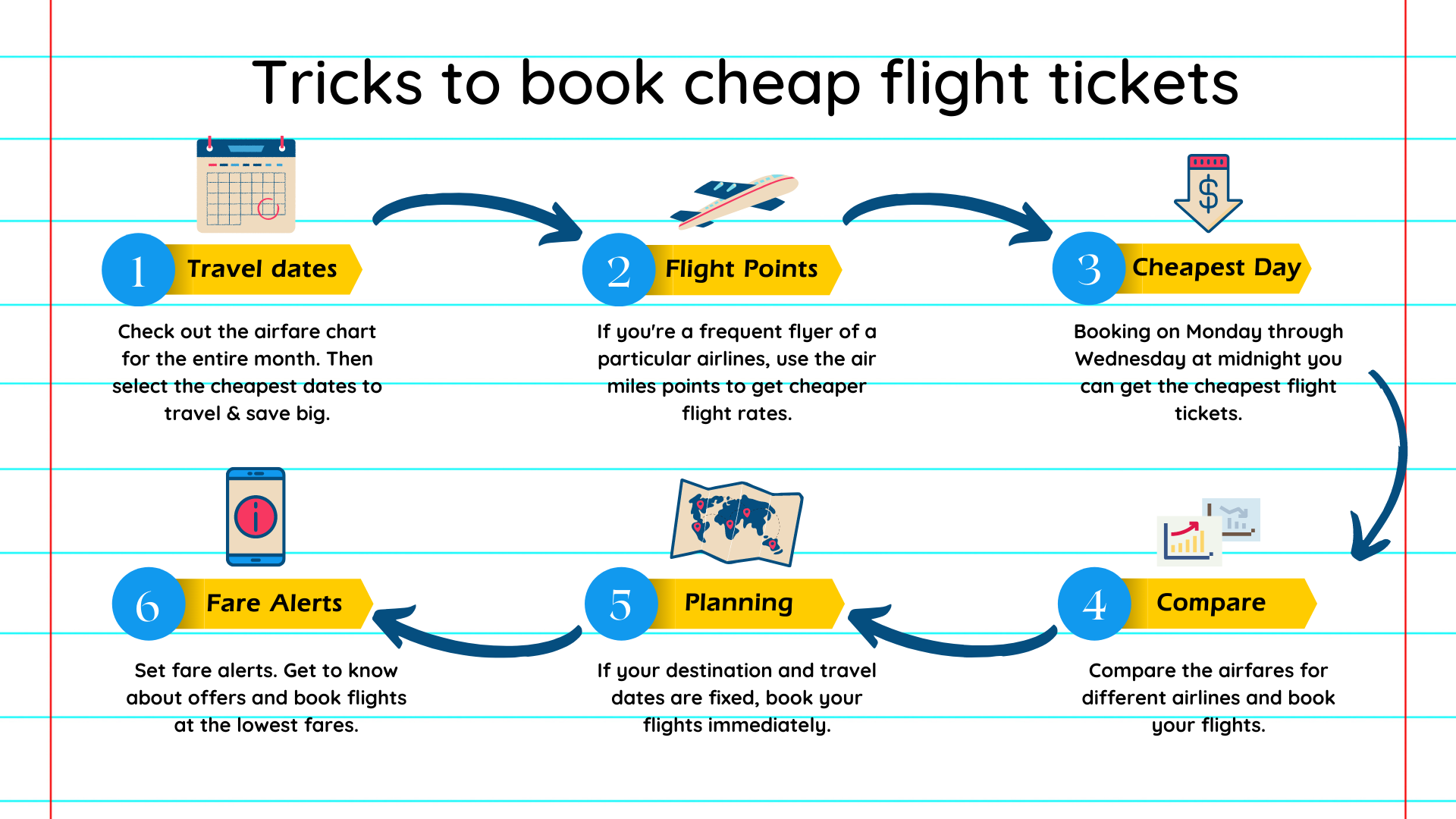
There’s a widely discussed “Goldilocks” period for booking flights – not too early, not too late, but just right. For domestic flights, this window is generally considered to be 1 to 3 months out. For international travel, extending this to 2 to 8 months in advance often yields the best fares. Booking too far in advance can mean you miss out on potential sales or new routes, while booking last-minute almost invariably results in premium pricing due to high demand for remaining seats. This window allows airlines to gauge demand and adjust pricing, and catching it means you’re buying when they are trying to fill seats without resorting to desperation discounts or capitalizing on urgency. Monitoring prices within this window, perhaps using price alert tools, can help you pounce when the fare drops to a financially attractive level.
Mid-Week Departures and Returns
When it comes to the specific days of the week for travel, financial prudence often dictates avoiding weekends. Tuesdays, Wednesdays, and Saturdays are frequently the cheapest days to fly, with Tuesdays and Wednesdays also often being the cheapest days to purchase tickets. Travel on peak days like Fridays and Sundays incurs higher demand and, consequently, higher prices. By adjusting your travel dates to align with these financially favorable days, even if it means extending a trip by a day or two, the savings on airfare can sometimes offset the cost of an extra night’s accommodation, resulting in an overall lower travel expenditure. This strategy requires flexibility but offers tangible financial rewards.
The Off-Season Advantage
Traveling during the off-season or shoulder season (just before or after the peak tourist season) is a cornerstone of budget-conscious travel. Not only are flight prices significantly lower due to reduced demand, but accommodation and activities also tend to be cheaper. For many popular destinations, peak season means inflated prices across the board. By shifting your travel dates to the cooler months, the rainy season (if brief), or simply outside of major holidays and school breaks, you can achieve substantial savings. This requires research into the destination’s climate and event calendar but offers a direct path to minimizing overall travel costs without compromising the experience.
Unlocking Savings Through Loyalty and Credit Cards
Savvy travelers understand that paying cash for every flight is often a missed financial opportunity. Loyalty programs and strategically chosen credit cards can transform regular spending into valuable travel rewards, significantly reducing the out-of-pocket cost of airfare or even making it free. This is a fundamental aspect of financial optimization for frequent flyers.
Maximizing Travel Rewards Programs
Airline loyalty programs, often called frequent flyer programs, are designed to reward repeat customers. By consistently flying with one alliance (e.g., Star Alliance, SkyTeam, Oneworld) or a specific airline, you can accumulate miles or points that can be redeemed for flights, upgrades, or other travel perks. The financial strategy here involves consolidating your travel. While comparing prices is always important, a slightly more expensive flight with your preferred airline might be a better financial decision in the long run if it helps you achieve elite status or accumulate enough miles for a free international trip. Furthermore, be aware of bonus mile offers, promotions, and earning opportunities through partner hotels or car rental agencies, as these accelerate your path to financially beneficial redemptions.
Strategic Credit Card Usage
Travel-focused credit cards are powerful financial instruments for reducing flight costs. Many offer generous sign-up bonuses of tens of thousands of points or miles, often enough for a free domestic or even international flight, simply by meeting a minimum spending requirement. Beyond the initial bonus, these cards typically offer accelerated earning rates on travel purchases or specific spending categories. The key is to choose a card that aligns with your spending habits and travel preferences (e.g., airline-specific cards for loyalists, flexible points cards for those who prefer diverse airlines).
It’s crucial to manage these cards responsibly to realize their financial benefits. Always pay your balance in full to avoid interest charges, which would negate any rewards earned. Furthermore, understand the annual fees – a higher fee might be justified by superior rewards, travel benefits (like free checked bags, lounge access, or priority boarding which also save money), and a strong redemption value. Strategically using these cards for everyday expenses allows you to passively accumulate points, turning routine spending into a pathway to discounted or free flights, making them a cornerstone of modern travel finance.
The Art of the Deal: Alerts, Error Fares, and Budget Carriers
Beyond the structured strategies, there are opportunistic approaches to securing the cheapest flights. These methods often require vigilance and quick action but can lead to extraordinary financial savings that are otherwise unattainable.
Setting Up Price Alerts and Deal Notifications
In today’s fast-paced market, waiting for prices to drop can be a full-time job. Thankfully, technology offers a solution through price alerts. Most major flight search engines (like Google Flights, Skyscanner, Kayak, Hopper) allow you to set up notifications for specific routes. When the price for your desired flight drops, you receive an email or app notification, enabling you to act swiftly. Beyond individual route alerts, subscribing to newsletters from flight deal websites (e.g., Scott’s Cheap Flights, The Flight Deal, Secret Flying) is an invaluable financial tactic. These services specialize in finding exceptionally low fares, including error fares and limited-time sales, and deliver them directly to your inbox, saving you the time and effort of constant searching.
Capitalizing on Error Fares and Flash Sales
Error fares, though rare, are a traveler’s financial jackpot. These occur when airlines or OTAs accidentally publish tickets at significantly reduced prices, often due to a technical glitch, currency conversion error, or human mistake. When an error fare is discovered, the window to book is typically very short, sometimes just a few hours, before the airline identifies and corrects it. Similarly, flash sales are promotional offers with deeply discounted fares for a limited period. Being subscribed to deal alert services dramatically increases your chances of spotting and capitalizing on these fleeting opportunities. If you find one, book it immediately and directly with the airline if possible, as error fares sometimes get honored, and sometimes they don’t. The financial risk is usually minimal (the cost of the ticket), but the potential reward for a dream trip at a fraction of the cost is immense.
Evaluating Budget Airlines for True Value
Budget airlines (e.g., Ryanair, Spirit, Allegiant, Frontier, EasyJet) are synonymous with low base fares, and they are undoubtedly a primary source for the cheapest flights. However, their business model relies on unbundling services, meaning that what initially appears as a stellar financial deal can quickly escalate in cost if you’re not careful. Baggage fees (carry-on and checked), seat selection, priority boarding, in-flight meals, and even printing your boarding pass can all incur additional charges. The financial strategy here is to calculate the “all-in” cost. If you can travel light, without checked bags, and are flexible with seating, budget airlines offer unparalleled savings. For instance, a short flight with no frills can be incredibly cheap. But for longer journeys or those requiring specific comforts, a full-service carrier might offer better value when all potential ancillary fees are factored into the total financial outlay.
Beyond the Obvious: Alternative Airports and Layover Logic
Sometimes the cheapest flight isn’t the most direct or to the most obvious airport. A financially astute traveler looks beyond the initial search results, considering alternative travel patterns that can lead to significant cost reductions.
Exploring Nearby Airports
Many major cities are served by multiple airports, some of which are smaller, less congested, and sometimes cheaper to fly into or out of. For example, flying into London Gatwick or Luton might be significantly cheaper than Heathrow, even if it adds an extra hour of transit time. Similarly, flying into a smaller city an hour or two away from your ultimate destination can often yield lower airfares. The financial calculus involves comparing the airfare savings against the cost and time of ground transportation from the alternative airport. Often, especially for families or groups, the savings on flights far outweigh the additional ground transport expense, leading to a net financial gain. This strategy requires a bit more research and planning but often pays dividends.

The Financial Strategy of Layover Choices
Direct flights are convenient but often come with a premium price tag. Flights with one or more layovers are almost universally cheaper, reflecting the demand for convenience. For the budget-conscious traveler, embracing a layover can be a smart financial move. The longer the layover, or the more inconvenient the connection, the lower the price tends to be. Sometimes, a “hidden city” ticketing strategy (booking a flight with a layover in your actual desired destination and disembarking there, foregoing the final leg) can yield significant savings, though this practice is often against airline terms and conditions and should be approached with caution due to potential financial penalties or loss of loyalty points. A safer and more conventional approach is simply to choose flights with reasonable layovers, leveraging them as opportunities for cost reduction without the risks associated with violating airline policies. Always weigh the time cost against the monetary savings; a brutally long layover might not be worth the minimal financial gain if it severely impacts your well-being or schedule.
aViewFromTheCave is a participant in the Amazon Services LLC Associates Program, an affiliate advertising program designed to provide a means for sites to earn advertising fees by advertising and linking to Amazon.com. Amazon, the Amazon logo, AmazonSupply, and the AmazonSupply logo are trademarks of Amazon.com, Inc. or its affiliates. As an Amazon Associate we earn affiliate commissions from qualifying purchases.