
In an era of rising living costs and a universal desire for wanderlust, the art of finding affordable flights has transformed from a mere convenience into a critical financial skill. For many, travel represents a significant discretionary expense, and the ticket price often dictates whether a dream destination remains a fantasy or becomes a reality. This comprehensive guide delves into the strategies, tools, and mindset required to consistently uncover the cheapest flights to virtually any corner of the globe, empowering you to travel more, smarter, and without breaking the bank.
Navigating the complex and often opaque world of airline pricing can seem daunting, with fares fluctuating by the hour and sometimes even by the minute. However, by understanding the underlying dynamics of the air travel market and adopting a methodical approach, you can gain a significant advantage. This article will equip you with the knowledge to make financially astute decisions, ensuring your travel budget stretches further, allowing for more experiences and less financial strain. We’ll move beyond simple searches to explore the nuanced financial tactics that seasoned travelers employ to keep their travel costs remarkably low, proving that adventurous journeys don’t necessarily require an exorbitant price tag.
Understanding the Airfare Landscape: Why Prices Fluctuate
The notion that flight prices are static or predictable is a common misconception. In reality, airline pricing is a sophisticated, algorithm-driven system designed to maximize revenue. Understanding the forces behind these fluctuations is the first step toward strategically identifying opportunities for savings.
Dynamic Pricing and Algorithmic Complexity
Airlines employ highly sophisticated dynamic pricing models, continuously adjusting fares based on a myriad of factors. These algorithms consider everything from competitor pricing, fuel costs, historical demand for specific routes, and current booking trends. This means the price you see at one moment might be different just an hour later, or even when viewed from a different device or browser. From a financial perspective, this constant flux creates both challenges and opportunities. The challenge lies in the unpredictability, while the opportunity rests in catching a price drop at the opportune moment. Your financial goal is to ride these waves of price changes, not be swept away by them.
Supply, Demand, and Seasonal Impact
The fundamental economic principles of supply and demand play a massive role in airfare pricing. High demand for a particular route, especially during peak travel seasons (holidays, summer breaks, major events), naturally drives prices up. Conversely, during off-peak or “shoulder” seasons, when demand is lower, airlines often reduce fares to fill seats. From a money-saving perspective, recognizing these patterns is crucial. Financial planners often advise against peak season travel if budget is a primary concern. Understanding the seasonal ebb and flow of tourist traffic to your desired destination can inform your booking window and significantly impact the final cost of your ticket.
The Booking Window Sweet Spot
While there’s no single magical day or time to book flights that guarantees the cheapest fare, historical data and expert analysis suggest a “sweet spot” for booking. Generally, booking too far in advance (e.g., 9-12 months out) can be more expensive, as airlines initially price tickets higher for those willing to commit early. Similarly, booking last-minute, especially for popular routes, typically results in exorbitant prices as remaining seats become premium. The financial wisdom often points to booking domestic flights roughly 1-3 months in advance and international flights 2-8 months out. This window allows airlines to gauge demand and adjust prices, giving financially savvy travelers a chance to intercept favorable pricing before it swings too high.
Mastering the Digital Tools for Flight Discovery
In the digital age, a plethora of online tools and platforms have emerged to help travelers navigate the complex world of airfares. Leveraging these effectively is paramount to finding the cheapest flights. These tools are your financial compass in the vast ocean of flight options.
Top Aggregators: Google Flights, Skyscanner, Kayak
Flight comparison websites, or aggregators, are indispensable. Google Flights is often lauded for its intuitive interface, powerful calendar view that shows prices across different dates, and its “Explore” feature that lets you search “anywhere” from your home airport within a given budget. Skyscanner offers a similar “Everywhere” search function and is excellent for flexible travelers, often including budget airlines that other aggregators might miss. Kayak is another robust option, known for its predictive pricing tool and the ability to compare prices from hundreds of travel sites simultaneously. Financially, using these tools isn’t just about finding a cheap flight, but about conducting a comprehensive market analysis across multiple providers to ensure you’re getting the cheapest possible option at that moment.
Leveraging Price Alerts and Tracking Features
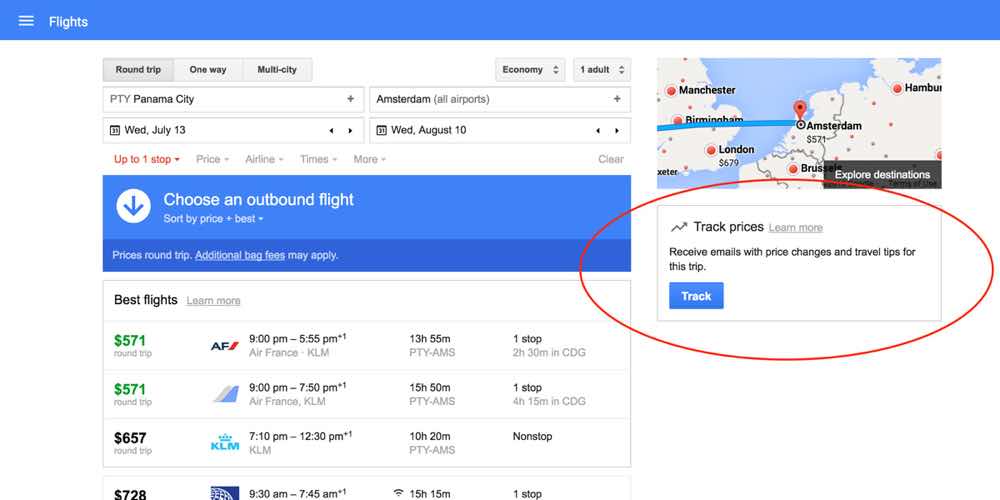
One of the most powerful financial tools offered by flight aggregators is the ability to set up price alerts. Once you’ve identified a potential route and dates, you can typically set an alert to receive email notifications when the price drops below a certain threshold or changes significantly. This passive monitoring saves you time and ensures you don’t miss out on a sudden fare reduction. Sites like Google Flights and Hopper (which also provides “buy now” or “wait” recommendations) excel in this regard. This strategy treats flight booking like an investment: you set your target price and wait for the market to hit it, ensuring you only commit your funds when the conditions are most favorable.
Direct vs. OTA Booking: A Financial Perspective
When you find a great fare, you often have the option to book directly with the airline or through an Online Travel Agency (OTA) like Expedia, Priceline, or Trip.com. From a purely financial standpoint, OTAs can sometimes offer slightly lower prices due to bulk buying or special promotions. However, there’s a trade-off: direct bookings often come with greater flexibility for changes or cancellations, and easier customer service in case of flight disruptions. Airlines are generally more willing to assist customers who booked directly with them. Weigh the marginal savings from an OTA against the potential financial implications of needing to make changes or resolve issues later. For complex itineraries or when flexibility is paramount, booking direct might represent better financial security, even if slightly more expensive upfront.
The Art of Flexibility: Unlocking Lower Fares
Flexibility is arguably the most potent financial weapon in your arsenal when searching for cheap flights. The less rigid you are with your travel parameters, the more opportunities you create for significant savings.

Embracing Variable Dates and Destinations (“Everywhere” Search)
If your primary goal is to travel cheaply rather than to a specific destination on a specific date, tools like Google Flights’ “Explore” or Skyscanner’s “Everywhere” search are invaluable. By entering your departure airport and leaving the destination open, the system will show you the cheapest flights available to various cities and countries around the world during your chosen travel window (or even flexible dates). This approach allows you to discover incredibly low fares to unexpected but potentially exciting locations. Financially, this shifts the paradigm from “I want to go to X, how much will it cost?” to “How little can I spend to go somewhere interesting?”
Considering Alternative Airports and Stopovers
Many major cities are served by multiple airports, or by smaller, regional airports within a reasonable commuting distance. Flying into or out of a less popular, secondary airport can often yield substantial savings. For example, flying into London Stansted or Luton instead of Heathrow might be cheaper, even accounting for ground transportation costs. Similarly, don’t shy away from flights with longer layovers or connecting flights, especially if direct routes are significantly more expensive. While a direct flight might save time, an indirect route could save hundreds of dollars, a clear financial advantage for budget-conscious travelers. Always calculate the total cost, including potential extra transport, to confirm actual savings.
Budget Airlines: Opportunities and Hidden Costs
Budget airlines like Ryanair, Spirit, and Frontier have revolutionized affordable travel by offering incredibly low base fares. However, their financial model relies heavily on unbundling services and charging for everything from checked bags and carry-on luggage to seat selection and even printing your boarding pass at the airport. While the base ticket price can be tantalizingly low, it’s crucial to understand and account for all potential ancillary fees. Financially, it’s vital to “build your own fare” by adding only the services you genuinely need, and to compare the total cost with a full-service airline before committing. For light travelers who don’t mind fewer frills, budget airlines can offer unparalleled financial savings, but they demand diligent planning to avoid unwelcome surprises.
Advanced Strategies for Maximizing Savings
Beyond the fundamental search techniques, several advanced financial strategies can further reduce your flight expenditure and enhance your overall travel value. These require a bit more planning and savvy but can yield significant returns.
Capitalizing on Loyalty Programs and Credit Card Rewards
For frequent travelers, loyalty programs (airline miles) and travel-specific credit card rewards can be game-changers. By strategically accumulating points and miles through everyday spending or sign-up bonuses, you can offset a significant portion, or even the entirety, of your flight costs. Many credit cards offer lucrative travel benefits, including free checked bags, lounge access, or statement credits for travel expenses, which effectively reduce your out-of-pocket costs. Building a robust points strategy is a long-term financial play, turning regular expenditures into future travel opportunities. It requires understanding points valuations and redemption strategies to maximize their worth.
Unpacking Fare Rules, Baggage, and Seat Selection
Before booking any flight, particularly with budget carriers or for international routes, meticulously review the fare rules. Understand what is included in the base price (e.g., carry-on size limits, checked baggage allowance, meal service). Airlines often have different fare classes with varying levels of flexibility and included amenities. Paying a slightly higher fare for a “flex” ticket might be a financially sound decision if your plans are uncertain, potentially saving you hefty change fees later. Always factor in potential baggage fees when comparing prices, as a seemingly cheap ticket can quickly become expensive once these are added. Your initial financial comparison must be comprehensive.
Hunting for Error Fares and Flash Sales
While rare, error fares (also known as “mistake fares”) occur when airlines or OTAs accidentally publish incorrect, extremely low prices. These fares are usually corrected quickly, so being aware and acting fast is key. Subscribing to deal alert services (like Secret Flying, The Flight Deal) that specifically track these anomalies can give you an edge. Similarly, airlines periodically announce flash sales, often for specific routes or during off-peak times. While not errors, these sales can offer significant savings. Monitoring these channels requires vigilance but can result in extraordinary travel deals, representing a substantial financial windfall for those who are prepared to pounce.
Cultivating a Frugal Traveler’s Mindset
Ultimately, consistently finding the cheapest flights isn’t just about using the right tools; it’s about adopting a financially responsible and flexible approach to travel planning. This mindset shift empowers you to make informed decisions that align with your budget.
The Power of Patience and Diligence
Finding the lowest fares often requires patience and diligence. It’s not usually a one-and-done search. Regularly checking prices over several days or weeks, setting alerts, and being willing to wait for the right moment can yield better results than hasty decisions. Treat your flight search as a financial project: research thoroughly, monitor the market, and execute when conditions are optimal. This methodical approach minimizes impulsive overspending and maximizes your chances of securing a financially advantageous fare.
Budgeting for Travel Beyond the Ticket
While flight costs are a major component of any travel budget, it’s crucial to remember that they are just one piece of the financial puzzle. Accommodation, ground transportation, food, activities, and travel insurance all contribute to the total cost of a trip. A truly frugal traveler budgets for these additional expenses from the outset. Finding a cheap flight only truly saves you money if you have a holistic understanding of your entire trip’s financial footprint. Prioritizing affordable flights allows more of your overall travel budget to be allocated to experiences at your destination, enhancing the value of your trip.

Long-Term Financial Wisdom of Smart Travel Planning
Consistently finding cheap flights isn’t just about saving money on one trip; it’s about embedding smart financial habits into your travel lifestyle. By mastering these strategies, you empower yourself to travel more frequently, explore diverse destinations, and broaden your horizons without compromising your long-term financial goals. Every dollar saved on a flight is a dollar that can be invested, saved, or used for another enriching experience. This approach transforms travel from an occasional luxury into an attainable and sustainable part of your personal finance strategy, fostering a richer life through thoughtful financial planning.
aViewFromTheCave is a participant in the Amazon Services LLC Associates Program, an affiliate advertising program designed to provide a means for sites to earn advertising fees by advertising and linking to Amazon.com. Amazon, the Amazon logo, AmazonSupply, and the AmazonSupply logo are trademarks of Amazon.com, Inc. or its affiliates. As an Amazon Associate we earn affiliate commissions from qualifying purchases.