
Navigating the landscape of government assistance programs can often feel complex, especially when it comes to understanding how to access the benefits you’re entitled to. For individuals and families receiving Electronic Benefit Transfer (EBT) benefits, the EBT card serves as a vital tool, combining both food assistance (Supplemental Nutrition Assistance Program – SNAP) and cash assistance (Temporary Assistance for Needy Families – TANF, or General Assistance – GA) onto a single, convenient card. While SNAP benefits are exclusively for purchasing eligible food items, EBT cash benefits offer greater flexibility, allowing recipients to withdraw funds for other essential needs. Understanding where and how to access these cash benefits efficiently and without incurring unnecessary costs is crucial for effective financial management.
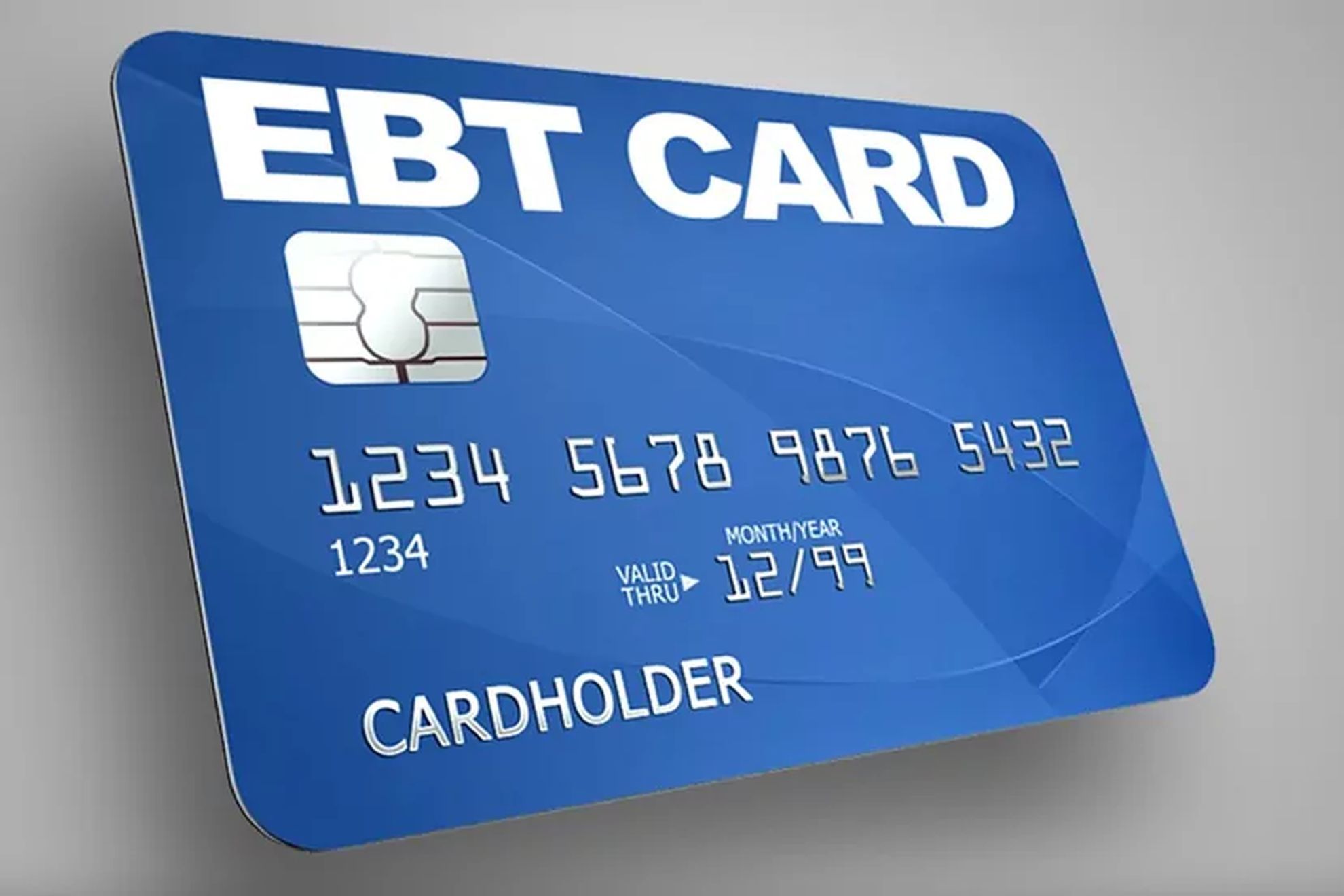
This guide delves into the practical aspects of withdrawing EBT cash, offering insights into common access points, fee structures, security measures, and strategies to maximize the utility of your benefits. The goal is to demystify the process, empowering beneficiaries to make informed decisions about their financial resources.
Understanding EBT Cash Benefits and Their Mechanics
Before exploring withdrawal locations, it’s essential to grasp the fundamental nature of EBT cash benefits. Unlike SNAP benefits, which are restricted to food purchases, the cash component of your EBT card functions much like a standard debit card. These funds are intended to cover non-food household expenses, such as rent, utilities, transportation, personal care items, and other necessities. The amount of cash assistance varies by state and individual circumstances, determined by specific program guidelines.
When you use your EBT card for a cash withdrawal, the funds are debited directly from your available cash balance. It’s imperative to distinguish between your SNAP balance and your cash balance, as they are separate accounts on the same card. Most EBT systems allow you to check both balances at ATMs, point-of-sale (POS) terminals, or via online portals and dedicated phone lines. Knowing your exact balance before attempting a withdrawal can help prevent declined transactions and potential fees.
The EBT card operates on a statewide or multi-state network, often identified by the “Quest” logo. This network facilitates the electronic transfer of benefits from the government to your card and, subsequently, from your card to retailers or ATMs. Familiarity with the Quest logo is key, as it signifies locations that typically accept EBT transactions, including cash withdrawals.
Common Locations for EBT Cash Withdrawals
Accessing your EBT cash benefits is designed to be as convenient as using any other debit card. Several types of locations facilitate cash withdrawals, each with its own set of considerations regarding fees, limits, and accessibility.
Automated Teller Machines (ATMs)
ATMs are the most prevalent method for withdrawing EBT cash. You can use your EBT card at any ATM that displays the Quest logo, as well as those that accept MasterCard, Visa, or other major debit networks if your state’s EBT system is affiliated with them.
- Bank and Credit Union ATMs: These are often the most reliable options. While many bank ATMs will charge a fee for out-of-network transactions (meaning the bank operating the ATM is not directly affiliated with your EBT program), some states have specific agreements with banks to waive these surcharges for EBT users. Always check for signage or inquire about fees before proceeding.
- Independent ATMs: Found in convenience stores, gas stations, and other retail locations, independent ATMs can offer greater accessibility, especially in rural or underserved areas. However, these ATMs are notorious for charging higher service fees. It’s crucial to be aware of the displayed fees before completing your transaction.
- ATM Locator Tools: Many state EBT programs provide online ATM locator tools on their websites. These tools can help you find surcharge-free ATMs or simply any ATM that accepts EBT cards in your vicinity. Utilizing these resources can save you time and money.
Retailer Point-of-Sale (POS) Terminals with Cash Back
Many grocery stores, convenience stores, and other retail establishments that accept EBT for SNAP purchases also offer the option to receive cash back with your EBT cash benefits at their POS terminals.
- Grocery Stores and Supermarkets: This is a very common and often preferred method. When making a purchase (even a small one, if required by the store’s policy, though often not necessary for EBT cash-back), you can request cash back from your EBT cash balance. Many large chains are familiar with EBT transactions and may offer this service without additional fees. Always ask the cashier about their specific EBT cash-back policy and any limits they may have.
- Convenience Stores and Discount Retailers: Similar to grocery stores, many convenience stores and discount retailers also offer EBT cash back. Policies can vary widely, so it’s always best to confirm with the store staff.
- No Purchase Necessary: In some instances, you might be able to get cash back at a POS terminal without making an actual purchase. This is entirely dependent on the retailer’s policy and their EBT processing system. Always inquire first.
- Transaction Limits: Retailers often have daily or per-transaction limits on cash-back amounts. These limits are typically lower than ATM withdrawal limits, which should be factored into your financial planning.
Other Financial Service Centers
While less common for direct EBT cash withdrawals compared to ATMs and retailers, certain financial service centers might offer options, though often with higher fees.
- Check Cashing Stores: Some check cashing stores or similar financial service providers may allow EBT cash withdrawals. However, they typically charge significant service fees, which can quickly erode your benefits. It’s generally advisable to explore fee-free options first.
- Money Order Purchases: If you need to pay a bill that requires a money order, you might be able to purchase one using your EBT cash balance at locations that accept EBT for this purpose, such as post offices or certain retailers. This effectively converts your EBT cash into a money order without a direct cash withdrawal.
Navigating Fees and Surcharges
One of the most critical aspects of withdrawing EBT cash is understanding and minimizing fees. Unnecessary charges can diminish your available funds, impacting your ability to meet essential needs.
ATM Fees Explained
- Surcharge Fees: These are fees charged by the owner of the ATM (the bank or independent operator) for using their machine. They are typically displayed on the ATM screen before you confirm your transaction. These are the most common fees associated with EBT cash withdrawals from ATMs.
- Out-of-Network Fees (Bank Fees): In some cases, your state’s EBT program might be affiliated with a specific bank or network. If you use an ATM from a bank outside of this network, your EBT card issuer (the state) might also impose a small fee, in addition to the ATM owner’s surcharge. This is less common for EBT than for traditional debit cards, as many states aim to provide surcharge-free access.
- Fee Waivers and Agreements: Many states have established agreements with specific banks or ATM networks to waive surcharge fees for EBT cardholders. Always check your state’s EBT program website or contact their helpline to identify these preferred networks or specific surcharge-free ATM locators.
Retailer Cash Back Fees
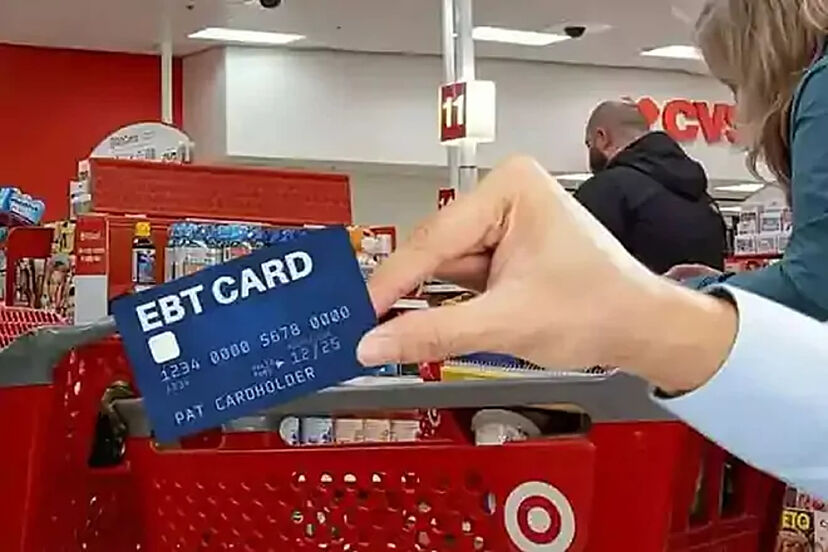
The good news is that receiving cash back at a retail POS terminal, especially during a purchase, is typically fee-free. Retailers generally do not charge a fee for this service, as it benefits them by potentially reducing the amount of cash they need to keep on hand. This makes retailer cash back an excellent option for avoiding ATM surcharges. However, always confirm with the cashier before completing the transaction.
Strategies to Minimize Costs
- Utilize Surcharge-Free ATMs: Prioritize using ATMs identified by your state’s EBT program as surcharge-free.
- Opt for Retailer Cash Back: Whenever possible, choose to get cash back at grocery stores or other retailers while making a purchase.
- Plan Your Withdrawals: Instead of making multiple small withdrawals and potentially incurring multiple fees, try to plan larger, less frequent withdrawals to cover your needs until the next benefit issuance.
- Check Your Balance Frequently: Regularly monitoring your EBT cash balance via phone, online portal, or ATM will help you avoid overdrafts or attempting withdrawals for insufficient funds, which can sometimes lead to fees.
Tips for Safe and Smart EBT Cash Access
Protecting your EBT benefits is paramount. Adopting smart practices can safeguard your funds and ensure you have access when you need it most.
Protecting Your Personal Identification Number (PIN)
Your PIN is the key to your EBT funds. Treat it with the same level of security as a debit card PIN.
- Memorize, Don’t Write: Never write your PIN down, especially not on your EBT card or in your wallet. Memorize it and keep it confidential.
- Be Discretionary: Do not share your PIN with anyone, even family members or friends. If someone has your card and PIN, they have full access to your funds.
- Shield Your PIN: When entering your PIN at an ATM or POS terminal, always cover the keypad with your other hand to prevent “shoulder surfing” by onlookers or hidden cameras.
- Change Periodically: Consider changing your PIN periodically, especially if you suspect it might have been compromised.
Monitoring Your Balance and Transactions
Regularly checking your EBT balance and transaction history is a proactive way to detect unauthorized activity and manage your funds effectively.
- EBT Customer Service: Most states provide a dedicated toll-free EBT customer service number, often found on the back of your card. You can call this number to check your balance, review recent transactions, and report issues.
- Online Portals/Mobile Apps: Many state EBT programs offer online portals or mobile applications where you can securely log in to view your balance and transaction history.
- ATM Balance Inquiries: Most ATMs allow you to check your balance for free, even if they charge for cash withdrawals. Make it a habit to check your balance before attempting a withdrawal.
- Review Receipts: Always keep your ATM and POS receipts and compare them against your transaction history to ensure accuracy.
Reporting Lost, Stolen, or Compromised Cards
If your EBT card is lost, stolen, or if you notice unauthorized transactions, immediate action is crucial.
- Report Immediately: Contact your state’s EBT customer service helpline as soon as you realize your card is missing or compromised. The sooner you report it, the better your chances of preventing further unauthorized use.
- Card Deactivation and Replacement: Once reported, your old card will be deactivated, and a new one will be mailed to you. Be aware that it may take several business days to receive your replacement card, during which time you will not have access to your benefits.
- Disputing Unauthorized Charges: If you find unauthorized transactions, follow your state’s procedure for disputing them. You may need to fill out a fraud report.
Maximizing Your EBT Cash Benefits
Strategic planning can help extend the reach of your EBT cash benefits and integrate them effectively into your overall financial picture.
Budgeting and Financial Planning
Treat your EBT cash benefits as part of your overall household budget. Create a spending plan that allocates funds for specific needs (rent, utilities, transportation, personal care, etc.). This proactive approach can prevent running out of cash before your next benefit issuance and reduce the need for multiple, potentially fee-laden withdrawals.
Differentiating SNAP and Cash Use
Remember that SNAP benefits are exclusively for food. Whenever possible, use your SNAP benefits for eligible food purchases and reserve your EBT cash benefits for non-food essentials. This distinction ensures that your cash benefits are available for expenses that cannot be covered by SNAP.

Exploring Additional Resources
While EBT cash provides critical support, it may not cover all your financial needs. Explore other community resources that might offer assistance for specific expenses, such as utility assistance programs, rental aid, or transportation vouchers. Many local social service agencies can provide information on these supplemental programs.
By understanding the mechanics of EBT cash, knowing where to withdraw funds efficiently, proactively managing fees, and prioritizing security, beneficiaries can effectively leverage their EBT cash benefits to support their household’s financial well-being. Diligence and informed decision-making are your best allies in navigating the system and ensuring your benefits work for you.
aViewFromTheCave is a participant in the Amazon Services LLC Associates Program, an affiliate advertising program designed to provide a means for sites to earn advertising fees by advertising and linking to Amazon.com. Amazon, the Amazon logo, AmazonSupply, and the AmazonSupply logo are trademarks of Amazon.com, Inc. or its affiliates. As an Amazon Associate we earn affiliate commissions from qualifying purchases.