
In the intricate landscape of personal finance, your account number is more than just a string of digits; it’s a critical identifier that facilitates countless transactions and grants access to your financial world. From setting up direct deposit for your paycheck to paying bills, transferring funds, or simply seeking customer service, knowing where to locate this crucial information is fundamental. Yet, for many, finding an account number can feel like a scavenger hunt. This comprehensive guide will demystify the process, helping you confidently pinpoint your account numbers across various financial services and understand the importance of secure management.
Understanding the Importance of Your Account Number
Before diving into where to find your account number, it’s essential to grasp what it is and why it holds such significance. It’s the unique identifier assigned by a financial institution to a specific account, distinguishing it from all other accounts and enabling accurate record-keeping and transaction processing.
What is an Account Number?
An account number is a unique sequence of numbers (and sometimes letters) that identifies your specific bank account, credit card account, investment portfolio, loan, or utility service. While commonly associated with traditional checking and savings accounts, virtually every financial relationship you have will come with its own unique identifier.
It’s crucial to differentiate an account number from other common identifiers:
- Routing Number: For bank accounts, this identifies your specific financial institution (e.g., your bank’s address for electronic transactions). You need both the routing number and your account number for transfers like direct deposit.
- Credit Card Number: While this identifies your credit card account, it’s distinct from your bank checking or savings account number. Credit card numbers are generally 13-19 digits long and are used for point-of-sale transactions.
- Debit Card Number: Similar to a credit card number, this identifies your debit card for transactions but not necessarily your underlying bank account number directly, although they are linked.
Why Do You Need It?
Your account number is a gateway to performing various essential financial tasks. You’ll commonly need it for:
- Direct Deposit: Providing your employer with your account and routing numbers ensures your paycheck lands directly in your bank account.
- Automatic Bill Payments: Setting up recurring payments for utilities, loans, or subscriptions often requires your bank account details.
- Fund Transfers: Sending or receiving money from other individuals or institutions (e.g., wire transfers, ACH transfers).
- Customer Service Inquiries: When contacting your bank or service provider, quoting your account number helps representatives quickly access your records and verify your identity.
- Tax Purposes: Some financial statements or tax forms may require account numbers for specific investments or interest-bearing accounts.
- Loan Applications & Credit Checks: While often not the primary identifier for these, having your account numbers handy can expedite processes.
Locating Your Bank Account Number
For most individuals, a primary concern is finding their bank account number for checking or savings accounts. Fortunately, there are several reliable places to look.
On Your Checks
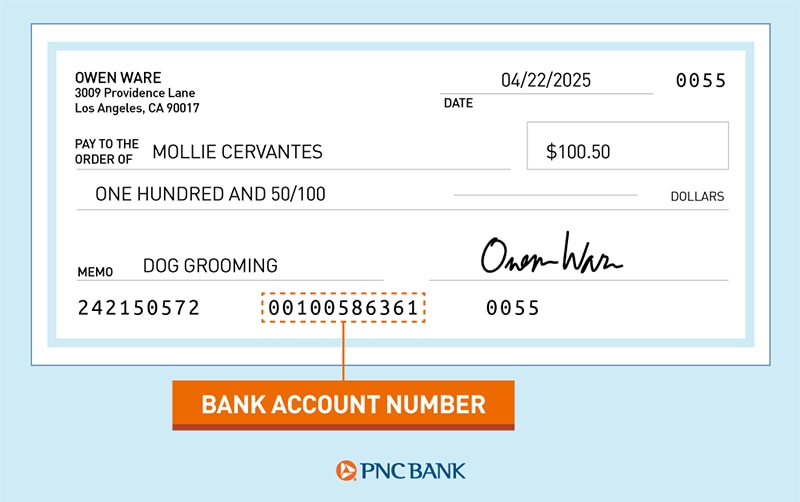
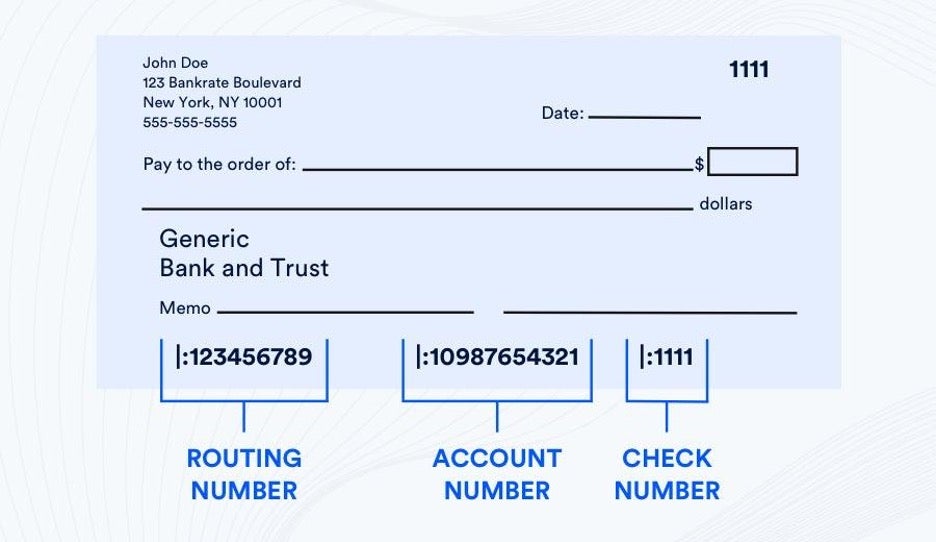
If you have a physical checkbook, your checking account number is prominently displayed on the bottom of each check. This line, known as the Magnetic Ink Character Recognition (MICR) line, contains three sets of numbers:
- Routing Number: The first nine digits on the left.
- Account Number: Typically the middle set of numbers. The exact position and length can vary slightly between banks (usually 10-12 digits).
- Check Number: The last set of numbers, which corresponds to the check number printed in the top right corner.
Look carefully at the middle set of numbers; this is your bank account number.
Through Online Banking and Mobile Apps
In today’s digital age, online banking portals and mobile apps are often the quickest and most convenient way to access your account information.
- Online Banking: Log in to your bank’s website. Navigate to the specific account (e.g., checking or savings). Look for “Account Details,” “Account Summary,” “Statements,” or a similar section. Your account number will usually be listed there, though sometimes partially masked for security and you may need to click “show” or “unmask” to reveal the full number.
- Mobile Apps: Most bank mobile apps offer similar functionality. After logging in, select the relevant account. You might find the account number under “Account Info,” “Details,” or by tapping on the account itself. Again, it might be partially obscured, requiring an extra tap or verification (like a PIN or fingerprint) to display the full number.
On Your Bank Statements
Both physical and electronic bank statements are excellent sources for your account number.
- Physical Statements: If you receive paper statements in the mail, your account number will be clearly printed, usually at the top of the statement or within the account summary section.
- Electronic Statements: For those who opt for paperless billing, you can access your e-statements through your online banking portal. Download a PDF version of a recent statement, and you’ll find your account number in the same prominent locations as a physical statement.
Contacting Your Bank Directly
If you’ve exhausted the above options or prefer direct assistance, contacting your bank is a reliable method.
- Customer Service Hotline: Call your bank’s customer service number (found on their website, the back of your debit card, or a statement). Be prepared to verify your identity with personal information like your full name, address, date of birth, and possibly the last four digits of your Social Security number or answers to security questions.
- In-Branch Visit: Visit any branch of your bank with a valid form of identification (e.g., driver’s license, passport). A teller or customer service representative will be able to provide you with your account number after verifying your identity.
Finding Account Numbers for Other Financial Services
Beyond traditional bank accounts, you interact with various other financial services, each with its own unique account identifiers.
Credit Card Account Numbers
Your primary credit card number is typically embossed or printed on the front of your physical card. However, for certain administrative tasks or when discussing your account with customer service, you might need a different “account number” or identifier tied to your credit account that is separate from the 16-digit card number.
- Credit Card Statements: Your monthly statement (paper or electronic) will prominently display your full credit card number (sometimes partially masked) and often a specific “account number” or “reference number” used for billing and inquiries.
- Online Portal/Mobile App: Log in to your credit card issuer’s online portal or app. Under your account details, you’ll find your card number and often a specific account ID or reference number.
- Customer Service: Call the number on the back of your card. After verifying your identity, the representative can confirm your account details.
Investment Account Numbers
Whether you have a brokerage account, IRA, 401(k), or other investment vehicles, these also come with unique account numbers.
- Brokerage Statements: Monthly or quarterly statements from your investment firm are the primary source. Your account number will be clearly listed, typically at the top.
- Online Platform: Log in to your investment firm’s website or app. Navigate to your specific account or portfolio. The account number should be visible within your account summary or profile settings.
- Trade Confirmations: Documents confirming buy or sell orders often include your account number.
- Customer Service: Contact your brokerage firm directly.
Loan Account Numbers
For mortgages, auto loans, personal loans, or student loans, you’ll have a specific loan account number.
- Loan Statements/Coupons: Your monthly loan statement or payment coupon booklet will always feature your loan account number.
- Online Loan Servicer Portal: Log in to the website or app of your loan servicer (the company you make payments to). Your loan account number will be displayed in your account dashboard or details section.
- Loan Documents: The original loan agreement and related paperwork will contain your account number.
- Customer Service: Call your loan servicer’s customer support.
Utility and Service Provider Account Numbers
For non-financial services like electricity, gas, water, internet, or phone, you also have account numbers for billing and customer service.
- Utility Bills: Your paper or electronic utility bills will have your account number prominently displayed, usually near your name and address or at the top of the bill.
- Online Account/Mobile App: Log in to your service provider’s online portal or app. Your account number will be in your profile, account summary, or billing section.
- Customer Service: Contact your service provider directly.
Best Practices for Account Number Security and Management
While knowing where to find your account numbers is important, managing them securely is paramount to protecting your financial well-being.
Protecting Your Account Information
Your account number, especially when combined with a routing number or other personal identifiers, can be used for unauthorized transactions.
- Beware of Phishing and Scams: Never provide your account numbers in response to unsolicited emails, texts, or calls. Legitimate institutions will not ask for your full account number via insecure channels.
- Secure Online Access: Use strong, unique passwords for all your online banking and financial accounts. Enable two-factor authentication (2FA) wherever possible.
- Shred Documents: When disposing of old bank statements, checks, or bills, shred them thoroughly to prevent identity theft.
- Public Wi-Fi Caution: Avoid accessing sensitive financial information over unsecured public Wi-Fi networks.
- Monitor Accounts: Regularly review your bank statements and transaction history for any unauthorized activity.
When to Share
Only share your account number when there’s a legitimate, verifiable reason and with trusted entities.
- Employers: For direct deposit.
- Trusted Payees: When setting up direct debits for recurring bills.
- Financial Institutions: When initiating transfers or speaking with customer service after verifying their legitimacy.
- Government Agencies: For tax refunds or other official purposes, ensure you’re using official channels.
Organized Record-Keeping
While memorizing all your account numbers might be impractical, having an organized, secure system for quick retrieval can save time and stress.
- Secure Digital Vaults: Consider using reputable password managers or encrypted digital note-taking apps that allow you to store sensitive information securely.
- Physical Files: For paper documents, maintain a well-organized and secure filing system at home.
- Avoid Unsecured Storage: Do not store account numbers on easily accessible, unencrypted devices or in plain sight.

Conclusion
Your account numbers are the digital keys to your financial life, enabling the smooth flow of money and interactions with various service providers. Mastering where and how to find these critical identifiers is a fundamental aspect of effective personal finance management. By understanding the common locations – from your checkbook to online portals and physical statements – and adhering to stringent security practices, you empower yourself with greater control and confidence in navigating your financial world. Always prioritize security, be vigilant against scams, and keep your financial records organized to protect yourself and ensure seamless financial operations.
aViewFromTheCave is a participant in the Amazon Services LLC Associates Program, an affiliate advertising program designed to provide a means for sites to earn advertising fees by advertising and linking to Amazon.com. Amazon, the Amazon logo, AmazonSupply, and the AmazonSupply logo are trademarks of Amazon.com, Inc. or its affiliates. As an Amazon Associate we earn affiliate commissions from qualifying purchases.