
The acrid scent of cigarette smoke, once an almost ubiquitous companion to air travel, is now a distant memory for most. The question, “What year was smoking banned on planes?” is more than just a historical query; it’s a gateway to understanding a significant shift in public health, industry adaptation, and the evolution of passenger experience. This transition, while seemingly straightforward, was a complex dance involving regulatory bodies, airline companies, and the growing awareness of the detrimental effects of secondhand smoke.
The ban on smoking on commercial flights didn’t happen overnight. It was a gradual process, with different countries and airlines implementing restrictions at varying times. However, a pivotal moment in this journey occurred in 1997 when the U.S. Federal Aviation Administration (FAA) enacted a complete ban on smoking on all domestic flights. This landmark decision solidified a trend that had been building for years and set a precedent for the rest of the world.

The Precedent: Early Restrictions and the Rise of Health Awareness
Before the outright ban, a patchwork of regulations and voluntary measures had been put in place to mitigate the impact of smoking on airplanes. The earliest concerns about smoking in enclosed environments, particularly aircraft, began to emerge as air travel became more accessible in the mid-20th century.
Early Signs of Concern: The Dawn of the Smoking Section
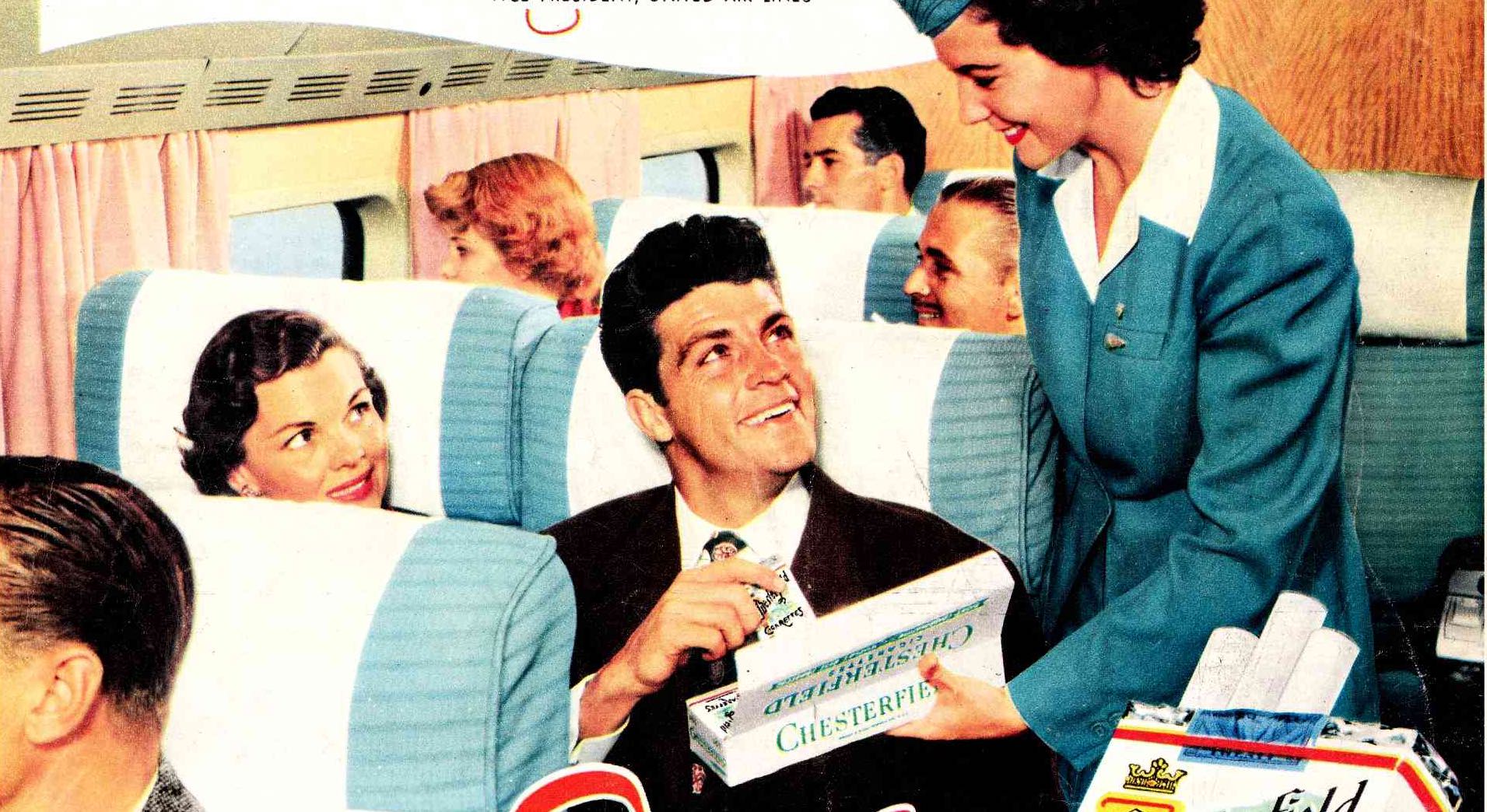
In the early days of commercial aviation, smoking was not only permitted but often encouraged. It was seen as a symbol of sophistication and a way to help passengers relax during flights. However, as air travel expanded and the sheer volume of passengers increased, the discomfort and health implications for non-smokers started to become undeniable.
The concept of designated smoking sections emerged as a compromise. Airlines began to segregate seating, creating areas where smokers could indulge while attempting to shield others from the smoke. This was often achieved through physical barriers, like curtains or bulkheads, and sometimes through improved ventilation systems. However, the effectiveness of these measures was always debatable. Smoke, by its very nature, tends to disperse, and the airflow on an aircraft, designed for circulation and temperature control, often carried smoke to non-smoking areas. This led to persistent complaints from non-smoking passengers, cabin crew, and even pilots, who were exposed to a constant stream of secondhand smoke.
The Growing Body of Scientific Evidence
The latter half of the 20th century saw a significant surge in scientific research on the health risks associated with smoking and, crucially, secondhand smoke. The Surgeon General’s reports, dating back to the 1960s, had already established a strong link between smoking and various cancers and respiratory illnesses. As this evidence accumulated and became more widely understood by the public, the social acceptance of smoking, even in public spaces, began to erode.
The aviation industry, a highly visible and regulated sector, found itself increasingly under scrutiny. Public health advocates and consumer groups began to lobby for stricter regulations. The idea that passengers should be exposed to carcinogens and irritants during a confined flight became increasingly unacceptable. Airlines, initially resistant due to concerns about alienating smoking passengers and potential revenue loss from reduced bookings, began to feel the pressure.
The Tipping Point: Gradual Bans and the FAA’s Landmark Decision
The move towards a complete ban on smoking on planes was a gradual one, marked by a series of incremental restrictions. While the U.S. FAA’s 1997 decision is often cited as the definitive end, other nations and airlines had already begun to take significant steps.
International Precursors and Airline Initiatives
The World Health Organization (WHO) and various national health organizations played a role in advocating for smoke-free environments globally. Many countries started by banning smoking on short-haul flights or on specific airlines before implementing nationwide restrictions. For instance, the United Kingdom, through British Airways, started restricting smoking on domestic flights in the late 1980s. Other European airlines followed suit, driven by both public health concerns and the desire to align with evolving social norms.
The airlines themselves also began to recognize the benefits of offering smoke-free flights. For some, it was a strategic marketing move to attract a broader customer base. For others, it was a response to increasing pressure from flight attendants, who were particularly exposed to the health risks of secondhand smoke and were advocating for their own well-being. The International Transport Workers’ Federation (ITF), representing transport workers globally, also played a significant role in pushing for smoking bans to protect their members.
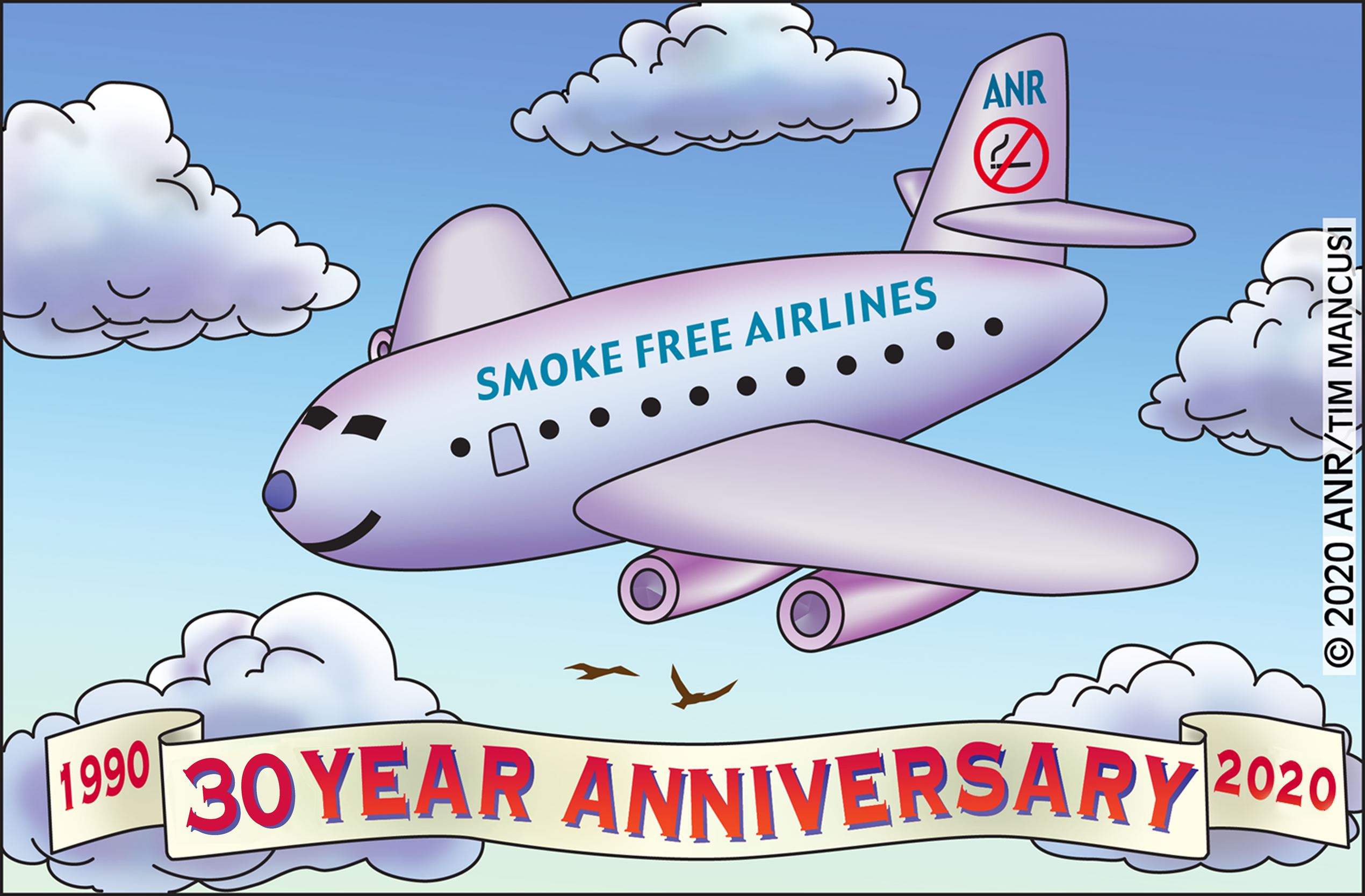
The U.S. FAA’s Decisive Action in 1997
The U.S. Federal Aviation Administration’s 1997 ban was a pivotal moment that solidified the end of smoking on virtually all domestic flights within the United States. This decision was not without its debates. Some argued that it was an overreach of government regulation and that individuals should have the freedom to choose. However, the overwhelming scientific consensus on the dangers of secondhand smoke and the growing public demand for smoke-free environments ultimately prevailed.
The FAA’s ban was comprehensive, prohibiting smoking on all scheduled passenger flights operating within or to/from the United States. This meant that even on longer international routes, once passengers landed in the U.S., the smoking ban would apply. This effectively created a unified policy across the major domestic routes and significantly influenced international aviation practices.
The Lasting Impact: A Healthier, More Comfortable Travel Experience
The ban on smoking on planes, while a seemingly simple rule change, has had profound and lasting impacts on public health, the aviation industry, and the overall passenger experience.
Public Health Triumph: Cleaner Air for All
The most significant impact of the smoking ban on planes is undoubtedly the improvement in public health. Secondhand smoke contains thousands of chemicals, many of which are toxic and carcinogenic. For frequent flyers and airline employees, the constant exposure to this environment posed serious health risks, including increased chances of respiratory infections, heart disease, and certain types of cancer.
By eliminating smoking on flights, airlines created a significantly healthier environment for passengers and crew. This decision contributed to the broader societal shift away from smoking and helped to normalize smoke-free public spaces. The reduction in secondhand smoke exposure for millions of travelers each year has had a measurable positive impact on respiratory health and overall well-being.
Industry Adaptation: Technological and Service Evolution
The aviation industry had to adapt to this new reality. Airlines invested in improved air filtration systems to ensure the highest possible air quality, even though the primary solution was the elimination of the smoke source. While the ban itself didn’t necessitate massive technological overhauls in aircraft design, it did underscore the importance of advanced cabin air quality management.
From a service perspective, the absence of smoking removed a significant point of contention and discomfort for passengers. The ambiance of the cabin improved, with fewer complaints related to smoke, lingering odors, and the potential for fires. This contributed to a more pleasant and comfortable travel experience for a vast majority of passengers. Airlines also found that the smoke-free environment was a strong selling point, attracting a wider demographic of travelers who were increasingly health-conscious.
A Glimpse into Broader Trends: Branding, Innovation, and Consumer Preferences
The shift away from smoking on planes is emblematic of larger trends in how brands and industries respond to evolving consumer preferences and societal values.
From a Brand perspective, airlines that embraced the smoke-free environment early on often benefited from positive public perception. It demonstrated a commitment to passenger well-being and a willingness to adapt to changing norms. This alignment with a healthier lifestyle resonated with a growing segment of the market. Conversely, brands that were perceived as slow to adapt or resistant to change risked alienating a significant portion of their customer base.
In terms of Tech, while not directly driven by the smoking ban, the underlying advancements in air filtration and ventilation systems on modern aircraft are crucial. These technologies ensure that even without smoking, the air quality is meticulously managed, contributing to passenger comfort and safety. This highlights how technological innovation can support both regulatory compliance and enhanced user experience.
From a Money perspective, the initial concerns about revenue loss from smokers were largely unfounded. The increased passenger satisfaction and the ability to attract a wider audience likely offset any potential dip in revenue. Moreover, the cost savings associated with reduced cleaning and the elimination of potential fire hazards associated with smoking materials also contributed to the financial viability of the ban. The long-term health benefits for both passengers and employees also represent a significant societal return on investment.
The evolution from allowing smoking to an outright ban on planes is a testament to the power of collective action, scientific evidence, and the ability of industries to adapt to create safer and more comfortable environments for everyone. The year 1997, with the FAA’s decisive action, marks a crucial turning point, but it was the culmination of years of advocacy and gradual change that ultimately led to the smoke-free skies we enjoy today.
aViewFromTheCave is a participant in the Amazon Services LLC Associates Program, an affiliate advertising program designed to provide a means for sites to earn advertising fees by advertising and linking to Amazon.com. Amazon, the Amazon logo, AmazonSupply, and the AmazonSupply logo are trademarks of Amazon.com, Inc. or its affiliates. As an Amazon Associate we earn affiliate commissions from qualifying purchases.