
In an increasingly digital world, managing your personal finances effectively requires a clear understanding of your core financial identifiers. Among these, your bank account number stands as a fundamental piece of information, crucial for a multitude of transactions and financial operations. While it might seem like a basic detail, knowing exactly where and how to find this number, and more importantly, how to safeguard it, is paramount for every financially aware individual. This guide will walk you through the various methods of retrieving your bank account number, explore why you might need it, and provide essential tips for its security within the broader context of sound financial management.
The Cornerstone of Your Financial Identity: Understanding Your Account Number
Your bank account number is a unique string of digits that identifies your specific checking, savings, or other deposit account within your financial institution. It is distinct from your debit card number, which is linked to your account but serves a different purpose, primarily for point-of-sale transactions. Understanding this distinction and the scenarios where your account number is indispensable is the first step toward effective financial control.
Distinguishing Your Account Number from Your Routing Number
Before delving into retrieval methods, it’s vital to clarify the difference between your bank account number and your routing number, as both are frequently required for financial transactions.
- Bank Account Number: This is the specific identifier for your individual account. It typically ranges from 8 to 12 digits, though this can vary by institution. It pinpoints your money within the bank’s system.
- Routing Number (or ABA Routing Transit Number): This is a nine-digit code that identifies your financial institution (your bank) within the U.S. banking system. It tells other banks where to send money. When you initiate a transfer or payment, the routing number directs the funds to the correct bank, and your account number directs them to your specific account within that bank. Both are almost always needed together for electronic fund transfers.
Common Scenarios Requiring Your Bank Account Number
Knowing where to find your account number is essential because it’s required for a variety of critical financial activities. If you’ve ever wondered why you need it, here are some common situations:
- Setting Up Direct Deposit: For paychecks, government benefits (like Social Security), or tax refunds, your employer or payer will require your account number and routing number to deposit funds directly into your bank account. This streamlines income reception and often accelerates access to your funds.
- Initiating ACH Transfers (Automated Clearing House): This includes setting up automatic bill payments, transferring money between your own accounts at different banks, or sending money to friends and family through specific banking services. ACH is the electronic network for financial transactions in the U.S.
- Wire Transfers: For larger, time-sensitive, or international money transfers, wire transfers often require your account number. Be aware that wire transfers are generally irreversible once sent.
- Applying for Loans or Credit: Some lenders may ask for your bank account details to verify your financial standing or to set up automatic repayment deductions.
- Ordering Checks or Deposit Slips: When you need new checks or deposit slips, you’ll need to provide your account number so they are correctly linked to your account.
- Linking to Third-Party Financial Apps: Many budgeting apps, investment platforms, or peer-to-peer payment services may require your account number to connect and monitor your financial activity or facilitate transfers.
Understanding these use cases underscores why having ready access to your account number, coupled with stringent security practices, is a cornerstone of robust personal financial management.
Digital Pathways: Accessing Your Account Number Online and Via Mobile
In today’s banking landscape, digital access is often the quickest and most convenient way to retrieve your bank account number. Most financial institutions offer robust online banking portals and mobile applications designed to provide you with secure access to your account information.
A Step-by-Step Guide to Your Online Banking Portal
Your bank’s website is usually the most comprehensive digital resource for your account information.
- Log In: Navigate to your bank’s official website and log in using your unique username and password. Always ensure you are on the legitimate bank domain to avoid phishing scams.
- Access Account Details: Once logged in, look for a section typically labeled “My Accounts,” “Account Summary,” “Account Details,” or similar. You might need to click on the specific account (e.g., “Checking Account”) you wish to view.
- Locate Account Number: Within the account details page, your full account number is usually displayed, sometimes partially masked (e.g., “****1234”) for security reasons. There might be an option to “Show Full Account Number” or “View Details” which, after a security verification (like re-entering your password or a one-time code), will reveal the full number.
- Statements/Documents: If it’s not immediately visible, look for links to “Statements,” “E-Documents,” or “Document Center.” Your account number will always be clearly printed on your monthly bank statements. You can often download a PDF version of a recent statement.
Leveraging Your Bank’s Mobile App for Quick Retrieval
Mobile banking apps offer a streamlined experience for managing your finances on the go, and they often include the ability to view your account number.
- Open and Log In: Launch your bank’s mobile app and log in using your credentials, fingerprint, or facial recognition.
- Navigate to Accounts: Similar to online banking, find the section that lists your accounts.
- Select Account: Tap on the specific account for which you need the number.
- Find Account Information: Look for options like “Account Details,” “Info,” or “Statements.” As with online banking, the full number might be partially obscured and require an additional tap or verification to reveal. Many apps will place a “View Account & Routing Numbers” option prominently.
Ensuring Digital Security: Safeguarding Your Online Financial Data
While convenient, digital access requires vigilance. Financial institutions employ robust security measures, but user responsibility is equally critical.
- Strong, Unique Passwords: Use complex passwords for your banking accounts that are different from those used for other online services. Consider using a password manager.
- Two-Factor Authentication (2FA): Always enable 2FA if your bank offers it. This adds an extra layer of security, typically requiring a code sent to your phone in addition to your password.
- Beware of Phishing: Never click on suspicious links in emails or text messages claiming to be from your bank. Always navigate directly to your bank’s official website or app.
- Secure Wi-Fi: Avoid accessing your banking accounts on public, unsecured Wi-Fi networks. These can be vulnerable to eavesdropping. Use a VPN if you must access sensitive data on public Wi-Fi.
- Device Security: Keep your computer and mobile devices updated with the latest security patches and antivirus software.
By adhering to these security protocols, you can confidently utilize digital banking platforms to manage and retrieve your account information without undue risk.
Traditional Avenues: Physical Documents and Direct Bank Interaction
Despite the prevalence of digital banking, there are still reliable traditional methods for finding your bank account number, particularly useful if you prefer physical documentation or encounter issues with online access.
Unearthing Your Account Number from Physical Bank Statements
Bank statements, whether received in the mail or downloaded as PDFs, are a definitive source for your account number.
- Location: Your full account number is always printed clearly on your monthly or quarterly bank statements. Typically, it can be found near the top of the statement, often close to your name and address, or within the “Account Summary” section.
- Archived Statements: If you keep physical copies of your statements, finding a recent one will provide the number. For digital statements stored on your computer, ensure they are in a secure, encrypted folder.
The Reliability of Your Checkbook and Deposit Slips
If you have an active checking account and use paper checks, your account number is readily available on these documents.
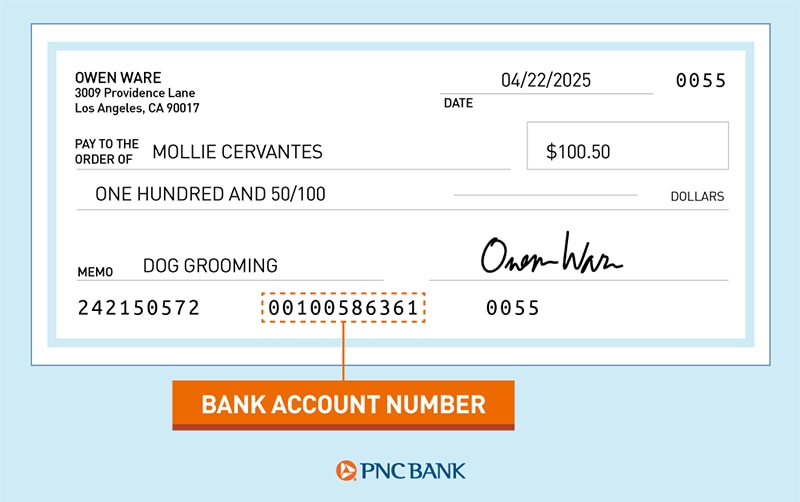
- On Your Checks: Look at the bottom of a check. You’ll typically see three sets of numbers. From left to right: the nine-digit routing number, then your bank account number (which can vary in length), and finally, the check number.
- On Deposit Slips: Similar to checks, deposit slips also have your routing number and account number printed at the bottom.
- Caution: Because these documents contain sensitive information, it’s crucial to keep your checkbook and unused deposit slips in a secure place and shred old or voided checks to prevent fraud.
Direct Assistance: Contacting Your Bank’s Customer Service

When all else fails, or if you prefer direct interaction, your bank’s customer service can provide your account number.
- Phone: Call your bank’s official customer service line. Be prepared to go through a verification process to confirm your identity. This will typically involve answering security questions, providing personal details, and possibly verifying recent transactions.
- In-Person: Visit your local bank branch. A teller or customer service representative can assist you. You will need to present a valid form of identification (e.g., driver’s license, passport) to verify your identity. This is often the most secure way if you are concerned about online security.
- Secure Messaging: Some banks offer secure messaging within their online banking portal. While not a direct phone call, this encrypted channel can be a safe way to request information from a representative.
Debit Card Limitations: Why It’s Not Always the Source
It’s a common misconception that your debit card contains your bank account number.
- Card Number vs. Account Number: The 16-digit number on the front of your debit card is the card number, which is tied to your account but is not your bank account number. It’s used for card-based transactions.
- Why It’s Different: Keeping these separate adds a layer of security. If your card is compromised, your core bank account number remains secure, limiting direct access to your funds. While some banks might print a very truncated version of your account number on the back of the card, it’s not a reliable primary source for the full number.
These traditional methods offer reliable alternatives to digital access, ensuring that you can always retrieve your bank account number when needed, regardless of your digital comfort level.
Protecting Your Financial Core: Security Best Practices for Your Account Number
Your bank account number is a sensitive piece of financial information that, if it falls into the wrong hands, could lead to financial fraud and identity theft. As such, knowing how to protect it is just as important as knowing how to find it. Implementing robust security practices is a non-negotiable aspect of responsible personal finance.
The Perils of Sharing: When and When Not to Disclose
One of the most critical aspects of account number security is understanding when it’s safe to share it and when it’s not.
- When to Share (Legitimate Reasons):
- Direct Deposit: With your employer, government agencies for benefits, or tax refund services.
- Automated Payments: With trusted utility companies, mortgage lenders, or subscription services if you initiate the setup through their secure portals.
- Bank-to-Bank Transfers: When setting up transfers between your own accounts or sending money to trusted individuals through secure bank channels.
- Loan Applications: With legitimate financial institutions during the application or repayment setup process.
- When NOT to Share (Red Flags):
- Unsolicited Requests: Never provide your account number in response to unexpected emails, texts, or phone calls, even if they claim to be from your bank or a government agency. Banks will never ask for your full account number via email or text.
- Suspicious Websites: Be wary of websites that look unofficial or request your account number for services that don’t seem legitimate.
- Public Forums/Social Media: Absolutely avoid posting or discussing your account number on any public platform.
- Unsecured Communication: Do not send your account number via unencrypted email or text messages.
Always assume that unsolicited requests for your account number are fraudulent. When in doubt, contact your bank directly using the official phone number from their website or your bank statement, not one provided in a suspicious communication.
Vigilance Against Fraud: Monitoring Your Accounts
Proactive monitoring of your bank accounts is your best defense against unauthorized activity, even if your account number is compromised.
- Regular Review: Check your bank statements and online transaction history frequently, ideally weekly or even daily, to spot any unfamiliar transactions promptly.
- Set Up Alerts: Most banks offer customizable alerts (via email or text) for various activities, such as large withdrawals, low balances, or transactions over a certain amount. Utilize these tools to stay informed in real-time.
- Fraud Department Contact: Know how to contact your bank’s fraud department immediately if you suspect any suspicious activity. Swift action can often prevent further losses and help in recovering funds.
Secure Storage and Disposal of Financial Documents
Physical documents containing your account number also require careful handling.
- Secure Storage: Keep physical bank statements, checkbooks, and other financial records in a locked drawer, safe, or secure location in your home.
- Digital Encryption: If you store digital copies of statements on your computer, ensure they are password-protected or in an encrypted folder.
- Shredding: When you no longer need physical documents containing your account number, routing number, or other sensitive financial data, always shred them using a cross-cut shredder. Do not simply throw them in the trash, as dumpster diving is a common tactic for identity thieves.
By making these security practices a routine part of your financial life, you significantly reduce the risk of your bank account number being misused, thereby safeguarding your financial well-being.
Beyond Retrieval: Utilizing Your Account Number for Enhanced Financial Management
Finding your bank account number isn’t just about knowing where it is; it’s about leveraging that information to optimize your financial operations and streamline your money management. Your account number acts as a key to unlock several efficiencies in your financial life.
Streamlining Income: Setting Up Direct Deposits
One of the most significant benefits of knowing your bank account number is the ability to set up direct deposit. This is the electronic transfer of funds directly into your bank account.
- Convenience: Eliminates the need to physically deposit checks, saving time and trips to the bank.
- Speed: Funds are often available sooner than with paper checks, particularly for paychecks.
- Security: Reduces the risk of lost or stolen checks.
- How To: Provide your employer or payer with your bank’s routing number and your specific account number. Most employers will have a form for this. For government benefits or tax refunds, you typically input this information directly into their online portals or provide it on relevant forms.
Direct deposit is a cornerstone of modern financial efficiency, ensuring your income reaches you securely and promptly.
Facilitating Payments: ACH Transfers and Bill Pay
Your bank account number is vital for managing outgoing payments, both recurring and one-time.
- Automated Clearing House (ACH) Transfers: These are electronic payments that move money between banks. They are commonly used for:
- Automated Bill Pay: Setting up recurring payments for utilities, loans, rent, or subscriptions directly from your bank account. This ensures bills are paid on time, avoiding late fees and improving your credit score.
- Peer-to-Peer Payments: While many apps abstract this, the underlying mechanism often uses ACH, and linking your bank account directly enhances transfer limits and security.
- Transfers Between Your Own Accounts: Moving money seamlessly between a checking account at one bank and a savings account at another.
- Online Bill Pay Through Your Bank: Many banks offer a comprehensive online bill pay service where you can set up payees and schedule payments. Your account number is the identifier for the source account for these payments.
Utilizing ACH and online bill pay simplifies financial obligations, helps maintain a positive payment history, and provides a clear digital trail of all transactions.

Connecting with Personal Finance Software and Budgeting Apps
In an era of sophisticated financial technology, your bank account number is often the bridge between your raw financial data and powerful analytical tools.
- Budgeting Apps (e.g., Mint, YNAB): These applications help you track spending, categorize transactions, and create budgets. Many require you to link your bank accounts, sometimes directly using your account number or often through secure third-party aggregators that connect to your bank with your online banking credentials. This integration provides a holistic view of your finances.
- Investment Platforms: If you transfer funds from your bank account to an investment platform (e.g., for a brokerage account or IRA), your bank account number will be required to establish the link for deposits and withdrawals.
- Tax Software: When filing taxes, your bank account and routing numbers are necessary for direct deposit of refunds or direct debit of taxes owed.
These tools empower you to gain deeper insights into your spending habits, investment performance, and overall financial health, moving you closer to achieving your financial goals.
By understanding how to view your bank account number, safeguarding it with diligence, and then strategically employing it for direct deposits, automated payments, and integration with financial tools, you transform a simple identifier into a powerful instrument for comprehensive financial management. In the journey toward financial wellness, knowledge and secure application of your core financial details are invaluable assets.
aViewFromTheCave is a participant in the Amazon Services LLC Associates Program, an affiliate advertising program designed to provide a means for sites to earn advertising fees by advertising and linking to Amazon.com. Amazon, the Amazon logo, AmazonSupply, and the AmazonSupply logo are trademarks of Amazon.com, Inc. or its affiliates. As an Amazon Associate we earn affiliate commissions from qualifying purchases.