
In an increasingly interconnected global economy, the ability to move funds swiftly and securely across borders and between institutions is paramount. Wire transfers stand as one of the oldest and most reliable methods for electronic fund transfers, particularly for significant amounts or international transactions. For account holders with Chase, understanding the intricacies of receiving a wire transfer is a fundamental aspect of effective financial management, whether for personal use, business operations, or investment purposes. This comprehensive guide will demystify the process, providing a clear roadmap for ensuring your funds arrive safely and efficiently in your Chase account.
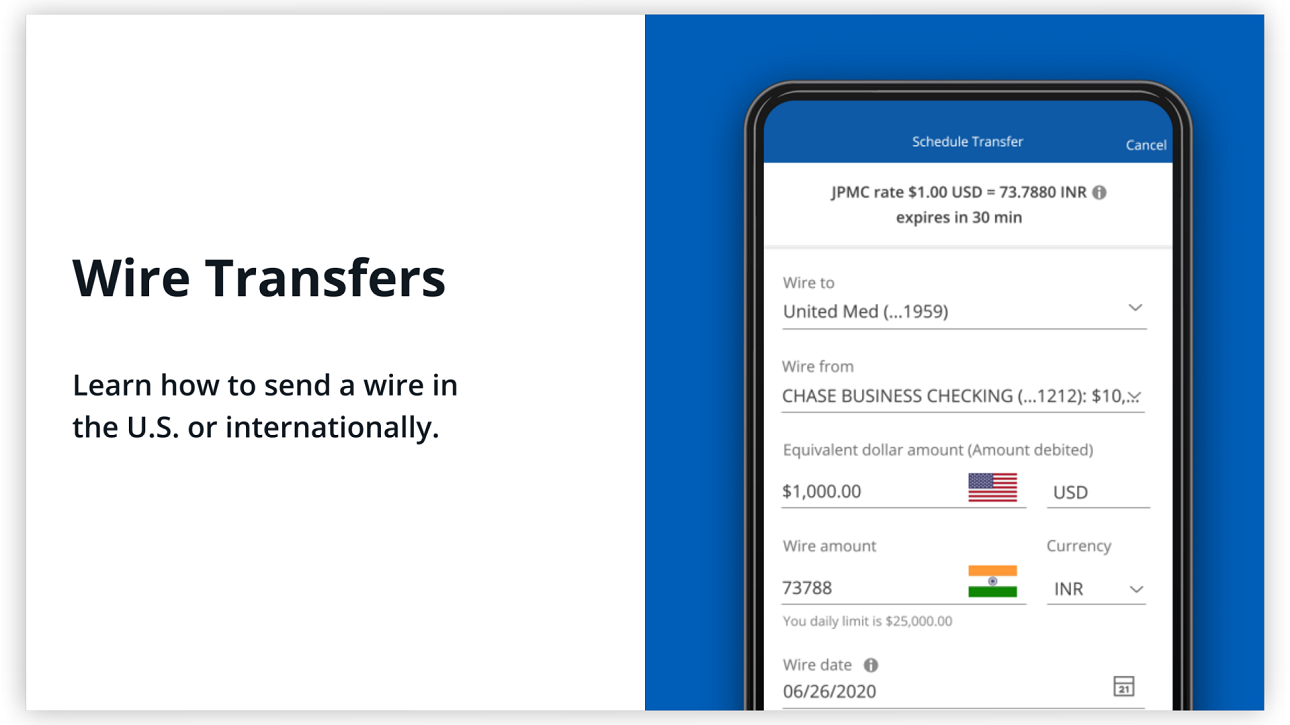
Understanding Wire Transfers: A Fundamental Financial Tool
Before delving into the specifics of Chase’s requirements, it’s crucial to grasp the foundational concepts of wire transfers. This mechanism plays a vital role in the financial ecosystem, facilitating everything from large-scale business payments to individual remittances.
What is a Wire Transfer?
A wire transfer is an electronic fund transfer service that allows money to be moved between financial institutions. Unlike other electronic payment methods like ACH (Automated Clearing House) transfers, which are often batched and take longer to clear, wire transfers are typically processed individually and in real-time or near real-time. The sending bank directly communicates with the receiving bank to move the funds, making it a very direct method of payment. This directness contributes to its speed and often, its higher associated costs compared to other transfer types. Funds are directly debited from the sender’s account and credited to the recipient’s account, usually within a few hours for domestic transfers and one to five business days for international transfers, depending on various factors.
Why Use Wire Transfers?
The primary advantages of wire transfers lie in their speed, security, and global reach.
- Speed: For urgent financial needs, wire transfers are often the fastest way to move money, especially for domestic transfers which can often clear within the same business day. International wires, while taking longer, are still quicker than traditional mailed checks or some other international payment methods. This speed is critical for time-sensitive transactions like real estate closings, urgent invoice payments, or emergency fund transfers.
- Security: Wire transfers are highly secure. They involve strict verification processes by both the sending and receiving banks, reducing the risk of fraud once the transfer is initiated correctly. Funds are sent directly from one bank account to another, offering a clear audit trail. This security makes them preferred for high-value transactions where the risk of loss must be minimized.
- International Transactions: Wire transfers are the backbone of international finance. They are universally accepted for cross-border payments, allowing individuals and businesses to send and receive funds globally with confidence, typically utilizing the SWIFT network (Society for Worldwide Interbank Financial Telecommunication). This global compatibility is indispensable for international trade, remittances, and cross-border investments.
Key Players in a Wire Transfer
Understanding who is involved in a wire transfer helps clarify the process and the information required.
- Sender (Originator): The individual or entity initiating the wire transfer and providing the funds.
- Sending Bank: The financial institution holding the sender’s account from which the funds are debited.
- Receiving Bank: The financial institution holding the beneficiary’s account, in this case, Chase.
- Beneficiary (Recipient): The individual or entity who is to receive the funds, which is you, the Chase account holder.
- Intermediary Bank (Correspondent Bank): For international transfers, especially those involving less common currencies or countries, an intermediary bank might be used to facilitate the transfer between the sending and receiving banks. This bank acts as a bridge, ensuring the funds reach their final destination.
Essential Information Needed to Receive a Wire Transfer to Your Chase Account
To successfully receive a wire transfer, your sender will require specific, accurate information about you and your Chase account. Any discrepancies can lead to delays, rejection of the transfer, or even misdirection of funds, resulting in potential losses or significant administrative hassle.
Your Full Legal Name and Address
The name on the wire transfer must exactly match the name on your Chase account. This is a critical security measure to prevent fraud and ensure funds are credited to the correct individual or entity. Provide your full legal name as it appears on your bank statements and official identification. Similarly, your residential or business address (as registered with Chase) should be provided.
Your Chase Account Number
This is arguably the most important piece of information. Your account number is unique to your specific Chase deposit account (checking, savings, etc.). Double-check this number carefully from your online banking portal, mobile app, or a recent bank statement. Mistakes here are a common cause of transfer failures.
Chase’s SWIFT/BIC Code (for International Wires)
For international wire transfers, your sender will need Chase’s unique Bank Identifier Code (BIC), also known as a SWIFT code. SWIFT codes are standard international identifiers that specify a particular bank and branch. For JPMorgan Chase Bank, N.A., the primary SWIFT code is often CHASUS33. It’s crucial to confirm this code with Chase directly or through reliable sources, as different branches or specific types of accounts could theoretically have variations, though this is less common for large institutions like Chase. This code tells the international banking network exactly which bank to send the funds to.
Chase’s Bank Name and Address
Your sender will need the full legal name and address of your bank. For wire transfers to a Chase account in the United States, the details are typically:
- Bank Name: JPMorgan Chase Bank, N.A.
- Bank Address: 270 Park Avenue, New York, NY 10017 (This is Chase’s main corporate address, often used for wire transfer instructions). While Chase has branches nationwide, this central address is generally sufficient for incoming wires.
Chase’s Routing Number (for Domestic Wires)
For domestic wire transfers within the United States, the sender will need Chase’s routing number (also known as the ABA routing number). This nine-digit number identifies the specific financial institution involved in the transaction. Unlike SWIFT codes which are global, routing numbers are specific to the U.S. banking system. Chase has several routing numbers depending on the state where your account was opened or the specific type of transaction. You can find your specific routing number on your checks (the first set of numbers at the bottom left), your online banking portal, or by contacting Chase directly. It’s essential to provide the correct routing number associated with your account’s location.
Corresponding Bank Information (if applicable)
In some rare international scenarios, especially for transfers involving certain currencies or from banks in specific regions, an intermediary or “correspondent” bank might be required. Chase works with a network of correspondent banks globally. If your sender’s bank explicitly asks for this, you might need to obtain this information directly from Chase. However, for most common international transfers to a USD account, providing Chase’s SWIFT code and your account details is usually sufficient.
The Step-by-Step Process: Guiding Your Sender
Once you have gathered all the necessary information, the next crucial step is to effectively communicate it to your sender. Clarity and precision here are paramount.
Communicating Your Details Clearly
Provide all the required information in a clear, unambiguous format. A good practice is to type out the details in an email or a document, making it easy for your sender to copy and paste, minimizing the risk of transcription errors. If you’re providing the details verbally, ask the sender to read them back to you to confirm accuracy. Stress the importance of exact matching of names and numbers.
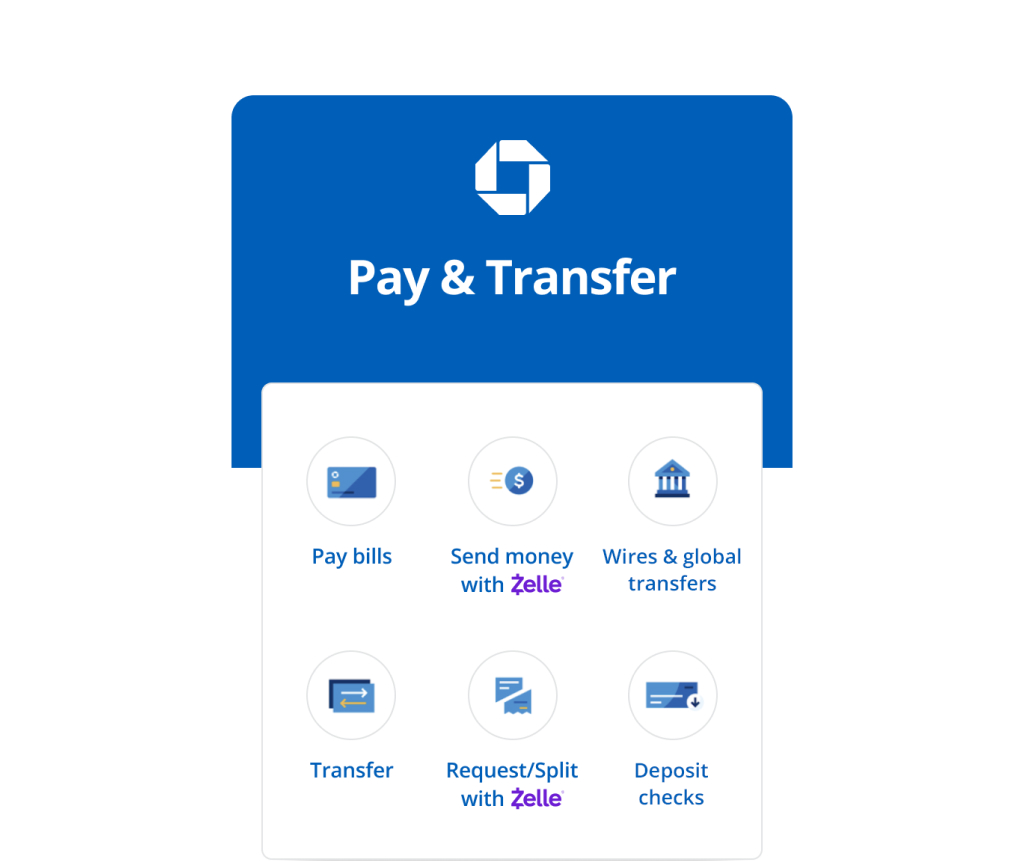
Domestic Wire Transfers
For a wire transfer originating from another bank within the United States to your Chase account:
- Your Full Legal Name: As it appears on your Chase account.
- Your Full Address: As registered with Chase.
- Your Chase Account Number: The full 10-12 digit number for your checking or savings account.
- Chase’s Routing Number: The specific 9-digit ABA routing number for wires associated with your account’s region.
- Bank Name: JPMorgan Chase Bank, N.A.
The sender will then take this information to their bank (either in person, via online banking, or phone banking) and initiate the domestic wire transfer.
International Wire Transfers
For a wire transfer originating from a bank outside the United States to your Chase account:
- Your Full Legal Name: As it appears on your Chase account.
- Your Full Address: As registered with Chase.
- Your Chase Account Number: The full 10-12 digit number.
- Chase’s SWIFT/BIC Code: CHASUS33 (confirm if needed).
- Bank Name: JPMorgan Chase Bank, N.A.
- Bank Address: 270 Park Avenue, New York, NY 10017.
- Purpose of Payment (Optional but Recommended): For international transfers, some banks or regulatory bodies require the sender to state the purpose of the payment (e.g., “Family Support,” “Payment for Services,” “Investment”). This can help expedite processing and comply with anti-money laundering regulations.
The sender will provide these details to their international bank to initiate the transfer. They should specify the currency of the transfer (e.g., USD, EUR, GBP).
Instructing Your Sender on Fees and Currencies
It’s important to discuss fees with your sender beforehand.
- Sender Fees: The sending bank will almost always charge a fee to initiate a wire transfer.
- Intermediary Bank Fees: For international transfers, an intermediary bank might deduct a fee before the funds reach Chase.
- Receiving Bank Fees: Chase typically charges a fee for incoming international wire transfers. As of my last update, Chase charges a fee for incoming international wires, but usually not for incoming domestic wires. However, fees can change, so it’s wise to check Chase’s official fee schedule.
Your sender should be aware that if they choose “sender pays all fees,” they might need to pay an additional amount to cover potential intermediary and receiving bank fees. Otherwise, these fees will be deducted from the principal amount before it reaches your account.
What to Expect After a Wire Transfer is Sent
Once the sender has initiated the wire transfer, the waiting period begins. Understanding the typical processing times and how you’ll be notified is important for managing your expectations and financial planning.
Wire Transfer Processing Times
- Domestic Wires: Most domestic wire transfers are processed very quickly, often within a few hours on the same business day if initiated during bank operating hours. If sent after cut-off times, they will typically process on the next business day.
- International Wires: International wire transfers generally take longer, typically between 1 to 5 business days. The exact duration depends on several factors:
- Time Zones: Differences in operating hours between countries.
- Currency Conversion: If the transfer involves currency conversion, this can add to the processing time.
- Intermediary Banks: The involvement of one or more intermediary banks can extend the duration.
- Compliance Checks: International transfers are subject to rigorous anti-money laundering (AML) and anti-terrorism financing (ATF) checks, which can sometimes cause delays.
- Weekend/Holidays: Transfers initiated on weekends or bank holidays will only begin processing on the next business day.
How Chase Notifies You
When an incoming wire transfer is successfully credited to your Chase account, you will typically be notified through your standard banking alerts. This could be:
- An email notification (if you have email alerts set up).
- A push notification on the Chase mobile app.
- The transaction appearing in your online banking activity feed or mobile app.
- A deposit entry on your next bank statement.
Chase does not usually send a separate physical letter specifically for an incoming wire transfer unless there’s an issue.
Verifying Received Funds
It’s always good practice to verify that the correct amount has been deposited into your account. Check your Chase account balance and transaction history through online banking or the mobile app. Compare the deposited amount with what the sender confirmed they sent, keeping in mind any potential deductions for receiving bank fees or intermediary fees for international transfers. If there’s a discrepancy or if the funds haven’t arrived within the expected timeframe, you should contact Chase customer service.
Understanding Wire Transfer Fees
As mentioned, fees are a part of wire transfers.
- Sender’s Bank Fee: Always charged by the bank initiating the transfer.
- Intermediary Bank Fee: Deducted from the transfer amount by correspondent banks for international wires.
- Chase’s Incoming Wire Fee: Chase charges a fee for incoming international wire transfers (often around $15). For incoming domestic wire transfers, Chase typically does not charge a receiving fee, but it’s essential to confirm this with their current fee schedule. These fees are usually deducted from the principal amount before it is credited to your account unless the sender specifically covers all fees.
Security, Compliance, and Best Practices for Receiving Wires
While wire transfers are secure, taking proactive steps and understanding the compliance landscape can enhance your financial safety and ensure smooth transactions.
Protecting Yourself from Fraud
Wire transfers are irreversible once processed, making them a target for fraudsters. Be extremely cautious if:
- You receive an unexpected wire transfer.
- Someone asks you to send money back from an unexpected wire transfer (often part of a scam).
- You are asked to provide your bank details by an unknown party or a suspicious source.
- You are pressured to send money quickly, especially to an unknown recipient, after receiving a purported wire transfer.
Always verify the sender’s identity and the legitimacy of the transaction before providing your banking details or acting on instructions related to received funds. If something feels suspicious, contact Chase directly using official contact information, not information provided by the potential fraudster.
Importance of Accurate Information
The absolute precision of information is critical. Even a single incorrect digit in an account number or a misspelled name can lead to significant delays, the return of funds (often with additional fees), or, in rare cases, funds being directed to the wrong account. Always ask your sender to double-check every piece of information you provide.
Record Keeping and Documentation
Maintain clear records of all wire transfer communications. This includes:
- The sender’s full details.
- The amount expected and the currency.
- The date the transfer was initiated.
- Any tracking numbers or reference codes provided by the sender.
- Your own provided banking details.
This documentation will be invaluable if you need to trace a transfer, dispute a transaction, or provide proof of funds for tax purposes or other financial reporting.
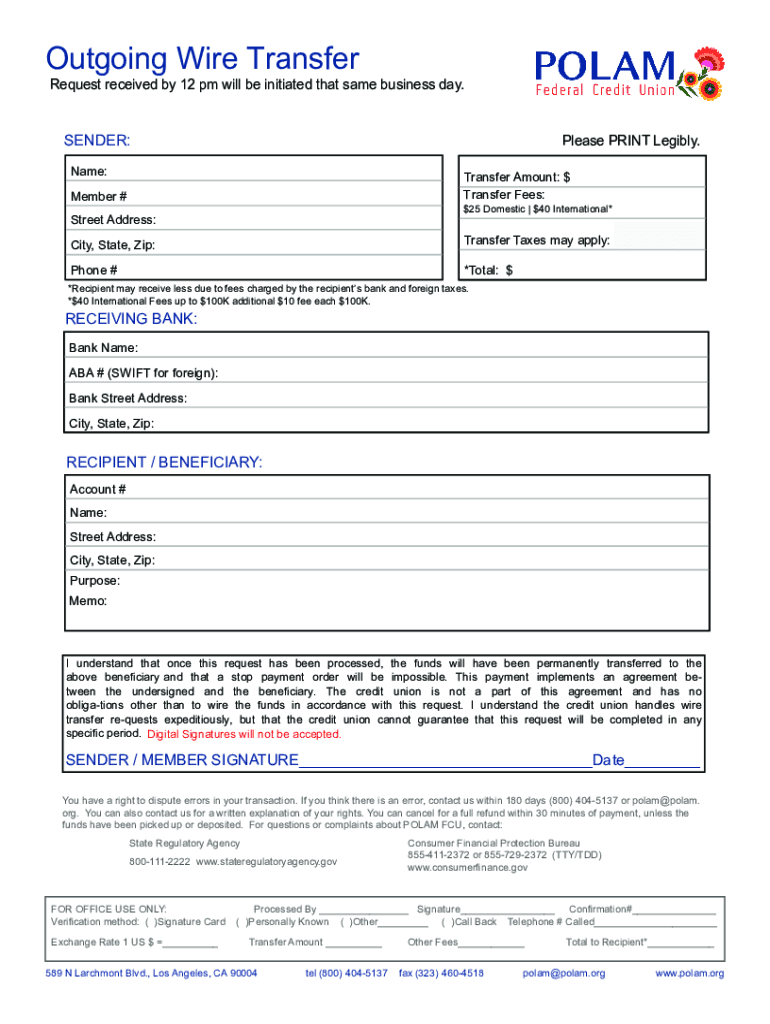
When to Contact Chase Customer Service
You should contact Chase customer service if:
- Funds have not arrived within the expected timeframe.
- The amount received is incorrect.
- You notice any suspicious activity related to an expected or unexpected wire transfer.
- You need to confirm specific routing, SWIFT, or correspondent bank information.
- You have questions about fees or need a detailed statement of a wire transfer.
Have all relevant information ready (sender details, expected amount, date initiated) to expedite the inquiry process.
Receiving a wire transfer into your Chase account is a straightforward process when you understand the requirements and best practices. By providing accurate information, understanding the flow of funds, and remaining vigilant against potential fraud, you can ensure that your financial transactions are both efficient and secure, bolstering your overall financial health and peace of mind.
aViewFromTheCave is a participant in the Amazon Services LLC Associates Program, an affiliate advertising program designed to provide a means for sites to earn advertising fees by advertising and linking to Amazon.com. Amazon, the Amazon logo, AmazonSupply, and the AmazonSupply logo are trademarks of Amazon.com, Inc. or its affiliates. As an Amazon Associate we earn affiliate commissions from qualifying purchases.