
For many, acquiring their first credit card marks a significant step toward financial independence and future prosperity. While often associated with debt and reckless spending, a credit card, when managed responsibly, is an invaluable tool for building a strong credit history, navigating financial emergencies, and unlocking a range of benefits. This guide aims to demystify the process of getting a credit card, offering clear, actionable advice for individuals at every stage of their financial journey, from absolute beginners to those looking to optimize their credit profile. Understanding the nuances of credit, the application process, and, crucially, how to manage your card effectively, is paramount to harnessing its power without falling into common pitfalls.
Understanding Credit Cards Before You Apply
Before you even think about submitting an application, it’s essential to grasp what a credit card truly is, its potential benefits, and the responsibilities that come with it. A credit card is not simply a piece of plastic; it’s a financial instrument that offers a line of credit from a lender, allowing you to borrow money up to a pre-set limit to make purchases.
What is a Credit Card?
Unlike a debit card, which draws funds directly from your bank account, a credit card provides access to borrowed funds. When you use a credit card, you are essentially taking out a short-term loan that you promise to repay. Each month, you receive a statement detailing your purchases, the total amount owed, and a minimum payment due. If you pay your balance in full by the due date, you typically won’t incur interest charges (thanks to a ‘grace period’). However, if you carry a balance over, interest will be applied to the unpaid amount, increasing your total cost. This concept of “revolving credit” means you can continuously borrow, repay, and re-borrow as long as you stay within your credit limit and make minimum payments.
Why Get a Credit Card?
The benefits of owning a credit card extend far beyond convenience. When used wisely, a credit card can be a powerful financial asset.
- Building Credit History: This is perhaps the most critical benefit, especially for beginners. Lenders, landlords, and even some employers use your credit history to assess your financial reliability. A positive credit history, established through consistent, on-time credit card payments, opens doors to lower interest rates on mortgages, car loans, and personal loans, as well as easier approval for rentals and utility services.
- Emergency Fund Supplement: While not a substitute for a cash emergency fund, a credit card can provide a crucial safety net for unexpected expenses, such as car repairs or medical bills, when immediate cash isn’t available.
- Fraud Protection: Credit cards generally offer robust fraud protection. If your card is stolen or used fraudulently, you are often protected by law (Fair Credit Billing Act) from liability for unauthorized charges beyond a small amount, and sometimes even fully protected, depending on the card issuer’s policy.
- Rewards and Benefits: Many credit cards offer rewards programs, including cashback on purchases, travel points, airline miles, or discounts at specific retailers. Some also come with additional perks like extended warranties, purchase protection, rental car insurance, or access to airport lounges.
- Convenience and Global Acceptance: Credit cards are widely accepted online and internationally, making them a convenient payment method for travel and e-commerce.
Potential Pitfalls and Responsibilities
With great power comes great responsibility. Mismanaging a credit card can lead to significant financial difficulties.
- Accumulating Debt: The most common pitfall. If you only make minimum payments and continuously spend, interest charges can quickly compound, leading to a spiraling debt that becomes difficult to repay. High-interest debt can severely strain your finances.
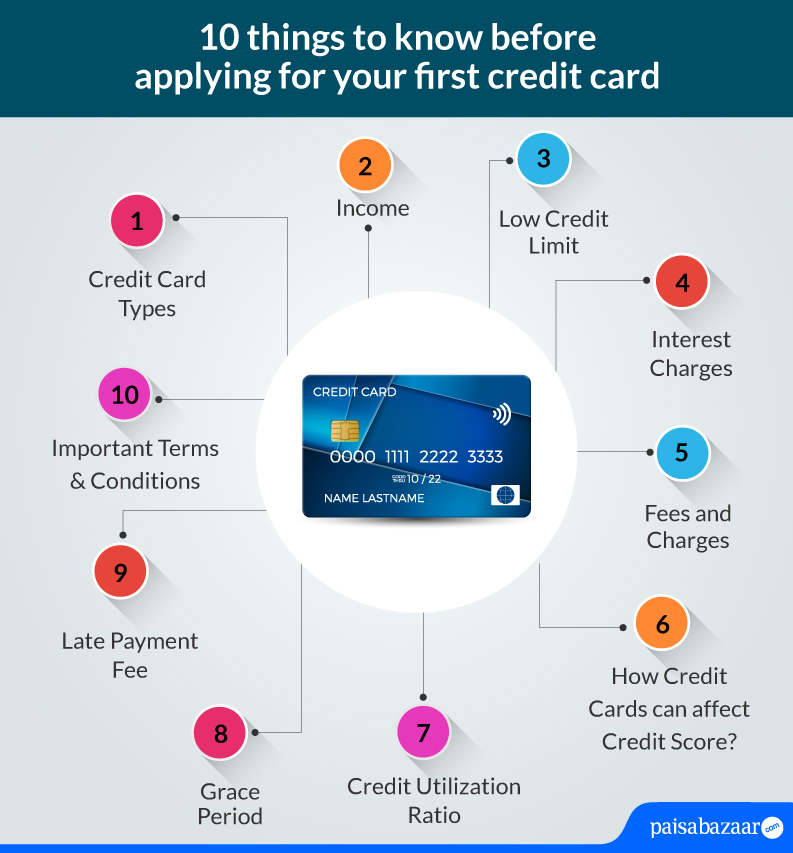
- High Interest Rates (APR): Credit card Annual Percentage Rates (APRs) can be very high, often ranging from 15% to 25% or more, especially for those with limited credit history. Carrying a balance at these rates can be costly.
- Fees: Be aware of various fees, including annual fees (for premium cards), late payment fees, over-limit fees, foreign transaction fees, and cash advance fees. These can eat into your budget.
- Negative Impact on Credit Score: Late payments, missed payments, high credit utilization (using a large percentage of your available credit), and frequent new applications can all negatively impact your credit score, making it harder to obtain future credit.
Essential Steps to Prepare for Your First Credit Card
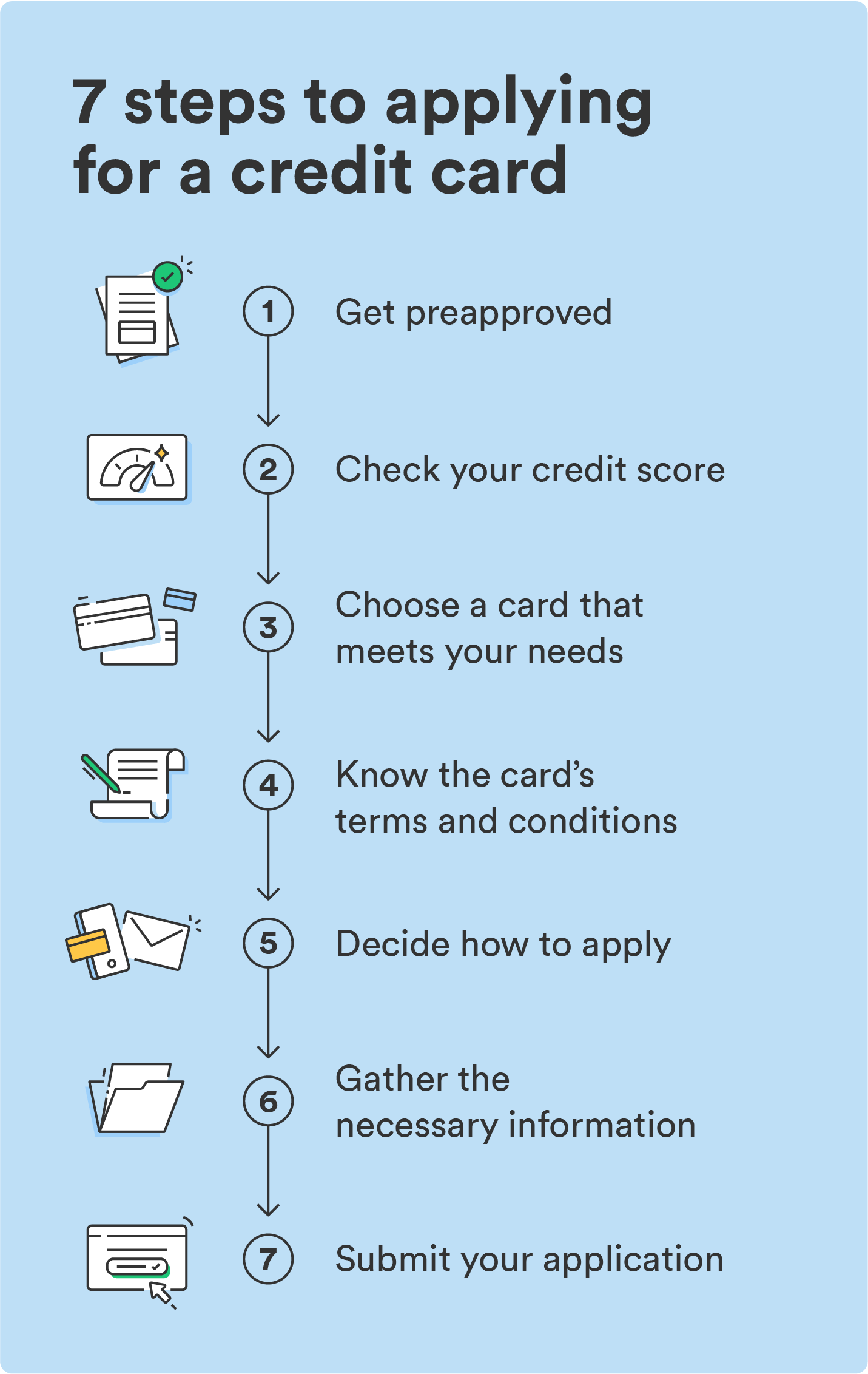
Before you jump into applications, a little preparation can significantly increase your chances of approval and set you up for responsible card usage. This involves understanding your current financial standing and what lenders look for.
Check Your Credit Score
If you’ve ever had a loan, paid rent, or had utility bills in your name, you might already have a credit history and a credit score. You can obtain a free credit report from each of the three major credit bureaus (Experian, Equifax, TransUnion) annually via AnnualCreditReport.com. Reviewing this report will show you your current credit standing and any potential errors. If you have no credit history (often referred to as having a “thin file”), this is normal for many first-time applicants, and you’ll need to look for cards designed for this situation.
Build a Financial Foundation
Lenders want to see that you can manage your money responsibly. Before applying, ensure you have a stable financial base:
- Income: You must have a verifiable income source to be approved for a credit card. Lenders want assurance that you can repay what you borrow. This can include salary, tips, freelance income, government benefits, or even reasonable allowance from a spouse/parent (if you are 21 or over).
- Budgeting: Create and stick to a personal budget. Understanding your income and expenses will help you determine how much you can realistically afford to spend and repay on a credit card each month.
- Emergency Fund: Ideally, you should have some savings set aside for emergencies. While a credit card can cover unexpected costs, relying on it when you have no other funds can quickly lead to debt.
Understand Credit Card Terms
Familiarize yourself with the jargon. Understanding these terms will help you choose the right card and manage it effectively.
- APR (Annual Percentage Rate): The yearly rate of interest charged on your outstanding balance. This is crucial if you plan to carry a balance.
- Annual Fee: A yearly charge for having the credit card. Many starter cards have no annual fee.
- Grace Period: The time between the end of your billing cycle and your payment due date, during which no interest is charged if you pay your entire balance in full.
- Credit Limit: The maximum amount of money you are allowed to borrow on the card.
- Minimum Payment: The smallest amount you must pay by the due date to avoid late fees and negative credit reporting. Always aim to pay more than the minimum, ideally the full balance.
- Statement Closing Date: The date your billing cycle ends, and your statement is generated.
- Payment Due Date: The deadline by which your payment must be received.
Navigating the Application Process
With your preparation complete, it’s time to choose a card and submit your application. This step requires careful consideration to select a card that matches your financial situation and goals.
Choosing the Right Card
For first-time applicants or those with limited credit history, not all credit cards are created equal. Focus on cards designed for building credit.
- Secured Credit Cards: These are often the easiest to get for those with no credit history. You deposit a sum of money with the issuer, which typically becomes your credit limit. This deposit secures the card, reducing the risk for the lender. After a period of responsible use (e.g., 6-12 months), you can often “graduate” to an unsecured card, and your deposit is returned.
- Student Credit Cards: If you’re a college student, these cards are tailored for you. They often have lower credit limits and may offer student-specific rewards or benefits, recognizing that students have limited income but are working towards future financial stability.
- Store Credit Cards: Many retail stores offer their own credit cards. These are sometimes easier to qualify for than general-purpose cards, but they often have high APRs and can only be used at that specific retailer or its partners. Use them cautiously and pay them off quickly.
- Co-signed Credit Cards: If you have a trusted family member with good credit, they might be willing to co-sign a card for you. This means they are equally responsible for the debt, which makes it easier for you to get approved, but carries risk for the co-signer.
- Authorized User Status: Another option is to become an authorized user on someone else’s credit card. Their good payment history can positively reflect on your credit report, but you’re not legally responsible for the debt, and your credit score development might be slower than with your own card.
Gathering Necessary Documents
When applying, you’ll typically need to provide certain information and documents:
- Proof of Identity: Government-issued ID (driver’s license, passport).
- Proof of Address: Utility bill, bank statement, or lease agreement.
- Proof of Income: Pay stubs, tax returns, bank statements showing deposits, or an employment verification letter.
- Social Security Number (SSN) or Individual Taxpayer Identification Number (ITIN).
The Application Form Explained
Credit card applications usually ask for:
- Personal Information: Full name, date of birth, SSN/ITIN.
- Contact Information: Address, phone number, email.
- Employment Information: Employer’s name, occupation, annual income.
- Financial Information: Monthly housing payments, any existing debts.
- Consent: To pull your credit report.
Be honest and accurate with all information. Any discrepancies can lead to denial or even legal issues.
What Happens After You Apply?
- Instant Approval: Some applicants with strong credit or applying for simple starter cards might receive an instant decision.
- Pending Review: More often, applications go into review. The issuer may need more time to verify your information or assess your creditworthiness. This could take a few days to a few weeks.
- Denial: If denied, the issuer is legally required to send you an Adverse Action Notice explaining the reasons for denial. This information is valuable as it tells you what areas you need to improve to get approved in the future (e.g., “insufficient credit history,” “high debt-to-income ratio”).
- Reconsideration: If denied, you can sometimes call the issuer’s “reconsideration line.” A human representative might be able to overturn the automated decision, especially if you can provide additional context or information.
Responsible Credit Card Management for Long-Term Success
Getting approved for a credit card is just the beginning. The real test of financial discipline comes with managing it responsibly to build a strong credit profile and avoid debt.
Always Pay on Time
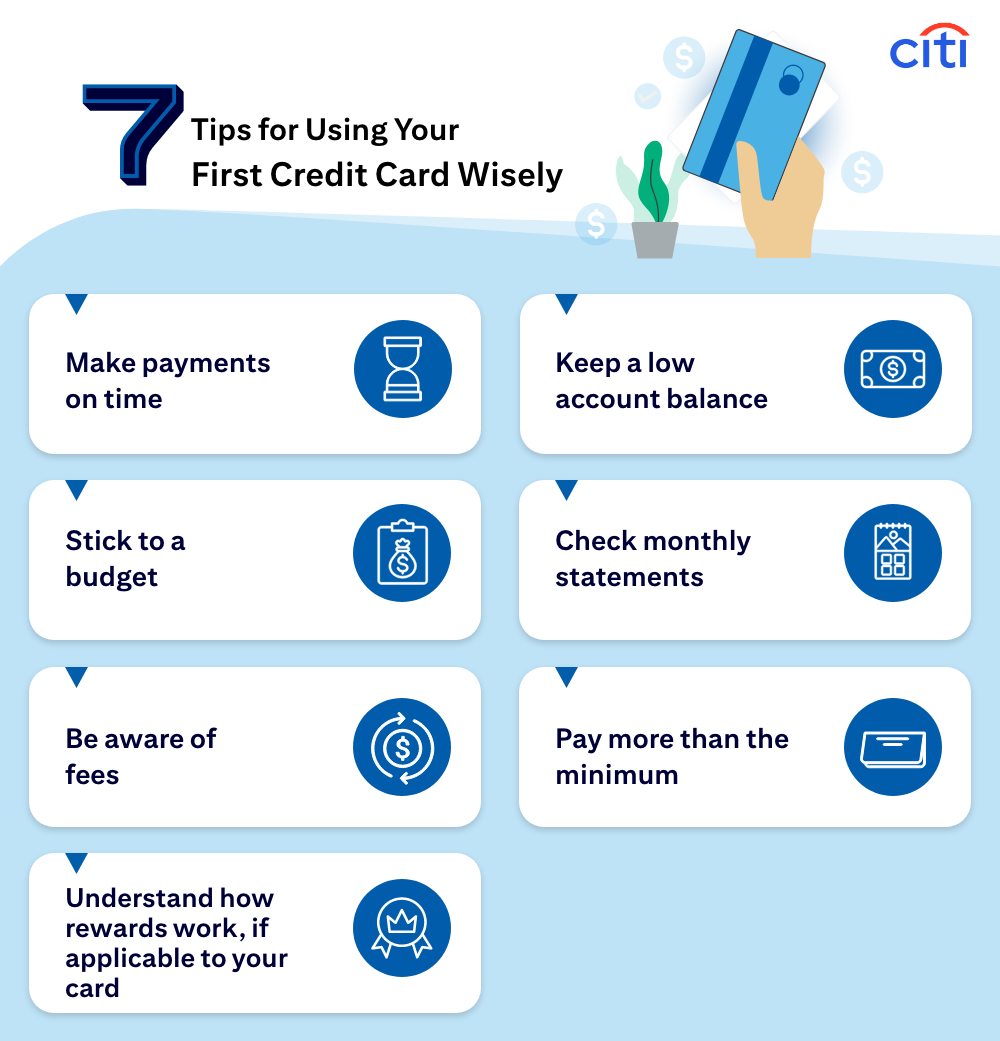
Payment history is the most significant factor in your credit score (accounting for about 35%). Even one late payment can severely damage your score and remain on your credit report for seven years. Set up automatic payments for at least the minimum amount, or better yet, the full statement balance, to ensure you never miss a due date.
Keep Your Credit Utilization Low
Credit utilization is the amount of credit you’re using compared to your total available credit (e.g., if you have a $1,000 limit and a $300 balance, your utilization is 30%). Experts recommend keeping your utilization below 30%—ideally even lower, around 10%—to positively impact your credit score. High utilization signals to lenders that you might be over-reliant on credit, which can be a red flag.
Review Your Statements Regularly
Make it a habit to check your credit card statements each month. This helps you:
- Spot Errors: Ensure all charges are accurate and belong to you.
- Identify Fraud: Promptly report any unauthorized transactions to your issuer.
- Track Spending: Monitor your spending habits and ensure you’re staying within your budget.
Understand Your Card’s Features
Maximize your card’s benefits. If it offers rewards, understand how to earn and redeem them. Be aware of any specific terms, like foreign transaction fees if you travel internationally, or cash advance fees. Knowing your card inside out helps you use it strategically and avoid unnecessary costs.
When to Consider a Second Card or Limit Increase
As your credit score improves, you might be tempted to apply for more cards or ask for a credit limit increase. These can be strategic moves but require caution:
- Second Card: A second card can increase your overall available credit, which can lower your credit utilization if your spending remains constant. It also diversifies your credit mix. However, applying for too many cards too quickly can temporarily ding your score due to hard inquiries.
- Credit Limit Increase: A higher credit limit automatically lowers your utilization if your spending stays the same. This can be beneficial for your score. However, resist the urge to spend more just because you have a higher limit.
Always ensure you can manage the increased responsibility before taking on more credit.
Conclusion
Getting a credit card is a rite of passage into the adult financial world. It offers unparalleled opportunities to build a strong financial foundation, unlock valuable rewards, and gain peace of mind in emergencies. However, it is a tool that demands respect, discipline, and continuous education. By understanding how credit cards work, preparing thoroughly before applying, selecting the right product for your needs, and, most importantly, managing it responsibly by paying on time and keeping utilization low, you can harness its full potential. Your credit card journey is a marathon, not a sprint; consistent, smart financial habits will pave the way for a secure and prosperous future.
aViewFromTheCave is a participant in the Amazon Services LLC Associates Program, an affiliate advertising program designed to provide a means for sites to earn advertising fees by advertising and linking to Amazon.com. Amazon, the Amazon logo, AmazonSupply, and the AmazonSupply logo are trademarks of Amazon.com, Inc. or its affiliates. As an Amazon Associate we earn affiliate commissions from qualifying purchases.