
In the intricate world of personal finance, your bank account number stands as a foundational piece of information. It’s not just a string of digits; it’s your unique identifier, enabling everything from direct deposits to bill payments, and linking your financial life to external services. For Chase Bank customers, knowing precisely where and how to locate this crucial number is paramount for seamless financial management. Whether you’re setting up a new employer’s direct deposit, linking a peer-to-peer payment app, or filing your taxes, having quick and secure access to your Chase account number is an invaluable skill.
This guide will demystify the process, offering a comprehensive walkthrough of various methods—both digital and traditional—to find your Chase bank account number. We’ll also delve into why this number is so important, how it differs from other banking identifiers like routing numbers, and, critically, how to protect this sensitive information in an increasingly digital world. Empower yourself with the knowledge to efficiently manage your finances by mastering the art of locating your Chase account details.
The Indispensable Role of Your Chase Account Number in Financial Management
Understanding the full scope of why your Chase account number is vital can help underscore the importance of knowing where to find it. It’s more than just a reference; it’s a key to unlocking numerous financial functionalities.
Facilitating Direct Deposits and Payments
Perhaps the most common reason individuals need their bank account number is for automated transactions. Your employer will require it to set up direct deposit for your salary, ensuring your paycheck lands directly in your Chase account without delay. Similarly, many utility companies, landlords, and subscription services offer options to pay bills directly from your bank account, often requiring both your account and routing numbers. This streamlines your financial obligations, reducing the risk of missed payments and late fees.
Linking External Accounts and Financial Services
In today’s interconnected financial landscape, you often need to link your primary bank account to various external services. This could include investment platforms, online payment systems like PayPal or Venmo, budgeting apps, or even other bank accounts you hold. These connections typically require your account number (and often your routing number) to verify ownership and enable secure transfers between institutions. Without this core piece of information, you’d be unable to leverage the convenience and functionality of these modern financial tools.
Tax Purposes and Financial Reporting
When tax season rolls around, or if you need to provide proof of funds or financial statements for a loan application, your account number may be required. The IRS and other financial bodies often use this number for verification or record-keeping purposes. For instance, if you’re expecting a tax refund via direct deposit, your account number is essential for the funds to reach you correctly. Keeping this information handy simplifies compliance and reduces stress during critical financial periods.
Security and Fraud Prevention
While it might seem counterintuitive, knowing your account number and actively managing your banking information is a component of security. By being familiar with where your account number appears and how it’s used, you can better identify fraudulent requests or suspicious activities. If you ever need to report unauthorized transactions, your account number is a primary identifier that Chase will use to investigate and protect your funds.
Your Digital Gateway: Finding Your Account Number Online
For most Chase customers, the quickest and most convenient way to find your account number is through Chase’s robust online banking platform or their highly-rated mobile app. These digital tools are designed for ease of access to your financial information.
Navigating the Chase Online Banking Portal
The Chase website is a secure and intuitive platform where you can manage virtually all aspects of your banking. Here’s how to find your account number:
- Log In Securely: Go to the official Chase website (
chase.com) and enter your User ID and Password. Always ensure you are on the legitimate Chase site and look for the padlock icon in your browser’s address bar. - Access Your Accounts: Once logged in, you’ll typically land on your account summary page, which lists all your Chase accounts (checking, savings, credit cards, investments).
- Select the Desired Account: Click on the specific checking or savings account for which you need the number. This will take you to a detailed view of that account.
- Locate Account Details: On the account’s detailed page, you might see a section labeled “Account details,” “See account details,” or similar. Clicking this option usually reveals sensitive information, including your full account number and routing number. Chase often displays only the last few digits for security, requiring you to click to “Show full account number” or verify your identity to reveal it entirely.
- View Statements: Alternatively, you can navigate to the “Statements & Documents” section (often found under “Customer Center” or “Account Services”). You can download a recent bank statement, which will clearly list your full account number. This method is particularly useful if you need a documented record.
Remember to log out of your online banking session once you’re done, especially if you’re using a public or shared computer.
Utilizing the Chase Mobile App
The Chase Mobile App offers a streamlined experience for managing your accounts on the go. Finding your account number through the app is just as simple:
- Launch and Log In: Open the Chase Mobile App on your smartphone or tablet and log in using your User ID and Password, or via biometric authentication (fingerprint, face ID) if enabled.
- Select Your Account: From the main dashboard, tap on the specific checking or savings account whose number you wish to retrieve.
- View Account Details: Look for an option like “Show details,” “Account details,” or a gear icon representing settings for that account. Tapping this will reveal essential account information.
- Reveal Full Number: Similar to the online portal, Chase may initially display only a partial account number for security. You’ll likely need to tap “Show account number” or perform a brief verification (like entering your password again) to see the full sequence.
- Access Digital Statements: Many banking apps, including Chase’s, allow you to view or download digital statements directly from within the app, where your account number will be clearly visible.
The mobile app is a secure and convenient tool, but always ensure your device is protected with a strong passcode or biometric security, and only download the official Chase app from your device’s app store.
Traditional Methods: Physical Documents and In-Person Assistance
While digital methods offer unparalleled convenience, there are several reliable traditional avenues to locate your Chase account number, especially if you prefer paper records or require direct assistance.
Scrutinizing Your Checkbook and Deposit Slips
For those who still use physical checks, your account number is literally at your fingertips.
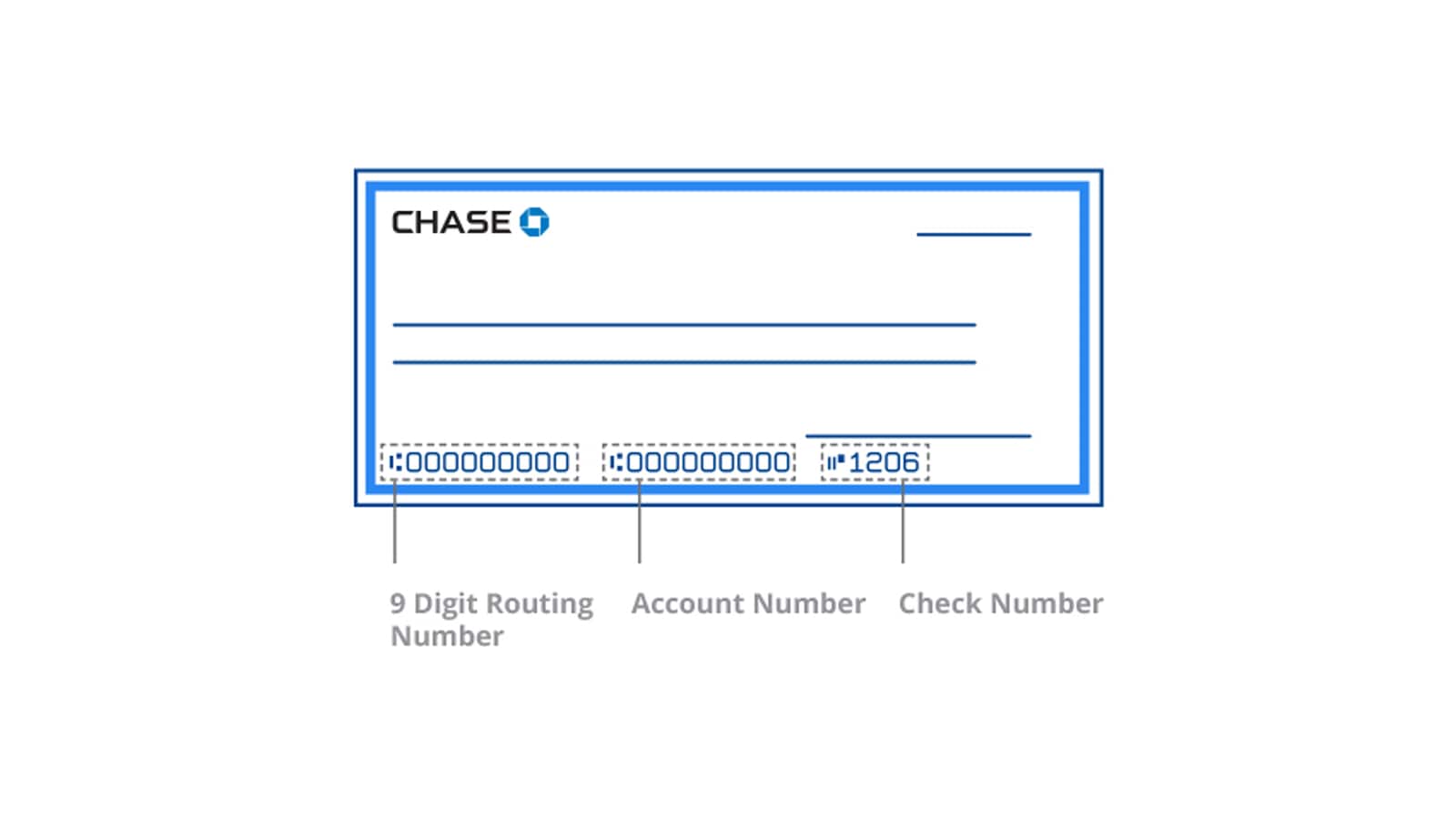
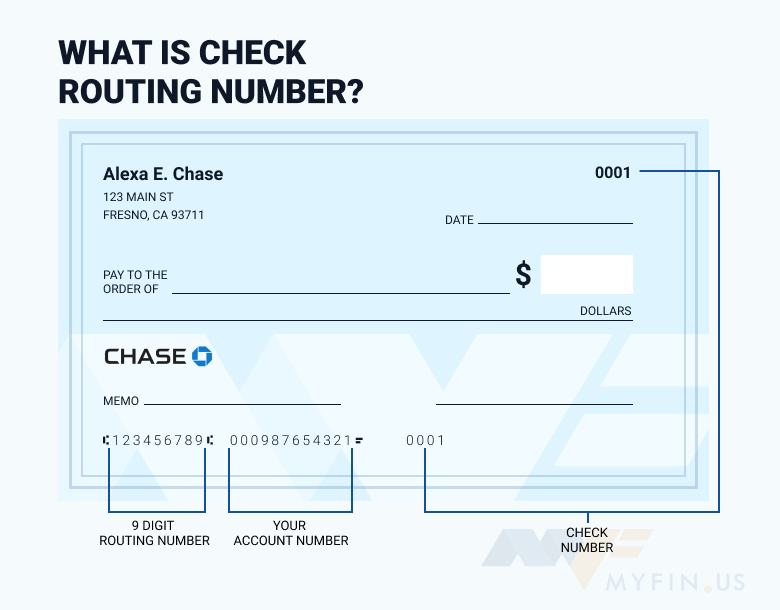
- On Personal Checks: Look at the bottom of your checks. You’ll see a series of numbers printed in magnetic ink (MICR line). This line typically contains three sets of numbers. From left to right, they are usually the routing number, your account number, and the check number. Your account number is the middle set of digits.
- On Deposit Slips: Similar to checks, your deposit slips will also display your account number, usually along the bottom.
It’s important to remember that sharing a full image of a voided check or a check with your complete account and routing numbers publicly can pose a security risk. Only provide this information to trusted entities.
Reviewing Your Bank Statements
Whether you receive paper statements in the mail or access e-statements online, your monthly bank statement is a definitive source for your account number.

- Paper Statements: Your full account number is usually printed prominently near the top of the statement, often along with your name, address, and the statement period.
- E-Statements: If you’ve opted for paperless statements, you can access and download these through the Chase online banking portal or mobile app (as described above). The account number will be in the same prominent location as on a physical statement.
Keep your bank statements in a secure place, whether physically or digitally, as they contain a wealth of sensitive personal and financial information.
Visiting a Chase Branch
If you’re unable to access your account number through digital means, or prefer face-to-face assistance, a visit to your local Chase branch is an excellent option.
- Bring Identification: To protect your account, a Chase representative will require proper identification. Bring a valid government-issued photo ID, such as a driver’s license or passport.
- Speak with a Representative: A teller or personal banker can assist you in retrieving your account number after verifying your identity. They can often print a temporary document with your account details if needed.
- When This is Best: This method is particularly useful if you’ve forgotten your online banking credentials, are locked out of your account, or simply prefer human interaction for sensitive inquiries.
Contacting Chase Customer Service
Chase’s customer service channels are available to help you retrieve your account number.
- Phone: Call the Chase customer service number (usually found on the back of your debit card, a recent statement, or on the Chase website). Be prepared to go through a verification process, which might involve answering security questions or providing personal details to confirm your identity.
- Secure Message: While not instant, you can often send a secure message through your online banking portal asking for assistance, which is a good option if your request isn’t urgent.
Be aware that wait times for phone support can vary, so plan accordingly. Always ensure you are calling an official Chase number to avoid potential scams.
Understanding Your Account Information: Account Number vs. Routing Number
It’s crucial to distinguish between your account number and your routing number, as both are essential but serve different purposes. Often, people confuse the two or think they are interchangeable.
Differentiating Key Banking Identifiers
- Account Number: This is a unique identifier assigned to your specific account within Chase Bank. It tells Chase exactly which individual checking, savings, or investment account to credit or debit funds from. Think of it as your personal apartment number within a large building (Chase Bank).
- Routing Number (ABA Transit Number): This is a nine-digit code that identifies your financial institution (Chase Bank itself) within the U.S. banking system. It tells other banks where to send the money. Think of it as the street address of the building (Chase Bank) where your apartment is located. Chase has different routing numbers depending on the region and the type of transaction.
For most transactions involving transfers between different banks (like direct deposit or bill pay), both your routing number and account number are required to ensure the funds reach the correct bank and then the correct account within that bank.
Where to Find Your Chase Routing Number
Just like your account number, your Chase routing number can be found in several places:
- On Checks: It’s the leftmost nine-digit number on the MICR line at the bottom of your checks.
- Online Banking/Mobile App: When you view your account details, both the account number and the applicable routing number will be listed.
- Bank Statements: Your routing number is typically displayed alongside your account number on your statements.
- Chase Website: Chase provides a tool on their website where you can find the correct routing number based on your state or the type of transaction.
Always double-check that you’re using the correct routing number, especially if you have accounts with different banks or have recently moved, as Chase has multiple routing numbers depending on the branch location or the type of transaction (e.g., wire transfers may use a different routing number).
Protecting Your Banking Details: Security Best Practices
Knowing where to find your account number is just one part of financial literacy; protecting it is equally, if not more, important. Your account number, especially when combined with your routing number, can be used to initiate transactions.
Safeguarding Against Phishing and Scams
Be vigilant against unsolicited requests for your account number. Chase will never ask for your full account number, password, or PIN via email, text message, or an unexpected phone call. Phishing attempts often mimic legitimate communications to trick you into divulging sensitive information. Always verify the sender and, if in doubt, contact Chase directly using an official number.
Secure Password Management
Use strong, unique passwords for your Chase online banking and mobile app. Consider using a password manager to securely store and generate complex passwords. Enable two-factor authentication (2FA) wherever possible, which adds an extra layer of security by requiring a code from your phone or email in addition to your password.
Monitoring Your Accounts Regularly
Regularly review your Chase bank statements and transaction history through online banking or the mobile app. Promptly report any unauthorized or suspicious activity to Chase. Early detection is key to mitigating potential financial loss.
The Dangers of Public Wi-Fi for Banking
Avoid accessing your Chase online banking or mobile app on unsecured public Wi-Fi networks. These networks are often vulnerable to eavesdropping, making your sensitive data susceptible to interception. If you must bank on the go, use a secure private network, your mobile data, or a reputable VPN.
Conclusion
Your Chase bank account number is a cornerstone of your financial identity, enabling a vast array of transactions and services critical to modern money management. By understanding the various methods—from the convenience of digital platforms like online banking and the mobile app to traditional avenues like physical checks and direct interaction at a branch—you can confidently locate this essential piece of information whenever needed.
Beyond retrieval, the paramount importance lies in protecting your banking details. By adopting robust security practices, staying informed about common scams, and regularly monitoring your accounts, you can safeguard your financial well-being. Empowering yourself with this knowledge not only simplifies your banking experience but also fortifies your defense against potential financial threats, putting you in full control of your Chase financial journey.
aViewFromTheCave is a participant in the Amazon Services LLC Associates Program, an affiliate advertising program designed to provide a means for sites to earn advertising fees by advertising and linking to Amazon.com. Amazon, the Amazon logo, AmazonSupply, and the AmazonSupply logo are trademarks of Amazon.com, Inc. or its affiliates. As an Amazon Associate we earn affiliate commissions from qualifying purchases.