
In the intricate world of personal finance, your bank account number serves as a fundamental identifier, a unique sequence that underpins virtually all your financial activities. Whether you’re setting up direct deposit for your paycheck, facilitating a bill payment, or linking new financial tools, knowing this number is often a prerequisite. For Chase Bank customers, accessing this vital piece of information is usually straightforward, yet many find themselves momentarily stumped when the need arises.
This guide aims to demystify the process, offering a comprehensive walkthrough for locating your Chase bank account number with ease and confidence. We’ll explore various methods, from digital solutions to traditional approaches, ensuring you’re equipped to retrieve your information securely and efficiently. Beyond just finding the number, we’ll delve into its importance, differentiate it from other critical financial identifiers, and highlight essential security practices to protect your financial well-being.
Understanding Your Chase Account Numbers: The Essentials
Before diving into how to find your account number, it’s crucial to understand what it is and its significance within the broader financial ecosystem. This foundational knowledge empowers you to use your financial information correctly and securely.
What is a Bank Account Number?
A bank account number is a unique string of digits assigned by your bank to identify your specific deposit account (checking, savings, money market, etc.). Unlike a credit card number or a debit card number, which are linked to a specific card that can be replaced, your account number remains constant for the life of that particular bank account. It acts like a digital address for your money, ensuring that funds are routed to and from the correct location.
The length of a bank account number can vary between financial institutions, but for Chase, it typically ranges from 10 to 12 digits. This number is distinct from your debit card number or the numerical sequence often found printed on your checks, which represents your checking account and is used in conjunction with your routing number.
Account Number vs. Routing Number: A Crucial Distinction
It’s common for individuals to confuse their bank account number with their routing number, but these two identifiers serve entirely different purposes. Understanding this distinction is paramount for accurate financial transactions.
-
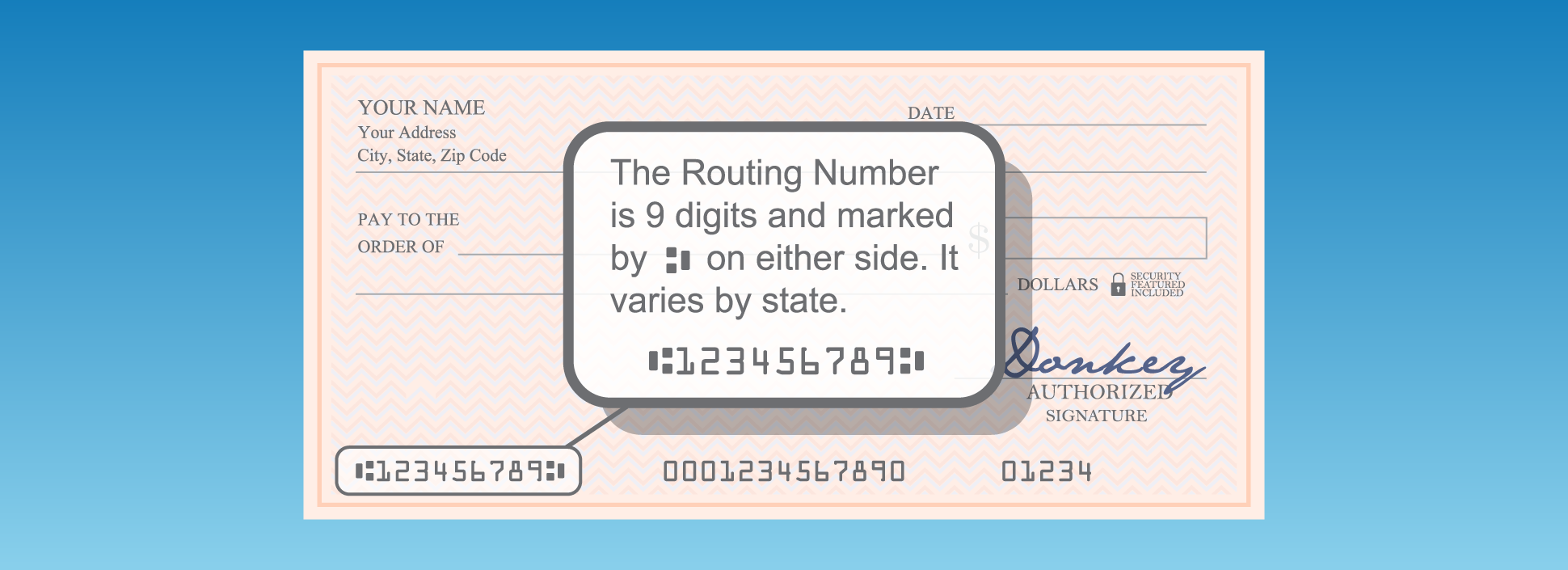
Routing Number (ABA Transit Number): This is a nine-digit code that identifies the financial institution itself. It’s like a postal code for your bank, indicating which bank is involved in a transaction. When you send money to or from an external account, the routing number ensures the funds reach the correct bank. Chase Bank, being a national institution, has several routing numbers depending on the state where the account was opened and the type of transaction (e.g., wire transfer vs. ACH). You can often find Chase routing numbers on their website or by consulting your checks.
-
Account Number: As established, this is your unique identifier for a specific account within that bank. Once the routing number directs the transaction to Chase, the account number specifies which of Chase’s millions of accounts should receive or send the funds.
Together, the routing number and account number form a complete address for financial transactions, allowing for the accurate and secure movement of money. Think of the routing number as the street address of a building, and the account number as the specific apartment unit within that building.
Why Knowing Your Account Number is Essential
Your Chase bank account number is more than just a sequence of digits; it’s a key to unlocking various financial services and managing your money effectively. You’ll need it for a myriad of reasons, including:
- Direct Deposit: To receive your paycheck, government benefits, or tax refunds directly into your account.
- Automatic Bill Payments: Setting up recurring payments for utilities, loans, or subscriptions.
- Wire Transfers: Sending or receiving funds quickly, especially for large amounts or international transactions.
- ACH Transfers: Facilitating electronic fund transfers (like Venmo, Zelle, or linking to other financial apps).
- Setting Up External Accounts: Linking your Chase account to investment platforms, other bank accounts, or digital wallets.
- Verification: Confirming your identity or account ownership with various financial service providers.
- Tax Purposes: Providing information to the IRS or other tax authorities.
Without quick access to this number, you might face delays in receiving funds, difficulty setting up essential services, or challenges in managing your overall financial ecosystem.
Primary Methods for Locating Your Chase Bank Account Number
Fortunately, Chase Bank provides several convenient and secure avenues for customers to find their account number. Depending on your preference and accessibility, you can choose the method that best suits your needs.
Utilizing Chase Online Banking and Mobile App
For most modern banking customers, the digital realm offers the quickest and most accessible way to retrieve account information. Chase’s robust online banking portal and highly-rated mobile app are designed with user convenience in mind.
- Log In Securely: Access your Chase account through the official Chase website (chase.com) or the Chase Mobile app on your smartphone or tablet. Always ensure you are on the legitimate Chase platform to prevent phishing attempts.
- Navigate to Your Account: Once logged in, select the specific checking or savings account for which you need the number. You’ll typically see a summary of your accounts on the main dashboard.
- Find Account Details: Look for an option like “Account Details,” “Account Services,” or a similar link usually located near the account summary or within the account’s specific menu. Chase often places this information clearly. In many cases, you might see the last few digits of your account number displayed, with an option to “Show Full Account Number” which requires additional authentication (e.g., a one-time passcode sent to your phone) for security.
- Security Precaution: Never share your login credentials with anyone. Always log out of your account when you are finished, especially on public computers or shared devices.
This method is generally the fastest and most preferred, as it allows you to access your information anytime, anywhere.
Consulting Your Bank Statements
Traditional paper bank statements and their digital counterparts are reliable sources for your full account number.
- Paper Statements: If you receive paper statements by mail, simply locate your most recent statement. Your full account number is typically printed prominently near the top of the statement, often next to your name and address, or within the “Account Summary” section.
- Electronic Statements (eStatements): If you’ve opted for paperless statements, you can access them through Chase Online Banking.
- Log into your Chase account.
- Navigate to the “Statements & Documents” section (or similar).
- Select the relevant account and statement period.
- Download or view the PDF statement. Your account number will be clearly visible, just as it would on a paper statement.
Bank statements are an excellent resource, especially if you need to provide proof of account ownership or details to third parties.
Deciphering Your Chase Checks
For checking accounts, your physical checks are an easily accessible source of both your routing and account numbers.
- Locate a Check: Grab one of your personal checks from your Chase checking account.
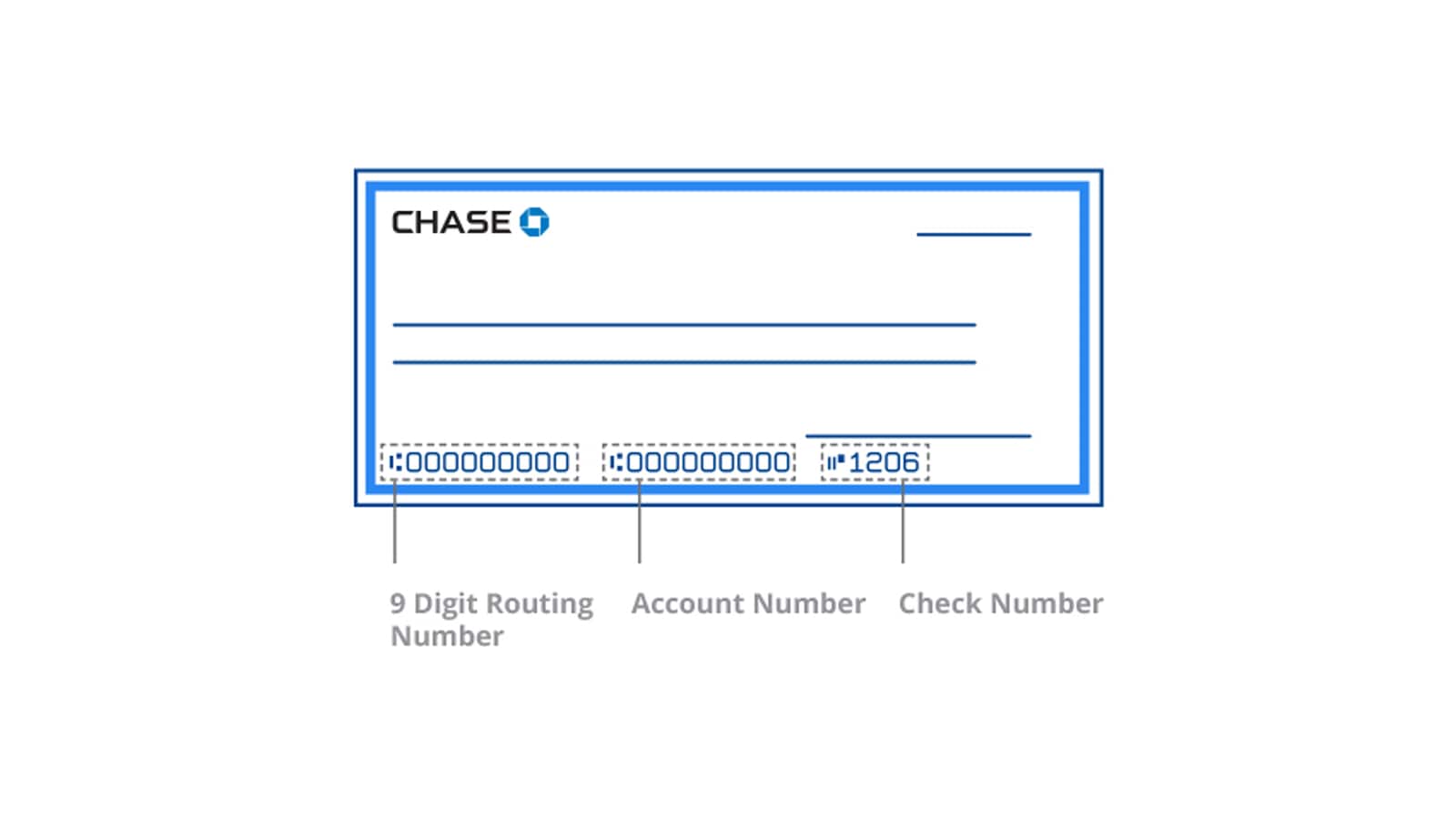
- Identify the Numbers: Look at the bottom of the check. You will see three sets of numbers printed in magnetic ink (MICR line).
- The first set of numbers (nine digits) is your routing number.
- The second set of numbers (typically 10-12 digits) is your account number.
- The third set of numbers is the check number (which also appears in the top right corner of the check).
It’s important to differentiate between the routing number and the account number. The account number is usually the middle set of digits.
This method is quick and requires no internet access, making it convenient if you’re away from your computer or phone. However, it only applies to checking accounts.
Direct Contact with Chase Customer Service
If digital methods or physical documents are unavailable or you encounter difficulties, contacting Chase’s customer service is a reliable fallback.
- Prepare for Verification: Before calling, have some personal information ready to verify your identity. This typically includes your full name, address, date of birth, Social Security Number, and potentially answers to security questions.
- Call the Official Number: Dial Chase Bank’s customer service number. You can find this on the back of your debit card, on their official website (chase.com), or on your bank statements. Avoid calling numbers found through unofficial search results.
- Explain Your Need: Clearly state that you need your account number. The representative will guide you through the verification process and provide the information.
While this method might involve wait times, it offers personalized assistance and can be particularly helpful if you’re unable to access your accounts or documents.
In-Person Assistance at a Chase Branch
For those who prefer face-to-face interaction or require additional support, visiting a local Chase branch is an option.
- Bring Identification: Make sure to bring a valid form of government-issued photo identification (e.g., driver’s license, passport) to the branch. This is essential for verifying your identity.
- Speak with a Banker: A personal banker can access your account details and provide you with your account number after successful identity verification. They can also assist with any other account-related queries you might have.
This method is ideal if you have other banking needs or prefer the assurance of speaking with a representative in person.
Practical Applications: When You’ll Need Your Account Number
Knowing where to find your account number is only half the battle; understanding its practical applications is equally important. Your Chase account number is a critical component for seamless financial operations.
Setting Up Direct Deposit and Automatic Payments
One of the most common uses for your bank account number is to set up direct deposit for your income or government benefits. Employers and benefit providers require both your routing number and account number to electronically transfer funds into your account. Similarly, when you set up recurring automatic payments for bills (e.g., rent, mortgage, utilities, credit card payments), the service provider will typically ask for these details to debit your account directly. This streamlines your finances, reduces the risk of missed payments, and often grants earlier access to your funds.
Initiating Wire Transfers and ACH Payments
For larger sums of money or time-sensitive transactions, wire transfers are often used. Both sending and receiving a wire transfer necessitate your full account number, along with the correct routing number and the bank’s SWIFT/BIC code (for international wires). ACH (Automated Clearing House) payments, while slower than wires, are a common electronic funds transfer method for everything from online purchases to interbank transfers. Most platforms that allow you to link external bank accounts for sending or receiving money (like PayPal, Venmo, Zelle, or investment platforms) will ask for your routing and account numbers to establish these connections via ACH.
Linking External Accounts and Financial Tools
In today’s digital age, many individuals manage their finances across multiple platforms and institutions. Whether you’re connecting your Chase account to a budgeting app, an investment brokerage, a peer-to-peer payment service, or another bank account, you’ll need your account number to authorize these links. This process often involves micro-deposits for verification, where small amounts (e.g., $0.05 and $0.15) are sent to and from your account to confirm ownership.
Resolving Payment Issues and Verifying Transactions
Should a transaction go awry, or if you need to dispute a charge or verify a payment, your account number becomes a key reference point. Customer service representatives from Chase or other financial entities will often ask for your account number to quickly locate specific transactions and investigate issues. It serves as your primary identifier in these scenarios, helping to streamline problem resolution.
Safeguarding Your Financial Information: Security Best Practices
While your account number is essential for financial operations, it’s also sensitive information that criminals can exploit. Protecting it is paramount to preventing fraud and maintaining financial security.
Protecting Your Account Number from Fraud
Treat your bank account number with the same caution you would your Social Security Number or credit card details. While an account number alone may not grant immediate access to your funds, it can be combined with other pieces of personal information to facilitate various types of fraud, including unauthorized debits or identity theft.
- Be Discerning: Only provide your account number to trusted entities and for legitimate financial purposes (e.g., your employer for direct deposit, a utility company for bill pay).
- Shred Documents: When disposing of old bank statements or voided checks, shred them thoroughly to prevent criminals from gleaning your account information.
- Secure Physical Documents: Keep physical checks and bank statements in a secure location where unauthorized individuals cannot easily access them.
- Secure Digital Documents: If you download eStatements, store them in a password-protected folder on your computer or cloud storage.
Recognizing and Avoiding Phishing Scams
Phishing attacks are a common tactic used by fraudsters to trick you into revealing sensitive financial information.
- Be Skeptical of Unsolicited Requests: Chase will never ask for your full account number, PIN, or online banking password via unsolicited email, text message, or phone call.
- Verify Senders: Always check the sender’s email address and look for inconsistencies or suspicious links in emails claiming to be from Chase.
- Official Channels Only: If you receive a suspicious communication, do not click on any links. Instead, navigate directly to chase.com or call the official customer service number to verify any legitimate requests.
- Beware of Urgency: Scammers often create a sense of urgency to pressure you into revealing information without thinking. Take a moment to pause and verify any urgent requests.
Tips for Secure Online Banking
When using Chase’s online banking or mobile app, implement these security measures:
- Strong, Unique Passwords: Use complex passwords for your Chase account that are different from those used for other online services. Consider using a password manager.
- Two-Factor Authentication (2FA): Enable 2FA whenever possible. This adds an extra layer of security by requiring a second verification step (e.g., a code sent to your phone) in addition to your password.
- Monitor Account Activity: Regularly review your transaction history for any unauthorized or suspicious activity. Set up alerts for large transactions or withdrawals.
- Update Software: Keep your operating system, web browser, and antivirus software up to date to protect against known vulnerabilities.
What to Do if Your Account Information is Compromised
If you suspect your Chase bank account number or other personal financial information has been compromised:
- Contact Chase Immediately: Call Chase customer service or visit a branch as soon as possible to report the suspected breach. They can help you take steps to secure your account, such as changing your account number or placing a hold on suspicious transactions.
- Change Passwords: Update your online banking password and any other passwords that might be linked to your financial accounts.
- Monitor Your Credit Report: Regularly check your credit report for any unauthorized accounts or inquiries. You can obtain a free copy of your credit report annually from each of the three major credit bureaus (Equifax, Experian, and TransUnion) at AnnualCreditReport.com.
- File a Police Report: In cases of significant fraud or identity theft, consider filing a police report.
Navigating your finances effectively means not only knowing how to access your vital account information but also understanding why it’s important and how to protect it.

Conclusion
Your Chase bank account number is a critical piece of your financial identity, enabling a wide array of personal and business transactions. From setting up direct deposits to linking external financial tools, its accessibility and accuracy are paramount. By leveraging Chase’s online banking platform, reviewing your bank statements, consulting your checks, or contacting customer service directly, you have multiple reliable avenues to locate this essential identifier.
Beyond simply finding the number, it’s crucial to grasp its distinction from other banking figures like the routing number and to understand its various applications. More importantly, exercising vigilance in safeguarding your account information through robust security practices is non-negotiable in an increasingly digital world. By adopting these insights, you can manage your Chase accounts with greater confidence, efficiency, and peace of mind, ensuring your financial journey remains secure and seamless.
aViewFromTheCave is a participant in the Amazon Services LLC Associates Program, an affiliate advertising program designed to provide a means for sites to earn advertising fees by advertising and linking to Amazon.com. Amazon, the Amazon logo, AmazonSupply, and the AmazonSupply logo are trademarks of Amazon.com, Inc. or its affiliates. As an Amazon Associate we earn affiliate commissions from qualifying purchases.